



Season 2, Episode 5: Behind every summer is a community that keeps Fire Island alive. This episode explores the history of the beloved Pines Pantry through the eyes of its iconic Pantry Girls, alongside the volunteer firefighters of The Pines and Cherry Grove who protect the island from fires, hurricanes, beach erosion, and an uncertain future.
TWELFTH NIGHT Comes to the Players' Ring Theatre
The show is reimagined as a bold, visually captivating world where “feast of fools” collides with “haute couture.”
By: Stephi Wild
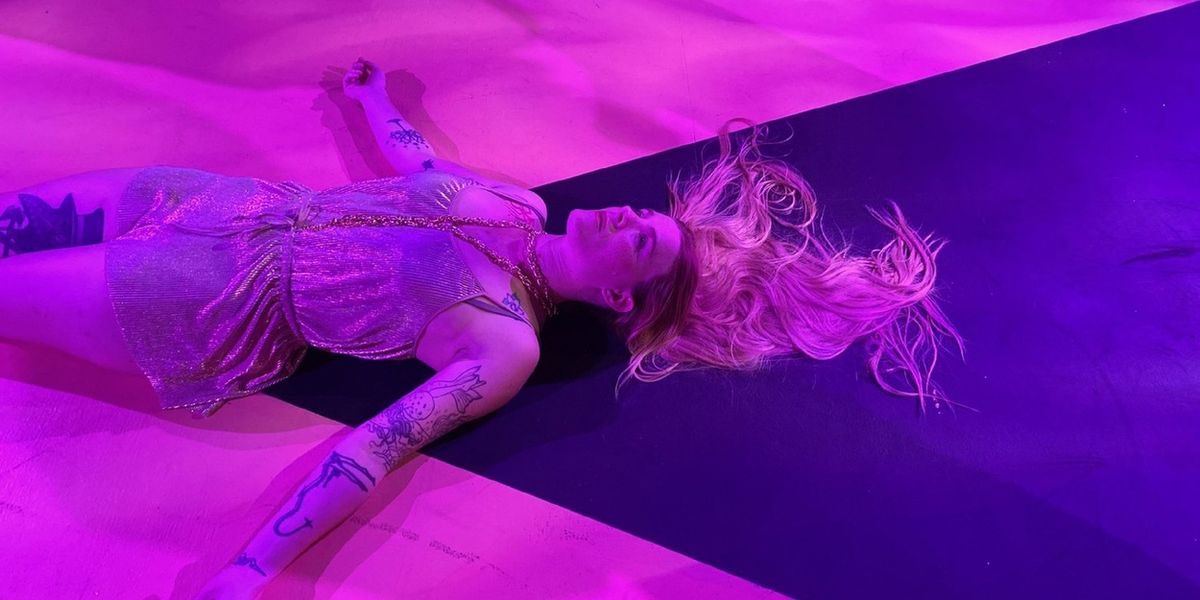
Shakespeare’s classic comedy of disguise, “Twelfth Night,” will be on stage at the Players’ Ring Theatre, facilitated by Julia Sommer, from Feb. 6 through Feb. 22.
This production honors Shakespeare’s language and story while embracing a fast-paced, quick-fire Elizabethan style – reimagined as a bold, visually captivating world where “feast of fools” collides with “haute couture.”
When Viola (performed by Amy Desrosiers) washes ashore in the strange land of Illyria – believing her twin brother lost – she disguises herself as a young man, Cesario, and steps into a world where nothing is quite what it seems.
In service to Duke Orsino (played by Lucas LeBlanc), she becomes the unlikely middleman in his pursuit of the elusive Countess Olivia (played by Julia Sommer) – who promptly falls for Cesario instead. Meanwhile, Viola finds herself falling quietly, hopelessly for Orsino.
Add mischievous servants, forged love letters, a steward with delusions of grandeur, and the delicious chaos of mistaken identity, and you have “Twelfth Night” at its most playful, poetic, and piercing.
Additional actors include: Peter Josephson, Courtney St. Gelais, Andrew Codispoti and Mairi Chanel, who also supports the process as co-facilitator.
“We chose this comedy precisely due to its nature,” said Julia Sommer. “While Twelfth Night is absolutely a farcical, laugh-riot comedy, it remains grounded through emotional and personal stakes. It’s true that it’s a play about love and disguises, but it’s also a play about grief and excess.”
Sommer said she loves this play because of how delicately it balances the light and dark.
“The more emotional moments make the comedy shine even brighter, and some of the funniest moments have an undercurrent of deception and even mistreatment. To me, this is what makes ‘Twelfth Night’ Shakespeare’s most complex and well-rounded comedy, and it’s what draws me to the play again and again,” she added.
Sommer’s relationship with Shakespeare’s work began when she was about 6 years old and has continued ever since.
“I became quite interested in his work while in high school, but it wasn’t until college
that my love for him really exploded,” she said. “I spent countless semesters in classes, independent studies, and rehearsal rooms with his plays and poems. Once I obtained my degree, I spent three years pursuing a Master of Letters and MFA in Shakespeare and Performance, with a focus in directing.”
“A collaborator and friend once told me that Shakespeare’s plays take place in three time periods: the time he was writing, the time he sets the play in, and the time it’s performed in,” she said.
“The first two are easy enough to parse, but it’s more difficult to face our present moment head-on. I look forward to the possibility of using this play as a vehicle to interrogate the world we live in, and perhaps even to excite reflection in those who see it.”
Sommer added that she feels lucky to be working with a brilliant team of artists, both on and offstage.
“I have always said that, as a director, the best day of rehearsal is the first one because it’s the first time I get to hear the play out loud and not just in my head. The same goes for seeing designs for the first time, or getting to know front-of-house folks. The people are what makes it tangible, and I consider myself very fortunate to have found myself in the hands of such a talented and capable group.”
One of these is actor Mairi Chanel who plays Feste.
“The quick-raise process (sometimes called contemporary original practice), is an ever-evolving exploration of raising Shakespeare’s plays in a method inspired by how he and his company would have raised their shows in the late 1500s and early 1600s,” Chanel said.
“Actors worked without a director, relying on clues woven into the text and their strength as an ensemble, raising shows in very short spans of time. Often shows would open after just one read-through and a few days to set fights and dances.”
Shakespeare’s company worked together for years, and had the advantage of knowing each other incredibly well,” Chanel said.
“Shakespeare is often seen as stuffy or stagnant; the purpose of this process is to invite modern audiences to experience these vibrant plays inhabited in the deeply alive way they were written to be,” she added.
“To foster this familiarity and mutual support, the contemporary quick-raise process utilizes ensemble building tools sourced from experimental and devised theatre, dance, and clown to connect actors to each other, to authenticity, and to their bodies. This enables them to trust each other and their instincts while navigating the stage in ways that support the story without the need for each moment to be set.”
Costume Designer Juno Jacobs said her vision for this show was to inject recognizable modern elements into the conventions of medieval dress, with an emphasis on jester aesthetics, to create something that is unexpected and playful.
“Designing a show in this way is a constantly evolving process, largely because the ideas we are working with are delicate to balance and can seem contradictory at times.”
Jacobs said when considering how to combine any period clothing with modern fashion, it makes the most sense to start with where those ideas already meet.
“The parts of the ‘feast of fools’ aesthetic that I found most interesting were the textures, patterns, and silhouettes,” she said. “I then sought out those features in the current world of couture, and identified some ways in which modern fashion is already utilizing these elements.”
With such a fast-paced production timeline, Jacobs sought out signature pieces that she believed exemplified her vision for the character, and then build looks around those items.
“For a quick raise, it can be helpful for the Costume Designer to be present in the rehearsal room to keep up with the rapid development of directing and acting choices,” she said. “I am assembling a larger selection of possible costumes than typical for a show of this size, so that time in fittings is used efficiently and design choices can be made intentionally rather than out of necessity.”
In addition to Jacobs, the creative team for this production of “Twelfth Night” includes Co-facilitator, Mairi Chanel; Set and Lighting Design by Ben Bagley; and Colleen Spear as Production Stage Manager and Property Manager.
Curious about the process? The first Sunday matinee show (Feb. 8) will be followed by an optional talkback with the playwright, director and cast.
The Ring’s neighbor, The Puddle Dock restaurant, and its sister restaurant, Tour on Lafayette Road, are both offering a 10% discount on food to Players’ Ring patrons. Visit their websites to reserve, and present your ticket when you ask for your check.
Photo Credit: Katrin Talbot
More on The Players' Ring Theatre
Recent Articles
Broadway news in your inbox
Weekly top stories - unsubscribe anytime.
Weekly top stories - unsubscribe anytime.
|
'And Then There Were None Players Ring (10/23-11/15) |

|
Johnny Folsom 4 Claremont Opera House (11/14-11/14) |
|
ALICE COOPER & ROB ZOMBIE TRIBUTE with East Coast Alice Band | Sat, Oct 31, 7:30pm | Happy Halloween! The Park Theatre (10/31-10/31) |
|
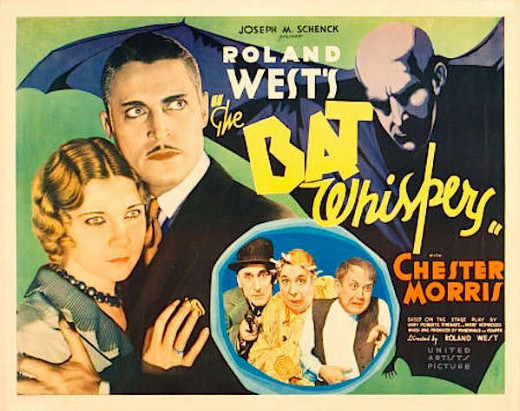
THE BAT WHISPERS (1930) Presented in the UCLA restoration of widescreen 65mm – Wed, Oct 28, 1:45pm The Park Theatre (10/28-10/28) |
|
THE HUNCHBACK OF NOTRE DAME (1922) Silent film with Jeff Rapsis LIVE on the organ. Wed, Oct 28, 1:30pm The Park Theatre (10/28-10/28) |
|
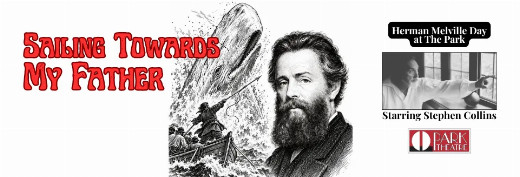
Herman Melville: SAILING TOWARDS MY FATHER. One-man play. Sat, Nov 7, 3pm The Park Theatre (11/07-11/07) |

|
Mamma Mania Claremont Opera House (11/21-11/21) |

|
"Come From Away" Community Players of Concord (11/20-11/22) |
|
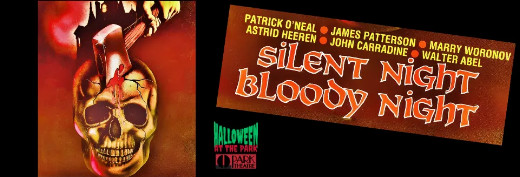
SILENT NIGHT, BLOODY NIGHT (1972) With Patrick O’Neal & John Carradine – Fri Oct 30, 6:30pm The Park Theatre (10/30-10/30) |
|
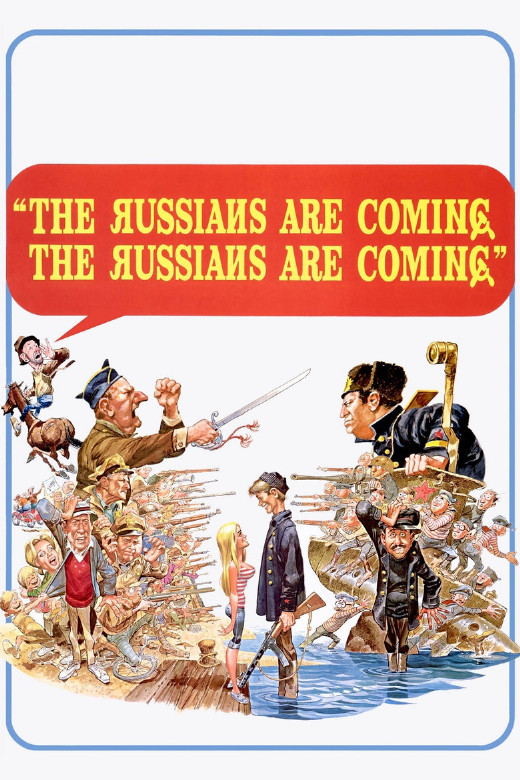
THE RUSSIANS ARE COMING. Fri Nov 6, 6:30pm. A new date. The Park Theatre (11/06-11/06) |