


Jack and Shanaz Langson Institute and Museum of California Art Unveil Summer Exhibition
Featuring over 30 paintings and nearly a dozen works on paper, the exhibition is on view through August 30, 2025.
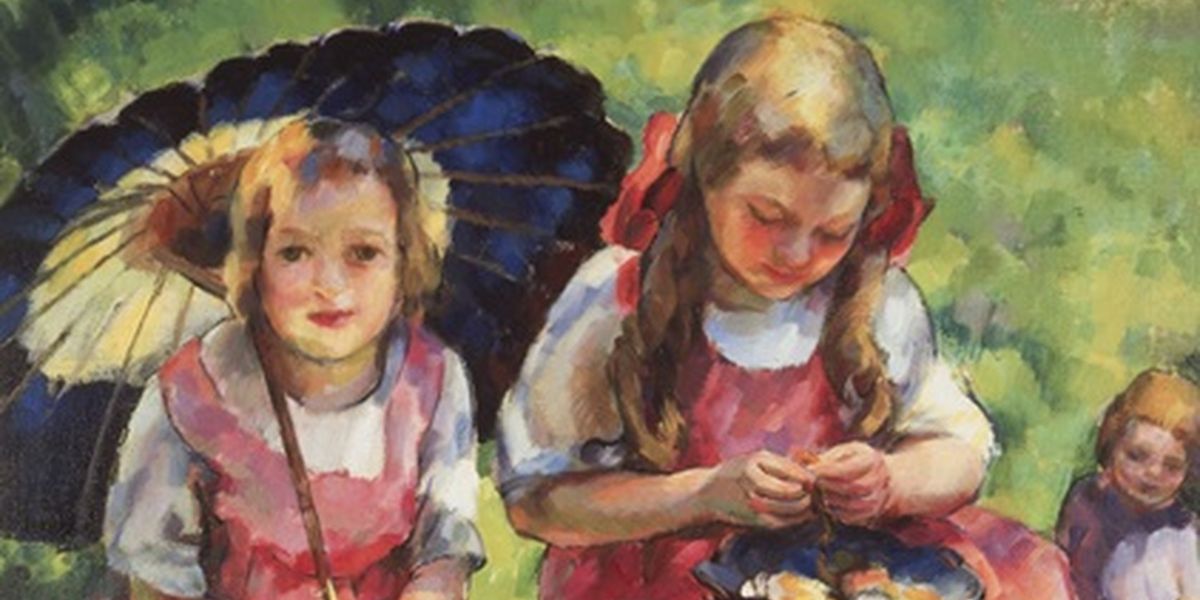
Jack and Shanaz Langson Institute and Museum of California Art (Langson IMCA) revealed its summer exhibition, California Kinship: Painting Home Life in the Golden State Before 1940, on view June 7 through August 30, 2025. Featuring over 30 paintings and nearly a dozen works on paper, the presentation illuminates how the notion of kinship in the early 20th century-a notably progressive period in the state's history-expanded beyond familial ties to include pets, plants, neighbors, immigrants, and broader social networks.
Drawn from Langson IMCA's collection and loans from private collections, intimate portraits, domestic scenes, and imagery of everyday life reveal how artists responded to changing notions of domesticity and the effects of suburbanization, women's suffrage in California, and rapid population growth in the Golden State. Langson IMCA Assistant Curator Michaëla Mohrmann, Ph.D., organized the exhibition in four sections, inviting viewers to examine the closest levels of intimacy to more expansive relationships.
"California Kinship is our Museum's first exhibition focusing on portraiture and scenes of everyday life. These works capture the Progressive Era's rapidly changing gender roles, access to home ownership, and notions of community belonging-topics that continue to be highly pertinent to present-day Californians," said Mohrmann.
"Intimate Interiors" focuses on portraits of individuals in their homes and how artists created a sense of closeness with their subjects. The artists in this section, many of whom had trained in Paris, drew inspiration from emerging movements like Fauvism and Symbolism as well as French Impressionism. Portraying subjects indoors amid their personal belongings allowed them to render aspects of the sitter's identity and psychological inner life.
Alson Skinner Clark's Our Dining Room (1939) depicts a private space in the artist's home, providing insights into his life. In his last decade of life, while preparing his retrospective at the Los Angeles Museum of History, Science, and Art (now the Los Angeles County Museum of Art), Clark created this painting as a nostalgic meditation on his artistic trajectory through allusions to his teachers, William Merritt Chase and James McNeill Whistler.
At the beginning of the 20th century, American art academies upheld the tradition of the nude as the pinnacle of artistic training. Artists represented in the "The Painter-Model Partnership" section were expected to render the human form through direct observation of live nude models. These idealized representations of the body also serve as the artists' commentaries on evolving artistic conventions.
"Caring for Others" features portraits and images of pets representing how care and connection are expressed across social classes, cultures, and relationships within and beyond the human family. Paintings of individual sitters reveal their roles within a family while group portraits provide insights into family dynamics and values.
In Navajo (1930), Elsie Palmer Payne focuses on the care Navajo women routinely provided their children. While daily maternal responsibilities, such as hair braiding and cooking were widely minimized as "women's work," Payne elevates these activities through her attentive portrayal of kinkeeping and would eventually replicate such scenes on a larger scale.
The last section, "The Architecture of the Home," explores how suburban architecture and gardens nurtured a sense of privacy and peace conducive to bonding with others and communing with nature. California's growing suburban middle class rejected modern architecture and built cottages and bungalows inspired by the Arts and Crafts movement. Plein-air artists represented in the exhibition were inspired by these residential settings as well as their lush gardens, which extended domestic space as depicted by Arthur F. Mathews in Ladies in the Garden (1923).
Such suburban dwellings contrasted dramatically with the cramped housing of immigrant neighborhoods in cities. Of Czech origin, Emil J. Kosa, Jr. was drawn to these tight-knit neighborhoods where other notions of privacy and belonging developed.

|
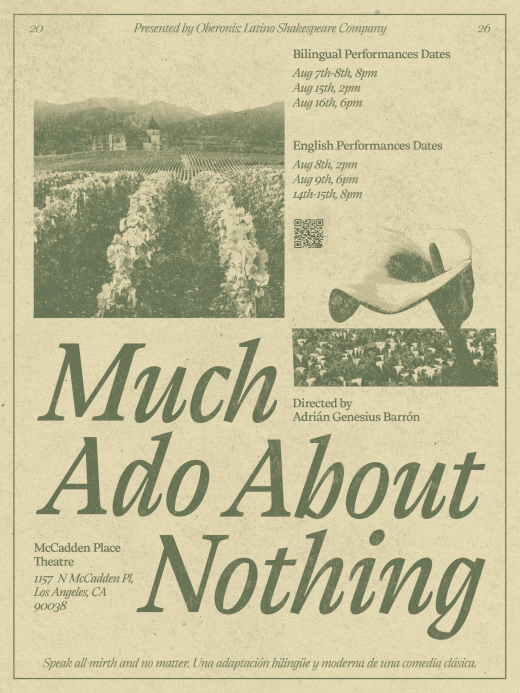
Much Ado About Nothing McCadden Place Theatre (8/07-8/16) |

|
6 Out of 10 Theatre 68 (8/20-8/20) |

|
After the Blast The Broadwater Second Stage (8/05-8/13) |

|
Catch Me If You Can Colony Theatre (9/17-10/18) |

|
Emily Skinner: In Concert Feinstein's at the Nikko (8/14-8/15) |

|
Gershwin and the Golden Age Younes and Soraya Nazarian Center for the Performing Arts (The Soraya) (10/11-10/11) |
|
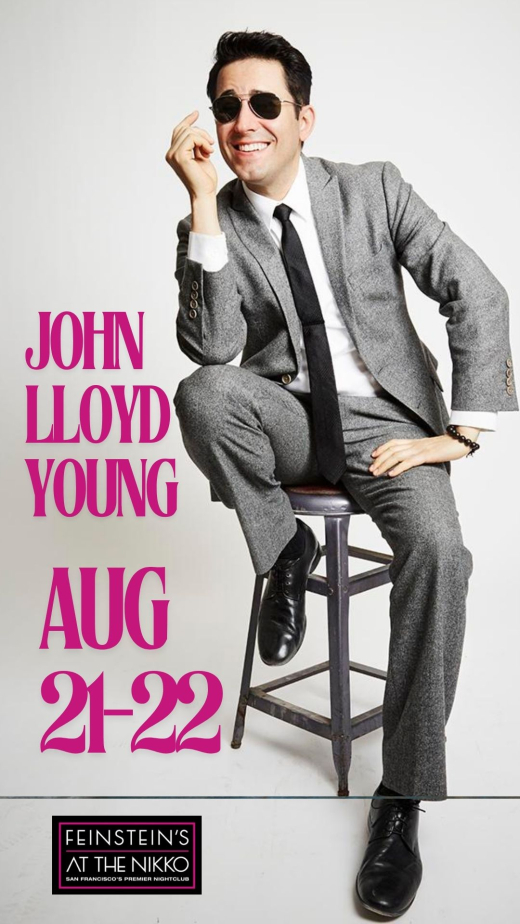
John Lloyd Young Feinstein's at the Nikko (8/21-8/22) |

|
Love, Loss and What I Wore Sawyer's Playhouse (8/08-8/30) |
|
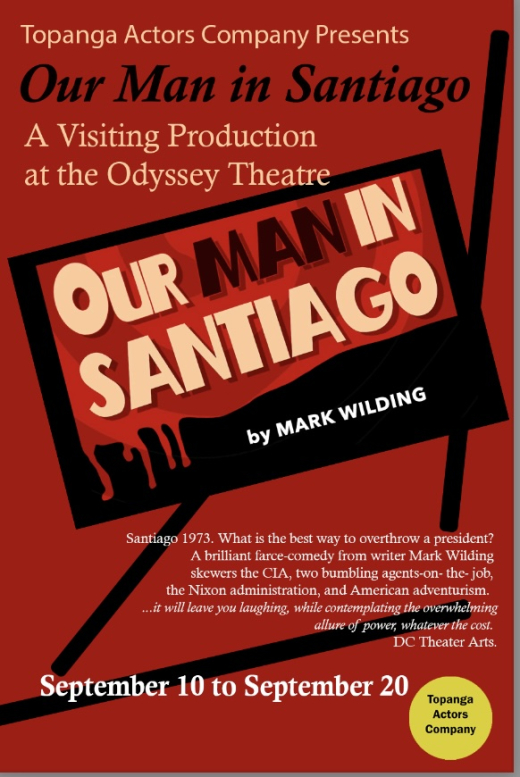
Our Man in Santiago by Mark Wilding Odyssey Theatre Ensemble (9/10-9/20) |

|
Riptide Film Festival James Armstrong Theatre (10/17-10/17) |