


Interview: Playwright Elliot Shoenman of PAPER WALLS at Broadwater Main Stage
traces his family’s harrowing journey from the Holocaust to America
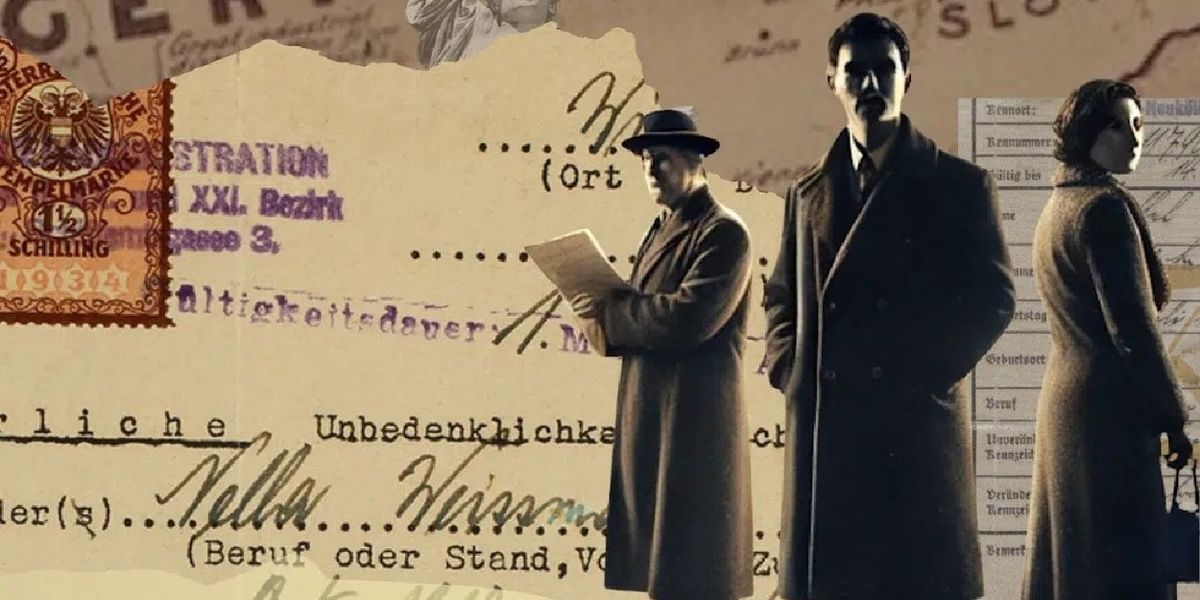
In an industry where few manage to master more than one art form, Emmy Award winner Elliot Shoenman (pictured) stands apart as a rare creative force. Storyteller, author and playwright, he now unveils a deeply personal world premiere play tracing his family’s harrowing journey from the Holocaust to America.
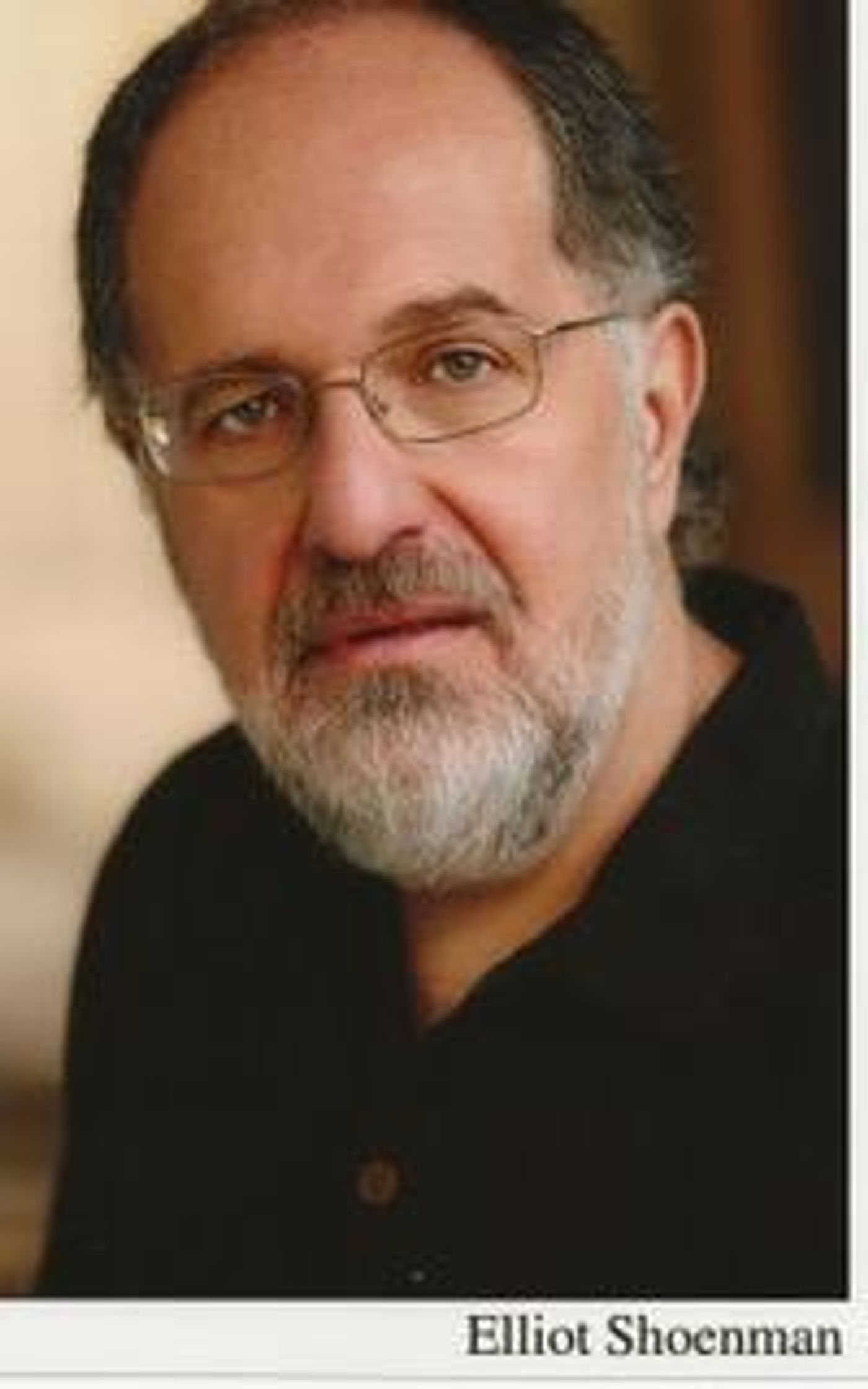 Elliot started his career as a writer on Norman Lear’s Maude, and created, with Paul Wolff, the CBS show Annie McGuire starring Mary Tyler Moore. He wrote for Cheers, won an Emmy for his work as Executive Producer and showrunner of The Cosby Show and was Executive Producer and showrunner of Home Improvement. He is co-author, with Marley Sims, of the play Sunset Park and wrote the plays Moment In The Sun, Old Glories, AfterMath (Ovation Nominated), A Heap Of Livin’, Why Are We Friends With These People, and Paper Walls. He is author of the book “Nobody’s Business.”
Elliot’s newest play, Paper Walls is a story that reveals the enduring thread connecting the struggles of 20th-century immigrants seeking refuge and opportunity in America, with today’s vitriol debates around immigration policy. It offers audiences profound reflection on resilience, hope, and the quest for finding their place in an ever-changing world.
Our conversation explores the inspiration for Paper Walls and how it relates to all America today.
The term “Paper Walls” refers to immigration barriers during the Holocaust era. How do you see those restrictions reflecting in today’s immigration debates?
There are many similarities. In the U.S., during the Holocaust era, there was an America First movement - paranoia that foreigners would take jobs from “real Americans.” This movement was partially fueled by Henry Ford, who published an antisemitic newspaper, and Father Charles Coughlin, a Catholic priest, whose anti-Semitic radio program had an audience of millions.
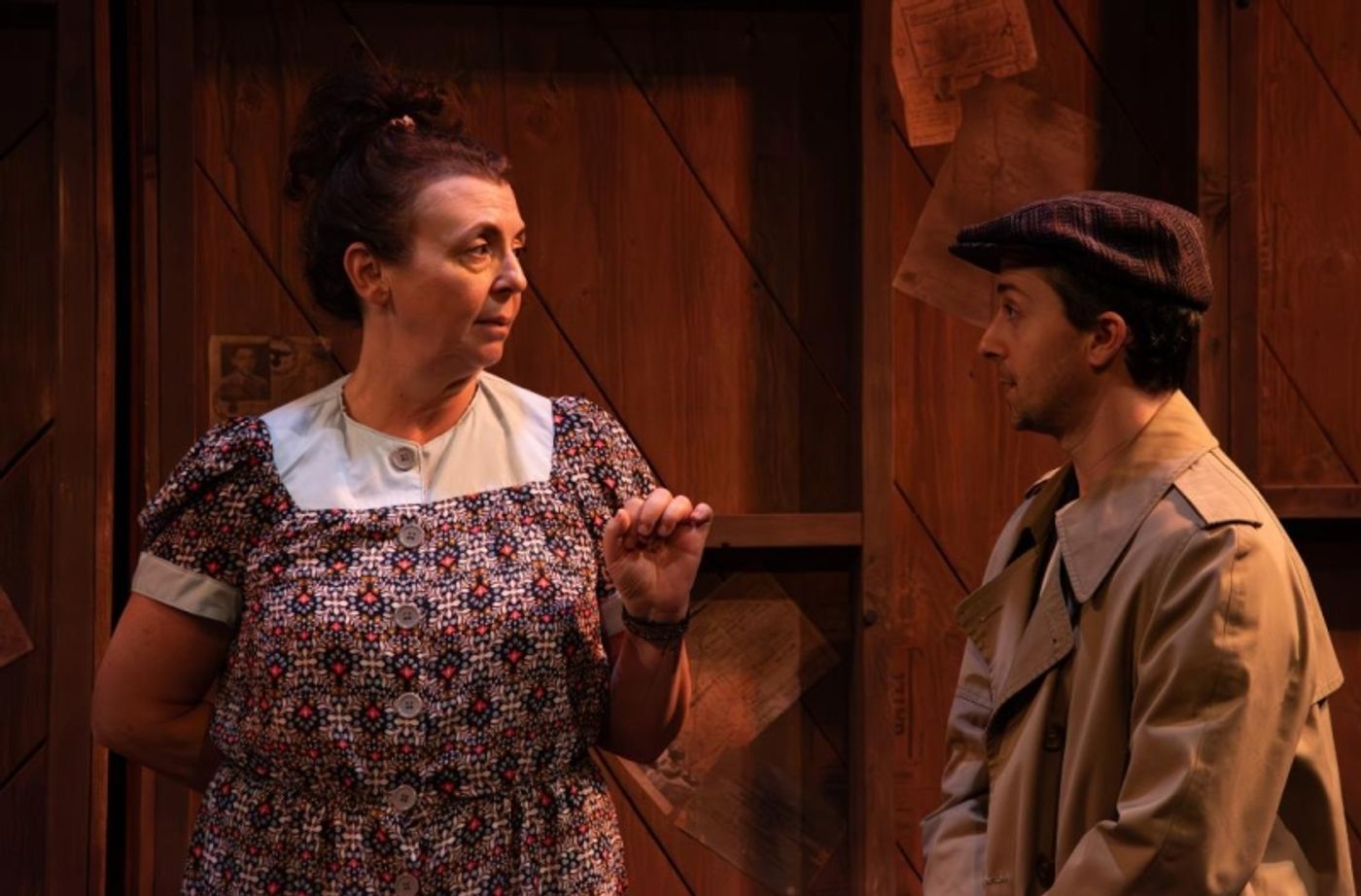
Dana Schwartz, Casey J. Adler in Paper Walls
Photo credit: Zoia Wiseman
What inspired you to transform your family’s history into a theatrical work, and why is now the right time to tell this story?
I’ve been working on the play for a long time, then, it suddenly became timely since immigrants to this country are widely characterized as less than “real Americans.” And during the Holocaust, there were people in government who were antisemitic and determined to keep “foreigners” out, even if those “foreigners” were in danger. The timing of this production worked for the schedule with Inkwell Theater, which focuses on the development of new plays, and Director Darin Anthony was available now to helm the project.
Your father never discussed his experiences of fleeing anti-Semitic Russian troops in Poland or his challenges escaping Berlin during WWII, yet you uncovered the hidden family story. How did this tension between his silence and storytelling shape your play’s emotional core?
I went into the research of my father’s story with practically no information. When I was young, when I’d ask him something about his past, he would say it’s nobody’s business. This was frustrating and hurtful. He died when I was 18, so I never got to ask him questions when I was an adult. When I tracked the story down, it answered a lot of questions for me. Of course, for a play, I changed certain things for dramatic purposes - but the core of the family story is the same. If my father was alive today and knew what I was doing, my fantasy is that he’d be happy about it - but, in reality, I think he’d be furious that I did it behind his back and violated his privacy.
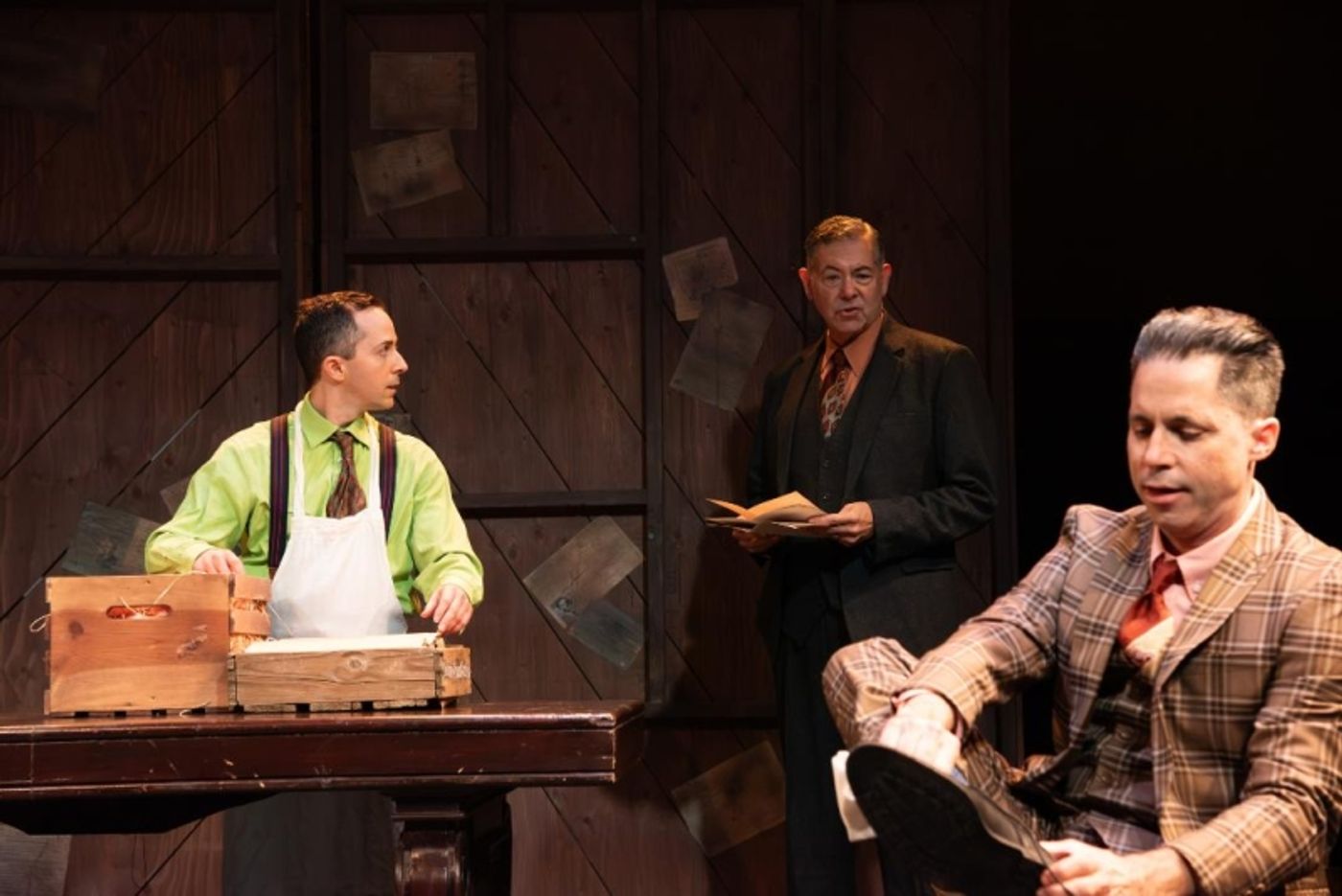
Casey J. Adler, Warren Davis, Derek Manson in Paper Walls
Photo credit: Zoia Wiseman
How did your research trips to Washington D.C., Berlin, Vienna, Warsaw, and Gdansk change your life?
The journey allowed me to “walk in my family’s footsteps." I was amazed by the documents that I found in the National Archives in Washington (immigration records); finding the apartment they lived in while in Berlin and where their business was located. I found my father’s actual hiding place in Vienna; and found more records in Warsaw. Gdansk had been almost completely destroyed at the end of the war, then re-built in the old style - there were no records to be found there, but I got a sense of time and place.
In what ways did you approach balancing the personal with the political to connect the past immigrant struggles with contemporary issues around immigration and identity?
I didn’t really make an attempt to balance it. The play evolved over many years and then, suddenly, became relevant to today. Immigration during the 1930’s was a critical part of what I found in my research of my family’s story. And then it became a critical part of our current narrative. The connection became instantly clear. And during the recent rewrite stage, I discovered some striking similarities, such as tariffs being imposed in Germany when the World War II dictator came into office. And, obviously, there’s the slow crawl toward authoritarianism.
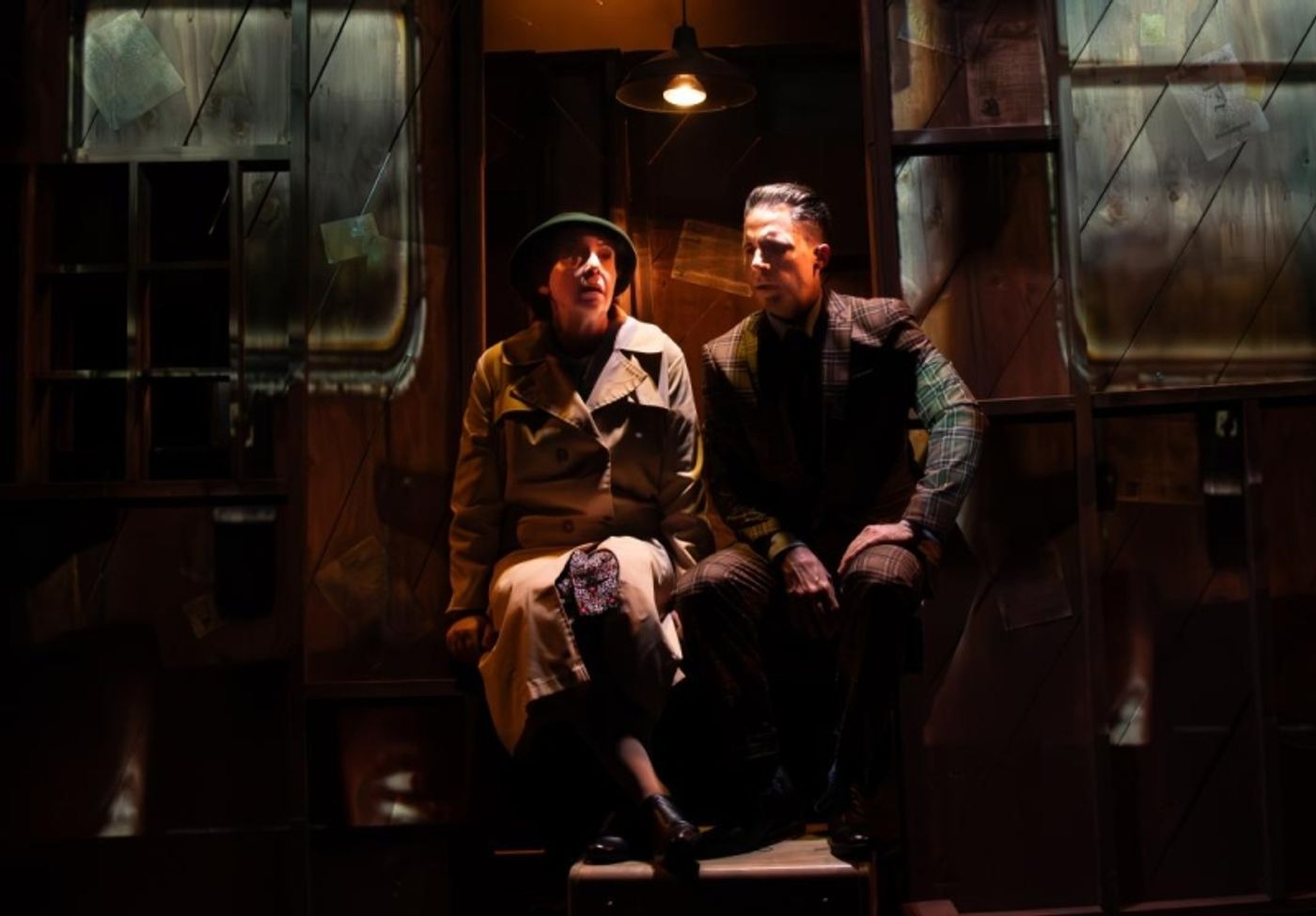
Dana Schwartz, Derek Manson in Paper Walls
Photo credit: Zoia Wiseman
What challenges did you face in dramatizing such a complex, multi-generational family journey spanning different countries and historical periods?
100 drafts. Which may not be an exaggeration. It took a very long time to find the right balance. I drove my family crazy, asking them to read draft after draft. There are many scenes within this story, which makes it challenging to translate on stage in real time, but the cast is excellent: Casey J. Adler, Warren Davis, Derek Manson, Dana Schwartz, the Director, Darin Anthony has a creatively keen sense of staging and Justin Huen’s clever production design make it all work flawlessly.
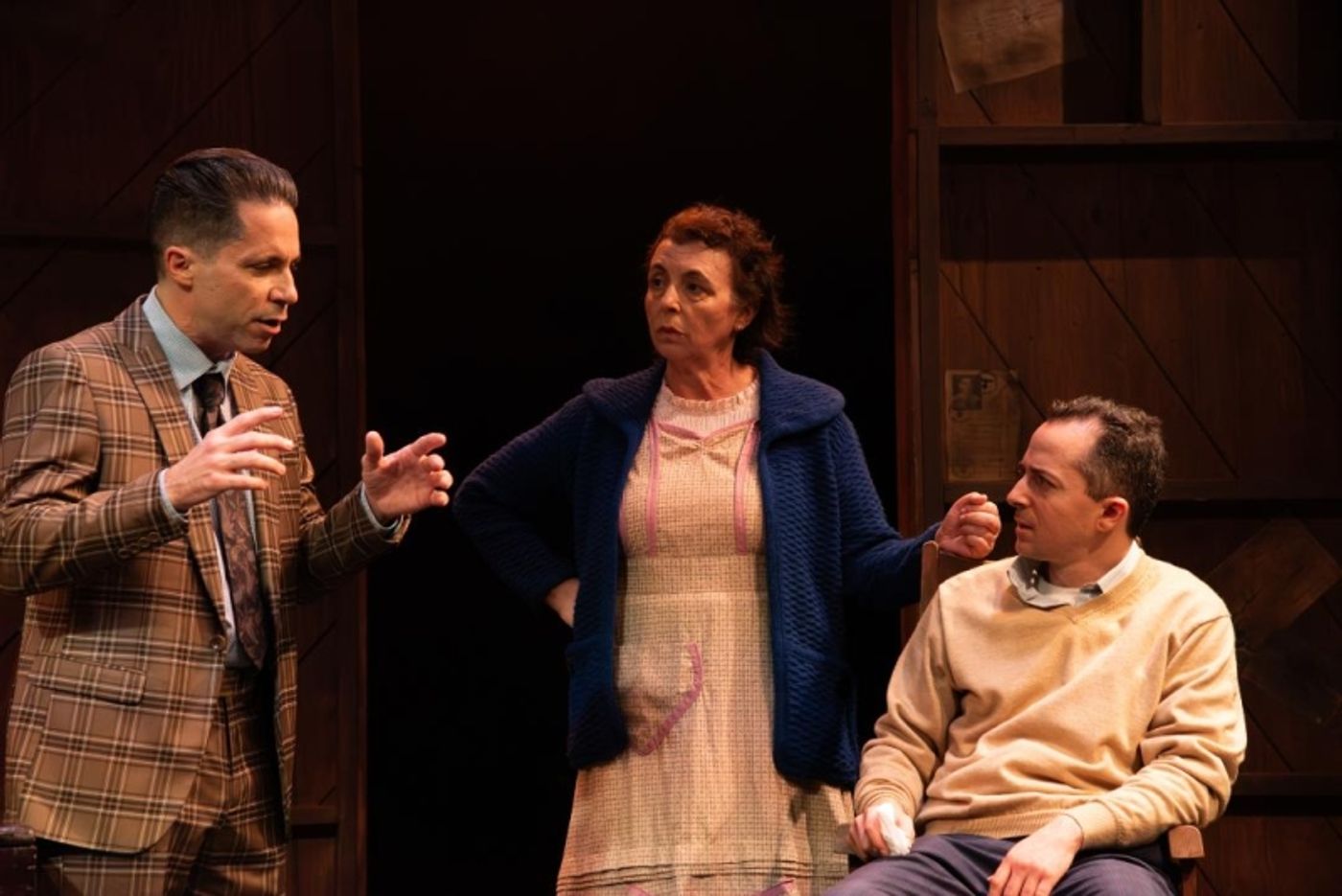
Derek Manson, Dana Schwartz, Casey J. Adler in Paper Walls
Photo credit: Zoia Wiseman
How does your play contribute to the broader conversation about the human cost of restrictive immigration policies, both historically and today?
My play, I believe underlines the difference between an immigrant and a refugee. An immigrant chooses to leave his country; a refugee HAS to leave. I’m not sure everyone understands the difference. A good number of our “illegals” came here because they had to. I hope people see what these kinds of movements can lead to when it comes to acceptance in a new country.
Do you see non-Jewish audiences relating to the themes in this play?
I certainly hope so. I don’t see this as just a Jewish story. I believe that it’s now become a universal story, and a warning.
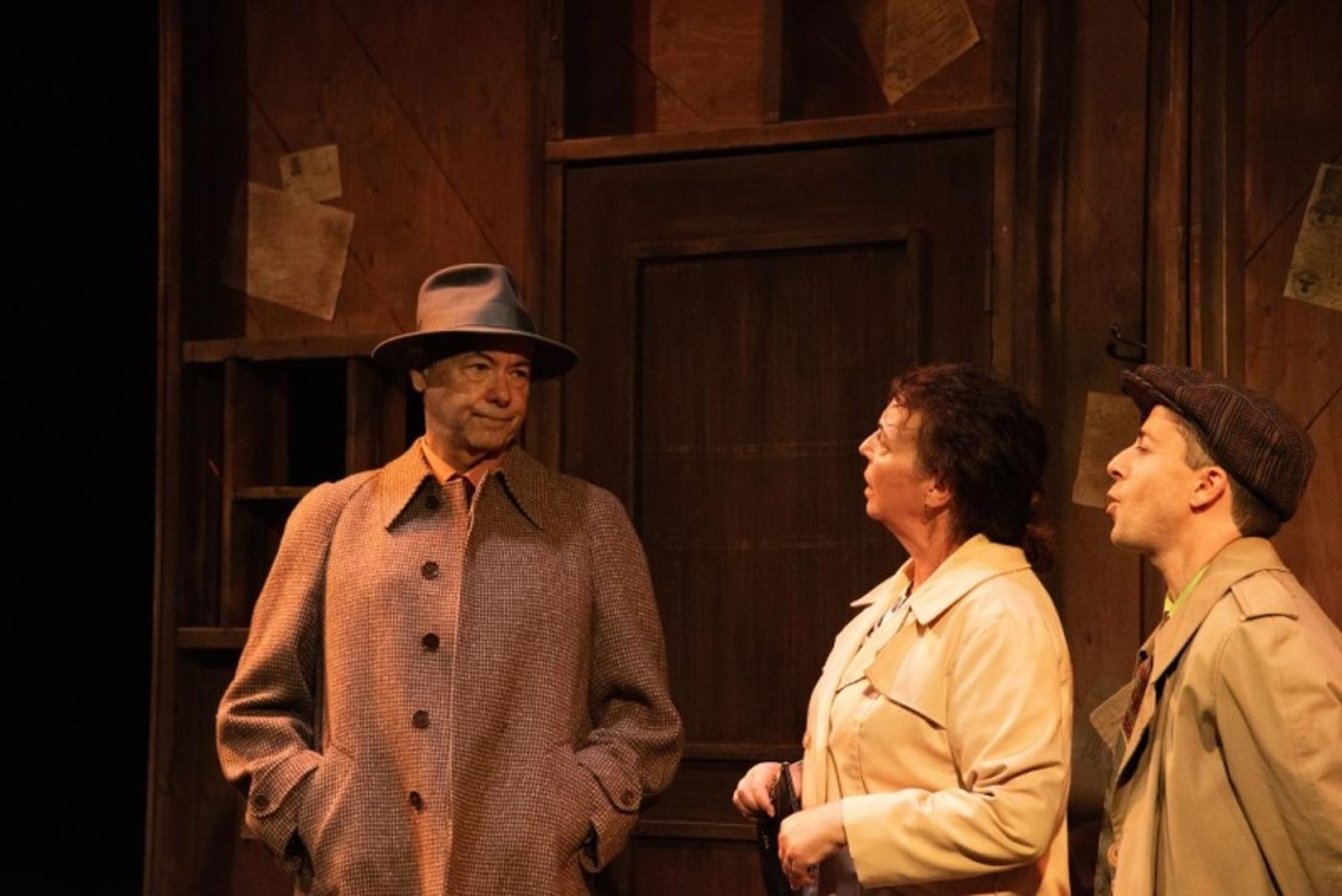
Warren Davis, Dana Schwartz, Casey J. Adler in Paper Walls
Photo credit: Zoia Wiseman
What is next for you as a writer?
I’m writing a book titled, “Mickey Mantle and The Cross-dressing Furrier.” Explaining what that is would be a whole separate conversation - or readers could buy the book.
Thanks so much!
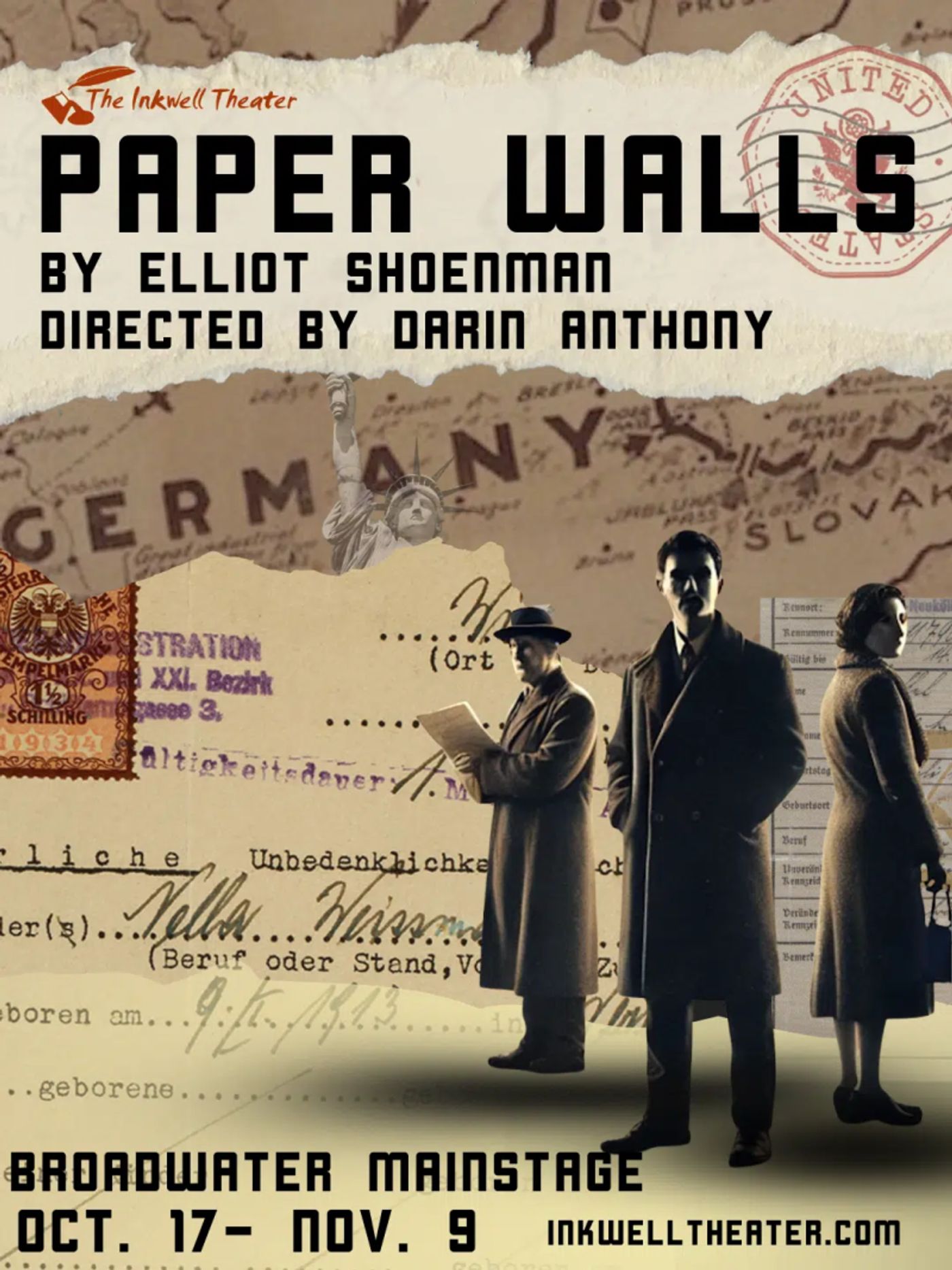
Paper Walls opens at 8pm on October 18 with performances at 8pm on Thursdays and Saturdays; 3pm Sundays through November 9, 2025 at the Broadwater Main Stage Theater, 1076 Lillian Way, Los Angeles, CA 90038. Tickets are $35 with PWYC tickets available for all performances. For reservations, call (310) 551-0918 or visit https://inkwelltheater.com/ Street parking only so arrive early and read signs carefully.
|
Much Ado About Nothing McCadden Place Theatre (8/07-8/16) |
|
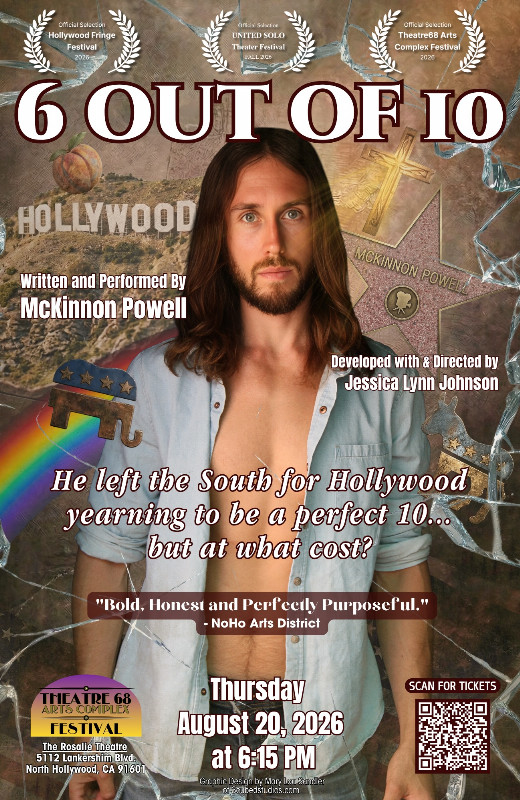
6 Out of 10 Theatre 68 (8/20-8/20) |
|
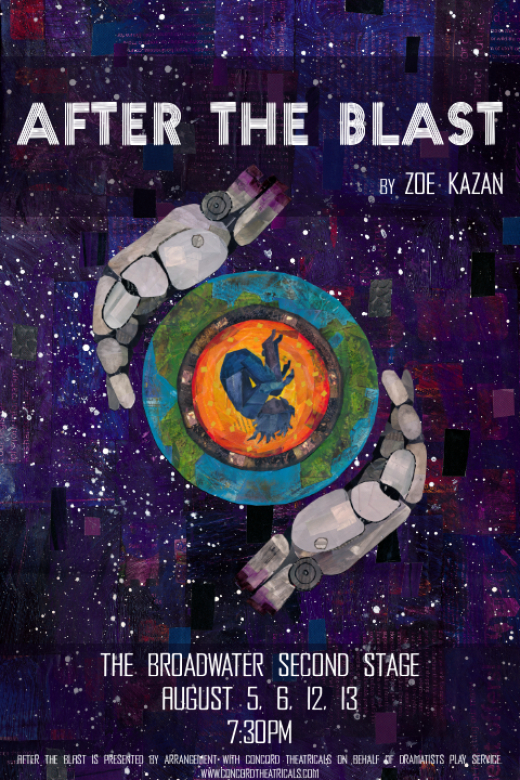
After the Blast The Broadwater Second Stage (8/05-8/13) |
|
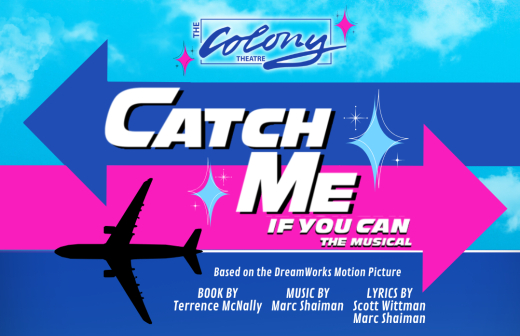
Catch Me If You Can Colony Theatre (9/17-10/18) |
|
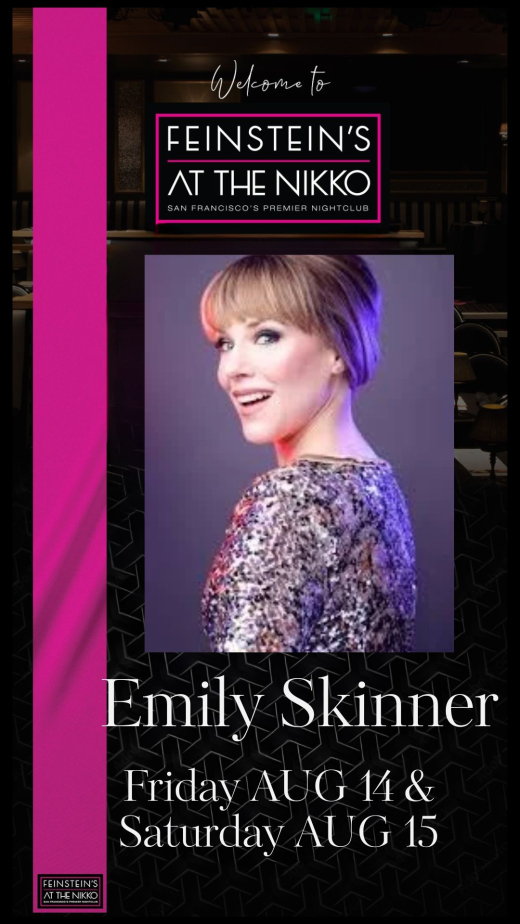
Emily Skinner: In Concert Feinstein's at the Nikko (8/14-8/15) |

|
Gershwin and the Golden Age Younes and Soraya Nazarian Center for the Performing Arts (The Soraya) (10/11-10/11) |
|
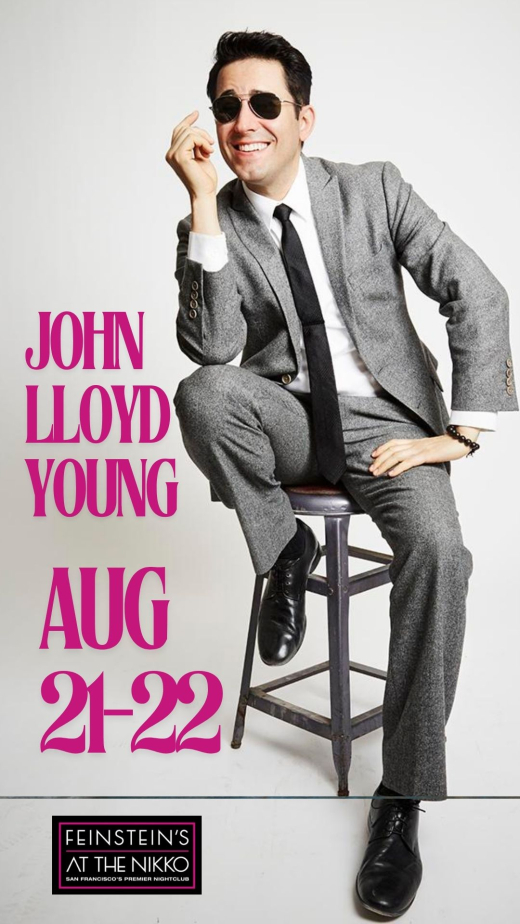
John Lloyd Young Feinstein's at the Nikko (8/21-8/22) |
|
Love, Loss and What I Wore Sawyer's Playhouse (8/08-8/30) |
|
Our Man in Santiago by Mark Wilding Odyssey Theatre Ensemble (9/10-9/20) |
|
My Soul To Take: Unhinged The Hudson Theatres (10/16-10/21) |