


Interview: Josefina López on REAL WOMEN HAVE CURVES THE MUSICAL from Boyle Heights to Broadway
Opens April 27 at the James Earl Jones Theater.
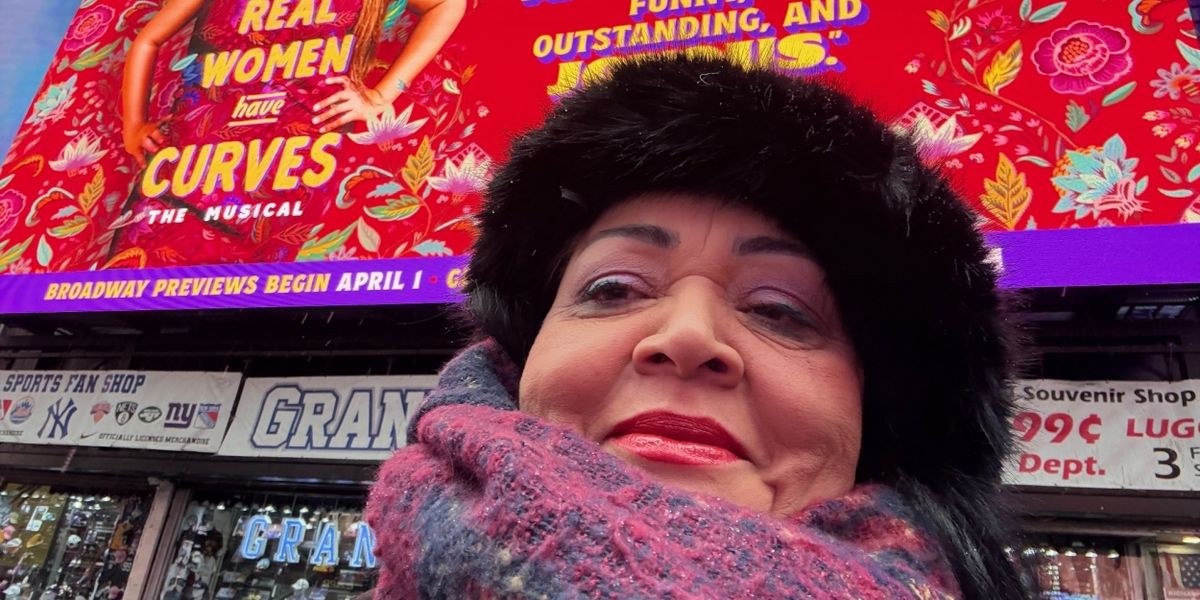
Josefina López (pictured in front of the James Earl Jones Theater on Broadway), the celebrated Mexican-American award-winning playwright and screenwriter best known for creating and authoring the play and co-authoring the film Real Women Have Curves, was an undocumented five-year-old immigrant when she migrated with her family from San Luis Potosi, Mexico, to the United States in 1974 to settle in Boyle Heights. And on April 27, she will be making her Broadway debut when Real Women Have Curves: The Musical opens on Broadway!
I decided to speak with Josefina on her 37-year journey from Boyle Heights to Broadway to find what inspired her to write the film, which has been made into a stage play and now a Broadway musical.
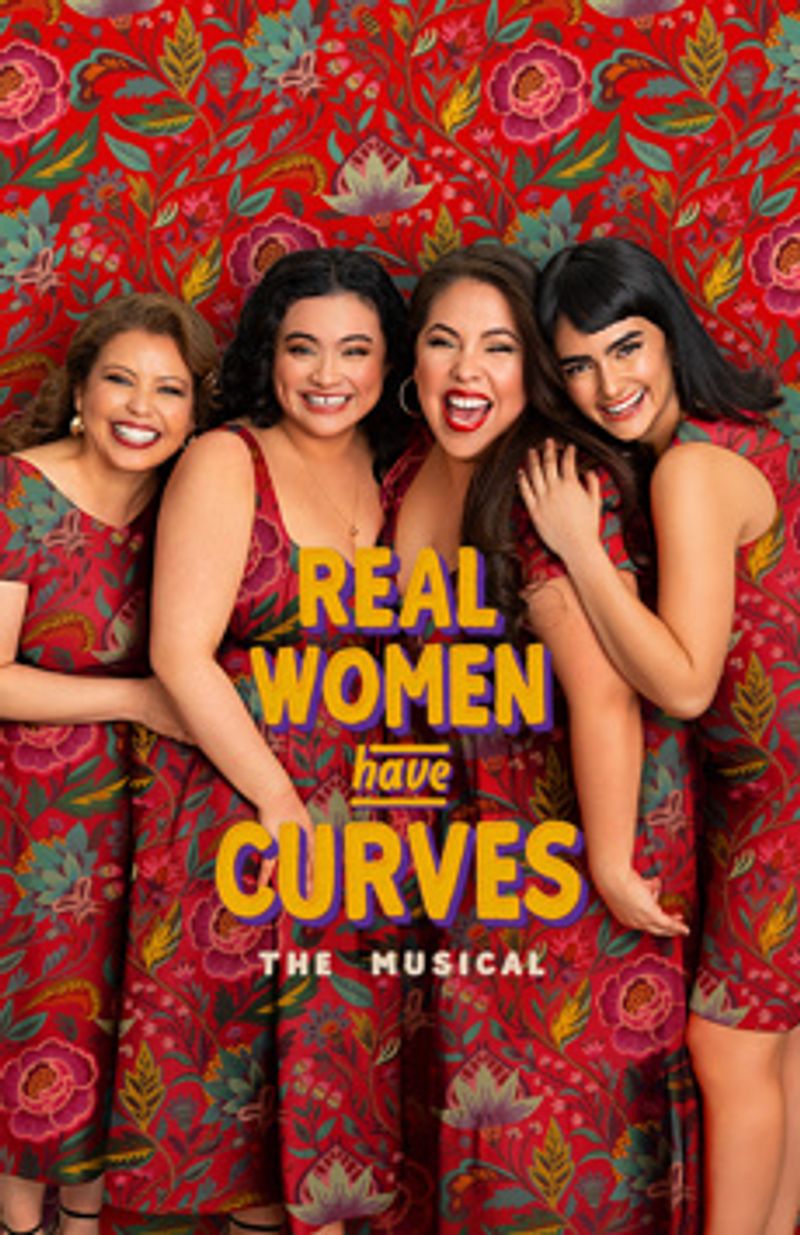 Hi Josefina. Thanks for taking the time to speak with me today. Congratulations on talking Real Women Have Curves from Boyle Heights to Broadway where it opens on April 27. First, how has your own education contributed to creating the play?
My dream has come true. My journey from the barrio in Boyle Heights to Broadway has taken 37-years to realize, but now it is a realty. As a student studying Theatre in the first graduating class of the Los Angeles County High School for the Arts we presented scenes from The Diary of Anne Frank. I identified with Anne Frank because I was undocumented and had to hide my legal status because I was afraid to be found out. As an homage to Anne Frank, I gave my protagonist in Real Woman Have Curves the name of Ana García.
Tell me how the play was brought to CASA 0101 Theater in Boyle Heights.
The synchronicity of how things are aligning for me all at the same time is truly kismet. It was on April 1, 2000 that I signed the lease for my CASA 0101 Theater, which is now celebrating its 25th Anniversary Season. It is at my theater where some of the earliest performances of my play, Real Women Have Curves were presented.
Was your decision to open your own theater in Los Angeles based on the need to find a place to present Real Women Have Curves?
I tried getting my play produced in Los Angeles but all the theaters I approached were not interested. Even a Latino theater company that I approached wouldn’t do it because I found out through word-of-mouth that they just “didn’t want fat women on their stage.” I was so annoyed and outraged by all the racism, sexism, and body shaming mentality that I decided to produce it myself using my own student loans from my MFA in Screenwriting at UCLA. I produced it in September 1998 because I knew it was going to be a hit and I wanted to present it in my hometown. After the play was a big success, I realized that I was good at producing and wanted to continue telling my stories and creating roles for Latinx actors and for women of all shapes and sizes and color.
Were the CASA 0101 shows its World Premiere?
No, the World Premiere happened in San Francisco at the Mission Cultural Center May 1990.

What first inspired you to tell the story of textile factory workers and a daughter who wants more out of life?
I was undocumented for 13 years and after high school I couldn’t go to college. I had to wait a year to be eligible when I became a U.S. Resident through the Amnesty Bill of 1987. So I worked at my sister’s sewing factory for six months before I won a playwriting fellowship in New York City. My experience in the sewing factory was extraordinary because I learned how powerful women really are, especially when they work together. I learned that although you may have a hard job you can still choose to find the joy in it, and when women come together you get the juiciest chisme [gossip] and stories. I was so inspired by all the fun and joy we had in the sewing factory that I wanted to show the world that Latinos are not victims, we are the heroes and heroines of Los Angeles and we are an important contribution to the U.S. economy.
How is the protagonist Ana García based on your own life?

Tatianna Córdoba plays Ana García
Ana García is me – just as bold, funny, and ambitious. I really did work in a sewing factory ironing dresses in super-hot conditions where I really did take my clothes off and ironed in my underwear. My mother teased me about my breasts being so big and I defended my body and challenged them to undress as well. I would often get on top of a chair and lecture to the women about their sexual rights and they would share their stories that made me appreciate being a woman and made me realize that they too were third world feminists.
 Are the other characters based on your family members or friends?
I worked with my sister Esther and my mother Catalina at the factory so they inspired Estela and Carmen. (pictured: Justina Machado plays Carmen García)
The play was the first I ever saw that promoted body positivity for all sizes of women in such a bold way. Why was that message such an important one for you to tell?
I truly believe the best way to fight hatred and prejudice is to first love yourself for who you are. My original play and screenplay are a microcosm of the Latina immigrant experience, celebrating real women’s bodies, the power of women, and the incredible bond that happens when women work together, all of which I feel are topical in our world today. The women I worked with in a small sewing factory in Boyle Heights taught me many valuable life lessons, which I still carry with me to this day. I am so grateful to have my story told on a Broadway stage bringing positive worldwide attention to my beautiful community of Boyle Heights which I am so proud to be a part of with my CASA 0101 Theater where we champion women’s and Latinx voices and storytelling. My motto is: Create, Elevate, Celebrate.
Can you estimate how many cities around the world have presented the play Real Women Have Curves, and in how many languages has it been written?
It has mostly been done in the U.S. – maybe over 25 cities – and in Mexico City. I would have to check my royalty statements to figure the exact number!
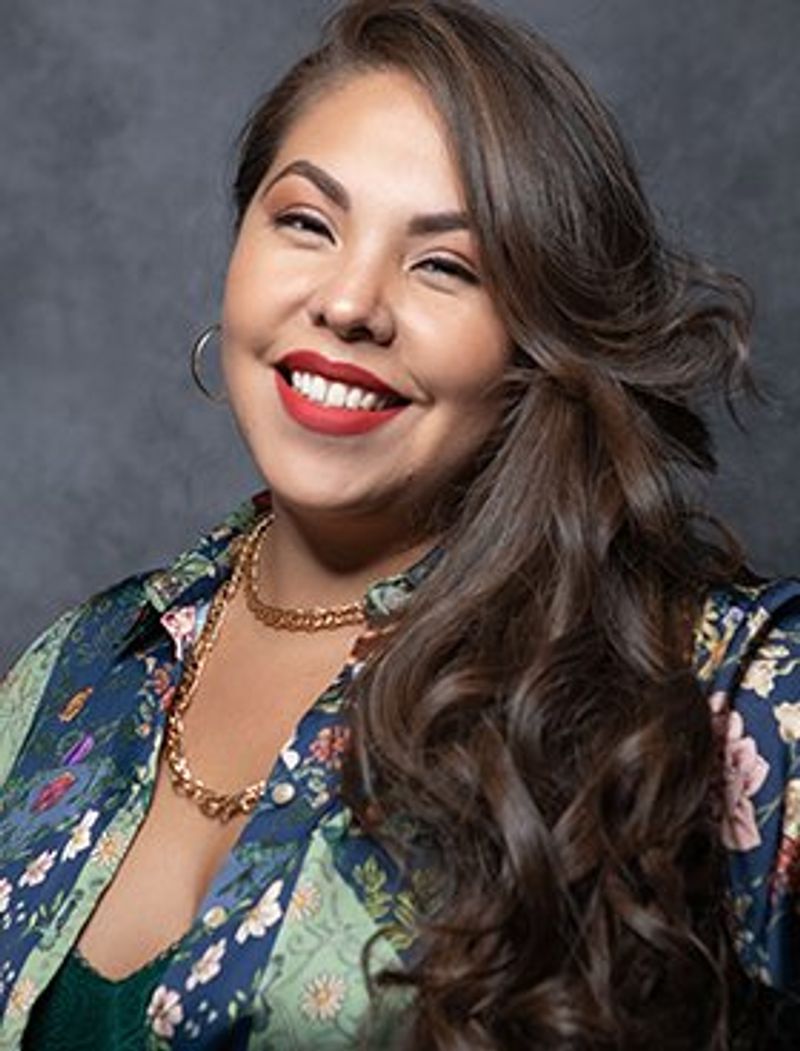
Florencia Cuenca plays Estela García
Other than now being in a musical format, how have the characters and/or story changed over the years since you first wrote it?
Unfortunately, my play is as relevant today as it was back when I wrote it in 1988/1990. Immigrants are still being “scapegoated” and persecuted and it seems to be getting worse. In the play Estela is the protagonist. In the movie Ana is the protagonist. In the musical Estela and Ana are both protagonists. It makes me so happy that there are three versions and in this version the mother gives Ana her blessing and the audience loves it.
Tell me about the creation of the musical. When did you decide to do it and what was your process in creating it?
In 2019 I agreed to have the producers turn it into a musical. However, since 2003 my manager and I have been trying to find producers who could commit to investing in the musical. In 2008, I produced a workshop of the musical but it did not work out. Then I attempted it again with another producer and that didn’t work out. So third time’s a charm as they say.
.JPG?format=auto&width=800)
Carla Jimenez plays Pancha
Did political turmoil surrounding immigration influence your decision to write the play or to now present it as a musical?
The musical has been in the works since 2019 – so I believe it’s divine timing that it’s being presented at this time when this story is so necessary to counter the false narrative of Latinos and immigrants being criminals and people who rob and steal. We contribute so much and we mostly live with dignity and hard work so I am happy audiences who don’t know our reality can see another story that is more accurate and authentic to who we really are as a people and a community.
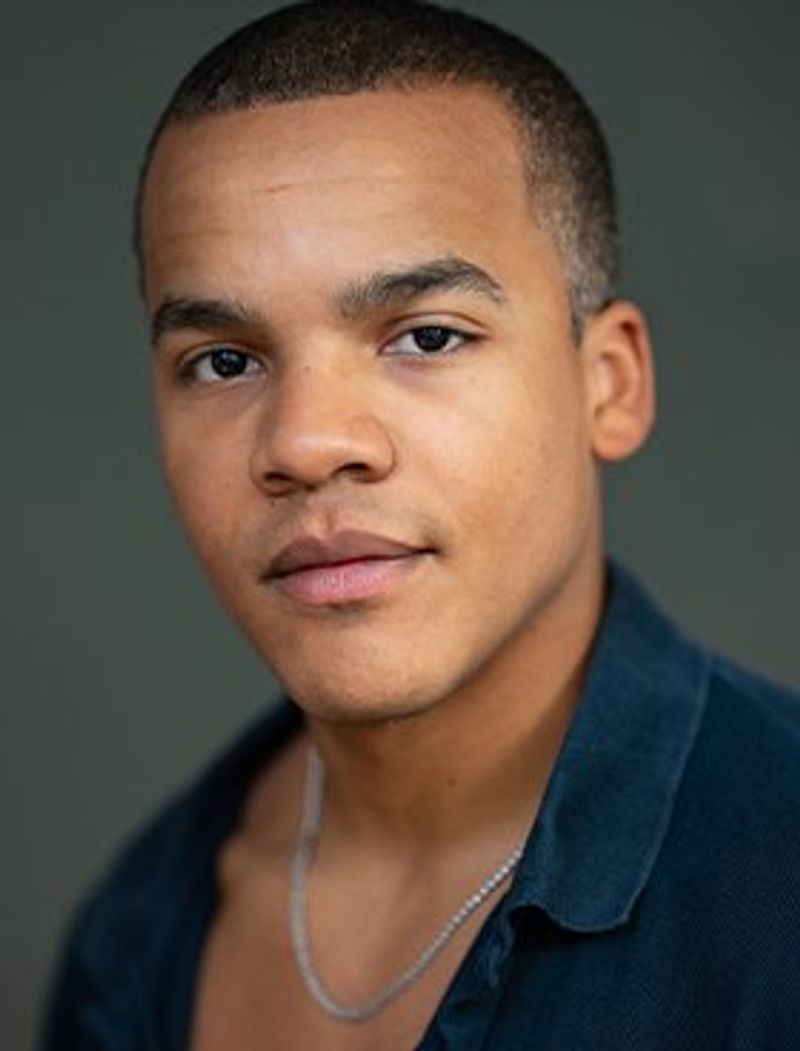
Mason Reeves plays Henry
How did the opportunity of taking it to Broadway originate?
Sergio Trujillo won the Tony for Best Choreography for Ain’t Too Proud and I told my agent that I knew he was the right person to do it because he was an immigrant who understood what it was like to be undocumented. It turns out he and his partner Jack Noseworthy also felt that my play was the right project for him to direct. I really believe this was all divinely orchestrated.

Aline Mayagoitia plays Itzel
How is presenting the musical on Broadway different than seeing it as a play or the film?
A musical just makes this story come alive, and what’s so great is that it’s the best from the film and the play with amazing dancing and incredible songs that grab an audience. There is so much laughter, joy, and tears all happening at the same time. It’s an intense and incredible roller coaster ride of emotions.
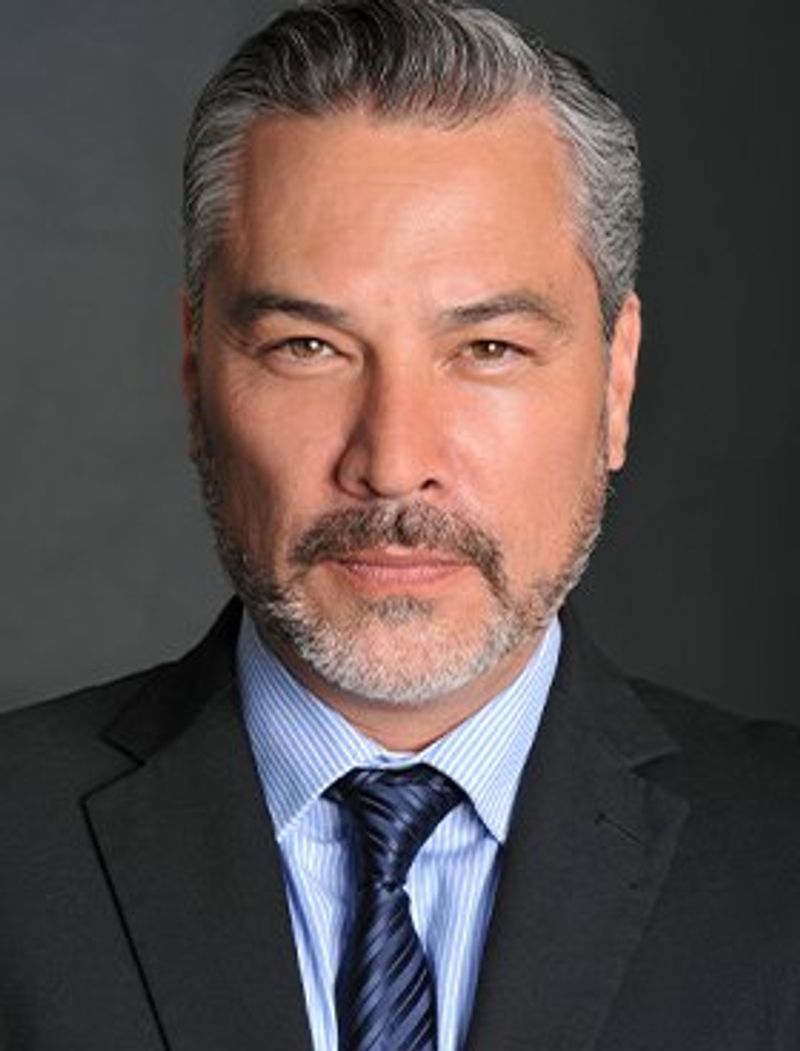
Mauricio Mendoza plays Raúl
Have you ever participated in an audience talkback after a performance of the play or the film? And if you did, were there a few comments that influenced you to change something about it?
I love audience talkbacks. I’m one of those playwrights who loves public speaking and answering questions and being challenged. I have mostly had audiences who love my work but on occasion I’ve had to put men with sexist ideas who try to mansplain me in their place. I once had a man who didn’t like that I dealt with domestic violence in the play with Pancha’s character. I told him, like I’ve told several men, “Why are you offended? If you are not an abuser who beats women, then I am not talking about you.” I’ve mostly had great talkbacks where people ask questions and make suggestions and I am always open to hearing them and taking suggestions if they’re going to help my plays become better.
.JPG?format=auto&width=800)
Jennifer Sánchez plays Rosalí
What’s up next for you?
I have returned to INTAR Theatre in New York City, where I was mentored 37 years ago, to teach free classes in playwriting to INTAR artists from April 7 – June 23, 2025 on Monday nights from 6:00 – 10:00 p.m.
Later this year, I am presenting the World Premiere of A 10-Minute Play Festival Celebrating the Life and Legacy of Los Angeles Dodgers Pitcher, Fernando Valenzuela and his impact on the Latino community, including a 10-minute play I wrote entitled Fernandomania Forever, to be presented at her CASA 0101 Theater in the Boyle Heights from September 12 – 28, 2025 in observance of National Hispanic Heritage Month. After that, the World Premiere production of my latest play, Electrico, directed by Corky Dominguez, will be presented October 10 – November 2, 2025.
My feature film 20 Pounds To Happiness (Eat. Love. Joy.), a companion piece to my film Real Women Have Curves, is in post-production. I served as Executive Producer and Writer of the film and Yelyna De Leon served as Producer, Director, and stars in it.
I am also developing a new musical with composer Jaime Lozano, and working on my autobiography, Real Women Have Courage. In addition, I am writing a new autobiographical play about my parents entitled, A Mexican Goodbye.
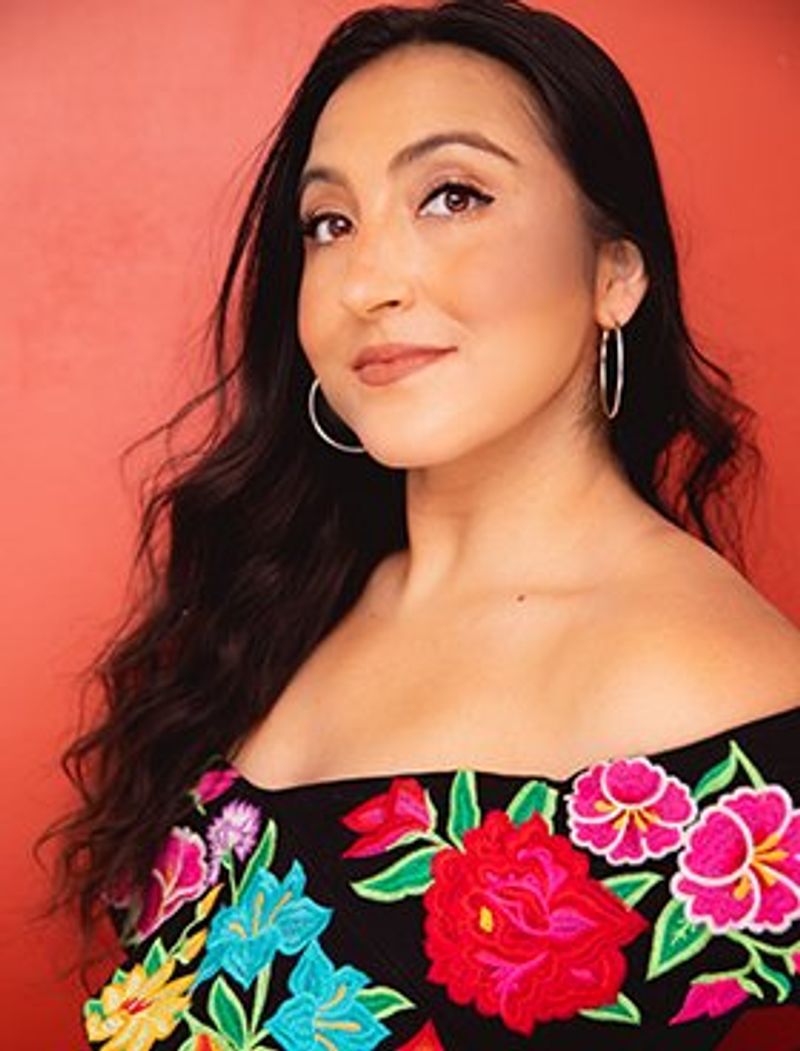
Shelby Acosta plays Prima Flaca
To say you are busy and super creative is an understatement. How do you find time to sleep?
I am a shaman-in-training and actually know how to bend time and get 12 to 18 hours of sleep in 5 hours or less. But I’m lucky that I have ADD and my mind can accomplish many things at the same time because I am constantly bored so my brain is constantly creating stories, solving problems, and coming up with ideas to keep me entertained and excited about life.
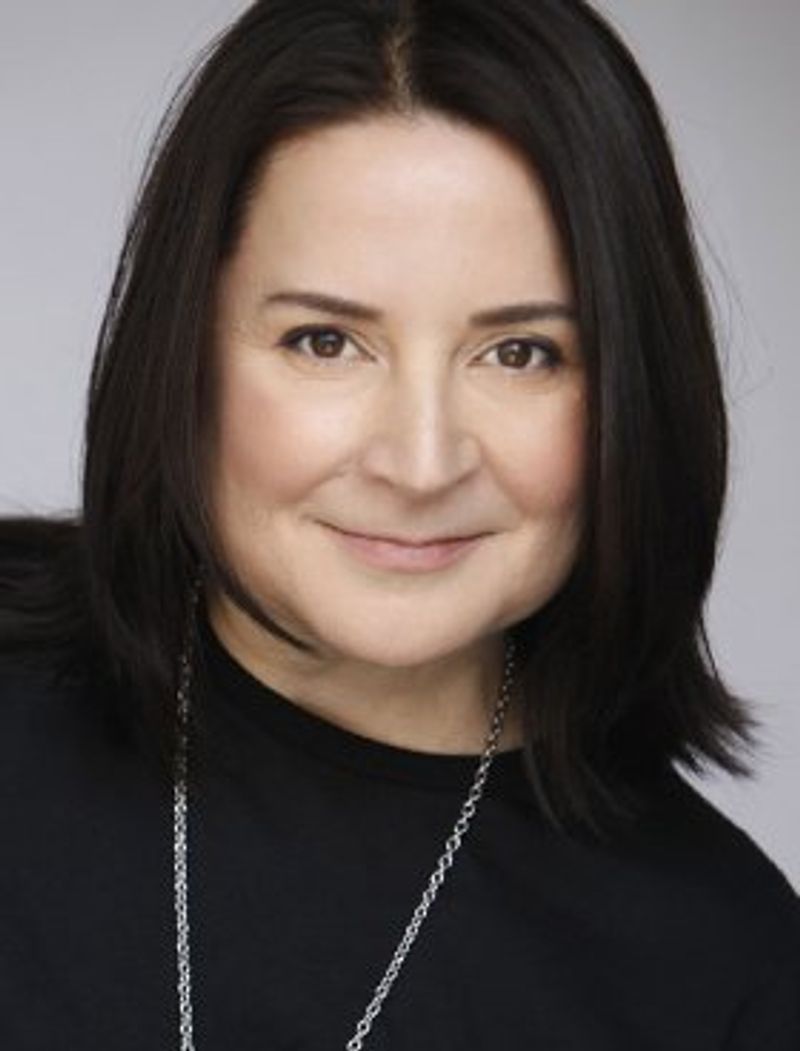
Sandra Valls plays Prima Fulvia
Is Los Angeles still your home? If not, where? And do you feel most comfortable writing there?
I live in Boyle Heights, Los Angeles, and am happy living in the neighborhood where I grew up. I love writing in cafés there.
Anything else you would like to add about Real Women Have Curves or yourself?
I’m happy that my story of being an undocumented immigrant can serve as inspiration to other immigrants and that my American Dream came true and theirs can too. I’m happy that this story can also educate people who know nothing about undocumented immigrants and hopefully they can be inspired to become allies for my community as we are being marginalized, ostracized, and made out to be criminals when we are just here for a better life and to contribute.
Thanks so much! And break legs – and box office records – on Broadway!
.jpg?format=auto&width=800) Josefina López’s original play, Real Women Have Curves, and the HBO film written by Josefina López and George LaVoo, are the source materials for an adaptation of the new Broadway show, Real Women Have Curves: The Musical, which will debut in New York at the James Earl Jones Theatre on Sunday, April 27, 2025. The musical is being produced by Barry and Fran Weissler and Jack Noseworthy, directed and choreographed by Sergio Trujillo, with Book by Lisa Loomer with Nell Benjamin, Music and Lyrics by Joy Huerta and Benjamin Velez, with Music Supervision by Nadia Digiallnardo and Casting by X Casting and ARC Casting.
Josefina López’s original play, Real Women Have Curves, and the HBO film written by Josefina López and George LaVoo, are the source materials for an adaptation of the new Broadway show, Real Women Have Curves: The Musical, which will debut in New York at the James Earl Jones Theatre on Sunday, April 27, 2025. The musical is being produced by Barry and Fran Weissler and Jack Noseworthy, directed and choreographed by Sergio Trujillo, with Book by Lisa Loomer with Nell Benjamin, Music and Lyrics by Joy Huerta and Benjamin Velez, with Music Supervision by Nadia Digiallnardo and Casting by X Casting and ARC Casting.

|
Good Night, Oscar North Coast Repertory (9/16-10/11) |

|
Catch Me If You Can Colony Theatre (9/17-10/18) |

|
Gershwin and the Golden Age The Soraya (10/11-10/11) |
|
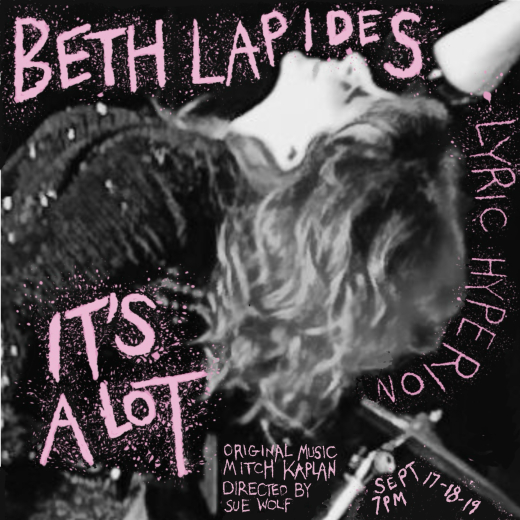
It's A Lot Lyric Hyperion Theater & Cafe (9/17-9/19) |
|
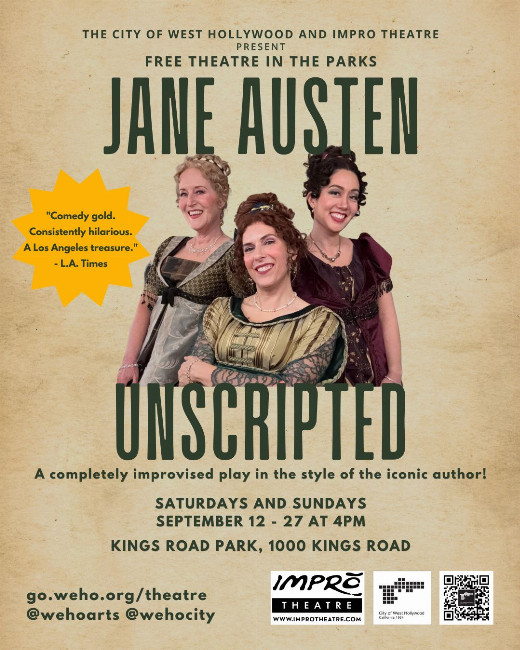
Jane Austen UnScripted Kings Road Park (9/12-9/27) |

|
Melt : The Play The Marilyn Theatre at the Lee Strasberg Institute (9/24-10/02) |

|
New Works Festival Shoebox Theatre (9/11-9/26) |
|
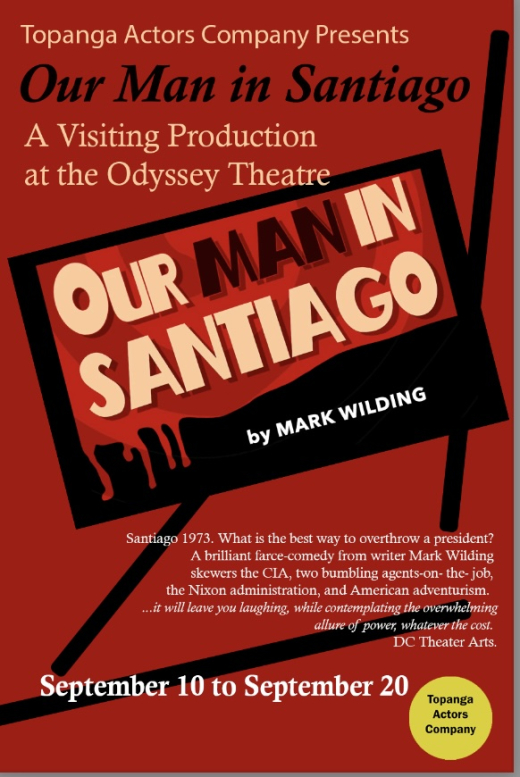
Our Man in Santiago by Mark Wilding Odyssey Theatre Ensemble (9/10-9/20) |

|
Worthy The Un-Erasable Solo Festival - Willie Agee Playhouse (9/12-9/25) |

|
Unleashed: True Stories About the Animals We Love James Armstrong Theatre (10/03-10/03) |
