


Review: LIFE OF PI at Hobby Center For The Performing Arts
The production runs until Sunday, August 24
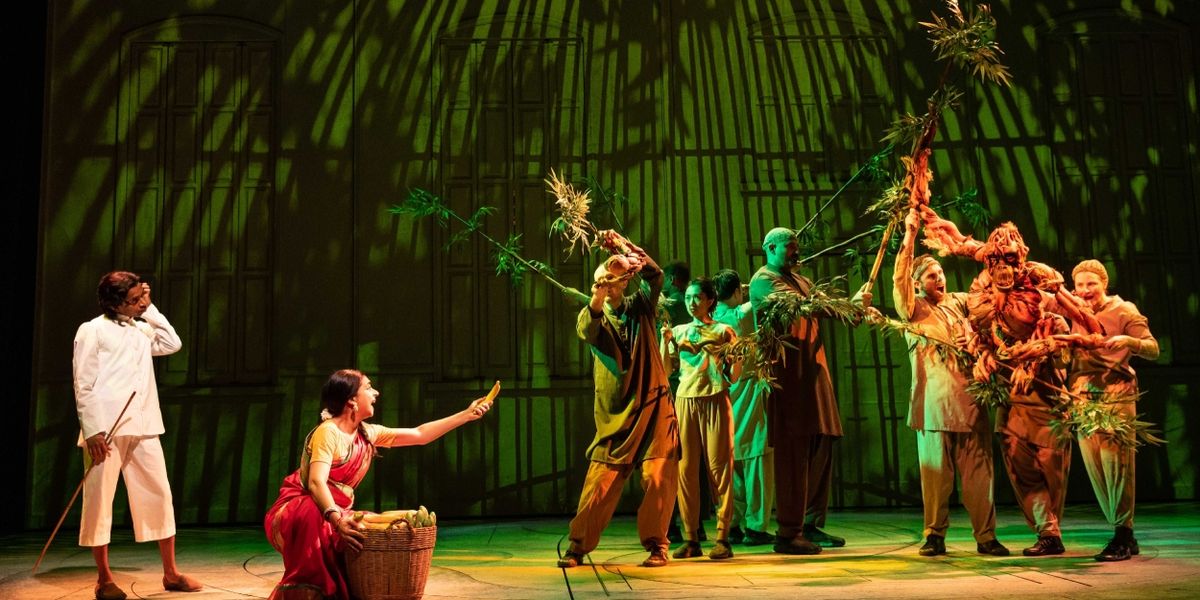
Brilliant projections, realistic animal puppetry, and a cast that seems to do the impossible are currently at the Hobby Center for the Performing Arts in Lolita Chakrabarti and Yann Martel's Life of Pi. The production, while a visual wonder to behold, is also one of the most head-scratching and perplexing forms of play to grace a Houston stage this summer.

Photo by Ellie Kurtz
Based on Martel's bestselling novel, Life of Pi tells the extraordinary story of sixteen-year-old Pi Patel, who survives a shipwreck and finds himself stranded on a lifeboat in the Pacific Ocean. His only companion is a fierce Bengal tiger named Richard Parker. As Pi struggles against hunger, storms, and fear, he must rely on courage, imagination, and faith to endure.
-%20Ellie%20Kurttz.jpg?format=auto&width=1400)
Photo by Ellie Kurtz
Where Life of Pi shines is in the design elements of this production. For anyone who has seen the revolving series of digital ads from the production, one can catch a glimpse of the design elements, and they are a sight to see visibly on stage. Videos abound of Tim Hatley's Scenic Design and Andrzej Goulding's Video and Projection Design, and it is obvious why. The marriage of these two design elements is especially seamless, and honestly, the best parts of this production. The other perfect marriage of design elements is in Nick Barnes Puppet Design, and Finn Caldwell's contributions to both the design and movement direction, also become the pièce de résistance. For those wondering, search for videos on your favorite video platform, and you will find a multitude of videos showcasing these wondrous elements.
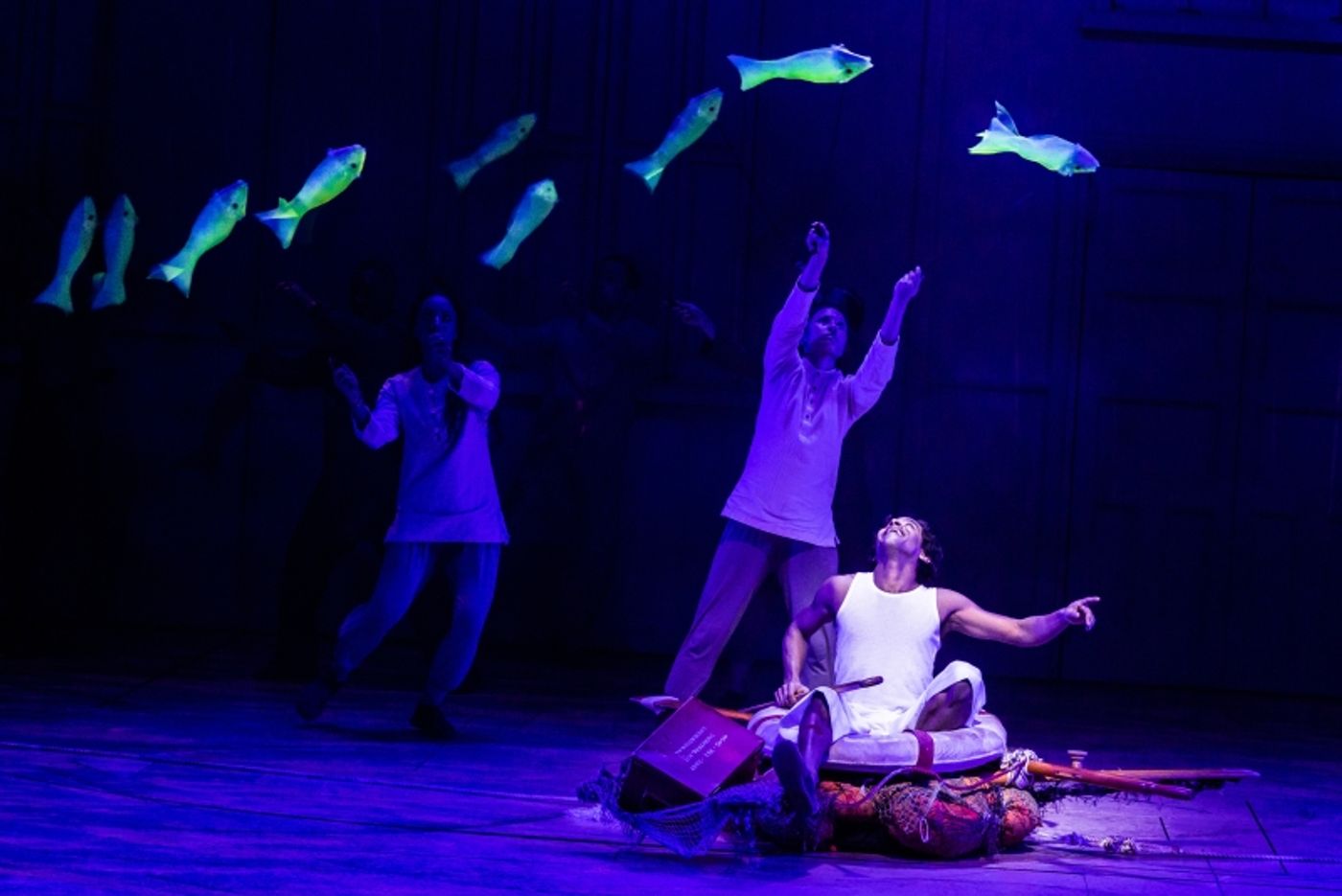
Photo by Ellie Kurtz
However, while all these design elements propel this production into stardom, the story itself by Martel and Chakrabarti is one of the most confusing and depressing ones one can experience in a theater. While the story revolves around the character of Pi (played first by Taha Mandviwala and a brilliant mid-show understudy Savidu Geevaratane), it honestly slowly and eerily becomes a story about cannibalism. It is crammed with so many plot holes. I sincerely thought I had missed something; However, this play has almost no pay-off. For example, there are multiple references to the story turning a non-believer into a believer in God or some spiritual faith. However, no denouement or outcome that will motivate someone to believe in the positivity of man. Instead, audiences are presented with fantastical lies after fantastical lies, which, while visually stunning, is heartbreaking and demoralizing.
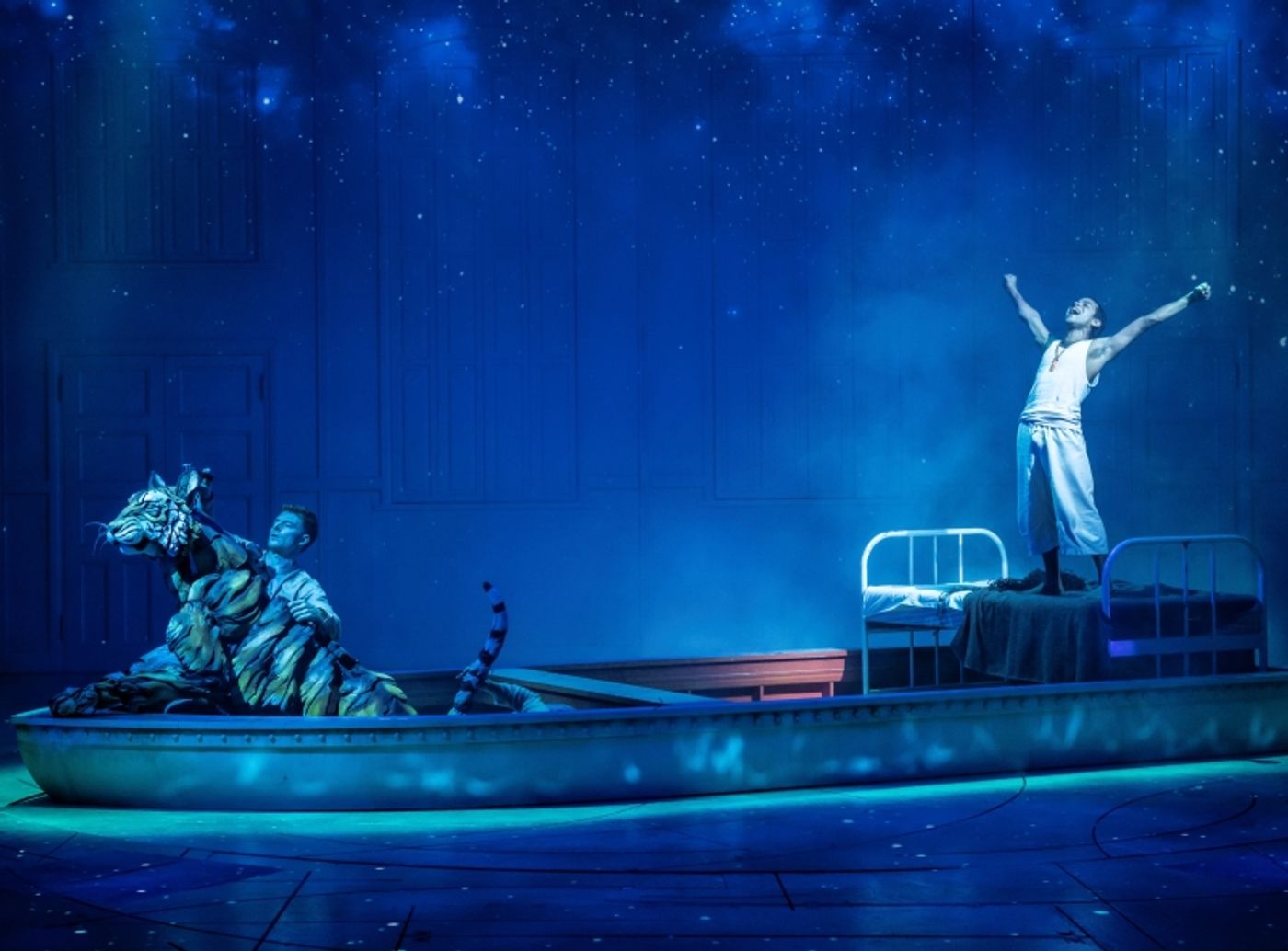
Photo by Ellie Kurtz
Performances in this toilsome play are well done, and the script's bafflement should not be attributed to the performances of both actors and the direction from Max Webster and Ashley Brooke Monroe. The script and story are a mess. As previously mentioned, Geevaratane is a youthful and jubilant Pi. Jessica Angleskhan portrays Pi's Amma beautifully, and can feel love emanating from their performance. However, special mention goes to the puppeteers and voice of Richard Parker, Oge Agulelé, Shiloh Goodin, Anna Leight Gortner, Austin Wong Harper, Aaron Haskell, and Ben Durocher. These performers deserve all the love in the world as they accomplish some incredible feats while managing both voice, movement, and a giant tiger puppet.
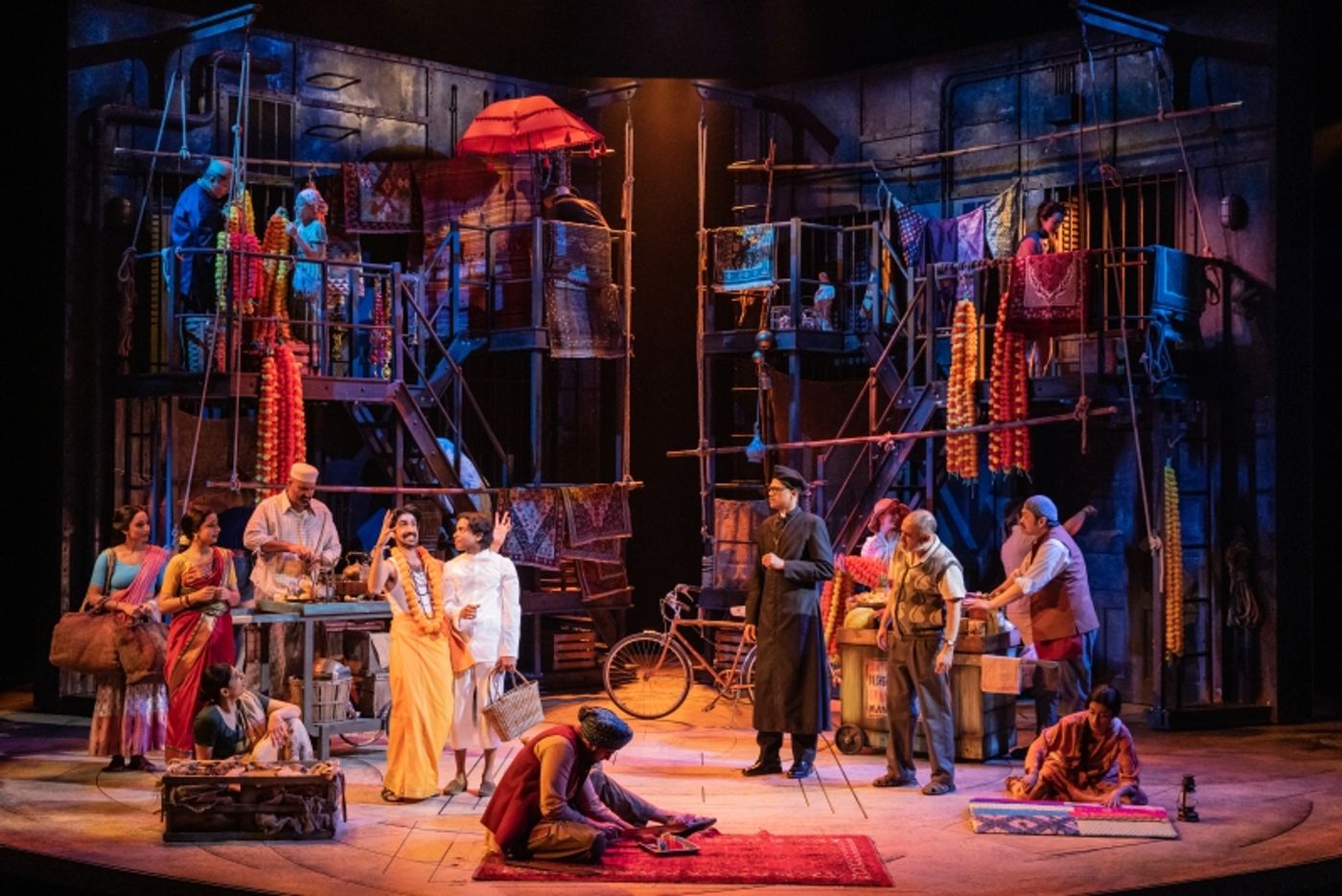
Photo by Ellie Kurtz
Would I recommend this production for viewing? To be honest, not really. While some elements were enjoyable from a technical perspective, ticket prices are way too high to justify an evening of head-scratching and later philosophical debate. This turmoil bugs me because stories of South Asian culture are so few and far between, and while I am usually one to uplift such stories, I can't comfortably tout this one as well-done. Here is hoping that future productions of this work can fix the narrative issues while maintaining the fantastic design elements.


|
Jesus Christ Superstar Deluxe Theatre (8/14-8/17) |

|
Hardy WhiteWater Amphitheater (11/21-11/21) |

|
Come from Away Stages (9/18-10/18) |
|
PROOF 4th Wall Theatre Company (9/11-10/03) |

|
To The Bone Theatre Southwest (5/28-6/19) |

|
Richard O'Brien's THE ROCKY HORROR SHOW Art Factory (10/16-10/31) |

|
The Tavern by George M. Cohan Theatre Suburbia (7/24-8/22) |

|
Anarkali Reimagined Luxtrium (10/22-10/25) PHOTOS |
|
Ride the Cyclone HITS Theatre (8/15-8/15) |

|
An Old-Fashioned Family Murder Theatre Southwest (9/11-10/03) |
Reader Reviews
To post a comment, you must register and login.