


Review: The JLCO's CONTEMPORARY JAZZ MASTERPIECES at Jazz At Lincoln Center
Wynton Marsalis blends tradition and present in a new showcase of current composers
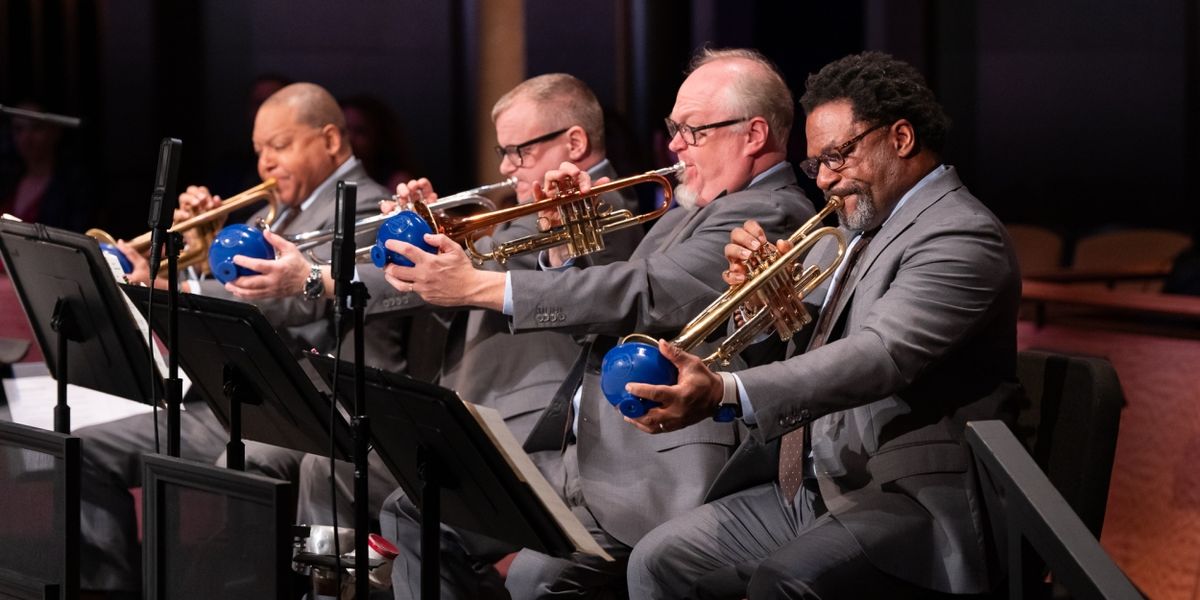
Wynton Marsalis is a longtime legend of contemporary jazz. His 1997 work Blood on the Fields, a three-disc-long oratorio about slaves escaping to freedom, was the first jazz composition (and first non-classical composition) to win the Pulitzer Prize for Music, paving the way for subsequent winners such as Henry Threadgill’s In for a Penny, In for a Pound, legendary saxophonist Ornette Coleman’s Sound Grammar, as well as the only non-classical, non-jazz winner, Kendrick Lamar’s DAMN. Since the start of his career in 1981, he has recorded over 100 albums of jazz and classical music, performed in over 60 countries, over 800 cities, and played over 4,700 concerts.
As a trumpeter, Marsalis’ playing is as sharp as it’s ever been. He can command the room with an expertly controlled instability, serenading the audience with frenetic New-Orleans-infused grooves. Other moments, he opts to play more to swing styles. At times he dips into his considerable familiarity with classical music, lending a more traditional sound to certain pieces. One can hear echoes of Sweets Edison and Ray Nance in Marsalis’ musicianship. The Jazz at Lincoln Center Orchestra (JLCO) was in fine form under his music direction. (Marsalis is also the Artistic Director of Jazz at Lincoln Center). Marsalis and the co-music director of the night, Steven Feifke (who also served as the concert's pianist), used the evening to showcase contemporary composers and their works, fitting them neatly into traditional jazz sensibilities. Duke Ellington and Charlie Parker loom large as influences on Marsalis as a bandleader, and nowhere is that more pronounced than the concert’s opening number, "Philadelphia."
Named after the home city of its composer, "Philadelphia" is a jaunty tune featuring some energetic bebop-esque horn work and an excellent saxophone solo. There’s a sense of possibility in the piece, evoking that feeling of strolling down a city street on a brisk day, fitting for a late April concert. Another piece of a similar theme is "Revived Mind," a composition from Korean composer Jihye Lee. The song, inspired by springtime, is perhaps the highlight of the show. It’s a warm piece, full of lush horns and soft woodwinds. The performance masterfully evokes a sense of calmness, a feeling of being in nature. The use of flute in particular adds a lightness that elevates the composition wonderfully. Marsalis and Feifke wisely placed the piece as the last song before the evening’s intermission, furthering that theme of renewal.
"Charles," written by George DeLancey and named as a tribute to his son, is a more contemplative piece, although not a somber one. Bassist Carlos Henriquez takes an excellent solo, driving the original groove to new and exciting places before bringing it back in line, enabling the rest of the ensemble to come back smoothly before finishing it. Another more contemplative note in the evening is "Ali Dell’Angelo," composed by Feifke. The work is inspired by the idea of a fallen angel. It seeks to explore that dichotomy, that change, that idea of a fall from grace and becoming something new. Winding piano arpeggios climb into the instrument’s upper ranges as if ascending a mountain before and crashing against the low rumble of the bass, as if to represent up and down, heaven and hell. The composition’s Italian name would translate into English as “angel wings,” appropriate for the epic composition.
Mimi’s March is a lighter piece. Japanese composer Miho Hazama was inspired by the particularly unique gait of a friend’s cat, and the piece thus features a playful bass groove. It’s an incredibly fun work that the orchestra handle beautifully. The piece is intentionally meandering at times, wisely providing space for the individual musicians in the orchestra to throw in their own little flourishes. Hazama herself later made an appearance on stage, much to the crowd’s delight.
Leo Steinriede’s "Blues ‘25," an aptly-named modern take on the classic 12-bar blues, is a perfect representation of the concert’s theme: the mixing of the contemporary and the traditional. The piece, commissioned by Jazz at Lincoln Center itself through the Arnhold Innovation Initiative, is fairly straightforward yet no less enjoyable. Notably, drummer Domo Branch gets a chance to shine with an excellent solo and some clever fills.
"Kinetic," another piece from Feifke, is as lively as the name would suggest. Staccato piano hits bounce off the brass horns’ melodies for a delightfully invigorating number. Frenetic horn solos (including one from Marsalis himself) make this a standout of the evening. The performance keeps the audience on their toes, drawing attention from one musician to the next and to the next, before finishing up with an extended baritone sax solo that drew much applause.
Overall, Contemporary Jazz Masterpieces with Wynton Marsalis and the Lincoln Center Orchestra is an excellent concert, showcasing fresh works that pay their respects to the classics. In a genre with so many big names that have gone down in history, it’s important to remember that jazz, as Marsalis has demonstrated time and time again, is still evolving, still innovating, and still swinging.
Header photo by Gilberto Tadday for Jazz at Lincoln Center
Learn more about the JLCO online here.
Find more tickets to upcoming shows at Jazz at Lincoln Center on their website here.

|
Flame: The Songs of Brady & Browne 54 Below (8/23-8/23) |
|
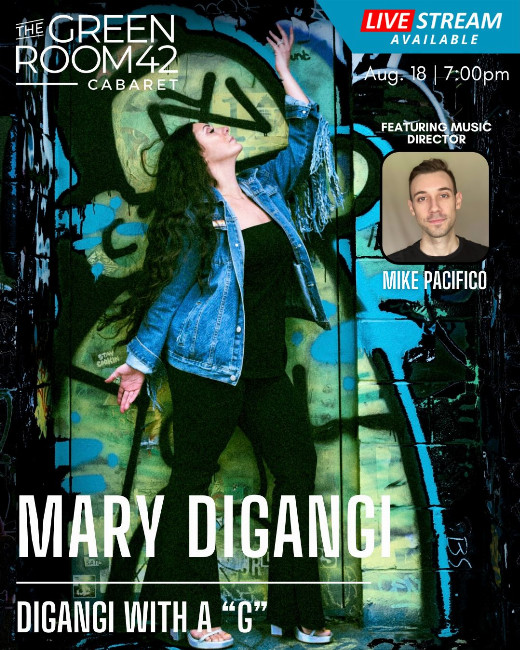
DiGangi With A “G” The Green Room 42 (8/18-8/18) |

|
Troy: Crooner to the Stars The Green Room 42 (8/21-8/21) |

|
It's All A Swindle Laurie Beechman Theatre (10/08-10/08) VIDEOS |

|
Darwin Del Fabro Sings Torch Songs 54 Below (9/27-9/27) |
|
Vidura Bandara Rajapaksa: The Paradise Gothic Tour Joe's Pub (10/23-10/23) |
|
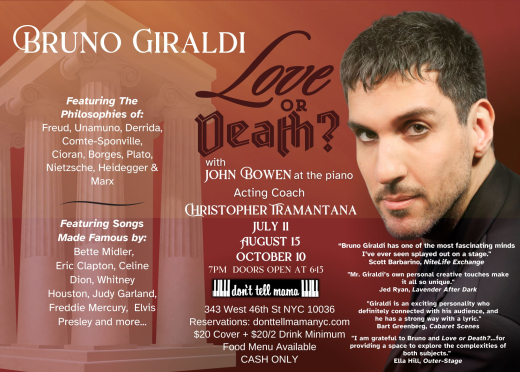
Love or Death? Don't Tell Mama (4/19-10/10) PHOTOS |
|
chocolate genius incorporated Joe's Pub (10/14-10/14) |
|
Habibi Festival 2026 Joe's Pub (10/08-10/08) |
|
Lionel R. Shockness: Awakening(s)…Mixologist to Psychologist Don't Tell Mama (9/27-9/27) |
Reader Reviews
To post a comment, you must register and login.