


Interview: Joy Behar Talks Finding the Humor in Divorce in MY FIRST EX-HUSBAND at The Huntington
The production runs weekends through September 28 at the Wimberly Theatre in the Calderwood Pavilion, Boston Center for the Arts.
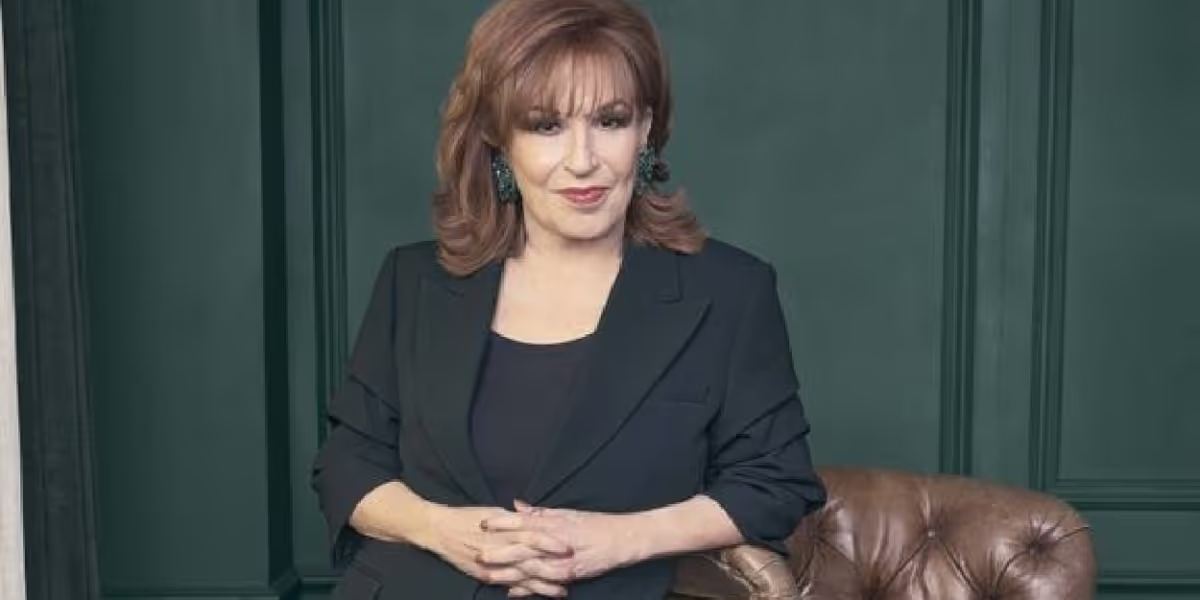
On ABC-TV’s top-rated daytime talk show “The View,” Joy Behar has a well-earned reputation as an insightful interviewer with a keen sense of humor.
That’s not surprising, because Behar is also known as a stand-up comedian and playwright. Behar’s play “My First Ex-Husband,” one of four comedies she’s written, is being presented at The Huntington’s Wimberly Theatre in the Calderwood Pavilion, Boston Center for the Arts, through September 28. The play – a series of eight monologues about failed marriages – was produced off-Broadway at MMAC earlier this year.
For its Boston engagement, where it’s being performed Fridays, Saturdays, and Sundays, the cast will include Behar (September 26-28), and film, television, and stage actors Veanne Cox, Judy Gold, Jackie Hoffman (September 19-21), and Tony Award winner Tonya Pinkins (“Jelly’s Last Jam”).
A panelist on “The View” since its 1997 premiere and a 2009 Daytime Emmy Award winner for outstanding talk show host, the Brooklyn-born Behar has an adult daughter and teenage grandson from her first marriage. On Zoom recently from her home in Manhattan, with second husband Steve Janowitz and dog Bernie nearby, Behar spoke about the play and more.
What gave you the idea to write this play?
It came to me years ago, in the early 1980s, which was about 10 years after the second wave of the feminist movement. There seemed to be an epidemic of divorces going on. We sort of woke up and it took us 10 years to do something. My girlfriends were getting divorced, and I got divorced. Finally, I said to one of my girlfriends, “Let’s talk about why we got divorced, what happened in our marriages, and let’s tape it for posterity.”
And one of my girlfriends, who has since passed away, was very clever and funny and she started telling me her story, and we were laughing and howling. It was then that I decided to transcribe the tape, because I was a very good typist. You know, in the old days, they used to teach typing. I remember when I was in junior high school, the teacher would go around and say, “Get off the table, Mabel!” when it was time for typing class to begin.
When you were done typing up the transcript of the audiotapes, what happened next?
I re-read the transcript and thought to myself, “This is so interesting.” And then I picked it up again and made it into a monologue, changing things around, making it more dramatic and adding humor that was missing, even though my friend’s story was pretty funny. And that was the end of that.
But it wasn’t the end, was it?
No, and it didn’t take me long to decide I had to interview somebody else. And it kept going like that because people would say, “Why don’t you talk to my friend, and also to so and so?” I ended up interviewing 15 different people, and culling it down from there.
During the writing process, were you showing the monologues to anyone else?
I started to bring them to a playwriting workshop I was taking. Both the teacher and my classmates liked them. They thought they were quite good and very interesting. It started like that and then, over time, it mushroomed into this show.
Back when you were doing stand-up comedy, did you ever do any of these monologues in your act?
I never did that with any of this material. These monologues haven’t been heard before, except in front of my class, and nowhere else. They’ve never been heard publicly until now.
Are you using the interviews verbatim or are they more of a stepping off point?
They're close to what the girls told me at the time, but you can't just use rambling conversation like we’re having now. You need to make sense of it. And the final monologue about the wife whose husband wants to have sex with her all the time is almost like a comedy bit. I really embellished that one. It is, however, based on the true story of a particular friend of mine whose husband is like that.
Is that couple still together?
Oh, yeah, they’re definitely still married. I can't tell you who either one of them is, obviously, but he came with her to see the show in New York and afterward I said to him, “Listen, this is not just you. There are a lot of guys like that.” He replied, “I got turned on just listening to it.” I thought that was very funny, and probably true, too.
I’ve seen the show a couple of times now and while it’s very funny, there’s also pathos. What prompted the decision to include both humor and emotion?
This is a theater piece, so you want to have both in theater. I still have a few that I could throw in there if I feel like I want to change it up a little bit, because some people come more than once, and different cast members bring different things to their performances. In the second week in Boston, Jackie Hoffman will be in for me, and her renditions of these stories are completely different from mine. Jackie will take up the slack, however, because she is very, very funny. In fact, Jackie, Veanne Cox who is doing the Boston run, and my Best Friend Susie Essman, who was with us off-Broadway, are three of my muses. They make me laugh like nobody’s business.
When you appear in the play, can you be just one of the actors in the company or are you always also there as the playwright, paying close attention to every word?
I'm so glad you asked me that question, because number one, when I'm sitting there, I'm thinking, I could change that. There's a line where one of the characters says, “No, he wasn't in China, he was right here in New York.” That’s a small little thing, but last week in Boston, it jumped out at me that she should say “He was in New York,” not “right here in New York.” And that was going on in my brain while I was sitting there listening to another actor just the other night.
From what I’ve observed, this play attracts audiences of all ages and genders. What kind of reaction does it get from men?
After the show, I like to talk to the men and ask them if they think that the show was male bashing? Most of them tell me that they didn’t see it that way at all. They'll say, “That's not me up there, I'm not like that.” Susie Essman says that most people have a narcissistic side to them, so as long as you're talking about them, they're happy.
Photo caption: Joy Behar photo by Jeff Lipsky.
|
Midsummer Dreamers Tina Packer Playhouse (9/01-9/03) |
|
The Book of Mormon (Non-Equity) Boston Opera House (6/22-6/27) |

|
Hamlet Tina Packer Playhouse (8/13-8/30) |
|
By Any Other Name SpeakEasy Stage Company (5/07-5/29) |
|
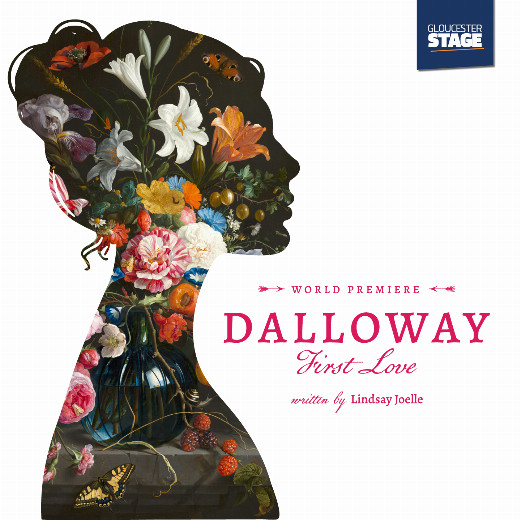
DALLOWAY: FIRST LOVE Gloucester Stage Company (8/13-8/29) |

|
Hadestown (Non-Equity) Emerson Colonial Theatre (11/10-11/14) |
|
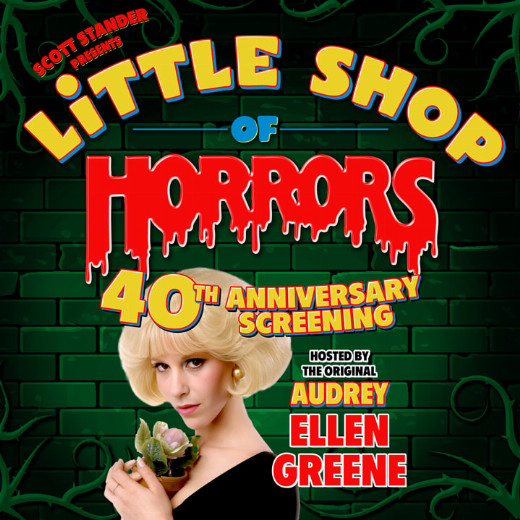
Little Shop of Horrors 40th Anniversary Tour with Ellen Greene (the Original Audrey) Emerson Colonial Theatre (8/28-8/28) |
|
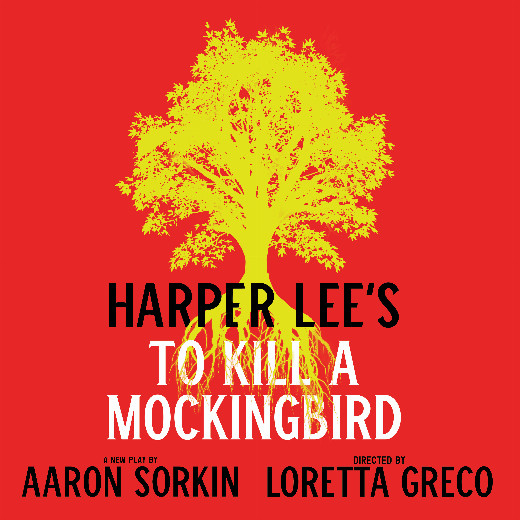
Harper Lee's To Kill a Mockingbird Huntington Theatre (10/08-11/08) |

|
CIVIL SPIES™ MIT Endicott House (9/17-9/17) |

|
Purpose Boston Center for the Arts (9/10-10/11) |