Learn to Waltz in NYC: Country Dance New York Hosts Workshop and Dance Event
Waltz workshops and live music event set for March 7 in New York City
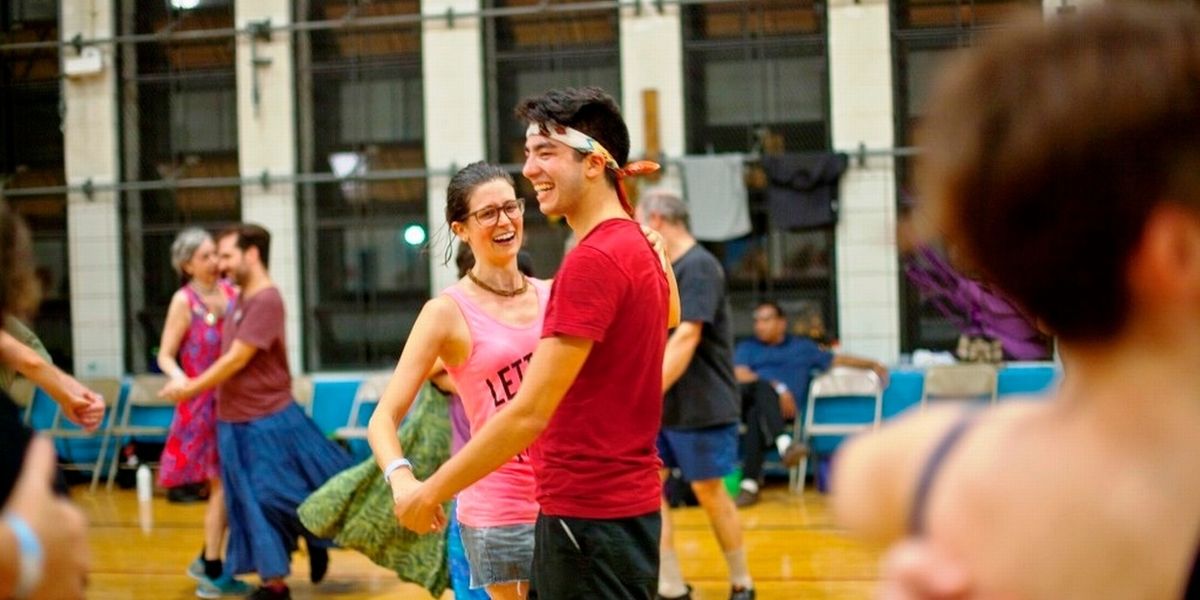
Country Dance New York will present A Day of Waltz, Contra & English Country Dance on Saturday, March 7, 2026, with live and lively music by three stellar musicians: Danny Elias, clarinet; Sam Zygmuntowicz, fiddle; Marco Brehm, bass; and Cynthia Shaw, piano. For dancers, no previous experience is required, and it is not necessary to come with a partner. All dances will be taught.
The welcoming, talented caller and dance instructor Gaye Fifer will teach the afternoon waltz workshops and, in the evening, walk everyone through the patterns of each contra and English country dance. Gaye makes the dancing fun for all. All the March 7 workshops and dances will be held at The Church of the Village, 201 West 13th Street, New York, NY.
Three waltz sessions are being offered followed by an evening contra and English country dance:
2:45pm – 3:45pm Advanced waltz workshop with Gaye Fifer
3:45pm – 4:45pm Beginner's waltz workshop with Gaye Fifer
5:00pm – 6:30pm Open waltzing for all to live music by Trip to Brooklyn: Danny Elias, clarinet; Sam Zygmuntowicz, fiddle; Marco Brehm, bass; and Cynthia Shaw, piano
Dinner Break
7:00pm – 7:30pm Contra and English country dance introductory workshop
7:30pm – 10:30pm Contra and English country dance with Gaye Fifer calling to live music from Trip to Brooklyn
Admission:
Waltz workshops: $8 for one or both workshops; open waltzing: $15 general public; Both workshops plus open waltzing: $20 general public;
Contra and English country dance (including introductory workshop): $20 general public, $10 students; Whole day: $35 general public; $10 for students.
Ask at the door about CDNY membership for additional discounts.
Gaye Fifer is an accomplished contra and English country dance caller and waltz instructor from Pittsburgh, PA. An active dancer herself, she understands the subtleties of making contra and English country dance moves and waltzes doable and satisfying for dancers. Her instructions are clear and concise, and her inviting smile and delightful sense of humor help to make dances she presents for all dancers.
Trip To Brooklyn combines 4 of NYC's leading contra and English country dance musicians (and one of the world's finest modern luthiers). They blend fiddle tunes, Klezmer music, and swing/blues – playing for contra dances and other events throughout the region. With fiddle and clarinet as the lead instruments, they will fill the dance hall with beautiful harmony, lively rhythms, and delightful dances.
The waltz is a smooth, progressive ballroom and folk dance, in triple time, performed primarily in closed position. Shocking many dancers when it was first introduced, the waltz became fashionable in Vienna around the 1780s. The waltz's immediate popularity carried it to many countries in the following years. It became popular in Britain during the Regency period and according to the Oxford English Dictionary was considered “riotous and indecent” as late as 1825. Over time, new types of waltz developed, including many folk and several ballroom dances. The contra waltz (free-form waltz) included in most contra dance evenings, uses both open and closed positions, and incorporates moves from other dances such as swing, modern jive, and salsa. Basically, the dancers progress around the room with a waltz step, but with no constraints on what moves they can use. Today, waltzes are extremely popular with dancers of all ages.
Contra dancing is enjoying a renaissance around the country, thanks to a thriving youth scene; the dance's lively, uplifting acoustic music; and its joyful, fast-paced, aerobic dancing. Contra dancing started in New England in the 1700s, but the modern version is a far cry from the Virginia Reel-type dancing done in schools years ago. The current dancing is done in lines of dancers facing their partners and moving briskly in patterns to live music, dancing with a partner and also with others they meet in the course of a dance.
English country dancing is choreographed community dancing ranging from court dances of the 1650s through dances composed this year. Jane Austen movies usually contain some kinds of English country dancing. But after centuries of development, English country dancing is hard to categorize. English country dances can vary from elegant to energetic, playful to solemn, and stately to boisterous.
Though English country dances are done in many formations, most begin with two couples facing each other, in a long line of couples. Under the dance caller's direction, these couples execute a series of movements together and then progress to greet a different couple, repeating the dance patterns with them, and so on. Through repeated progressions, dancers interact not only with their partner but with many others at the dance, and enjoy dancing to tunes by Purcell, Corelli, and other composers from the 17th to 21st centuries.
Further information on the Manhattan CDNY March 7 waltz, contra, and English country dance day can be found at www.cdny.org or https://www.facebook.com/share/1GMjNGasZR/.
Sign up for all the news on the Fall season, discounts & more...