


Interview: Drew Dir of THE 4TH WITCH at McCullough Theatre
I recently sat down with Drew and had a great conversation about their latest production, The 4th Witch, and the creative world that surrounds it.
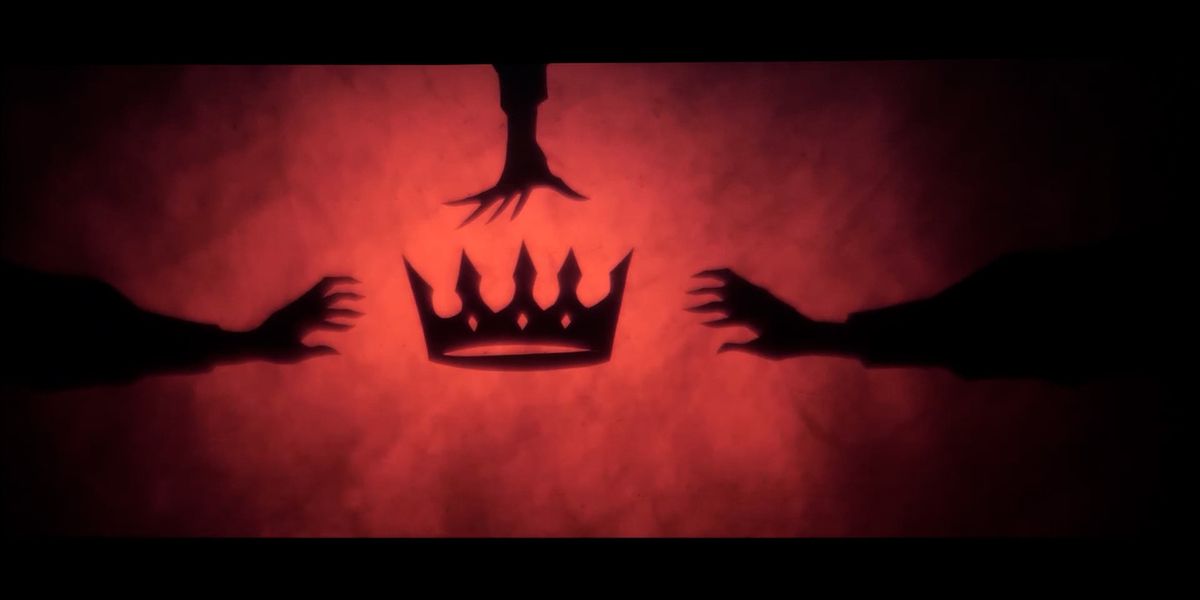
Manual Cinema is a Chicago-based collective that creates what can best be described as live movies onstage using shadow puppetry, hand-built miniature sets, silhouette performers, and original music all layered together in real time. Their work has toured internationally and is known for being visually stunning and emotionally grounded. Co-founder and playwright Drew Dir is one of the driving forces behind the company’s storytelling style, shaping the narrative arcs and the visual logic that make their pieces feel mythic, intimate, and strangely familiar all at once. I recently sat down with Drew and had a great conversation about their latest production, The 4th Witch, and the creative world that surrounds it.
BWW: Hey Drew! For those who aren’t familiar with your work, how would you describe THE 4TH WITCH?
DREW: THE 4TH WITCH is what we call a cinematic shadow play. It’s told through shadow puppets, silhouetted actors, and projections. There’s little to no dialogue or narration, and it feels more like a silent film accompanied by live music.
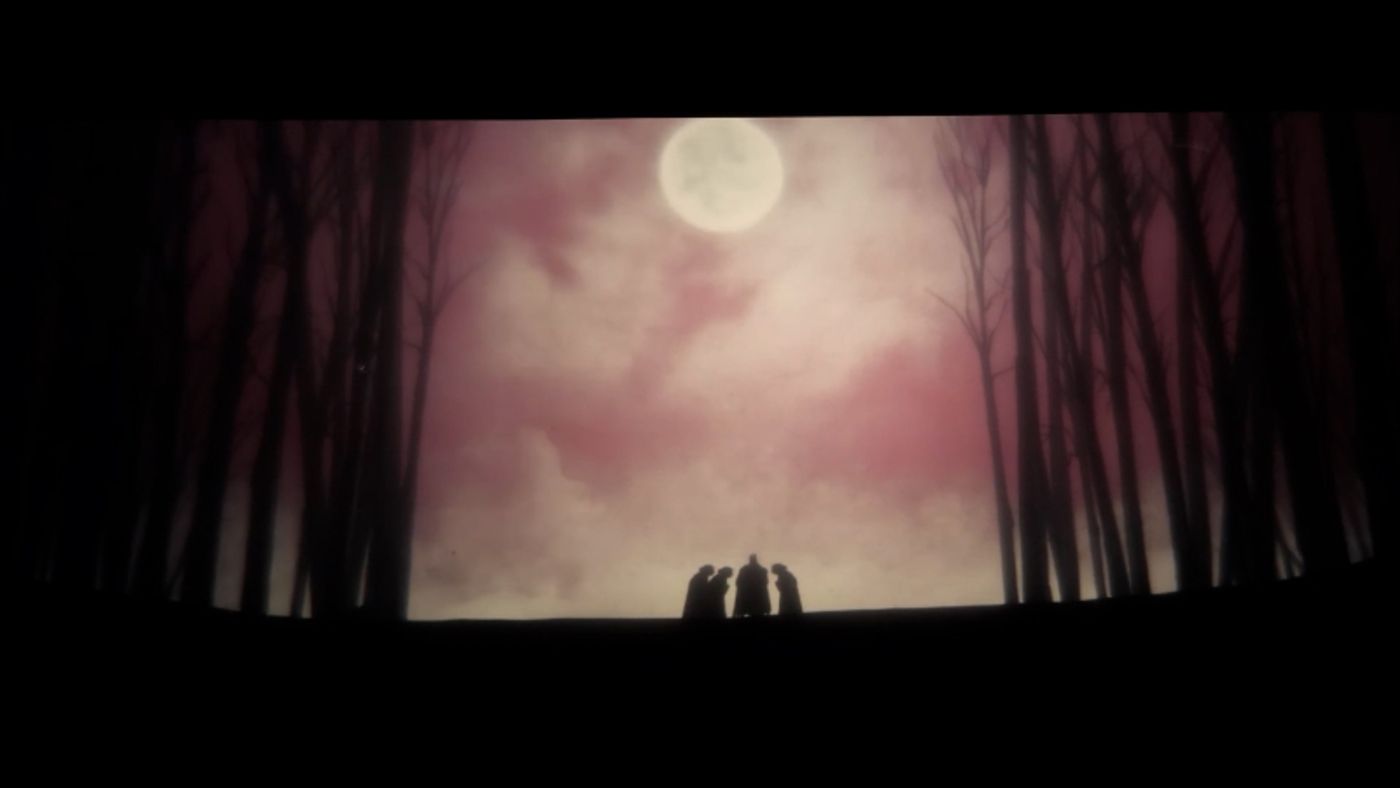
It’s a play about war and witchcraft, inspired by Shakespeare’s MACBETH. The story follows a young girl who becomes collateral damage in a war. She flees into a forest and is rescued by an old woman who turns out to be one of Shakespeare’s three witches. That’s the basic premise and how the story unfolds.
BWW: I can see how that connects with many influences influences, Shakespeare, literature, visual art, and storytelling. It’s really cool. Anything you’d like to add?
DREW: I’ve always loved Shakespeare and Renaissance drama. People have told us for years that Manual Cinema should do a Shakespeare play. We love Shakespeare, but so much of his work depends on language and verse, and our art form is about visual storytelling, telling stories without words.
For a long time we wondered how we could approach Shakespeare in our medium. MACBETH was the answer. Its imagery, atmosphere, and supernatural elements translate beautifully into visual language.
 BWW: That makes perfect sense. What inspired you to take on MACBETH specifically? Was there something about that story that drew you in beyond the visual possibilities?
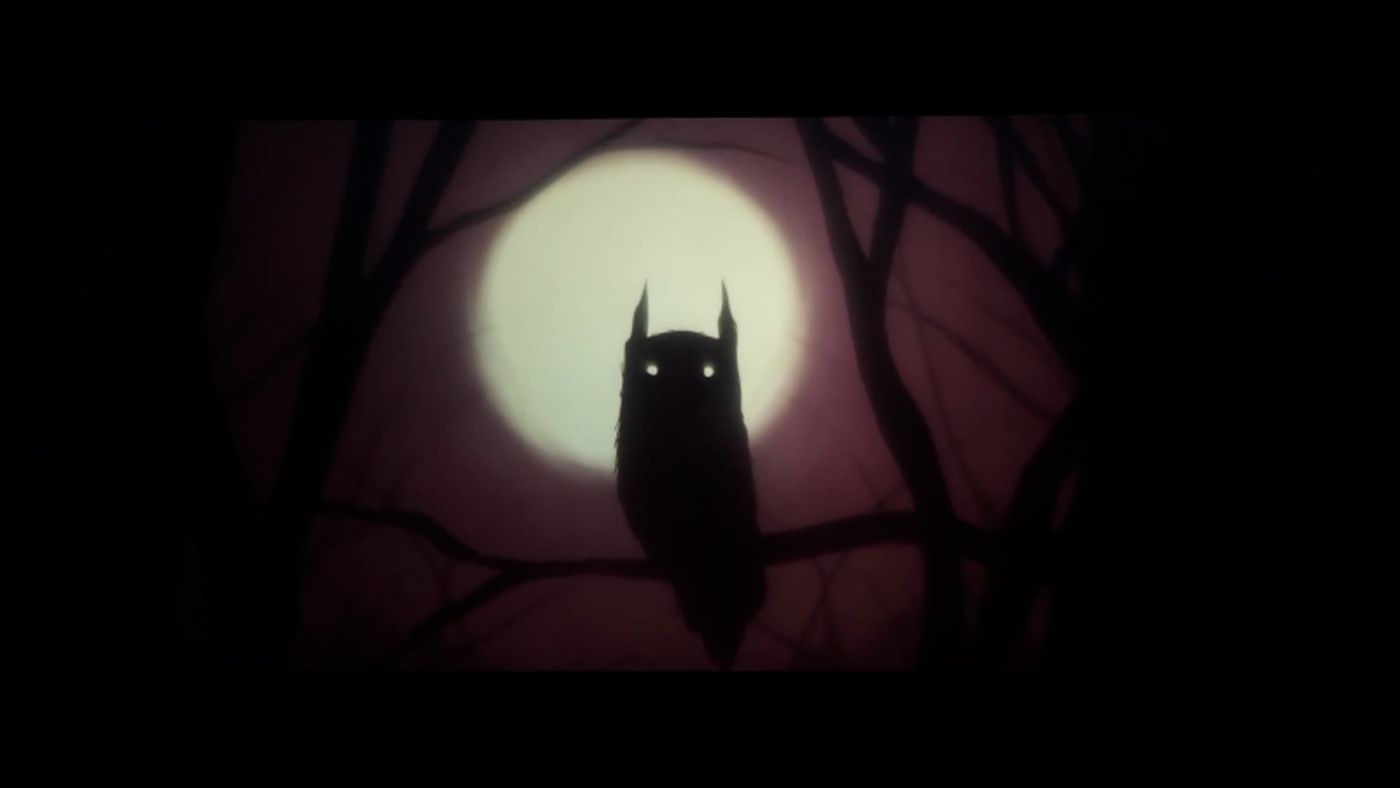
DREW: MACBETH is one of those plays that feels haunted by images. The witches, the fog, the forests that move, it’s all so cinematic already. We wanted to explore the story from a new perspective, so we asked what it might look like if one of those witches had her own story. That question led to the idea of this orphaned girl who meets a witch in the woods and learns from her. It’s still MACBETH, but told from the margins, from the point of view of someone who isn’t in the original text.
BWW: I love that. It sounds like it’s both familiar and completely new at the same time.
DREW: We didn’t want to retell MACBETH line by line. We wanted to capture its emotional essence, ambition, violence, and transformation, but to do it through shadow and sound rather than verse.
We also thought about how war and witchcraft often go hand in hand in stories like this. Witches have always been blamed for things they can’t control. That’s a theme we explore visually, using light and shadow as metaphors for power, fear, and misunderstanding.
BWW: That’s powerful. Did the story evolve as you started developing it visually, or did you have a pretty clear concept from the beginning?
DREW: It evolved a lot. We began with the idea of a young girl meeting a witch, but the rest came through experimentation. In our studio we project shadows on the wall, try different materials, and see what the light reveals. Sometimes the visuals drive the story more than the script. For example, one day we discovered that a single piece of fabric could represent both smoke and spirit. That image completely changed a sequence in the show. The process is always collaborative and a bit magical.
BWW: I love that sense of discovery. Manual Cinema has such a distinct way of working, with the mix of live music, puppetry, and projection. How did those elements come together for THE 4TH WITCH?
DREW: Collaboration is at the heart of everything we do. Our company has designers, directors, musicians, and performers who all bring different ideas to the table. Usually we’ll start with a rough outline, then build scenes in layers. The music comes in very early because it helps set the rhythm of the shadows and the pacing of the visuals.
For THE 4TH WITCH, we worked closely with our composer to create a sound world that feels both ancient and modern. There are live instruments but also electronic textures and environmental sounds. The score acts almost like another character, guiding the emotional journey.
BWW: It sounds like the music is doing a lot of narrative work.
DREW: Yes. Because there’s little or no dialogue, the music carries much of the storytelling weight. It signals shifts in tone, emotion, and time. It also helps the audience connect with the characters even when they’re just silhouettes on a screen.
BWW: You’ve mentioned before that Manual Cinema wants audiences to see how the magic happens. That’s such a fascinating approach, showing the process as part of the performance. Why is that important to you?
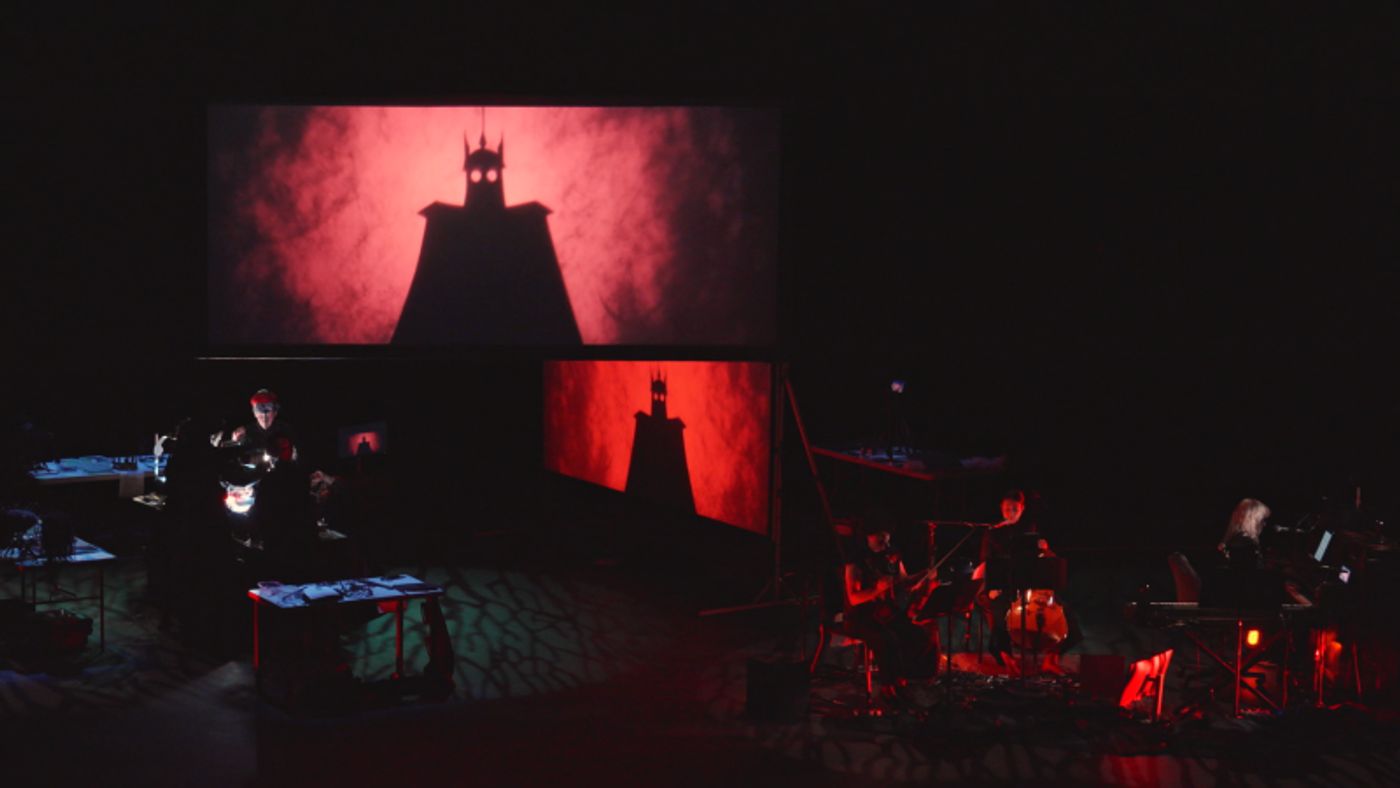
DREW: It’s something that’s been part of our philosophy from the beginning. We don’t want to hide the mechanics of the art form. When audiences can see the projectors, the puppeteers, and the musicians, it creates a shared experience of wonder. You see the trick, but it still feels magical.
It also invites the audience into the act of imagination. Instead of pretending something is real, we show them how it’s made and ask them to believe anyway. There’s a kind of intimacy and trust in that exchange.
.jpg?format=auto&width=1400) BWW: That’s beautiful. It reminds me of theater at its most elemental, where the storytelling itself is what draws you in.
BWW: That’s beautiful. It reminds me of theater at its most elemental, where the storytelling itself is what draws you in.
DREW: That’s why we love shadow puppetry. It’s one of the oldest forms of theater, yet it still feels immediate and fresh. When light hits a screen, it creates something ephemeral that exists only for that moment. In a world filled with screens and digital imagery, there’s something grounding about that simplicity.
BWW: Absolutely. And there’s something poetic about telling a story like THE 4TH WITCH, which deals with transformation, through such a physical and handcrafted medium.
DREW: Yes. THE 4TH WITCH is about creation and destruction, darkness and light. The medium itself embodies those ideas. Every shadow is born of both presence and absence. That duality is built into the story.
BWW: That’s such a striking way to think about it.
DREW: It’s why we keep coming back to shadow work. It’s simple, but it can express things words can’t. When you see a silhouette move across the screen, your imagination fills in the rest. That space between what you see and what you feel is where the story really happens.
BWW: You’ve been performing this piece for a while now. Have there been any moments on tour that really stood out to you, or ways audiences have surprised you?
DREW: One of the most rewarding things is seeing how different audiences respond emotionally. Some people are completely silent throughout, and then you can feel this deep exhale at the end. Others come up to us afterward and talk about how it reminded them of something personal, a loss or a transformation they went through.
We had one performance where a group of students came in not really knowing what to expect. Afterward, they said they’d never seen theater like that before, that they didn’t know shadow puppetry could make them feel something that deeply. That kind of feedback always stays with me.
BWW: I can imagine. There’s something universal about shadows and light that reaches beyond language.
DREW: Yes. Because it’s mostly visual, it works across cultures and ages. You don’t need to understand English or know MACBETH to feel what’s happening. That accessibility is one of the things we love most about this form.
BWW: Do you find that your audience is changing as more people discover Manual Cinema through streaming or online clips?
DREW: Definitely. Our work has reached people who might not have gone to a traditional theater performance. During the pandemic we did a lot of virtual adaptations, and that opened new doors. But live performance is still the heart of what we do. There’s no substitute for the energy in the room when everything clicks.
BWW: What kind of emotional experience are you hoping audiences take away from THE 4TH WITCH?
DREW: I hope they leave with a sense of wonder and empathy. It’s a story about grief, transformation, and finding power in unexpected places. The witch and the girl start as opposites, but through their connection they both change.
We also want audiences to feel the beauty of live performance. There’s something special about seeing how all the parts come together in real time, the shadows, the music, the performers moving between screens. It’s a reminder that storytelling is both ancient and alive.
Don’t miss Manual Cinema’s skillful performance of THE 4TH WITCH. It’s a rare chance to experience music, film, and theatre unfolding together in real time. Don’t miss it! There’s only two performances scheduled for November 15th at 2 pm and 7:30 pm at the McCullough Theatre.




|
Rock of Ages TexARTS (7/10-8/09) |

|
8th Fresh Squeezed Ounce of Opera dadaLab (7/17-7/25) |
|
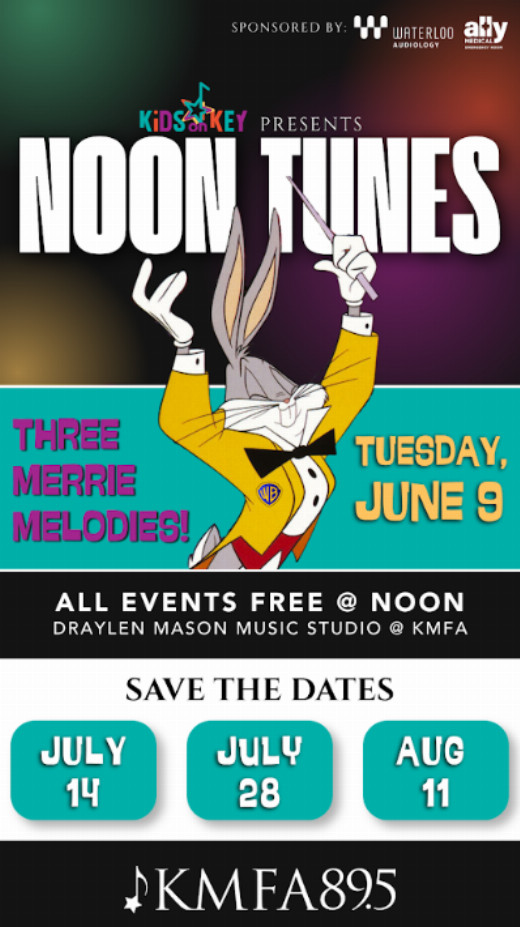
Noon Tunes: Critter City & Sing-Along Draylen Mason Music Studio at KMFA (7/28-8/11) |

|
Adobro’s Filipino-Fiesta-meets-Texas-Dancehall “Right Here, Right Now” Album Release Party on July 12 Adobro (7/12-7/12) |
|
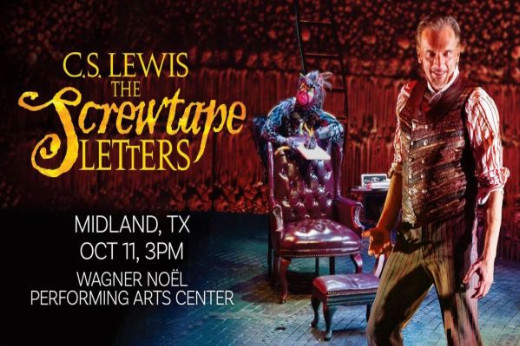
C.S. Lewis' The Screwtape Letters - October 11, 2026 Wagner Noel Performing Arts Center (10/11-10/11) |
|
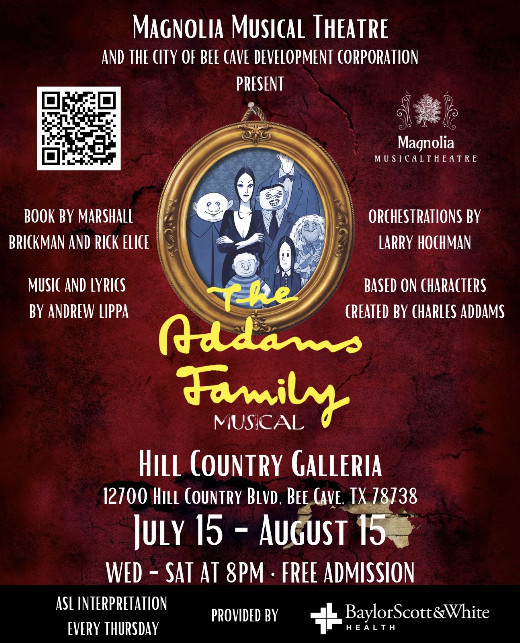
The Addams Family Magnolia Musical Theatre (7/15-8/15) |

|
Just Another Country Fest Big Mike's Studio Theater (10/08-10/08) |
|
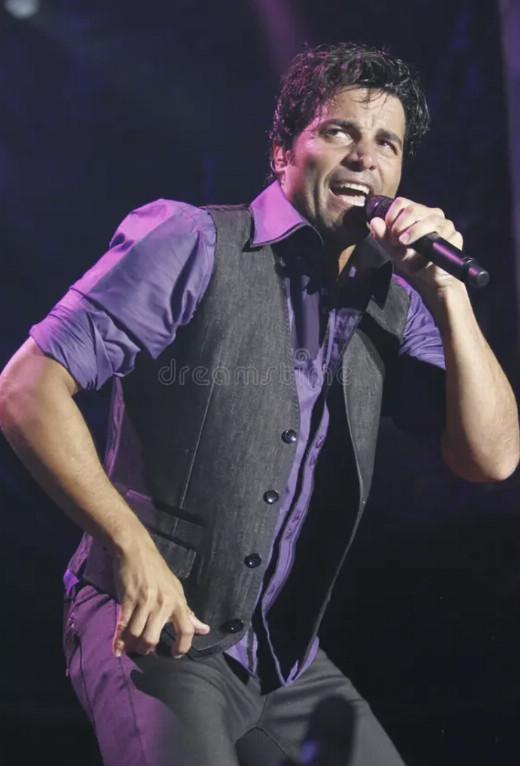
Chayanne Don Haskins Center (10/01-10/01) |
|
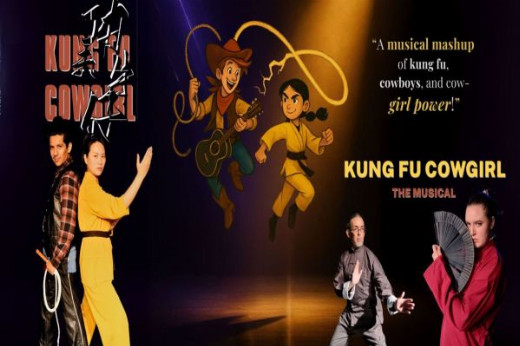
Kung Fu Cowgirl: The Musical Zilker Hillside Theater (9/03-9/13) |

|
& Juliet Bass Concert Hall at the University of Texas in Austin (7/14-7/19) |