


Interview: David Mendizábal of ALL MY SONS at Berkeley Repertory Theatre
Now through March 29th, 2026.
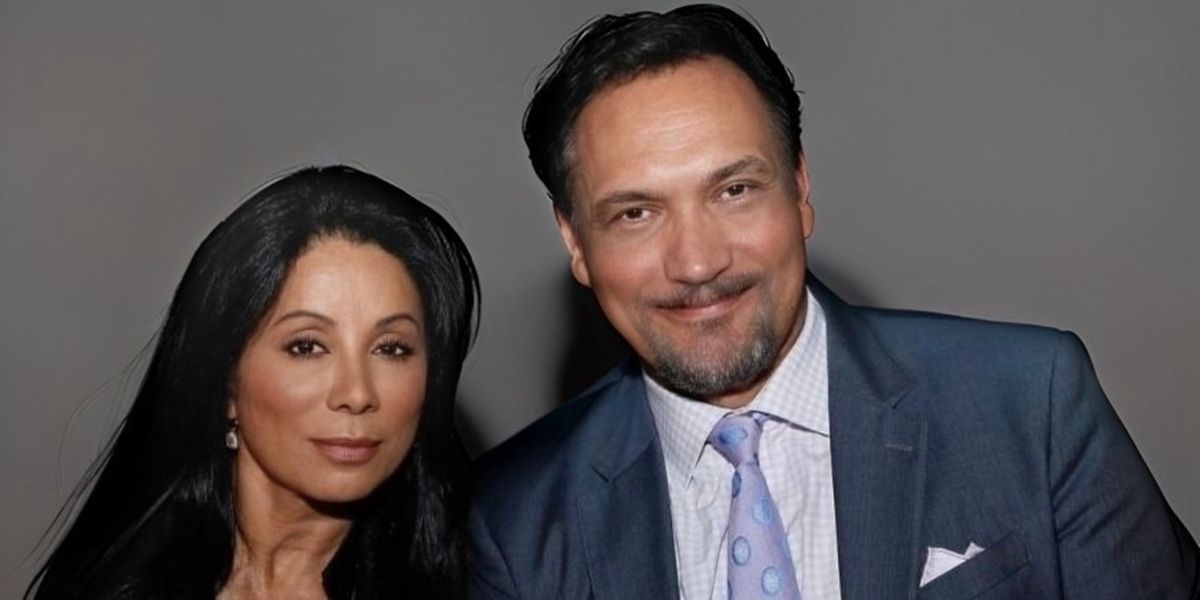
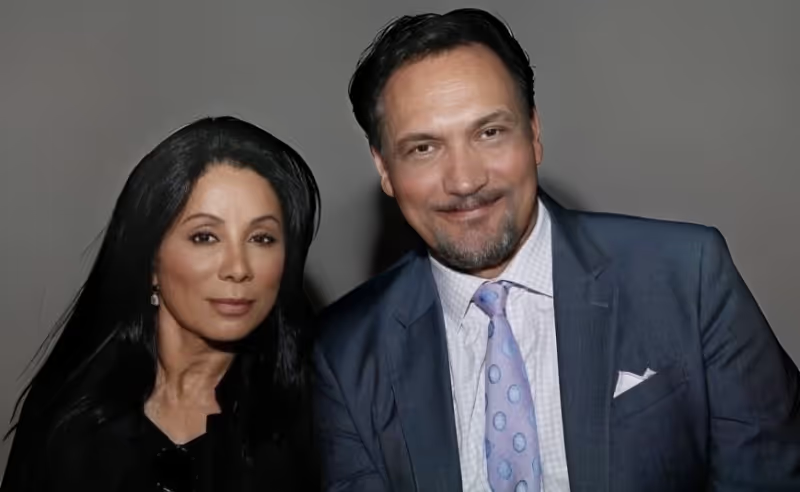
ALL MY SONS at Berkeley Repertory Theatre
Photo Courtesy of Berkeley Repertory Theatre
David Mendizábal is a Helen Hayes Award winning director, designer, producer, and the Associate Artistic Director of Berkeley Repertory Theatre. Mendizábal attended NYU Tisch School of the Arts at Playwright’s Horizons Theater. He has developed and directed works with Berkeley Rep, Baltimore Center Stage, Mosaic Theater, Roundabout Theatre Company, Soho Rep, Long Wharf Theatre, and the Magic Theatre. I recently caught up with David by phone to discuss his latest project at Berkeley Rep, All My Sons.
Why All My Sons? How did you go about choosing this play for the current season as Berkeley Rep?
While meeting with Johanna Pfaelzer (Berkeley Rep’s Artistic Director) to do our season planning. She asked me, “what’s next?” We are both very much new play people, but I found myself saying, “what if I did a canonical play?” I had pitched the idea of All My Sons to various theaters before, but Johanna was the first to be curious, to say, “tell me more.” In high school I had done a year-long research project on Arthur Miller. The themes of legacy, family, and responsibility were things I could see in my family. Viewing it through the lens of understanding race and class didn’t complicate the narrative, but expanded it.
When you first reread the script in preparation for this production, was there a particular line or scene that jumped out at you?
Yes. There is a scene at the end of Act 2 where Chris realizes what his father has done. The recognition of falliability, that parents are human is so real. The weight of responsibility - I built this for you. Who are you? Where did you come from? It’s all such an immigrant story.
Do you think the American Dream has changed since Arthur Miller wrote All My Sons in 1946?
The American Dream still exists in many ways, but also feels like reclaiming something that never was. With all the anti-immigrant feelings in the country right now, and the limitations in the bigger picture, it feels like it was written today. Looking at the intersection of race and class and who has access to the American Dream, makes you think about both the American Dream and the American Myth which feels more real right now.
What makes accountability and moral reckoning such an important theme in 2026?
I think what is more important is holding oneself accountable to your own values. Learning there is more than your own dreams, surpassing individualism. Just like in Mexodus (a play Mendizábal also directed at Berkeley Rep), there is “a universe of people” and we are all in this together. First comes internal reflection, then accountability.
Do you see Joe Keller as a villain, a product of his time or something else?
Not a villain. He is a tragic hero in a lot of ways and also a product of his time. There was a lot of pressure, and he was dealt some shitty cards. In his heart he did what he thought was best. It was the beginning of upward mobility, not just for his family, but for his whole community. There is a scarcity mentality, self-protection, and it’s complicated and messy. There is a desire to understand right and wrong, but they live in the gray.
Why was it important to bring Jimmy Smits and Wanda De Jesus back to Berkeley Rep for this show?
Jimmy Smits, “He is all of ours Dad.” As a Latinx he has played titans, broken boundaries and barriers. Wanda is a strong and fierce woman. She played the wife of a gang banger in Illegal Tender and holds the family together. Before I even knew that they had a background at the Berkeley Rep, there was alignment with the reimagination of All My Sons. They fit into the world we are creating. “This had to be.”
Do you think Bad Bunny’s Super Bowl Halftime Show changed people’s view on Puerto Ricans? Has it sparked interest in this production?
I love Bad Bunny so much (Mendizábal was wearing a Bad Bunny hat during the interview). Here on the west coast, so many immigrant stories are from Mexico and South America. But on the east coast where I grew up, they were Caribbean stories. Now it feels like the Puerto Rican community here is becoming more visible. It does feel timely, like something in the air, laser-charged, serendipity.
What do you hope audiences take away from the show?
I imagine many will have seen it before. So I just want them to be open to see the truth in it. I want All My Sons to make them think about today, their place in the community and who they feel they are responsible for. I want them to feel like it felt the first time, witnessing it together. I want it to shake something and break open something new for them.
For more information or tickets, visit www.berkeleyrep.org.shows.
|
Bye Bye Birdie Warren Theater (9/18-10/04) |
|
ELTON DOM: The Young Elton Experience Great Star Theater (9/10-9/13) |
|
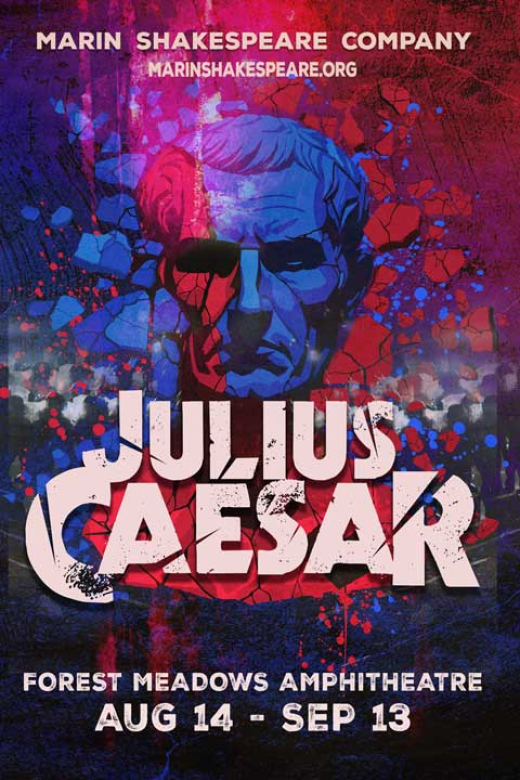
Julius Caesar Marin Shakespeare Company (8/14-9/13) |

|
Pickleball Hillbarn Theatre (8/20-9/13) |
|
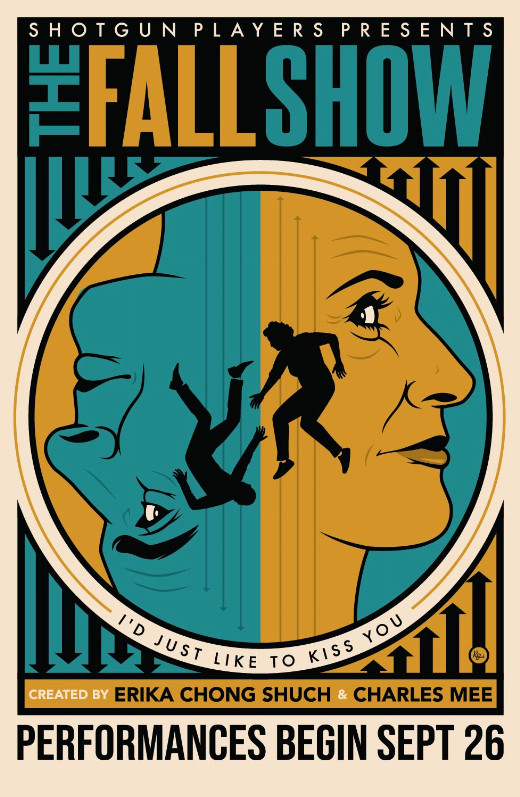
The Fall Show Shotgun Players Ashby Stage (9/26-10/25) |
|
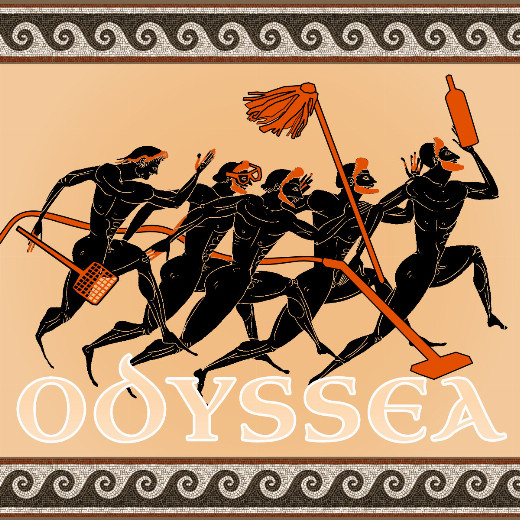
Odyssea We Players (10/08-10/18) |
|
Hadestown Teen Edition Berkeley Playhouse (7/10-7/18) |
|
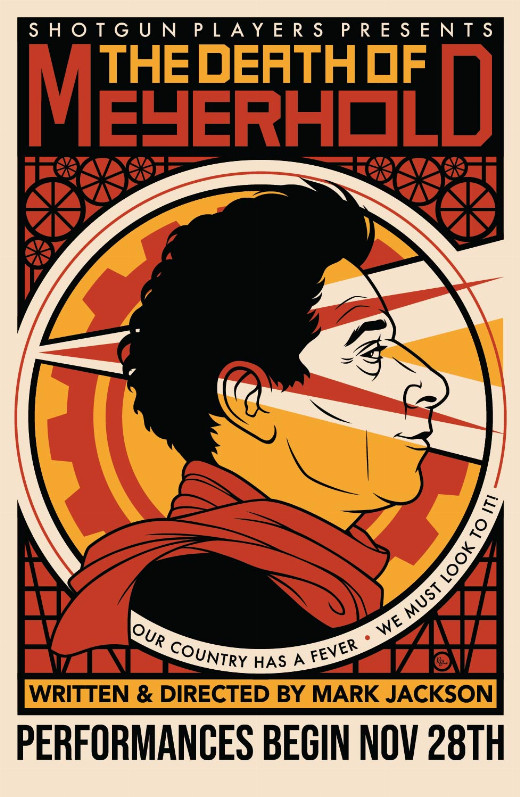
The Death of Meyerhold Shotgun Players Ashby Stage (11/28-1/01) |
|
“HOME” San Francisco Conservatory of Music, Bowes Center (4/09-4/09) |

|
Dream Hou$e City Lights Theater Company (5/13-6/06) |