


Review: WE ARE THE LIONS, MR MANAGER, Sands Film Studios
A forgotten story of a strike resonates over half a century
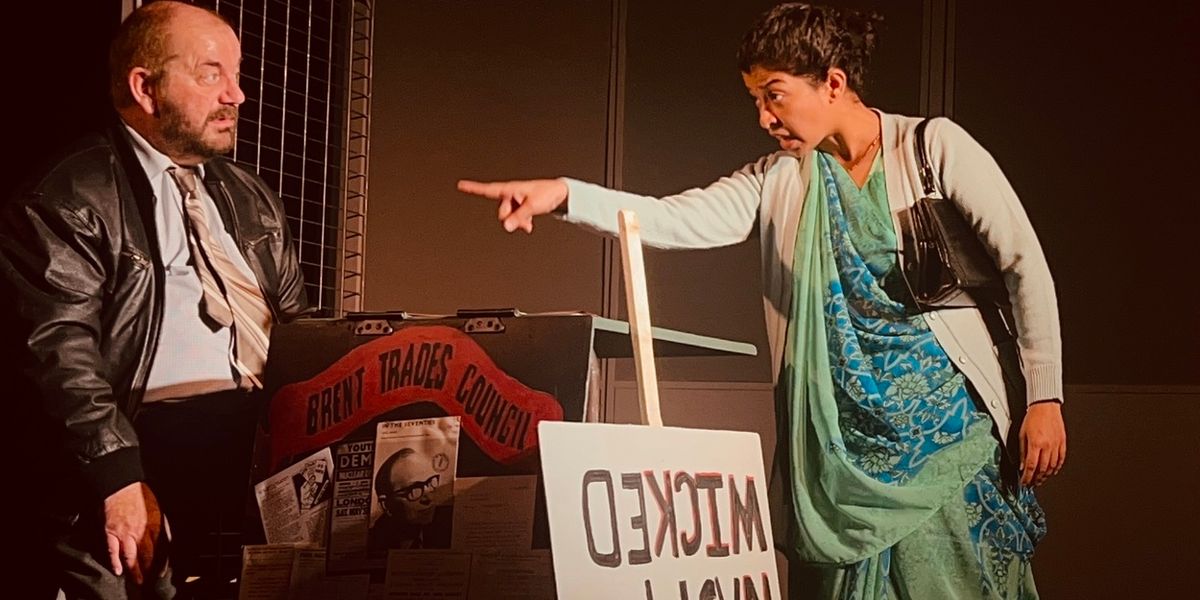
 In the scorching hot summer of 1976, I was watching the England cricket team, whose South African-born captain had promised to make the West Indians grovel, lose to their opponents’ combination of skill, controlled aggression and a ferocious will to win. I was vaguely aware of news reports and newspaper front pages about Grunwick pickets (neither word was familiar), where another group of people who did not look like me refused to grovel and were fighting back. Fifty or so years ago, it was unusual to see black and brown faces on television - outside Top of the Pops - and it was back to normal the next summer with the Queen’s Silver Jubilee.
I can recite the names of the cricketers of the Caribbean to this day, but I’m hazy on the big set piece industrial dispute of the mid-70s because, unlike the one in the early 70s, it didn’t involve blackouts and unlike the one in the late 70s, it didn’t involve rubbish piled up in Leicester Square. But ‘Grunwick’ mattered then (and matters now) and Neil Gore’s love letter to its leader, Jayaben Desai, rescues it from obscurity. That it ended in a formal defeat is not important (if us on the Left could only write about our victories, the shelves would be rather bare), its lesson of enfranchisement and empowerment lives on… and remains under threat.
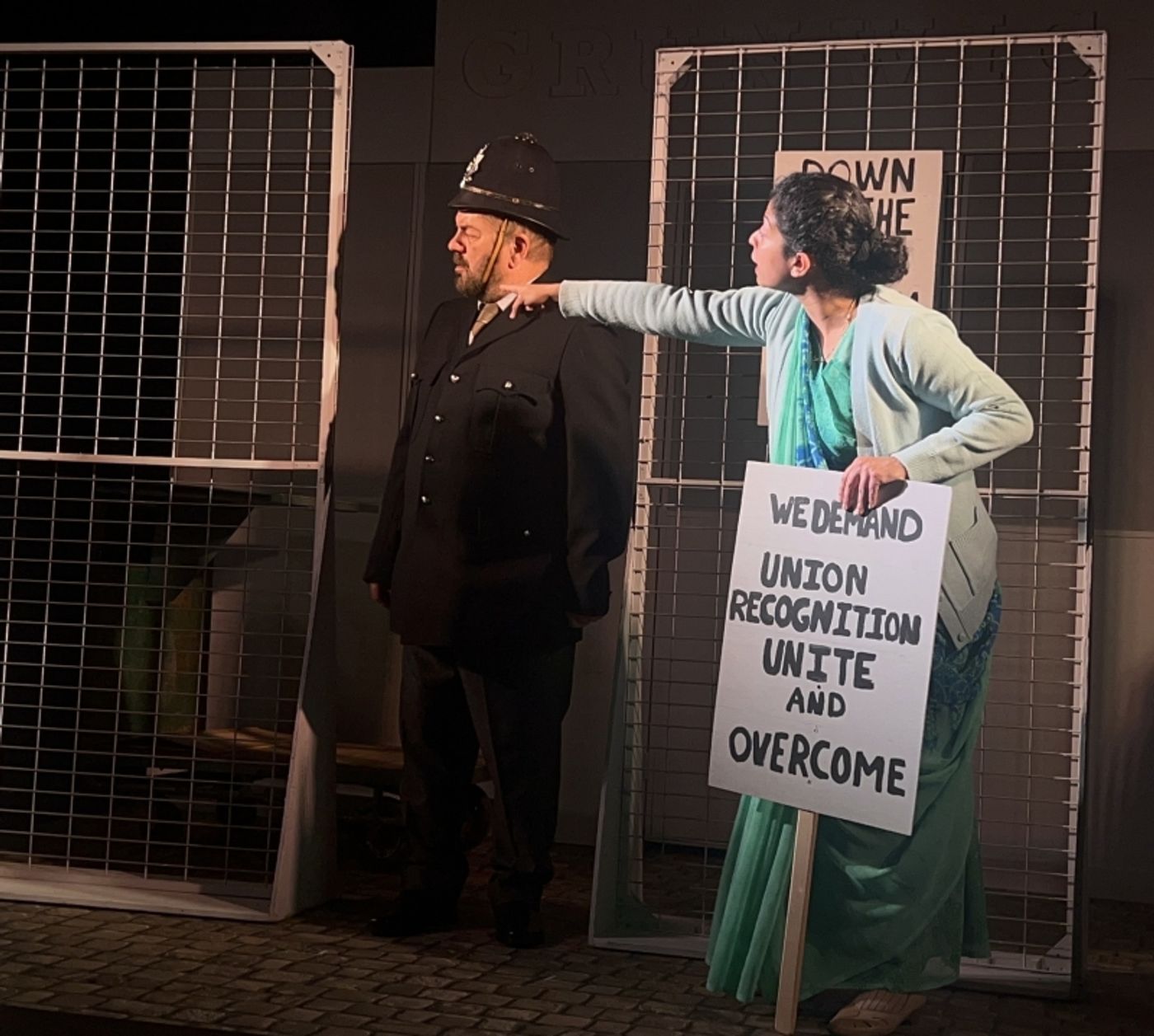
We Are The Lions, Mr Manager! from Townsend Theatre is a touring production that must do a lot with not very much - and it does. The set, supplemented by a few wheeled pieces of stage furniture and some well-judged back projection, suggests a dismal factory floor, a bleak trade union support organisation office, a picket line at the gate and, gloriously, the dream of Gujarat, the Indian state to which most of the workers traced their roots, often via East Africa. The backdrop of colonialism’s brutal displacement of persons from their land is never far away.
Poverty wages, compulsory overtime and a bullying workplace culture was the lot for the exclusively Asian, largely female workforce at the photography processing plant in North London. Its co-owner, George Ward, was of Anglo-Indian extraction, born in New Delhi in 1933, the son of a wealthy accountant, so he knew which buttons to press to keep the women fearful and docile in the face of such abusive practices. It could never happen now due to the Human Rights Act, but… well, watch that space.
Mrs Desai is mad as hell and not going to take it any more, so she walks out and leads a strike with the demand that Grunwick recognise a trade union, the means by which the workers can assert their collective bargaining power. The scenes of the daily picketing become a cause célèbre on the Left and the Right - workers fighting back or wreckers destroying a business? Stir in issues concerning race, gender and public order, and you had a heady brew indeed.
Gore’s writing (interspersed by the rallying songs of Jack Warshaw and Leon Rosselson) is unabashedly partisan, but never as outrageously biased as the usual suspects in the press once were. He plays a range of male characters too, often breaching the fourth wall and getting laughs from some outrageous behaviour and lines.
The heavy lifting is undertaken by Rukmini Sircar, who handles exposition, character development and an emotional rollercoaster as the strike blossoms before the inevitable mobilisation of state forces provokes the sell out. She captures Mrs Desai’s wit and fortitude, her easy charisma and her spiky attitude perfectly without ever suggesting that this educated, middle class woman became a firebrand of the revolutionary working class - there’s a late clip of Arthur Scargill to show what that looks like. Director, Louise Townsend, struck lucky with that piece of casting and gets a wonderful performance as a reward.
If the play sags a little in the second half as bravery gives way to bureaucracy, that’s forgivable and at least we don’t get a cod Evita on the Balcony scene as I did years ago in Made in Dagenham. If the strike did not succeed in its aims, it did change the landscape around rights and racism leading, eventually, to the gains of the Blair years.
What gains, I hear you scoff? Well if the Right win at the next general election, the landscape of the workplace will soon look quite a lot like it did 50 years ago. That’s when you’ll find out.
We Are Lions, Mr Manager is on tour
Photo images: Townsend Theatre Company






Reader Reviews
To post a comment, you must register and login.