


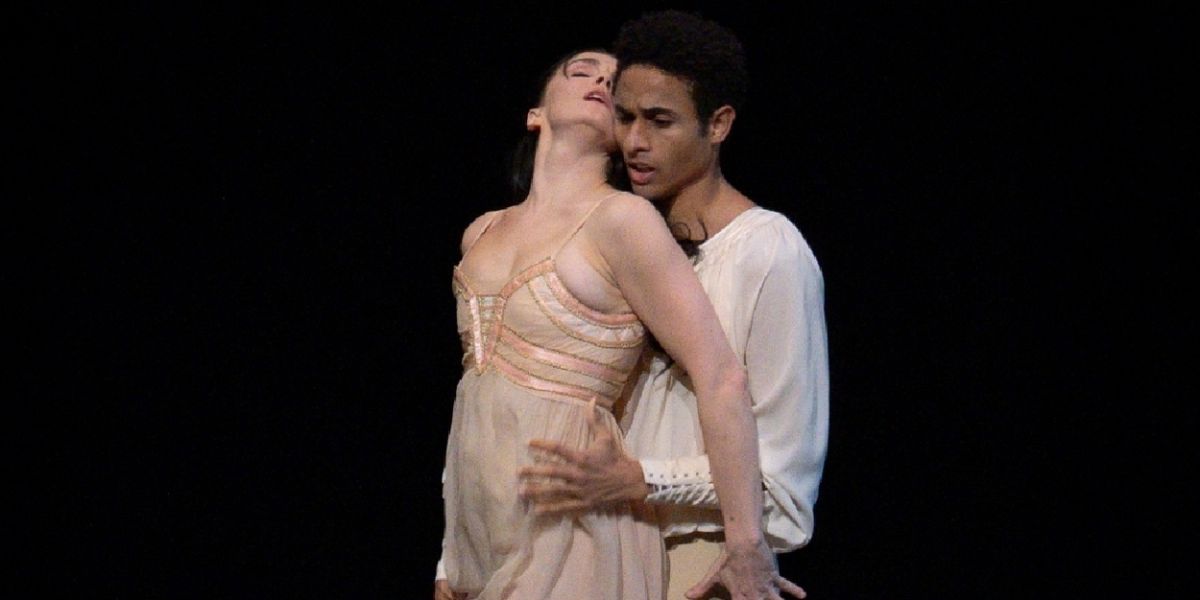
 Considering Kenneth MacMillan’s production of Romeo and Juliet is 60 years old and it looks as fresh as a daisy. This is no mean feat. As when a company is familiar with a ballet it can become stale before you know it - but this absolutely isn't the case, so bravo to all involved.
I'm quite sure conductor Martin Georgiev has a lot to do with the abundant freshness, as the way he conducted the unparalleled Prokofiev score brought it even more to life than usual. I adored all of his tempo choices…but there was definitely the odd moment where the dancers were verging on struggling to keep up. I hope Georgiev doesn't relent - as the pace is very much keeping the narrative, and consequently the work alive.
The world doesn't need another review of the ballet, as its place in history as one of the narrative greats is more than secure, however it's very interesting to see new dancers in the roles, or existing ones taking interpretations to new places.
The Cuban dancer Patricio Revé is guesting as Natalia Osipova's Romeo - and as he's been tucked away at Queensland Ballet, it's wonderful to experience his dancing on the ROH stage.
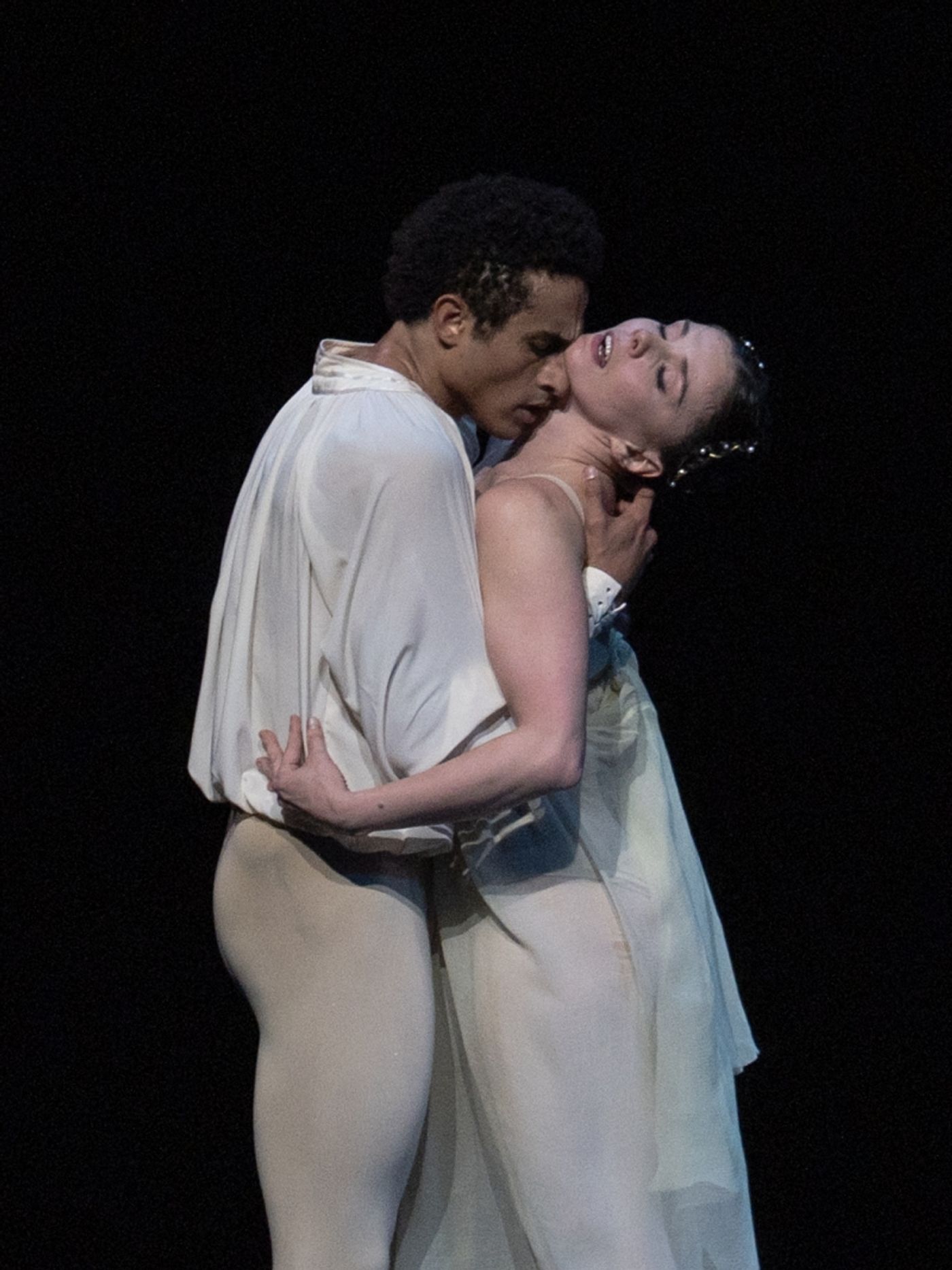
His Romeo is a hopeless romantic with an intoxicating ease and crystalline technique. He has beautifully long arms that make his port de bras generous and elegantly shaped, the kind of pulled up supporting leg we don't often see in turns and articulate footwork at all times. All of the above make his character radiate within the ballet, and it's a shame he's moving to San Francisco Ballet next season. For us, not him naturally.
Elsewhere there's a brilliant supporting cast. Teo Dubreuil is the perfect Benvolio, Luca Acri a mischievous Mercutio, Valentino Zucchetti a very human (in the believable sense) Tybalt, Lara Turk a well pitched Nurse, Bennet Gartside a sensitive Friar Laurence and Daichi Ikarashi is the absolute bomb as the lead Mandolin in act 2.
All three Harlots did good, but not earth-shattering work, and Gary Avis and Kristen McNally are consummate as Lord and Lady Capulet - both difficult roles to not oversell, yet still give them the narrative presence they require.
To Osipova. Dancers should be like Marmite - because if they aren't, they’re doing something wrong. Osipova has this effect on people, and I've been a fan since the beginning. With her shows you never know what you're going to get, and with maturity, this fact feels even more the case. About to turn 39, Osipova is clearly in a new phase of her rollercoaster career. We don't see the same carefree, self-assuredness of the early onesies, but we absolutely get an artist who is consumed by what she does.
Her Juliet is a new proposition to the lineage of the role, and takes the observer to many, undiscovered places within the character. Part Osipova/Isadora Duncan/Lynn Seymour/Olivia Hussey her reading offers artist, naturalist, actress-dancer and teenager all at once and it's a heady combination.
Most evident to me was how her reading gave genuine insight into what it means to be a (young) woman, in general, but also specifically during that period as a member of an aristocratic family. The pressure she must have felt, to conform and have zero opinion about where her life was going, and then to be awoken by first love and have it all destroyed by external family/community politics. When considered like this, it truly is a tragic story.
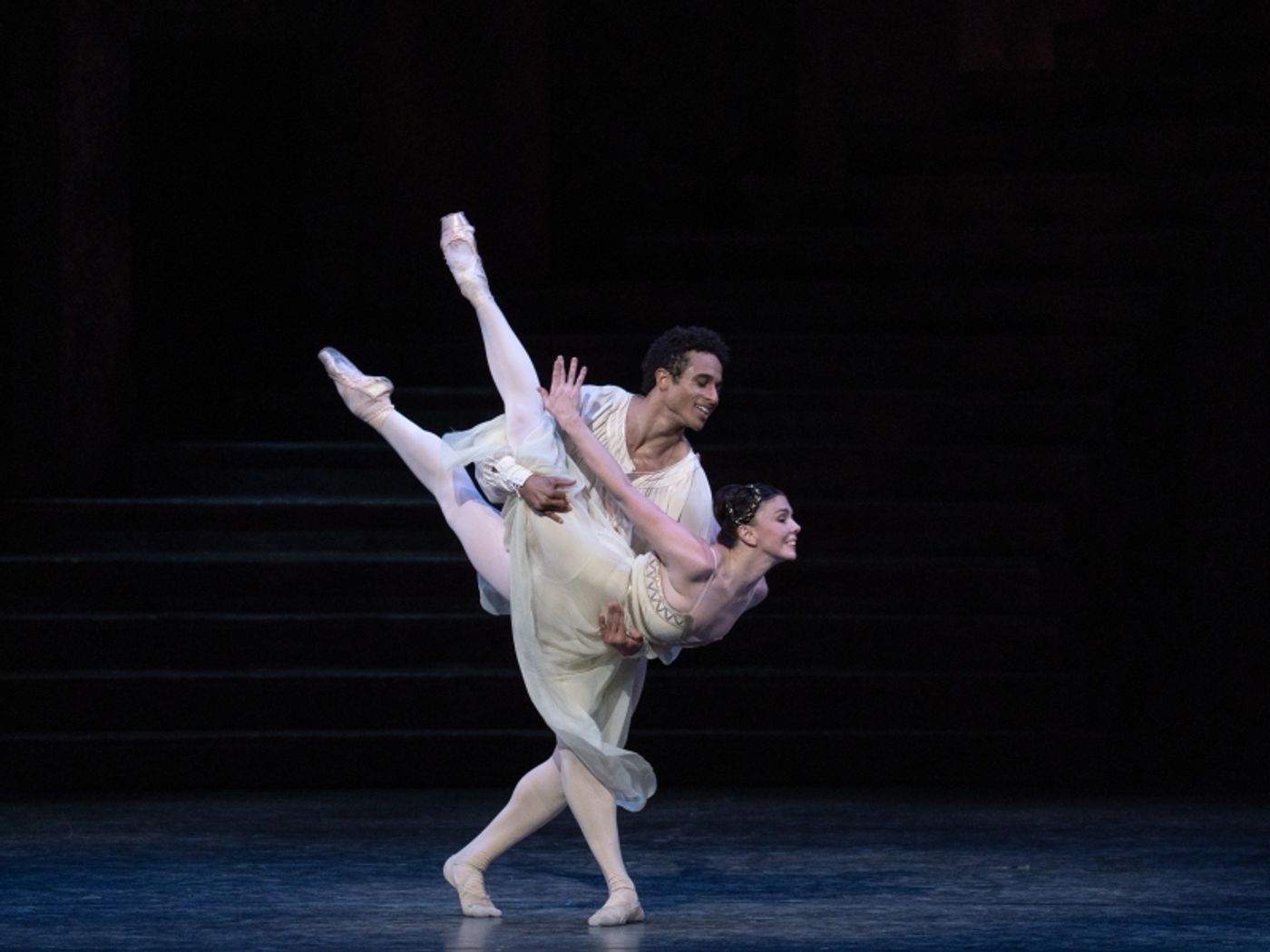
If you know the ballet well, Osipova is just about sticking to the choreographic score, and at times, offering totally new readings to existing moments. Case in point her pas de deux in the ballroom with Paris. Even during this short dance she goes from apprehensive child to bored teenager - and it's so true. MacMillan’s choreography repeats phrases, and Osipova's Juliet reads this as Paris being a boring, stuffy, predictable suitor. She's thinking/showing ‘why are we doing this again when there's so much other interesting stuff going on?’ - and it absolutely makes sense in the moment. This requires a brave, conscientious dancer to take the breadth of the role to where it can go.
Other strong scenes include the Nursery which feels properly childlike full of play and indecisive decisiveness, the Ballroom entrance full of wonder, the meeting with Romeo that screams unknown urgency, the moment she realises who he is and that her whole life has changed in that instance and the Balcony scene that tells us she's going with her instinct rather than societal conformity.
If things are that good in Act 1, you can probably imagine the level of her Act 3. It's basically a movie. Oscar-worthy. Here she defines all the relationships with total narrative clarity. The fear she feels towards her father, the emotional support she craves from her mother and the distress of what she considers betrayal by her beloved Nurse.
Osipova also offers unmatched physical drama in the role. The way her body reacts after taking the sleeping potion is so lifelike, as is the way her body comes back to life in the crypt. All of these moments take one out of the predictable, dramatic score we've seen repeated over the years, and dives far deeper into the work's narrative depth.
No one can ever truly understand an artist's journey. And in order to be honestly connected to the artform, there needs to be insecurity and endless questioning. That said, I hope Osipova allows herself some assuredness as she continues to explore her craft, and especially when she ultimately gives herself on the stage.
Considering all of this, I believe MacMillan would be rather happy that present day readings of his work are making people analyse and contemplate the very nature of dance itself. How lucky we are to have these works and the dancers in our midst.
Romeo and Juliet runs until at Royal Ballet and Opera until 26 May
Photo credits: Andrej Uspenski






Reader Reviews
To post a comment, you must register and login.