


Review: BLACK HISTORY MONTH DRAFT WORKS, Royal Ballet And Opera
Works in progress
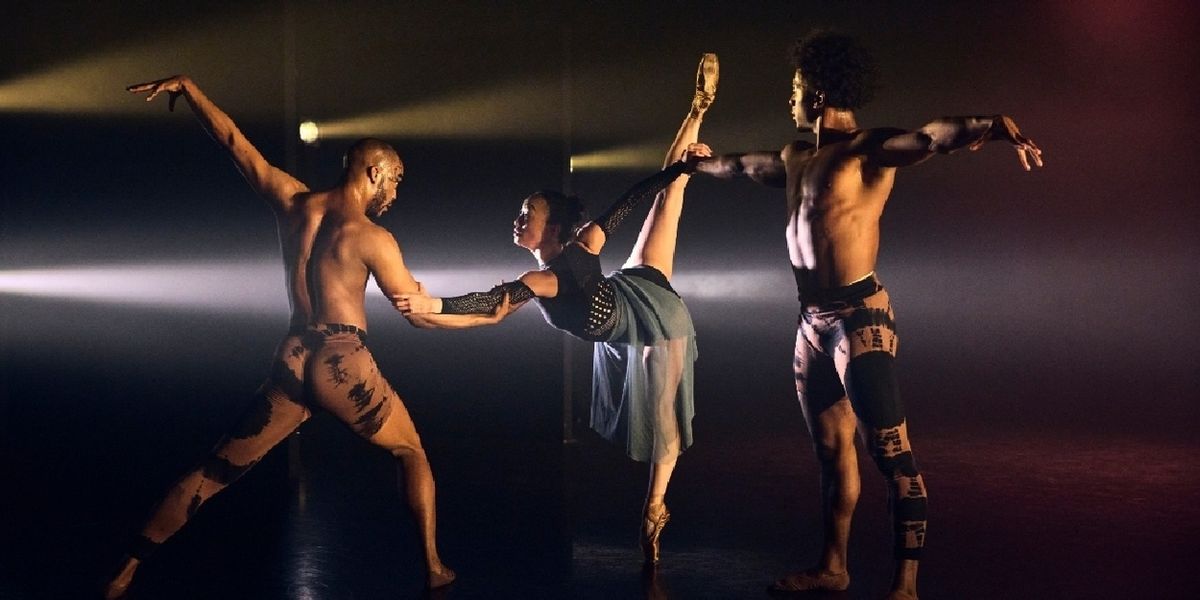
 The Royal Ballet 25/26 season continues with Black History Month Draft Works, this year curated by principal dancer Marcelino Sambé. Sambé, and producer Julia Gillespie have invited five female, black choreographers to either create, or show existing work for two performances in the Clore Studio.
Choreographic platforms are important, but sensitive environments. Creators need the space to explore, and sometimes fail in order to develop. I found four of the five works presented on the weak side, however one must remember the makers are either young or their creative careers are.
Closing the evening was Kaleidoscope of Time by Hannah Joseph, and (almost) everything about this work screams promise. Joseph has taste. In music, movement and dancers (Caspar Lench: stunning again!), and in fact the opening phrase had more dynamic range than we'd seen in the entire evening up until this point. The overall language is predominantly classical - with ladies en pointe - but uses contemporary exploration to feel fresh and relevant.
Ports de bras features which sees Joseph moving away from the danse d'ecole into more playful territory and lower leg work seems to clearly understand the inimitable Royal Ballet style; speedy, terre à terre (grounded) movement language.
Personally I only had two bones of contention - the last five minutes felt a little lost compared to what came before, and currently Joseph's partner work feels on the predictable side.
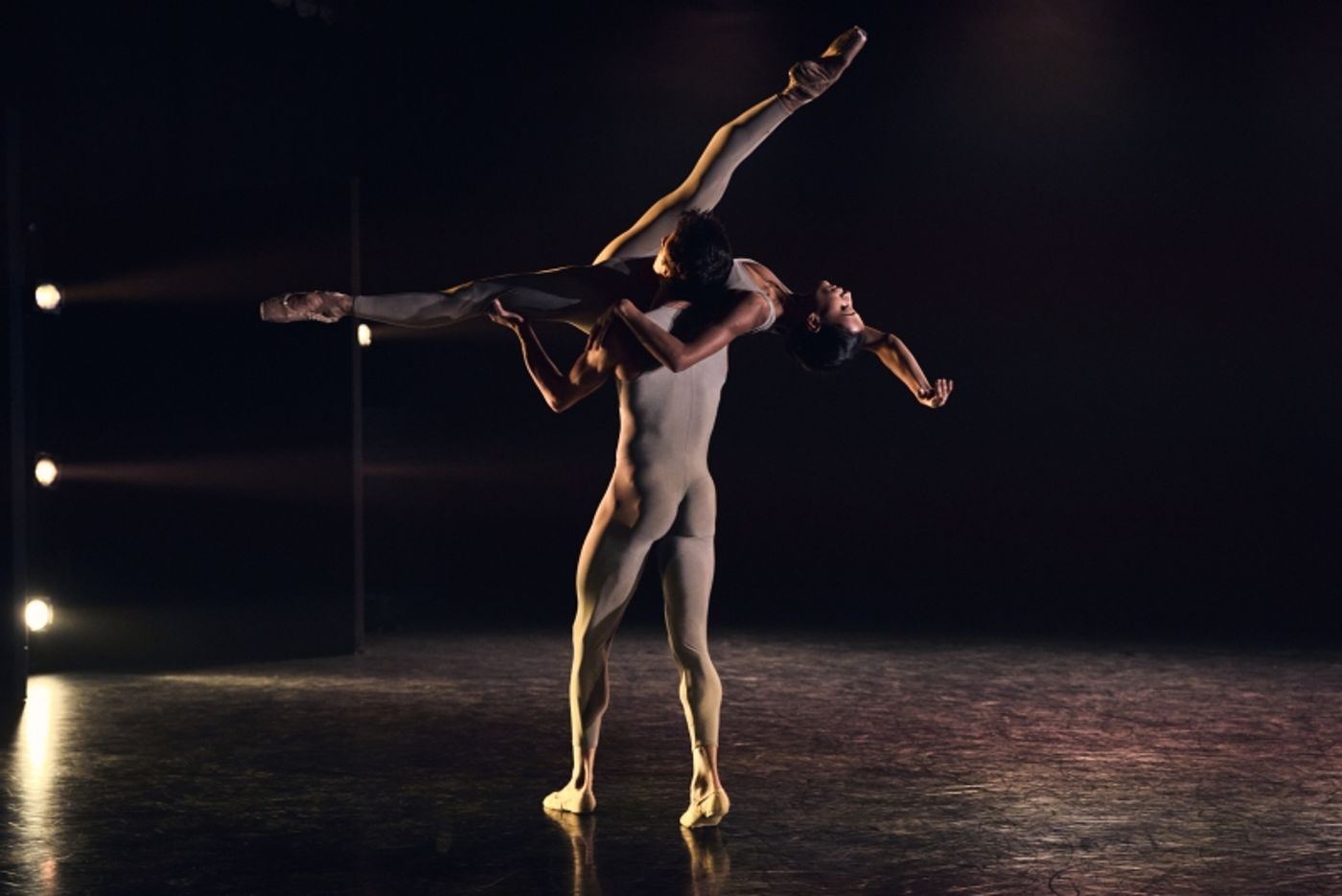
Photo Credit: Ian Hippolyte
However, elsewhere the work is original and of serious value. Joseph understands dynamic and has a gift for encapsulating it within movement phrasing. She enables the audience to see dance, whether through elasticated, elongated adagio or rapid, bound, tight gesture. Here's hoping the Royal Ballet Director Kevin O’Hare has Joseph's next commission already signed on the dotted line. The ballet world needs it. No argument.
The fourth work shown, by Elizabeth Mulenga, Christ Alone, was the next most interesting piece, but for totally different reasons. I'd describe the work as a movement happening rather than a dance piece, as the material often felt too disparate to be considered as a whole.
Mulenga is looking at her own upbringing in relation to Pentecostal Christianity, and she absolutely conveys a potent environment. The cast of four communicated movement that felt possessed, similar to trance-like prayer, and throughout one could tap into moments of repetitive ritual. Deadpan smiles were eerily enhanced by candlelight, and when a cast member re-entered the stage on stilts I was intrigued by their Messiah-like status at this new height. Christ Alone was definitely of interest, but suggests Mulenga has work to do if she's looking for a continued career in dance as opposed to a broader movement creation/direction path.
Opening the evening was In Ascendance by Royal Ballet dancer Rebecca Myles. The work features both classical and contemporary material but didn't feel like a runaway, fusion success. The existing language felt somewhat separate from the music and on the relentless side. This highlights the fact that makers need to understand the value of stillness and editing.
Following was Grey Picket Fence by Blue Makwana. Makwana is looking at identity and power balance in the domestic environment, yet I found the work more soap opera than emotional study. The piece opens with a long section of lip-synching, where four of the dancers mime as a recorded text is pumped out over the speakers.
This choice of course sets the scene - clearly - however the content and delivery felt simplistic and clunky. Using voice in dance is absolutely an option, but perhaps live text executed by the performers would've started the work on a more established footing.
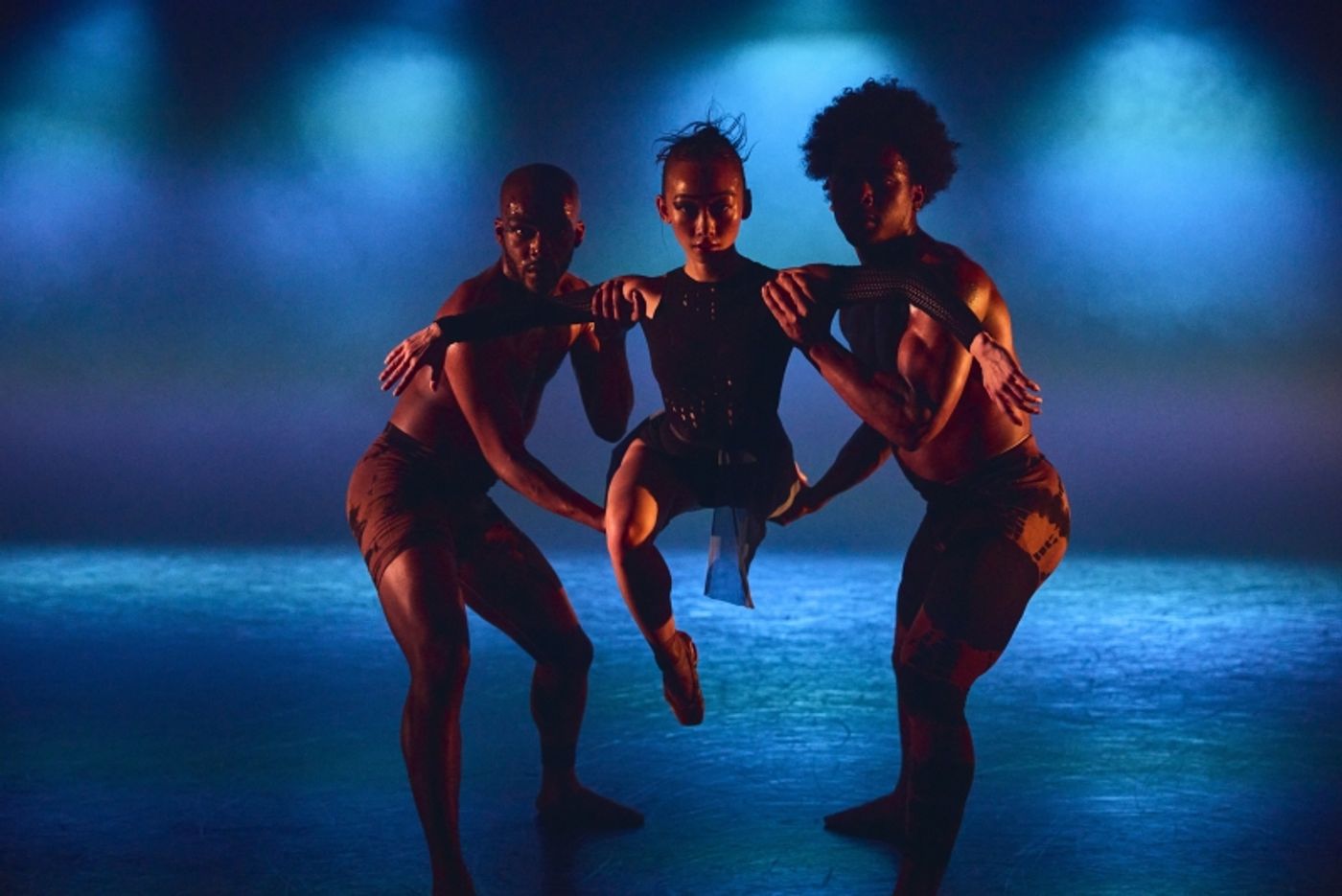
Photo Credit: Ian Hippolyte
The third piece, Creatures, was by the brilliant dancer Isabel Coracy of Ballet Black. The work almost feels like two separate pieces, with the second section being more successful than the first, however, overall the work doesn't necessarily offer anything new. Generally speaking the language is too heavy on the spine undulation/hyper leg extension side of things, and though the three Ballet Black dancers brought what they could to the moment, the experience didn't pique my interest in any profound way. Perhaps if Coracy had been dancing things might have felt different.
Overall the evening wasn't a choreographic success; all the works were too long and three out of the five felt superficial. But what Sambé has put together still has major value in relation to representation and opportunity.
Valuable choreographic exploration shouldn't be a comfortable experience. Makers need to be challenged as they create in order to truly develop. At this stage, the process has to supersede the product in order to produce rigorous work of value.
Black History Month Draft Works was performed in the Clore Studio at the Royal Ballet and Opera on 6 and 7 October
Photo credits: Ian Hippolyte





Reader Reviews
To post a comment, you must register and login.