Interview: 'It's A Cavalcade of Prestigious Talent': Actor Jim Howick on WHEN WE ARE MARRIED at the Donmar Warehouse
'I think there will be a genuinely wholesome, wry and honest look at a lifetime of love'
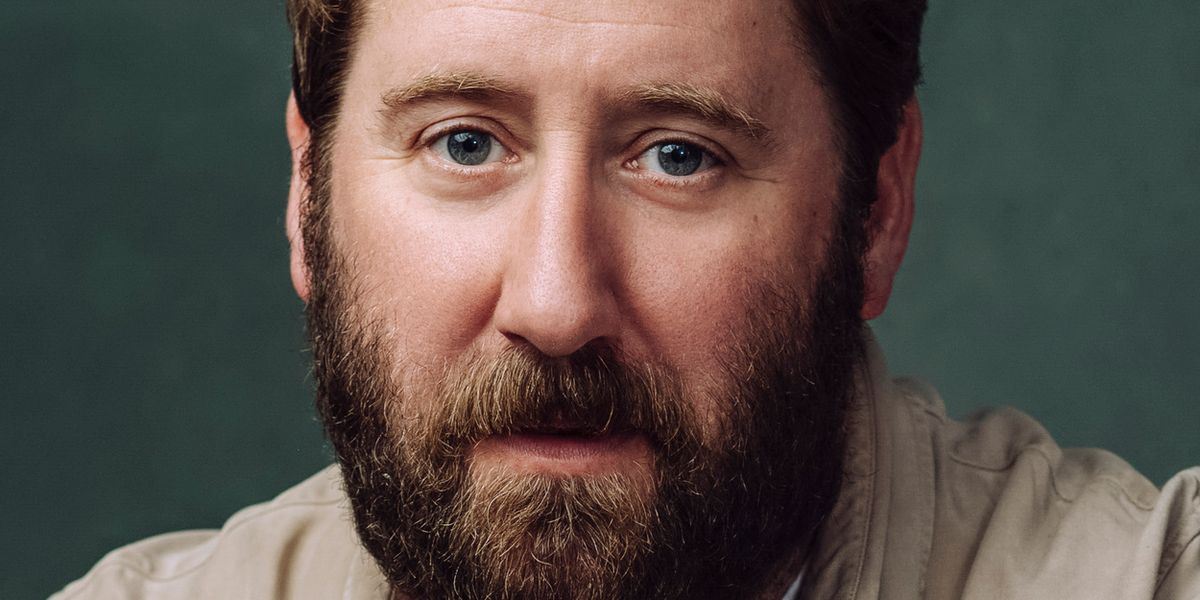
Next month, J.B. Priestley’s beloved comedy, When We Are Married, will open at The Donmar Warehouse. Directed by Tim Sheader, the play follows three couples in a small Yorkshire town as their lives are turned upside down by a shocking revelation. Recently, we had the chance to speak with Jim Howick, who plays Herbert Soppitt in When We Are Married. We discussed how he first got started in the world of theatre, what made him want to be a part of this production, and what he hopes audiences take away from the play.
So, starting with a bit of a general question, how did you first get started in the world of theatre?
Well, I was classically trained at a London drama school. I went to Mountview Academy and did a degree, a three-year course, that was primarily stage training. We didn't have an awful lot of TV technique. It was one hour a week, actually! But the irony is, after I graduated, I've only really worked in TV. I've done a lot of theatre off my own back. I've taken shows to Edinburgh and things like that, but I was more focused on doing it this way round. I figured that I would have better opportunities in the theatre later in life, and it would be beneficial to have more of a TV profile, just because of the way that commercial theatre works. It sounds cynical! But I'd like to start doing more theatre now. I haven't had an awful lot of experience in the West End!
And what made you want to be a part of When We Are Married?
Well, the opportunity to work at the Donmar! It's been a prestigious and very important space in town for almost three decades. The opportunity to perform on that hallowed ground was too good to miss! Also, the opportunity to work with Tim [Sheader], who's the Artistic Director of the Donmar. I really enjoyed my initial meeting with him - his enthusiasm for the piece, the fact that the piece, for him, was a homecoming, if you will. He's from that part of the world, so he's deeply passionate about it. It's a reflection of his family values and the character of that part of the world. I was really enthusiastic about it - the whole project promised so much. And also, of course, the incredible company that I'm in. It's a cavalcade of prestigious talent and top quality.
Had you been familiar with the play before joining the cast?
Do you know what? It's funny, because I didn't know it! I knew of his [J.B. Priestley's] work away from plays, his radio programmes. He was born before the first plane went into the sky, and he died after we'd landed on the moon. So it's an extraordinary time to live. This play, in particular, is the blueprint for the modern sitcom. It's the dynamic within the play, between each character - their flaws, their wants, their objectives. Having co-written a sitcom myself, which deals with different personalities, different moral ethics, and people from a different time, it's certainly a precursor to modern sitcoms.
For those who might be unfamiliar with When We Are Married, can you tell us a bit about it and the role that you play?
It's 1908 in West Riding of Yorkshire. It takes place on the evening of the anniversary of three couples. Now, these couples are made up of quite high-ranking people in the town of Clecklewyke. You have an alderman, a counsellor, and my part, I'm just a mister. I'm a solicitor. So basically, what happens is there's an incredible exciting incident that happens in the first act. They were all married on the same day at the same time, and that is thrown into doubt - the potential scandal is what they try and work out. It's a play about how brittle your social standing and rank can seem when you are from an aspiring working class.
They've found themselves on a perch, but it's a very delicate perch, and this could be taken away from them. They've experienced working-class life, and they don't want to go back. The alderman wants to become a mayor. The counsellor wants to become an MP. My character isn't necessarily looking up. He's much more of a balanced character. My character, he's a modern thinker and doesn't really care too much about the ladder. He just wants a happy life, which he doesn't really have, but the others are always thinking about the next step up, and that's in the balance, all of a sudden.

How have the rehearsals been going?
It's been amazing! It's made me realise why I fell in love with this job in the first place. In the TV world, we're indulged with many things, but it's mostly to do with comfort and logistics - getting us there, making us comfortable and everything else. The indulgence here is the work. It's the stylistics of the work. It's the communion over the script. Tim is very good at collaborating on the floor. He's not a tyrant by any means. He will accept suggestions, work on those suggestions and be honest when he feels that they're not quite serving his vision of what this play should be. That's a very generous thing, and everyone benefits from that.
What are some of the differences between rehearsing for the stage versus for television?
Well, with film, you've got a little bit more money if you're doing a big film, so you can read the script, and you can do some basic blocking. But often, when you're filming on location, you don't necessarily know what the blocking will be, because there might be a modern lamppost in the way. There's not a great deal you can do because you're not in a controlled situation.
So really, with TV, what you do is you do a table read before the shoot, and that's the only time you get to hear an audience reaction. After that, the only audience is the crew and the director - that's it. You sometimes get a week going through the script again, but it's nothing like this at all. We've been rehearsing for three and a half weeks now, and I've never rehearsed that much on a TV show in my life! So quite different.
You've played with a range of different time periods in shows like Horrible Histories and Ghosts. Do you have a preference for a historical time that you like to portray?
I mean, this one - Edwardian. Absolutely. Because the look is very much now. If you Google an Edwardian man, you might as well be in Shoreditch or something! The clothes are so smart. The only problem with Edwardian is the collar, because the collars are very hard and often separate to the shirt. So that can be a bit irritating, but that's it. So I'm very happy with Edwardian. And I love the period!
What do you hope audiences take away from When We Are Married?
There's a certain ambiguity within the play. I don't think you can say that J.B. Priestley was wanting to tie it all up with a bow and make it like the end of Grease or something like that. It's an honest and truthful glance at what marriage was like then - it was a sacred institution, and divorce was kind of unthinkable. That went on for a long time, and people were stuck in unhappy marriages. And whether or not the marriages here are unhappy, I'm not sure, but there's stuff to work on.
But ultimately, I think what people will get out of it is a wry look at married life. And you know what? I hope they'll take from it a thoroughly enjoyable evening of comedy in the theatre, because it's a really funny play. It's totally relatable, certainly for people of a certain age whose grandparents were Victorians themselves. This is still very much within living memory of a lot of people that will come to the show, certainly the older members of the audience. So I hope that they'll leave with aching bellies from laughing so much. I think there will be a genuinely wholesome, wry and honest look at a lifetime of love.
And finally, how would you describe When We Are Married in one word?
Scandal. That's the big word!
When We Are Married runs from 6 December 2025 - 7 February 2026 at Donmar Warehouse.