Guest Blog: 'Burlesque is a Broader Spectrum of Entertainment Than Most Expect': Hundred Watt Club’s Lena Lenman On The Impact Of BURLESQUE THE MUSICAL
"A high tide raises all ships": UK burlesque industry figures weigh in on the impact of Todrick Hall's West End production
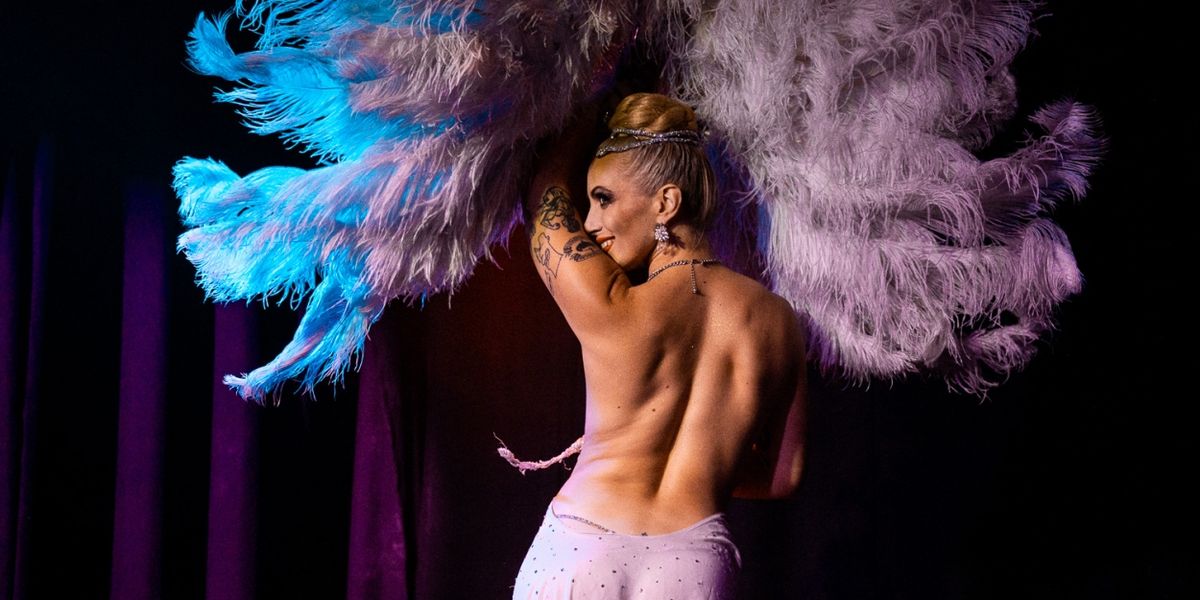
Based on the 2010 movie, Burlesque The Musical makes its London debut this month. Lena Lenman began her journey as a burlesque performer in 2008 and has been producing her own cabaret show 'Hundred Watt Club' for the last 14 years. In this article, she asks: 'What impact will the musical have on the actual UK burlesque industry?'
Just the other day, I sat on a Zoom meeting with the general manager of a council-run theatre interested in booking my show Hundred Watt Club for an evening’s worth of fun and frolics. I have these meetings all the time; some of them come through and we forge an on-going relationship, some of them don’t work out and I try to find another location. But they all tend to follow a familiar pattern, like this one did: after I’d explained about my production, covering all the diverse forms of entertainment and, indeed, people I wanted to bring to their town, the venue manager looked at me brightly and said, “Great! Is it going to be like the film Burlesque?”
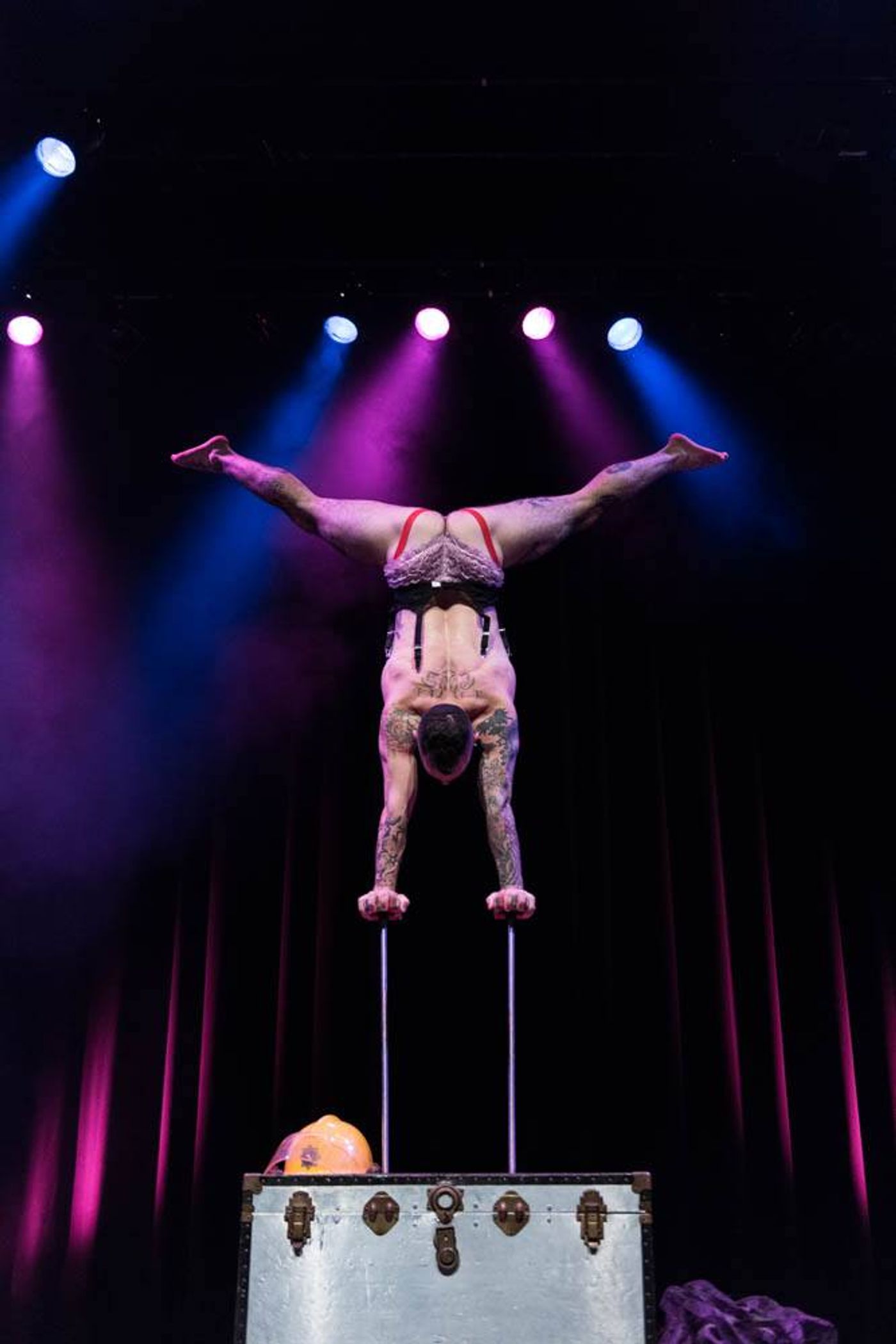
Photo credit: Scott Chalmers
I smiled and took an inward breath. The answer isn’t easy – somewhere in between yes and no (but mostly no). The trouble is that the word ‘burlesque’ has become so inextricably linked with this one fifteen-year-old movie, that everyone is now an expert on the genre and, if anything I present on stage was not included within those two dazzling hours of celluloid, then I must be doing it wrong. I’ve had people literally walk out in the middle of shows, muttering “that’s not burlesque” under their breaths (or rather typing it online…can you mutter on a keyboard?)
To be clear, the 2010 Cher/Christina Aguilera vehicle Burlesque is fine, in a long-haul flight scenario, despite some objectionable politics which were outdated even then. The real problem from my perspective is the way it presents its ‘burlesque’ acts: these are, by and large, Broadway-level musical extravaganzas featuring a dozen or so dancers, all of whom are singing and none of whom are removing any clothes (apart from one admittedly cute section featuring a passable fan dance.) Whilst there are persons of colour in the cast, they are never the central performer, and the company is almost exclusively feminine - not to mention uniformly shaped, hovering somewhere between sizes six and eight.
The movie itself is essentially a rough remake of Bob Fosse’s Cabaret, right down to the mid-century stylings, and even Alan Cumming reprising his Two Ladies showstopper from the nineties revival. Even if it were within my budget to reproduce these colossal West End blockbusters, I wouldn’t want to, because everything about them — from the noughties-era pleather to the faux-sapphic interaction — is thoroughly homogenised, dull, diluted and utterly sexless.
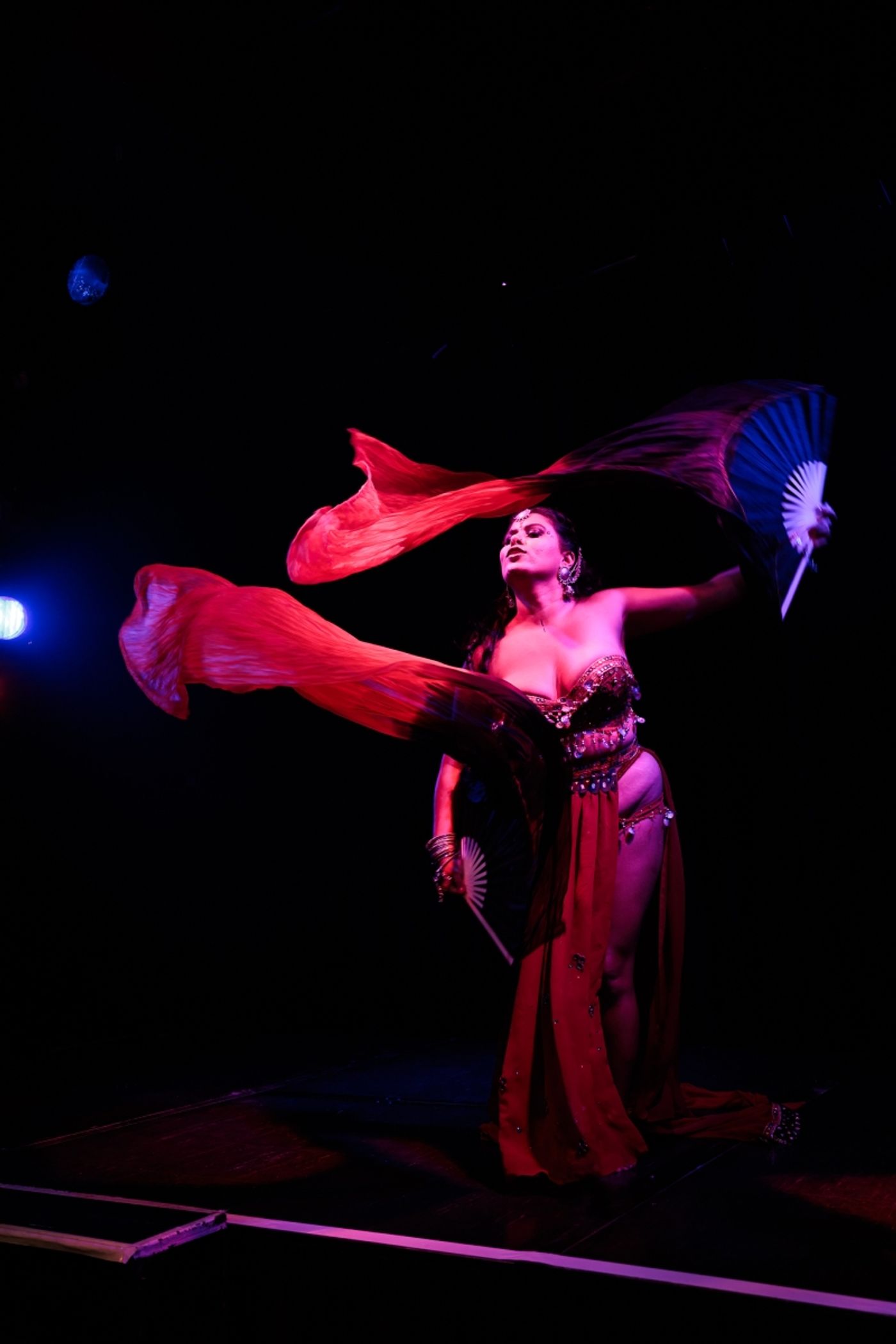
Photo credit: Scott Chalmers
Now with Todrick Hall’s musical adaptation rearing its be-wigged head at the Savoy, the question has acquired a certain urgency, as this peculiarly mawkish and middle-of-the-road version of the concept will now be freshly imprinted on the minds of the audiences – audiences whose attention I am directly competing for.
I asked my pal Lara Gothique, founder of The Velvet Burlesque in Sheffield, for her thoughts. “Whilst I enjoyed the musical adaptation of the film, I had to step back from my lifelong career in burlesque and take it for what it was – simply an adaptation of a film,” she says. “Burlesque is not one style, body, or background. It’s diverse, political, joyful, and deeply rooted in history. The general public should be made aware that it doesn’t always look like what’s on a commercial stage.”
Pat Elle, a sensational performer with whom I’ve worked for many years, chimed in on this worrying one-dimensionality. “As a South Asian burlesque performer, the arrival of Burlesque the Musical in the UK feels like a double-edged sword,” she ponders. “I grew up never seeing bodies like mine celebrated, let alone sensual, commanding, and centre stage - so yes, there’s something thrilling about the word ‘burlesque’ reaching wider audiences, but I worry it will present a glossy version that erases the complexity, rebellion, and cultural nuance at the heart of the scene I know.”
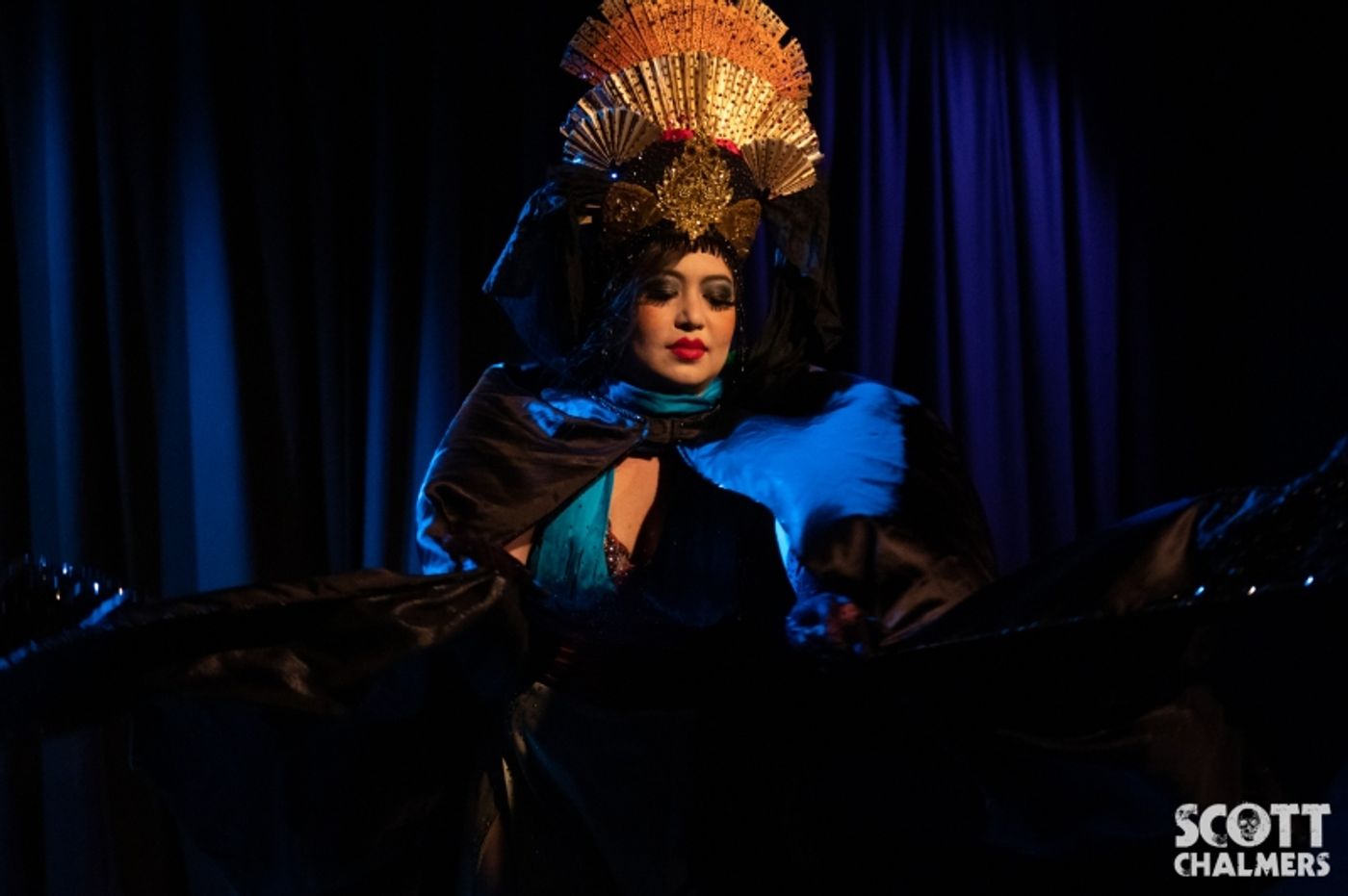
Photo credit: Scott Chalmers
Evelyn Carnate, who owns the Soho School of Burlesque, has a more positive take. “Of course, there’s always a risk that any mainstream portrayal could narrow our rich, subversive, and underground scene to mere aesthetics,” she says. “But if it opens the door for someone to discover the infinite possibilities of burlesque - then it’s great!”
Meanwhile Trixie Blue, who runs Newcastle Burlesque Festival alongside her own performance school, would tend to agree that instead of worrying about audiences getting ‘the wrong idea’, we should be glad they are getting any ideas at all. “The arrival of Burlesque the Musical in our theatres opens up a conversation with audiences,” she avers. “What exactly is burlesque? Burlesque’s origins are widely debated, with many different avenues leading back to its beginnings, but one thing’s for sure - it’s a positive thing that the word ‘burlesque’ is out there, sparking curiosity.”
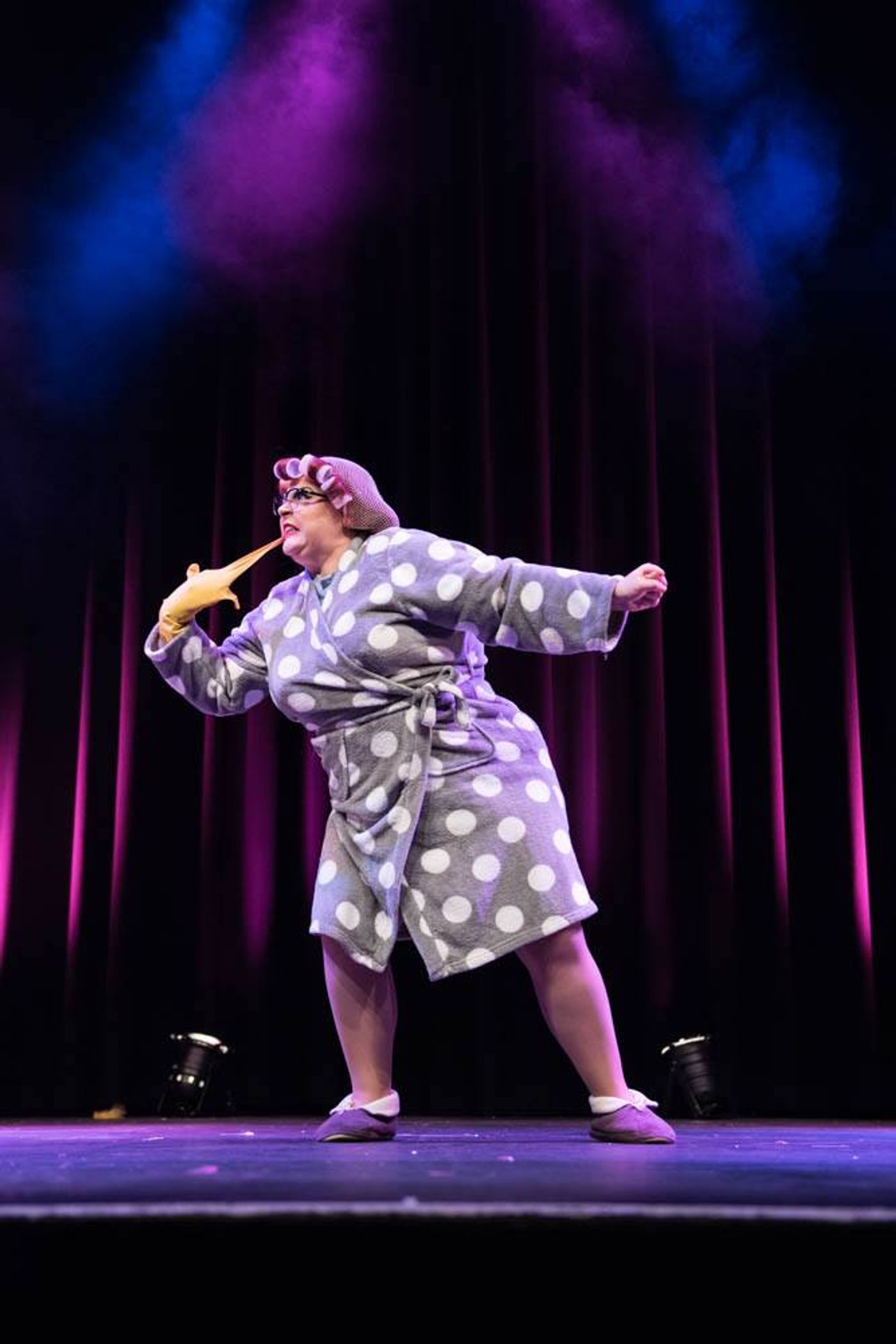
Photo credit: Scott Chalmers
She’s right, of course – they all are. A high tide raises all ships, and the arrival of this new blockbuster will undoubtedly result in a wave of newcomers turning up to our smaller, sincerer, regional undertakings and experiencing a much broader spectrum of entertainment than they ever believed was possible. I’m sure some of them will leave when it becomes apparent that Stanley Tucci will not be making an appearance, but, if at least one of them stays, that’s a win for all of us.
Lena Lenman is the producer of Hundred Watt Club. They stage regular events across the South of the UK, showcasing an ever changing cast of performers. Find out where you can see them next by visiting www.hundredwattclub.com/see-a-show
Main photo: Lena Lenman. Photo credit: Scott Chalmers