


 Click for Tickets
The Sound of Music is a veritable old warhorse of the Broadway musical canon, and it has stood the test of the vicissitudes of time. No amount of changing source material, cynicism, saccharine, or negativity can puncture the universal themes of familial love, romantic love, devotion spirituality, perseverance, forgiveness, and devotion that permeate this beloved musical. These universal themes have resonated with audiences from time immemorial---and are especially pertinent in today’s polarized times.
The phenomenally successful, Oscar -winning film version presented in 1965 with Julie Andrews is so well-known and even though we can hearken back to the books written by the real-life, grit -filled, and altruistic person who inspired this artistic venture---Maria von Trapp, it is always apparent that the glory of this somewhat emotionally manipulative musical are the variegated music by composer Richard Rodgers and the narrative-driven lyrics of Oscar Hammerstein II.
The sheer verisimilitude and power of the songs that encapsulate the inspirational (“The Sound of Music”, “Climb Ev’ry Mountain), the cheerful and playful (“The Lonely Goatherd”, “My Favorite Things”, “Do-Re-Mi” ), the witty (“Maria”, the duet “How Can Love Survive?”---which was cut from the film) to the earnestly romantic ( “An Ordinary Couple” in the original stage version but this song is, now often replaced in the stage version by the new song added for the film “Something Good” which is utilized in this version)to the nationalistic anthem of love for the Austrian Homeland (“Edelweiss”) ---have become almost iconographic in their musical and lyrical capacity to enthrall and absorb the imagination.
There were severe alterations in the eventual transfer from the books by the courageous Maria von Trapp (and there were two successful German films made of the material) but the making of Mr. von Trapp into a powerful military Captain and the brood of children that Maria cared for from one to seven ----is not a travesty for any devoted theatregoer. For, indeed, the more hyped -up theatricality that is substituted makes for captivating and dramatical theatricals that honor the real story’s inherent spirit of family, determination, and survival amidst all odds.
Famed director Jack O’Brien pares down the saccharine and is able to deconstruct some of the impossibilities and shmaltzy archness of the stage book by Howard Lindsay and Russel Crouse (Ernest Lehman wrote the screen play for the film). This touring version moves sleekly without any overt stolidity or coyness and actually possesses an interesting directorial approach in two major areas.
Firstly, director O’Brien seems to understand that the stage material is somewhat hermetically sealed with the audience wanting to “go out and play” as much as the von Trapp children want to. He, consequently, attempts to direct with as much style and verve as possible while retaining respect for the stage book ( I must admit that this is the rare case where the stage material actually benefits from being opened up on film –usually the film adaptations of stage works are not that successful; the brilliantly Robert Wise-directed film –written by Ernest Lehman, proves to be an exception to this usual occurrence ----the audience yearns to see the wonders of the Austrian countryside --).
Secondly, director O’Brien directs Maria (Cayleigh Capaldi) and Captain Georg von Trapp (Kevin Earley) to play their roles with a subtle feminist slant as Maria is played with fierce command and an almost sense of domination in her relationship with the captain’s character . Other characters also interpret their roles quite differently from previous incarnations ------ the acerbic and cynical Max Detweiler is now younger and full of an engaging charm, and the baroness Elsa is much less acidic and brittle.
Director O’Brien also vividly conveys the cautionary narrative which exposes the ever-increasing dangers of authoritarianism in the world.
Composer Richard Rodgers and Lyricist Oscar Hammerstein II (the highly lauded innovators of the musical theatre canon) have taken their collaboration to a peak level of the integration of their songs with the book (by Howard Lindsay and Russel Crouse)----a seamless merging of songs and book that was anticipated by the musical Showboat (in 1927 and resulted in such prior Rodgers and Hammerstein hits such as the revolutionary Oklahoma, The King and I, South Pacific and Carousel.
This integrative merging of the narrative/book with the song was further developed as composer Stephen Sondheim studied at the feet of his mentor Oscar Hammerstein to broaden his musical horizons ---and the world gained the landmark and groundbreaking concept musicals Company, Follies, Sunday in the Park with George and so many others.
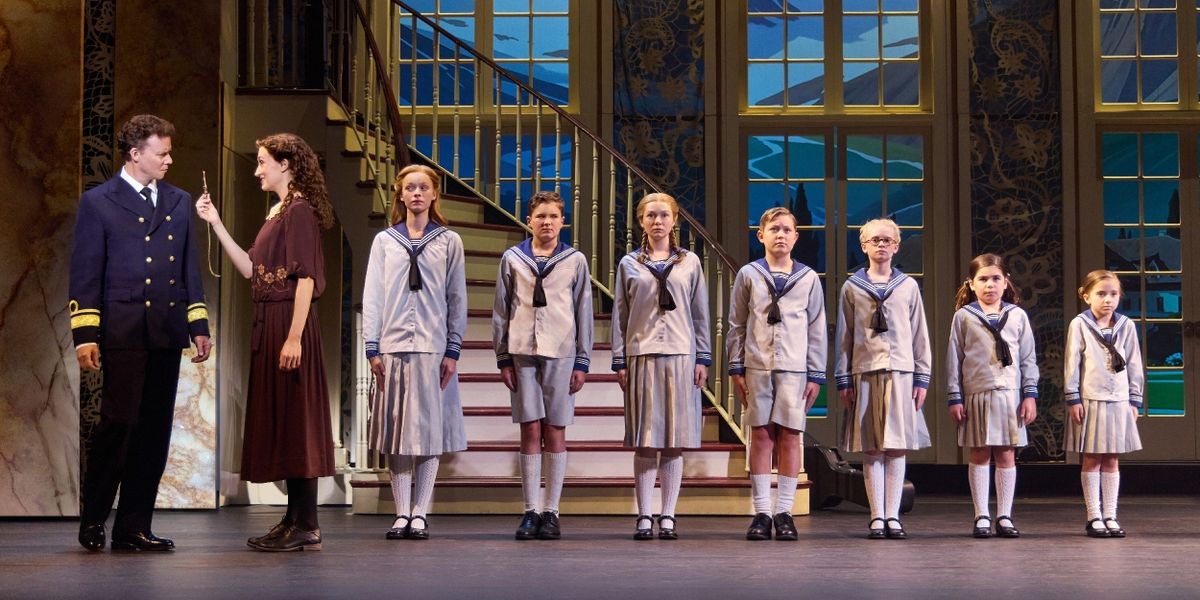
Scenic design by Douglas W. Schmidt encompasses the Kennedy Center Opera House with the stage space alternating with scenes of an abbey/ mother superior’s office, a terrace, a concert hall, a bedroom, and a villa/estate’s Grand Entrance. Scenes seem to unspool with a seamless theatrical flair bordering on the cinematic.
Music Director and Conductor Joanathan Marro conducts a more intimate orchestral ensemble as well as the Kennedy Center Opera House Orchestra with aplomb.
Orchestrations by Robert Russell Bennett are lush and thrilling in their understanding of the basic emotional impulses of the material yet they are, concurrently, underscored by superb instrumental interpretation and artistic arrangements.
The myriad moods of humor, pleasantry and drama suffuse the orchestrations with alternating ethereal beauty and tensile excitement.
Music supervision by Andy Einhorn, music coordination by John Miller and sound design by Kai Harada are all exemplary.
The role of Maria Rainer must propel the proceedings, and Cayleigh Capaldi has the production’s spirit firmly placed in the palm of her hand. Ms. Capaldi plays the defining role of Maria with a steely determination and a sort of perverse logic ---that will not hold her back from speaking her mind. Cayleigh Capaldi does not portray the role in the archetypal, stereotypic trope of the silly “tomboy-ish” novice who is full of exuberant antics. She takes control in an almost subversively feminist manner. The song “Maria” describes Maria as a “flibbertigibbet” and a “clown”, yet Ms. Capaldi’s portrayal does not embody any of these traits –instead, she is played as steel-willed and possessing of an intuitive sense of knowledge and foresight . Ms. Capaldi’s gorgeous, pristine voice and presence captivates throughout.
In the role of Captain Georg von Trapp---Kevin Earley is a bit too callow and earnest --- but this may have been suggested by directorial instructions. In this stage version, the captain is submissive and controlled/guided by Maria and Mr. Earley certainly fits nicely into this interpretation.
As the usually cynical and acerbic Max Detweiler --------Nicholas Rodriguez is a bit younger and exuberant than the usual manner in which this character is usually portrayed. Mr. Rodriguez charms by adding hidden dimension to the character of Max.
Actress Kate Loprest as Elsa Schraeder seems to be channeling the legendary Joan Crawford replete with pill box hat and ultra-chic outfits. Never too acidic-- yet stylish and calculating --Ms. Loprest uses a dry wit that engages throughout the musical. Ms. Loprest’s singing in the stinging yet witty “Now Way to Stop It” is delightfully wry.
Broadway veteran Christiane Noll portrays the Mother Abbess in a firm yet subtle manner. Ms. Noll’s rendition of “Climb Ev’ry Mountain” almost stops the show.
As Rolf, Ian Coursey shines in his duet with Liesl (Ariana Ferch) in the enchanting duet of impending adulthood “Sixteen Going on Seventeen.”
A huge asset of this production is that director O’Brien directs the children with profound respect and a great amount of humanity ---these young von Trapp children are amusing without being portrayed as impish or excessively cute. Aside from the delightful Ms. Ferch as Liesl , the other children are all expertly portrayed by Eli Vander Griend, Ava Davis, Benjamin Stasiek, Haddie Mac, Ruby Caramore and Luciana Vandette.
Choreography by Danny Mefford is intricate but never unduly fussy: specifically commendable are the charming duet “Sixteen Going on Seventeen” and the engaging children’s ensemble song “So Long, Farewell.”
Costumes by Broadway veteran Jane Greenwood combine natural earth colors –light browns and light reds, maroons for everyday wear and the children’s clothes ---while also utilizing elegant satins and evening clothes for the production’s party scene.
Lighting by Broadway veteran Natasha Katz encompasses evocative hues and shafts of heavenly light during the wedding scene as well as jolting search lights during the escape scene.
An interesting and arcane fact is that the original stage version of The Sound of Music was produced on Broadway in 1959----the same year that Oscar Hammersten II’s protégé Stephen Sondheim wrote the lyrics for the highly acclaimed (and vastly different) Gypsy. In the Tony-voting that year, The Sound of Music was the winner in most of the categories. The cultural zeitgeist of the Eisenhower years may have still been the mood in most of the United States as the universal familial themes of The Sound of Music seemed to make for a much longer run ----than the more cutting-edge pastiche of vaudeville and burlesque which constituted the critically acclaimed Gypsy.
The inspiring finale of this production entitled “Finale Ultimo: Climb Ev’ry Mountain” ---performed by the entire company ---swells with idealistic love and lush orchestrations and is a clarion call to the ideals of perseverance and devotion ----tears are earned with this moving and uplifting scene. This is decidedly one of the most magnificent theatrical finales in the history of musical theatre.
It is a sad but sober fact that the great Oscar Hammerstein II died of stomach cancer eight months after the original production opened on Broadway, but his legacy lingers on –as he and Richard Rodgers delivered a musical that appeals to the “better angels” of the human condition.
The Kennedy Center should be commended for presenting The Sound of Music, as it is a show that must be seriously dealt with as a landmark component of the musical theatre canon.
Running Time: Three Hours with one twenty -minute intermission
The Sound of Music runs through October 5, 2025 at the Kennedy Center located at 2700 F Street, NW, Washington, DC, 20566. For tickets go to: https://www.kennedy-center.org

|
Misery Aldie Mill Historic Park (8/20-8/30) |
|
Macbeth Three Notch Theatre (8/06-8/15) |
|
Step Afrika!'s Magical Musical Holiday Step Show Arena Stage at the Mead Center for American Theater (12/04-12/23) |

|
Body Language The Allan Lefcowitz Theater at The Writer's Center (9/25-9/27) PHOTOS |
|
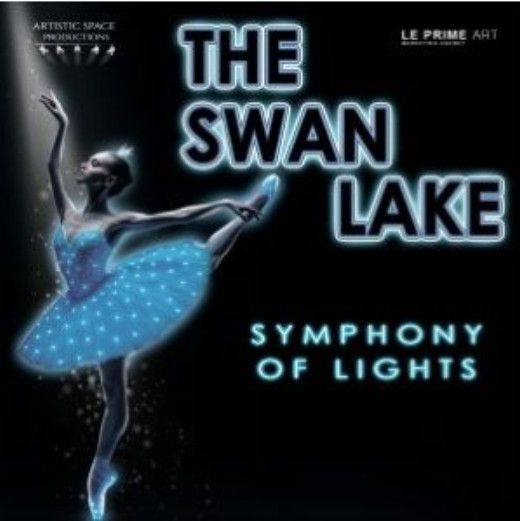
Grand Kyiv Ballet presents "The Swan Lake: Symphony of Lights F. Scott Fitzgerald Theatre (11/18-11/18) |
|
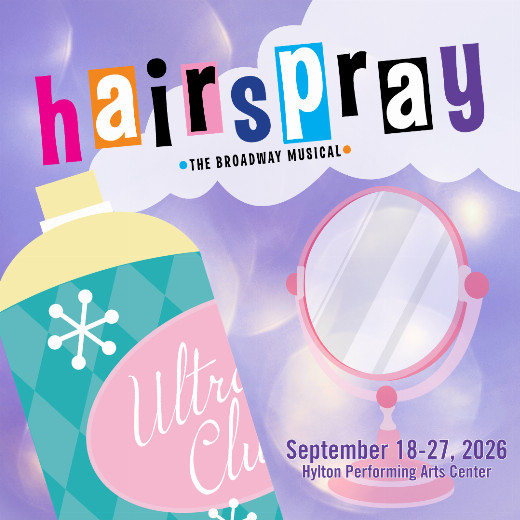
Hairspray Hylton Performing Arts Center (9/18-9/27) |
|
Beethoven’s Ninth Symphony Wolf Trap (8/14-8/14) |
|
Commedia Christmas Carol (2024) Streaming Traveling Players Ensemble (12/23-12/23) |

|
Rockville Little Theatre presents "Fences" F. Scott Fitzgerald Theatre (4/30-5/09) |
|
Measure for Measure Folger Shakespeare Library (9/22-11/01) |
Reader Reviews
To post a comment, you must register and login.