


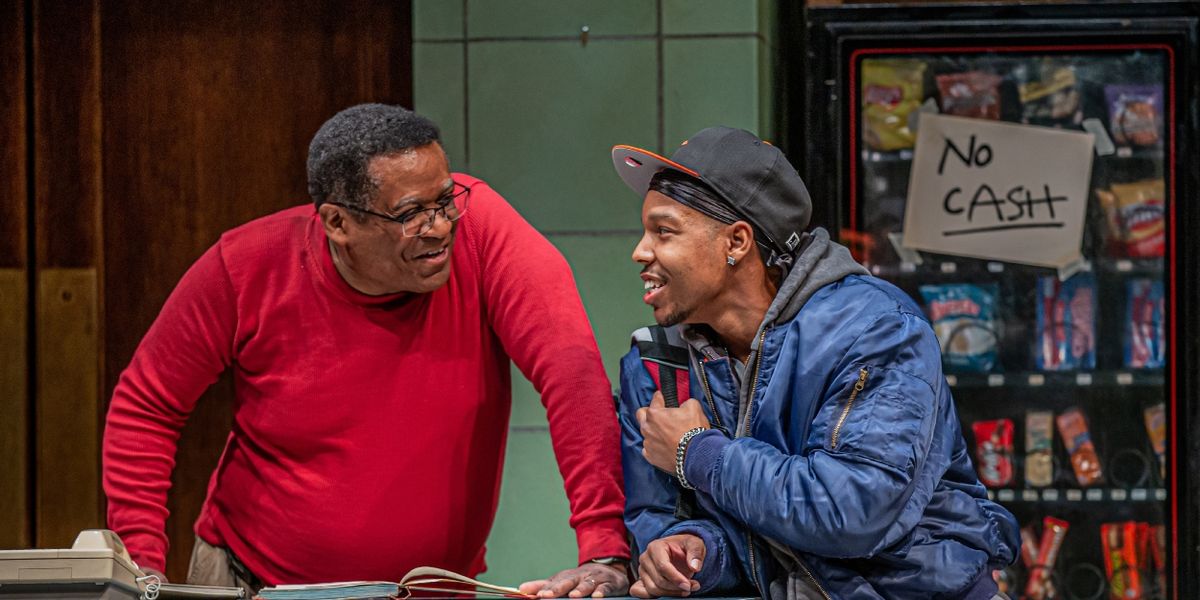
Golden, the latest play written by Andrew Lee Creech and now premiering at ACT Theater,, is a rich, character-driven drama that delivers clean, linear storytelling about what it means to live with dignity when the world feels like it’s falling apart.
At its core, Golden is a modern American-Greek tragedy; Morris Golden (Ty Willis), a former boxer and current laundromat owner, is watching his marriage, business, and sense of identity be stripped from him. It’s 2008, and as the economy collapses, Morris clings to what little he has left. His fatal mix of pride, resentment, and fear of irrelevance drive him to push away the people who care about him most, even as he’s desperate to hold onto what remains. It’s not about losing his laundromat, it’s about losing his sense of self. But the central question lingers: who are we if not the things we have?
All of Golden’s action takes place within the walls of Morris’ neighborhood fixture, Golden Coin Laundromat. His marriage to Rheeda (Tracy Michelle Hughes) has already ended, strained by her decision to pursue a nursing career, and now his last source of pride, his business, is on the brink. People keep telling him to fix his change machine, his pride and joy, but no amount of smacking will yield Morris the change he and his patrons want. Though he won’t budge on his own, Morris Golden is desperate for change.
We meet Jazmine (Elena Flory-Barnes), a single mother seeking refuge with her 10-year-old daughter Zora (Mesgana Alemshowa). She stumbles into the laundromat late one night, clearly desperate but unwilling to admit that she needs a place to stay. Rheeda offers kindness without questions, pushing Morris to hire Jazmine, setting the tone for a character who is consistently generous, even when it costs her. This early exchange quietly lays the groundwork for one of the play’s central tensions: how do we make space for others when we barely have enough for ourselves?
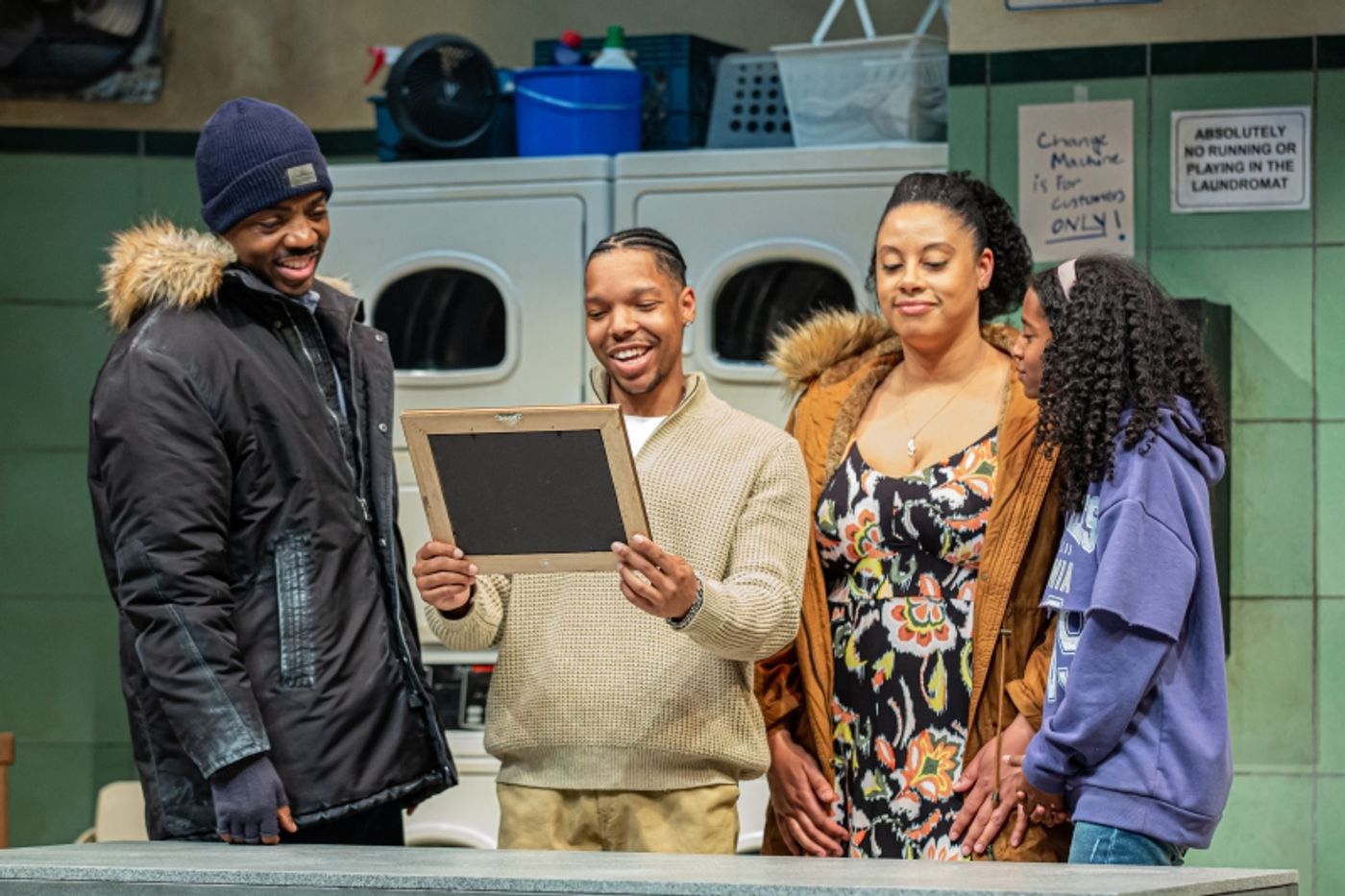
Photo by Rosemary Dai Ross
Jazmine, hardened by circumstance, eventually softens through her growing connections to both Rheeda and Quikk (Kaughlin Caver), a fast-talking "entrepreneur" with a bottomless supply of business ideas — DVD sales, Kindles, photography. His energy lights up every scene, especially when chumming it up with Jazmine. The chemistry between Flory-Barnes and Caver is a joy to watch. Earl (Arlando Smith) and Quikk offer up a steady stream of not-so-great ideas to save Morris’s floundering business. But nothing that addresses the structural forces weighing Morris down. They joke around and try to make light out of this tragic situation when they can, the 2008 housing crisis just being another short stick handed to them in the grand scheme of inequities. Their presence keeps Morris tethered to his community even as he begins to unravel.
The cast delivers across the board, with a few real standouts. Kaughlin Caver’s Quikk is a total joy to watch — fast-talking, funny, and deeply grounded. His performance feels lived in. Elena Flory-Barnes gives Jazmine both edge and vulnerability as we watch her soften in real time, and her chemistry with both Caver’s Quikk and Hughes’ Rheeda is palpable. Hughes, for her part, brings warmth and strength to Rheeda, especially in moments of reflection and reconciliation. Ty Willis’ Morris commands the stage, though occasionally too much. His performance felt just a touch too large for ACT’s intimate space. That said, in his quieter, more contemplative moments, Willis brings Morris’ inner conflict to the forefront with real heart.
Tyrone Phillips’ direction is thoughtful and textured, with some beautiful flourishes. The production design by Parmida Ziaei is outstanding. This laundromat is fully functional, complete with working washing machines, a functioning coin changer, a tiny, tinkling door bell, and a flickering “Golden Coin” sign that sometimes reads “Olden Cin.” I’m also still scratching my head at how they were able to mount a large television in seconds between scenes. The stagecraft in this production is a marvel. It’s immersive, high-fidelity, and exhaustively detailed. Bravo!
Creech’s script asks big questions about how we define success, family, and self-worth — especially when survival requires constant sacrifice. There’s no clear villain here, just a group of people doing their best in a world that keeps asking for more. Jazmine turns down help from Rheeda. Morris refuses a free DVD from Quikk. Nobody in this play wants something they haven’t earned, even when life has stacked the odds against them. Though the play is set in 2008, at times you forget that it’s a period piece because so much of what the cast is dealing with reflects our issues of economic instability and racial inequity. At one point, Morris shakes his fist at the then-President Obama, asking why he’s focusing on supplying aid to Haiti and not helping the American people in his own community. For Morris, he cannot muster compassion for others when, for him, the world seems to have so little compassion for him. He’s just trying to survive.
What makes this production memorable isn’t a twisty plot or high drama, but the honesty with which it treats its characters as flawed, funny, proud, scared. People just trying to hold onto something, anything, in a world that won’t stop taking. The result is a play that hums with empathy, even in its imperfections. Maybe sometimes, amidst all the loss and compromise, we need a reminder that healing is possible, that people can, against the odds, choose grace.
Grade: B+
Golden now performs at ACT Theatre through May 11, 2025. For tickets and information, visit www.acttheatre.org/.

|
Barefoot in the Park State Theater (8/21-9/06) |

|
Freak The Mighty Seattle Repertory Theatre (7/30-9/06) |
|
PYG or the mis-edumacation of Dorian Belle ArtsWest (6/10-7/03) |
|
The Courage to Right a Woman's Wrongs BAT (7/24-8/14) |

|
disPLACE Theatre Off Jackson (8/21-8/22) |

|
The Rootin' Tootin' Queer Cowboy Cabaret Theatre Off Jackson (8/27-8/29) |
|
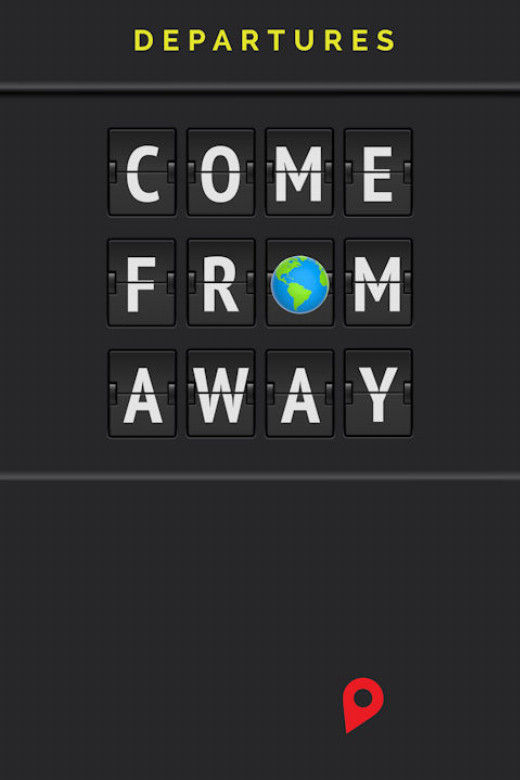
Come From Away Lakewood Playhouse (6/04-6/20) |

|
Love is Dead Village Theatre (6/01-7/03) |
|
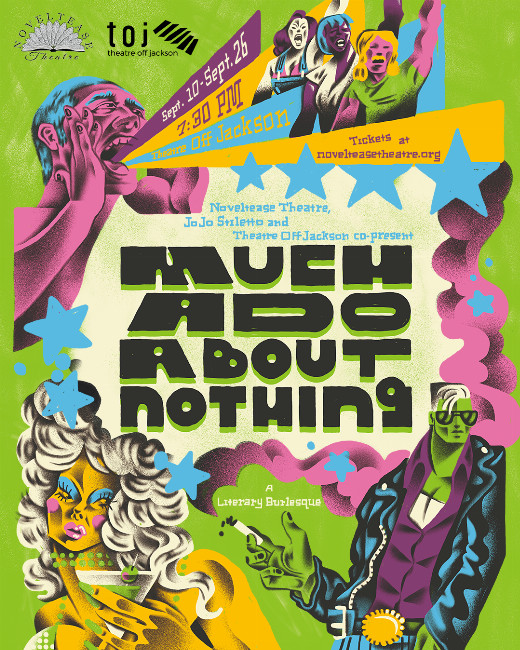
Much Ado About Nothing Theatre Off Jackson (9/10-9/26) |
|
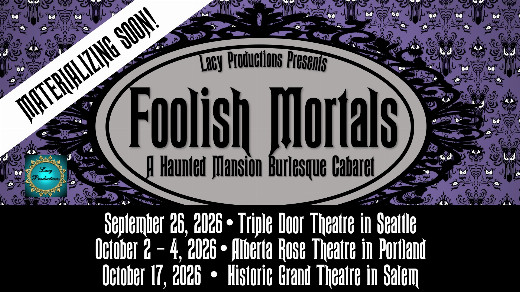
FOOLISH MORTALS: A Haunted Mansion Burlesque Cabaret The Triple Door Theatre (9/26-9/26) |
Reader Reviews
To post a comment, you must register and login.