Guest Blog: 'Theatre is Most Powerful When It Traps Us In a Room Together': Francesca Bolam on Writing and Producing Two Shows in Two Different Countries
Book Club sold out in New York at The Flea and Tenner Bag sold out The Hope Theatre in London
This summer I found myself producing and writing two shows at the same time, in two different countries. On 6 August, Book Club premiered and sold out in New York at The Flea. Less than two weeks later, on 15 and 16 August, Tenner Bag sold out The Hope Theatre in London.
On paper, the projects couldn’t be more different – one a sharp, comic take on community and connection, the other a brutal family drama set in post-riot Teesside. But working on them simultaneously revealed how much they speak to each other, and how both reflect the two places I call home.
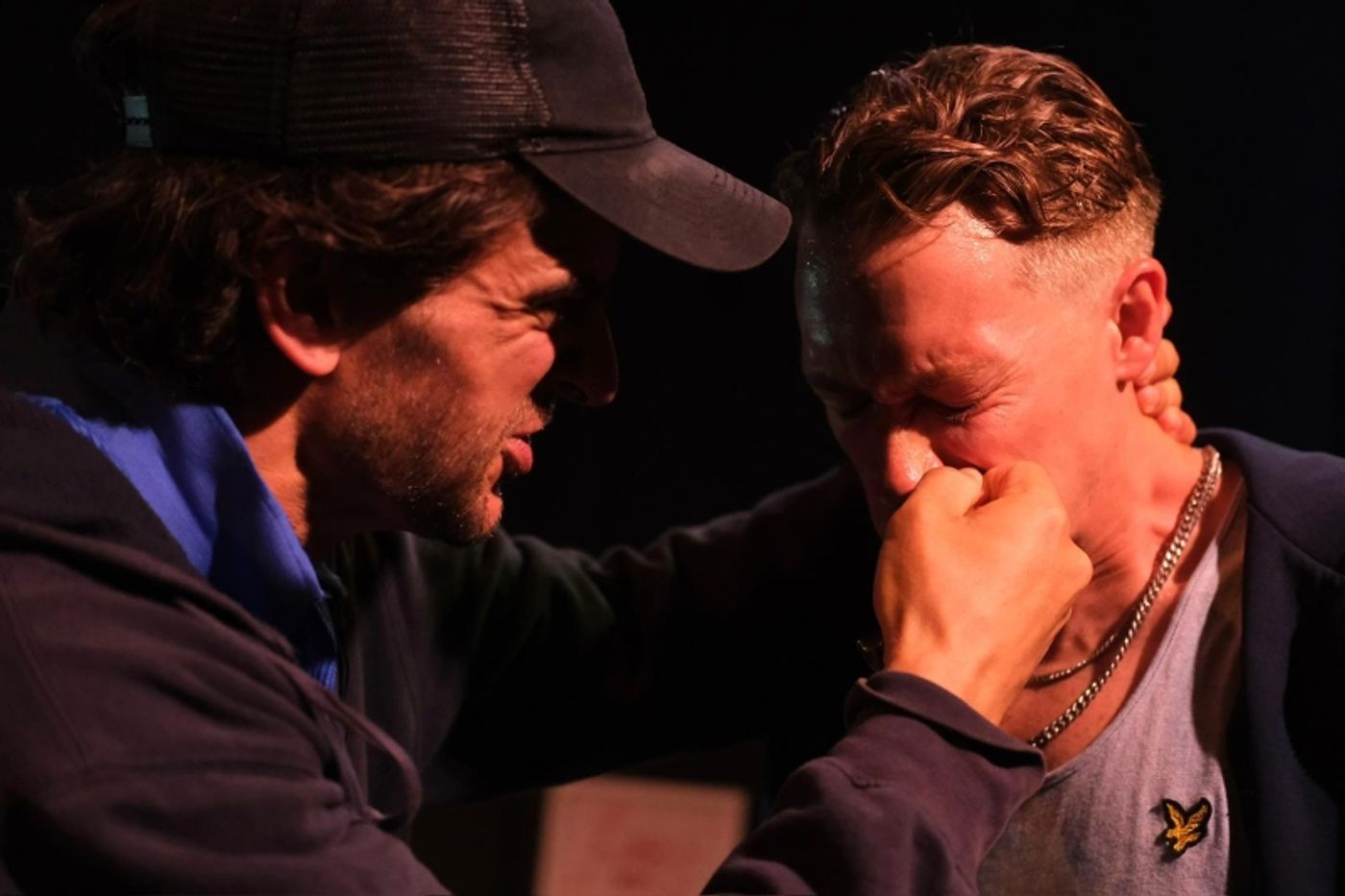
Photo Credit: Dexter Robinson
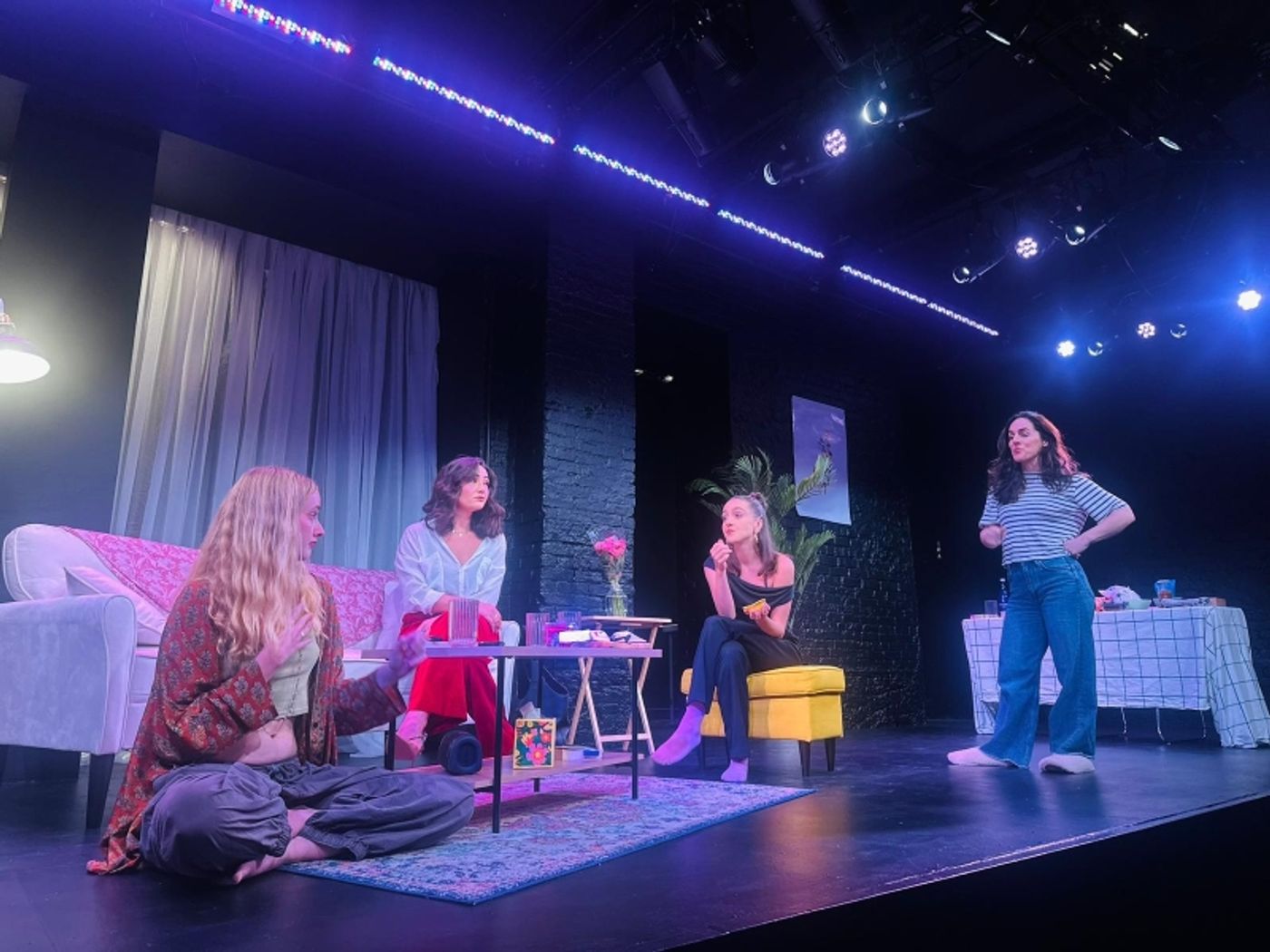
Book Club is fizzy, comic, and deceptively warm. Tenner Bag is raw, claustrophobic, and unflinching. Jumping between them forced me to get clear about what matters as a writer. Beneath the tonal shifts, both plays ask: what happens when people can’t escape each other, and the truth comes spilling out?
One rehearsal would end with women laughing over wine; the next would begin with characters tearing into each other during a drug-dealing altercation. The gear change was brutal, but it clarified my voice. Humour and violence aren’t opposites; they’re two ways of surviving.
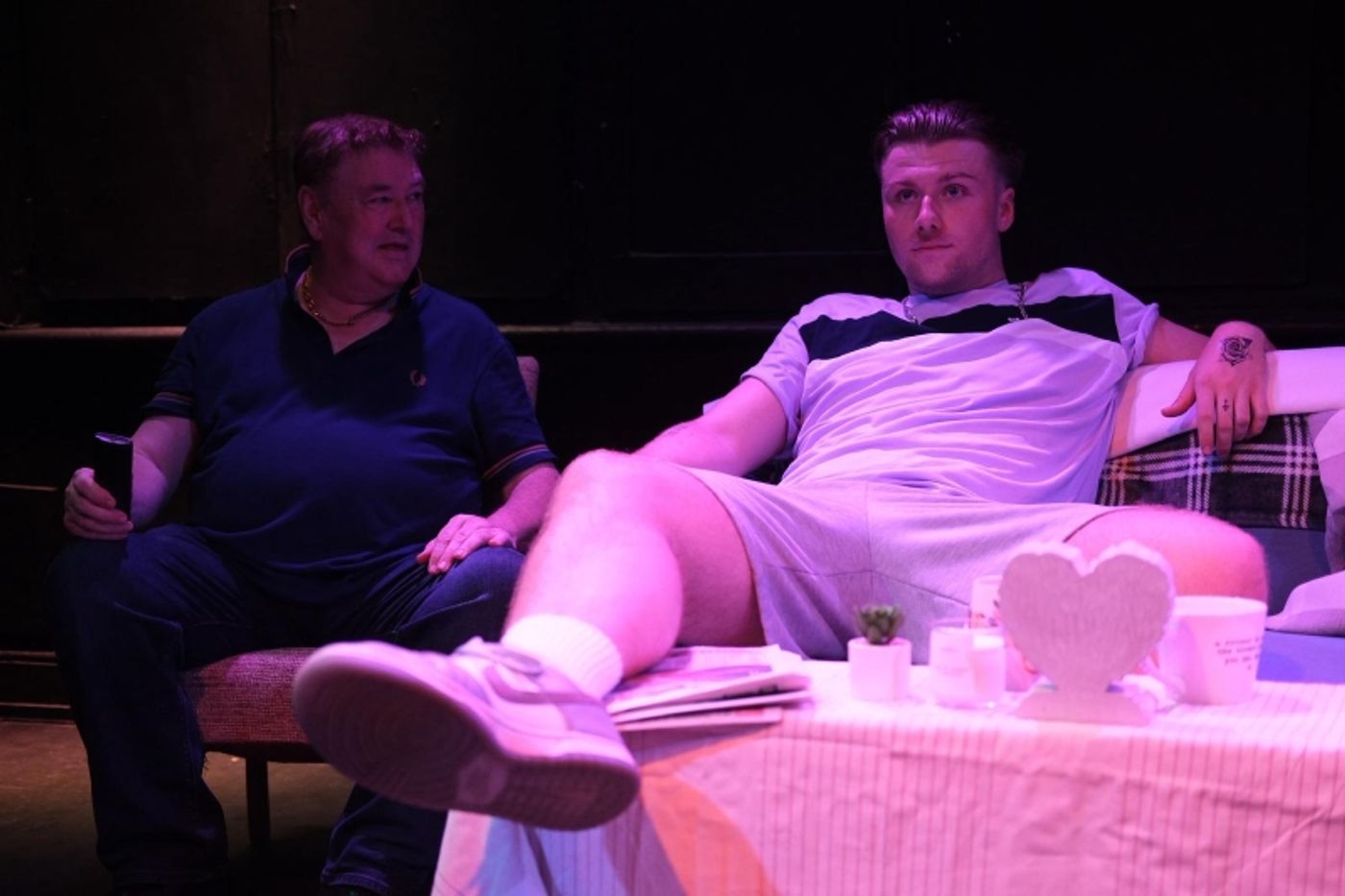
Photo Credit: Dexter Robinson
Both plays wrestle with loyalty, survival, and the cost of honesty — but through very different lenses.
Book Club explores performance in life and relationships: the carefully curated roles women play for each other, partners, and themselves. It asks what happens when those performances crack, especially against the backdrop of IVF, abortion, and the chaos of surviving in New York.
Tenner Bag turns up the pressure cooker. Set in the North after the 2024 national riots following the Stockport stabbing, it shows what happens when a fractured family is forced together in a place where survival instincts clash and far-right anger simmers. Here, performance is armour — verbal sparring and bravado used to endure a hostile environment.
Both ask the same urgent question: what do we owe each other, and at what cost to ourselves?
Working on both plays revealed how much my writing is shaped by living between the UK and US. In Britain, the North has hardened under years of neglect, where struggle and hopelessness allow dangerous rhetoric to take hold. In America, friends navigate IVF and abortion, where choice is both celebrated and contested, and personal experiences are politicised.
These realities aren’t separate from the rehearsal room; they walk in with me. Tenner Bag isn’t just about one family, it’s about a community pushed past breaking point. Book Club isn’t just about friendship, it’s about performing stability when the ground beneath you shifts.
Producing both shows was a survival exercise. Tenner Bag had a shoestring budget, a cast cast via online breakdowns, and Zoom rehearsals at 4am before I flew in. We met in person just four days before opening, while I scrambled for props and set pieces in a city where I no longer had the shortcuts I rely on in the States. When it sold out and received five stars from Everything Theatre, it felt like proof that “small” theatre can still hit hard.
In New York, Book Club was logistically familiar but no less demanding: I was writing, co-directing, and producing while staying inside the story. Across both projects, I relied on brilliant collaborators — Finella Waddilove and Chloe Champken — whose direction made it possible.
I’m excited to see where these plays go next. Tenner Bag is heading to the Edinburgh Fringe in 2026, and I’d love Book Club to run alongside it.
What I carry from both is this: theatre is most powerful when it traps us in a room together — characters, audience, writer — and forces us to face what we’d rather avoid. That’s what kept me going across time zones, and what keeps me writing.
Main Photo Credit: YellowBelly