


Feature: FOOL FOR LOVE: A Company at Work at Koso Theatre Collective
A studio performance of Sam Shepard's intimate classic offers a glimpse of actors working at full capacity, with little to lean on but each other.
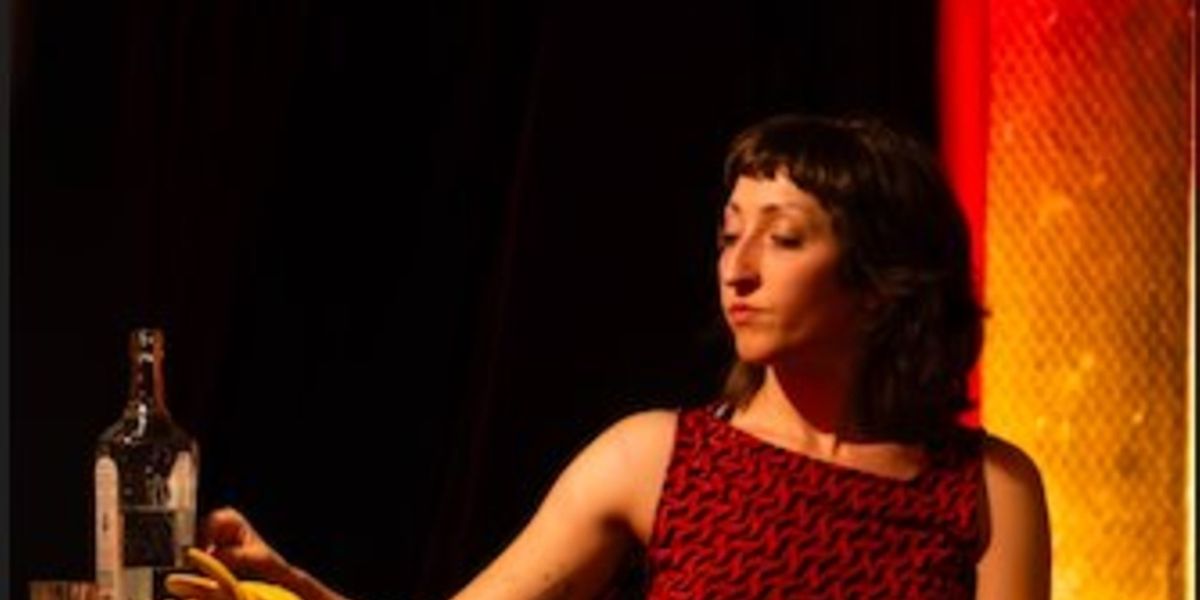
I’m loath to reach for superlatives, but a nearly bare-bones production of Sam Shepard's FOOL FOR LOVE at Koso Theatre Collective was likely the best-acted ensemble work I’ve seen all year. I’d urge you to see it—but you can’t. The run was brief, the houses were packed, and the show is gone.
Not to fret; Koso is just getting started.
The company’s email invite billed it as a “lab production," presumably a nod to the company's long game to establish an ongoing studio series. That said, the experience didn’t feel provisional for a second.
Helmed with remarkable nuance by Los Angeles–based director Josh Benson, the work held together in a space intimate enough to expose the slightest affectation. The acting didn’t reach outward; it settled into a fixed, unyielding moment. It felt as if the audience had stumbled upon a scene already in motion, the actors inhabiting that motel room long before we entered the shared space.
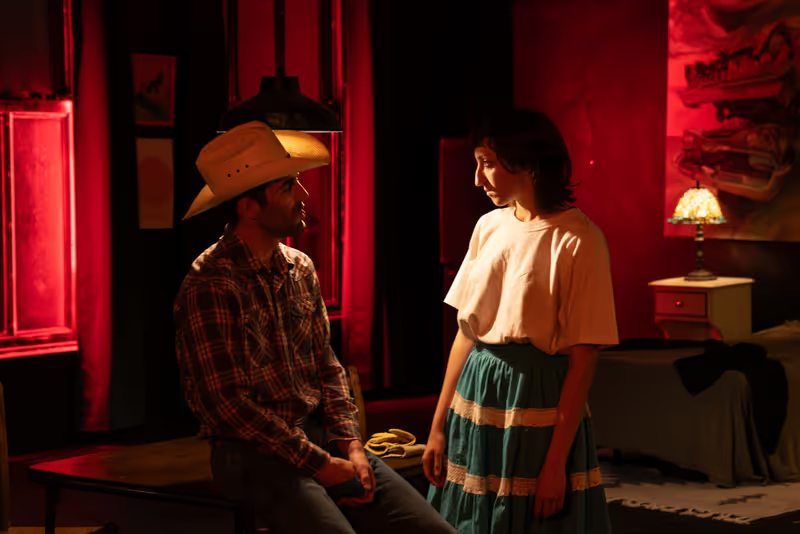
Given Shepard’s stripped-down vernacular, FOOL FOR LOVE can easily buckle under overstatement. Here, it didn’t. The volatility felt earned, shaped by a process that values discipline over spectacle. As the embattled Eddie and May, Aaron Cammack and Justine Wilken navigated the play’s circular violence with bracing intensity, while Dennis O’Dell’s Old Man and Aaron Shand’s Martin anchored the edges with grounded precision.
The company’s structure reinforces this sense of ongoing practice. Founded by Cammack and Sophie Gibson-Rush, the ensemble feels less like an institution than a group of people who’ve agreed on how the work should be done—and keep showing up to do it. Gibson-Rush was the first to learn of Cammack’s decision to forego opportunities in New York in favor of building something here in Tucson, instead of chasing the next thing elsewhere.
That choice set the tone. The group now trains together weekly, treating acting not as preparation for performance but as a discipline in itself. It’s a way of keeping the instrument responsive and exact. The result isn’t abstract; it’s visible in the work.
If this is what Koso produces at the studio level, they’re not just introducing themselves. They’re showing you how they intend to work. What’s striking is not just the quality of the performance, but the context. This kind of granular, process-driven acting (the kind you associate with theatre conservatories or behind closed doors) has found a home in a small, independent venue in downtown Tucson.
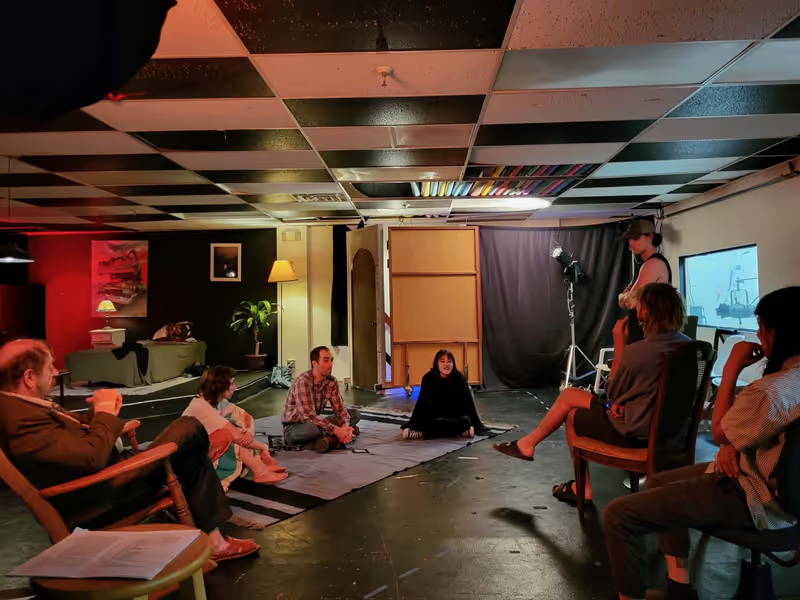
With Koso, the energy shifts: these are not students learning a craft, but working professionals returning to it, refining it in real time. In this setting, the usual theatrical scaffolding falls away. With minimal design (and practical lighting), the actors generate tension through behavior alone, turning a small studio into a Mojave motel room with little help from the space itself. This isn’t minimalism for its own sake. There’s just nowhere to hide.
For Tucson, that shift matters. This is theatre rooted in proximity and shared rigor. If KOSO can sustain this level of practice, the result won’t just be strong productions, but a meaningful expansion of what local theatre can hold.
To learn more about this exciting new company, visit: www.kosotheatre.org
Weekly top stories - unsubscribe anytime.

|
The Wiz (Touring) Mesa Arts Center (11/20-11/22) |

|
Mean Girls MCC Performing Arts Center (10/09-11/08) |
|
The Lightning Thief: The Percy Jackson Musical Valley Youth Theatre (10/09-10/25) |
|
British Invasion: The Who, The Kinks, Herman's Hermits, The Moody Blues, The Zombies, The Animals and more Hale Centre Theatre Arizona (10/09-10/24) |

|
Damn Yankees Hale Centre Theatre Arizona (4/02-5/08) |
|
The Miraculous Journey of Edward Tulane The Scoundrel and Scamp Theatre (2/25-3/14) |
|
The Texas Tenors Chandler Center for the Arts (1/30-1/30) |
|
RICHARD III Southwest Shakespeare Company (10/10-10/24) |
|
Oklahoma! Hale Centre Theatre Arizona (2/11-3/27) |
|
The WoBo Show The Scoundrel and Scamp Theatre (11/13-11/15) |
