


Best Places to Visit Morocco A Journey Through Time, Mountains, and Magic at Best Places to Visit Morocco: A Journey Through Time, Mountains, and Magic
Dates: 2/14/2026 - 8/14/2030
Ouarzazate 75000, Maroc
Ouarzazate 75000, Maroc
Casablanca, GA 75000
Phone: +212661347126
Tickets: 950$
Three weeks before my trip, I stood in my living room staring at a map of Morocco, completely overwhelmed. Every travel blog listed the same places in the same order. Marrakech, Fez, Chefchaouen, Sahara Desert. Check, check, check, check. But here's what nobody warned me about—Morocco doesn't work like a checklist. The country demands you slow down, look deeper, and sometimes completely abandon your itinerary.
By day four of my actual journey, standing knee-deep in the Ouzoud waterfall mist with a Barbary ape stealing my sandwich, I realized something crucial. The Morocco that transforms travelers isn't found in the "top 10 must-see" lists. It's discovered in the spaces between those famous spots—in a Berber guesthouse at 2,300 meters above sea level, in the back alleys of medinas where locals actually shop, in desert camps where you can't tell if you're looking at stars or distant campfires.
I spent six weeks exploring this country in late 2024 and early 2025, and I'm going to share what actually matters when choosing where to spend your precious travel days in Morocco.
What Makes Morocco Different From Every Other Travel Destination
Before we dive into specific places, understand this: Morocco operates on its own timeline and logic. You'll plan meticulously, book everything in advance, map out every hour—and then reality will hit. The louage (shared taxi) leaves when it's full, not at 9 a.m. Your riad doesn't have a street address because the medina predates street planning by 800 years. The "30-minute walk" your guide mentioned actually means 90 minutes of vertical climbing.
This isn't a complaint—it's a feature, not a bug. The travelers who struggle in Morocco are the ones fighting this reality instead of embracing it. Whether you're following a casablanca itinerary 5 days or exploring the Sahara, flexibility becomes your most valuable travel companion.
The Imperial Cities Everyone Talks About (And What They Don't Tell You)
Marrakech: Beautiful Chaos or Chaotic Beauty?
Listen, I loved Marrakech. But I also wanted to leave Marrakech. Sometimes within the same hour.
The Jemaa el-Fna square at sunset is genuinely magical—acrobats flipping through crowds, the call to prayer echoing off thousand-year-old walls, snake charmers who've perfected the art of the tourist hustle. But it's also relentless. Every third person wants to sell you something, guide you somewhere, or invite you to their cousin's carpet shop.
What actually worked for me: staying in a riad deep in the medina (I chose Riad Kheirredine, about 90 euros per night as of January 2025) and treating Marrakech as a home base for day trips rather than the main event. The Jardin Majorelle is overrated and overpriced at 150 MAD (about 14 euros)—go to the Menara Gardens instead if you need green space.
The real Marrakech reveals itself at 6 a.m. when you wander the souks before tourist hours. That's when you see shopkeepers setting up, cats prowling for breakfast scraps, and the city breathing without performing.
Fez: Where Getting Lost Is the Point
If Marrakech is Morocco's showroom, Fez is its beating heart.
The Fez el-Bali medina—a UNESCO World Heritage Site since 1981—genuinely feels like stepping through a portal to medieval times. No cars. No street signs you can read. Just 9,400 alleys (yes, someone counted) weaving through 1,200 years of continuous habitation.
I hired a local guide for day one (through Fez Cultural Tours, 250 MAD for four hours) and he told me something that changed my approach: "In Fez, you don't find your destination. Your destination finds you when you stop looking."
The famous Chouara Tannery smells exactly as bad as everyone says (like death and ancient leather had a baby), but watching dyers work with techniques unchanged since the 11th century justifies the assault on your nostrils. Pro tip: the surrounding shops will offer you mint sprigs to hold under your nose—this service isn't free, and they'll ask for 20-50 MAD afterward.
Where Fez surprised me: the rooftop restaurants. Café Clock does incredible camel burgers (65 MAD) with views over the medina that make you understand why this city has survived every empire that tried to tame it.
Chefchaouen: Instagram Reality vs Ground Truth
The Blue Pearl. The Blue City. Morocco's most photographed destination.
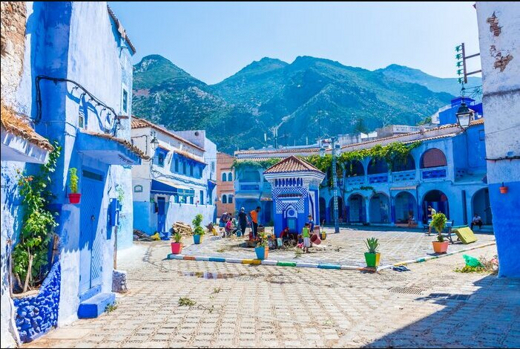
Yes, it's genuinely blue. No, it's not just one photogenic street—the entire old town is painted in varying shades of blue, supposedly to represent heaven, ward off mosquitoes, or keep buildings cool (locals give different answers depending on who you ask).
But here's the truth that travel influencers won't tell you: Chefchaouen in 2025 has become a victim of its own Instagram success. During peak hours (10 a.m. to 4 p.m.), you'll spend more time waiting for other tourists to finish their photo shoots than actually experiencing the city.
My solution: I stayed at Riad Hicham (excellent value at 70 euros per night, breakfast included) and explored exclusively during early morning and late afternoon. The city transforms at 6 a.m. when shopkeepers hose down the blue streets, creating these incredible reflections, and the only other people around are local women heading to the market.
The mountains surrounding Chefchaouen offer hiking trails that 80% of visitors never discover. The Spanish Mosque hike takes 45 minutes uphill and provides sunset views that justify the climb. Go with a local guide if you're hiking alone—the trails aren't well-marked and phone service is spotty.
The Places That Changed My Understanding of Morocco
The Sahara Desert: Beyond the Dunes
Everyone tells you to visit the Sahara. Almost nobody tells you how to do it right.
The Erg Chebbi dunes near Merzouga are spectacular, towering sand mountains that shift color from gold to deep orange to purple as the sun moves. But the three-day desert tour from Fez to Marrakech (I paid 250 euros per person with Morocco Fun Tours ) taught me that the journey to the desert matters as much as the desert itself.
You'll cross the Atlas Mountains through the Tizi n'Tichka pass at 2,260 meters, where the temperature drops 20 degrees and rain comes out of nowhere. You'll stop at Ait Benhaddou, the UNESCO World Heritage fortified village that's stood since the 11th century and served as the backdrop for Gladiator, Game of Thrones, and Lawrence of Arabia.
The actual camel trek into the dunes at sunset lives up to the hype, but here's what shocked me: the silence. When you're deep in the Erg Chebbi, away from the tourist camps, the silence is so complete you can hear your own heartbeat. No phone signal. No artificial light for 40 kilometers in any direction. Just sand, stars, and the occasional desert fox.
Desert camp reality check: the "luxury camps" cost 80-150 euros per person and include private tents with actual beds, en-suite bathrooms, and multi-course dinners. The budget camps (30-50 euros) mean shared facilities, mattresses on the floor, and basic tagine meals. Both include the same starry sky and camel ride. Choose based on your comfort threshold and budget.
Atlas Mountains: Morocco's Overlooked Masterpiece
Mount Toubkal, at 4,167 meters, is North Africa's highest peak and attracts most international hikers. But I'm going to suggest something controversial: skip Toubkal unless you're specifically chasing summits.
The three-valley trek through the Azzaden, Imenan, and Ait Mizane valleys offers better cultural immersion, more varied landscapes, and approximately 90% fewer tourists. I organized mine through Trek Atlas (from Marrakech), paying 380 euros for a four-day private trek with guide, mule support, and accommodation in Berber guesthouses.
What makes the Atlas special isn't the elevation—it's the villages clinging to impossible cliffside locations, terraced with ancient agricultural systems that predate the Roman Empire. In the village of Tiziane, I had dinner with a Berber family in their traditional home. They served chicken tagine with preserved lemons (which they grow and preserve themselves), fresh bread baked in a communal clay oven, and mint tea so sweet it could substitute for dessert.
The mountains taught me about Morocco's depth. While Marrakech performs culture for tourists, these mountain villages live it. Kids still herd goats after school. Women still weave carpets using techniques passed down through 40 generations. Life moves to seasonal rhythms that cities forgot centuries ago.
Best time for Atlas trekking: April to June and September to November. July and August get scorching in lower valleys (though high-altitude treks remain pleasant). December to March brings snow and ice, requiring technical equipment for most routes.
Essaouira: Where Morocco Takes a Beach Breath
After the intensity of Marrakech and Fez, Essaouira feels like Morocco in a lower gear.
This Atlantic coastal town combines whitewashed medina walls, blue shutters, constant ocean breeze, and a genuinely relaxed vibe. The defensive walls and UNESCO-listed medina date to the 18th century when this was Morocco's primary port for trade with Europe.
What I loved: the absence of aggressive selling. Essaouira's economy depends on tourism, but somehow the hustling feels gentler here. Shop owners will chat about their products without the hard sell. Restaurants don't deploy aggressive touts to fill tables.
The seafood is exceptional—walk to the port where fishermen dock in the afternoon, buy directly from them (negotiate prices, expect to pay 80-150 MAD per kilo depending on the fish), and take it to one of the grill stands. They'll cook it for 20 MAD per person and throw in bread, salad, and olives. Cheaper and fresher than any restaurant meal.
I stayed at Riad Chbanate (surprisingly affordable at 55 euros per night, March 2025 pricing) and spent three days doing basically nothing beyond walking, eating, and watching windsurfers battle Atlantic swells.
The Hidden Gems That Locals Actually Visit
Ouzoud Waterfalls: Nature Without the Desert Backdr
op
Just 150 kilometers northeast of Marrakech (about 2.5 hours by car), the Ouzoud Waterfalls drop 110 meters through three cascading tiers into a canyon lined with olive groves.
The trail system is well-marked enough that you don't need a guide, but watch for the Barbary apes—they're brazen food thieves with zero respect for personal space. I watched one steal an entire baguette sandwich from a German tourist's hand while he was mid-bite.
Entry is free, but parking costs 20 MAD and the trail vendors will aggressively offer guide services (50-100 MAD, unnecessary unless you want historical context). The best views come from hiking to the base of the falls—bring waterproof gear because the mist creates a constant shower.
Oualidia: The Lagoon That Time Forgot
Oualidia, a small coastal village 180 kilometers south of Casablanca, remains mysteriously absent from most Morocco itineraries despite having arguably the country's best oysters and a sheltered lagoon perfect for kayaking.
The lagoon is actually a natural saltwater inlet protected from Atlantic waves by rocky barriers. Local oyster farms have operated here since the 1950s (introduced by the French), and you can buy them fresh for 30-40 MAD per dozen at the source.
I stumbled on Oualidia during a solo road trip and ended up staying three nights at La Sultana Oualidia (splurge alert: 280 euros per night but worth it for the clifftop views and infinity pool). If that's above budget, Hippocampe Hotel offers decent rooms for 70-90 euros.
Practical Reality: Making Morocco Work for You
Transport Truth Nobody Shares
Morocco's train system (ONCF) is excellent between major cities—modern, punctual, and affordable. Marrakech to Fez takes 7 hours and costs 180-220 MAD for second class, 270-310 MAD for first class (as of February 2025).
But here's what the guidebooks don't emphasize: trains only connect the big cities. For everything else—Atlas Mountains, Sahara Desert, coastal towns—you need cars, buses, or shared taxis.
Grand taxis (shared Mercedes sedans that fit six passengers) are the local transport solution. They're cheap (often 15-30 MAD per person), fast, and will make you question every life choice as the driver overtakes on blind mountain curves. But they're also the authentic Moroccan travel experience.
Private cars with drivers cost 500-800 MAD per day depending on distance and bargaining skills. Book through riads or hotels rather than street approaches—you'll get better service and recourse if problems arise.
Money Matters and Hidden Costs
Morocco runs on cash. Credit cards work in hotels and upscale restaurants, but medina shops, taxis, street food, and entrance fees require dirhams. ATMs are widely available in cities but scarce in rural areas—withdraw extra before heading to the Atlas or desert.
Tipping culture: round up for taxis (if the ride is 23 MAD, give 25). Restaurant service gets 10% if the service merits it. Hotel porters expect 10-20 MAD per bag. Desert guides and drivers deserve generous tips if they've enhanced your experience (I gave my desert tour driver 200 MAD and guide 300 MAD after four days).
Hidden costs nobody mentions: medina "guides" who aren't official guides but expect payment after showing you to your riad (refuse or agree on price upfront), "free" mint tea at carpet shops (nothing is free), and entrance fees that add up (many mosques and monuments charge 20-70 MAD per person).
Safety Real Talk for Solo Travelers
Morocco is safe. I'm a solo traveler and never felt physically threatened during six weeks of exploration. But "safe" doesn't mean "comfortable at all times."
The hassling is real, especially in Marrakech's tourist zones. Men will approach solo women constantly—sometimes with genuine romantic interest, sometimes practicing English, sometimes running tourist scams. Firm, polite refusals work better than engagement. "La, shukran" (no, thank you) becomes your mantra.
Women should dress conservatively outside beach towns—covered shoulders and knees reduce unwanted attention significantly. This isn't about right or wrong; it's about travel pragmatism.
The biggest actual safety concern? Traffic. Moroccan drivers operate on organized chaos principles that defy Western traffic logic. Crossing streets requires confidence, awareness, and acceptance that pedestrian right-of-way is theoretical rather than practiced.
Building Your Perfect Morocco Itinerary
The Two-Week Classic Loop
Days 1-3: Marrakech (acclimate, explore, day trip to Atlas Mountains or Essaouira)
Days 4-6: Three-day Sahara tour from Marrakech to Fez (includes Ait Benhaddou, Dades Valley, Erg Chebbi dunes, overnight in desert camp)
Days 7-9: Fez (medina exploration, day trip to Volubilis Roman ruins and Meknes)
Days 10-11: Chefchaouen (blue city, mountain hiking)
Days 12-14: Return to Marrakech via Rabat (stop at Hassan Tower, Kasbah of the Udayas)
This hits the major highlights while allowing recovery time between intense experiences.
The Deep-Dive Three-Week Version
Add the two-week loop above, then extend with:
Days 15-17: Essaouira (coastal relaxation, fresh seafood, beach time)
Days 18-20: Atlas Mountain trekking (three-valley circuit, Berber village homestays)
Day 21: Return to Marrakech for departure
This version balances cultural immersion with physical activity and beach recovery.
The Off-the-Beaten-Path Month
For travelers with time and adventure tolerance:
Include everything above, plus Oualidia (3 days), Tafraoute in the Anti-Atlas (3 days), Ouzoud Falls (1 day), Imsouane surf village (3 days), and Asilah coastal town (2 days).
This itinerary requires either renting a car or hiring drivers for multi-day stretches. Budget an extra 400-600 euros for transportation.
Food: What Actually Tastes Good vs Tourist Traps
The tagine reputation is deserved—slow-cooked meat (usually chicken, lamb, or beef) with vegetables, preserved lemons, olives, and spice combinations that vary by region. Best versions come from local restaurants where Moroccans actually eat, not medina tourist traps charging 120 MAD for mediocre versions.
Street food wins every time: harira (hearty soup, 10-15 MAD), msemen (flaky flatbread, 3-5 MAD per piece), grilled sardines (20 MAD for a huge portion), and fresh orange juice squeezed to order (4-8 MAD).
The mint tea ritual is real—three rounds, increasingly sweet, served in ornate glasses. Refusing tea can be considered rude in social settings, but in commercial settings (shops, tours), accepting tea implies purchasing interest. Navigate accordingly.
Avoid: any restaurant with photos on the menu, aggressive touts at the entrance, or suspiciously identical offerings across multiple establishments. These are tourist extraction operations, not authentic dining experiences.
Accommodation: Riads, Hotels, and Where to Actually Sleep
Riads (traditional Moroccan houses converted into guesthouses) provide the quintessential Morocco accommodation experience—central courtyards, ornate tile work, rooftop terraces for breakfast and sunset tea.
Budget riads: 30-60 euros per night, smaller rooms, shared terraces, basic amenities. Book through Booking.com or direct contact.
Mid-range riads: 60-120 euros per night, private bathrooms, air conditioning, better locations, often include breakfast. Worth the upgrade.
Luxury riads: 150-400 euros per night, pool access, hammam services, personalized service, stunning architecture. Splurge for special occasions.
Hotels work better in modern cities like Casablanca and Rabat but feel soulless in medina settings. The exception: beach destinations like Essaouira where hotels offer ocean views riads can't match.
When to Visit Morocco: Climate Reality Beyond Generic Advice
Spring (March to May) and fall (September to November) dominate recommendation lists for good reason—moderate temperatures, manageable tourist crowds, green landscapes in mountain regions.
But here's the nuance:
Summer (June to August): Brutally hot in Marrakech and Fez (40°C+), perfect in Atlas Mountains and coastal areas. Sahara temperatures become dangerous during midday. If you must visit in summer, prioritize mountains and beaches.
Winter (December to February): Atlas Mountains require snow equipment, Sahara nights drop below freezing (I'm talking 0°C or lower), but cities remain pleasant during daylight. Lower prices and thin crowds compensate for weather limitations.
Religious timing: Ramadan shifts annually (based on lunar calendar). During Ramadan, most restaurants close during daylight hours, attractions keep shorter hours, and the country's rhythm changes significantly. Not impossible to visit, but requires adjustment and cultural sensitivity.
What I Wish Someone Had Told Me Before I Went
Morocco doesn't work like checklist tourism. The country rewards slowness, curiosity, and spontaneity more than efficient planning.
The best experiences come from following unexpected opportunities: accepting tea invitations from shopkeepers with no purchasing pressure, hiking trails suggested by random locals, meals at restaurants where you're the only foreigner. Even on high-end Morocco luxury Tours, the magic often happens outside the itinerary.
The worst experiences stem from fighting Morocco's pace, getting angry about delays, demanding Western efficiency, treating local customs as inconveniences rather than cultural differences.
Pack patience along with your camera. Bring genuine curiosity beyond Instagram documentation. Accept that plans will change, buses will leave late, and the "ten-minute walk" will somehow take 45 minutes.
Morocco isn't a destination you conquer. It's a place that slowly reveals itself to travelers willing to meet it halfway.
Final Thoughts After Six Weeks
I came to Morocco expecting exotic architecture and desert sunsets. I left with something harder to photograph—an understanding of how travel works best when you stop performing it and start experiencing it.
The Marrakech medina at 6 a.m. beats Jemaa el-Fna at peak tourist hours. The conversation with a Berber grandmother about her grandchildren matters more than summiting Toubkal. The quiet morning in Chefchaouen outshines the crowded afternoon Instagram sessions.
Morocco taught me to look beyond the obvious, stay longer in fewer places, and value authentic connection over comprehensive coverage. The best things to visit in Morocco aren't always the ones featured in guidebooks—they're the moments of genuine human connection, the unexpected detours, and the experiences that can't be scheduled.
The country doesn't need your visit—it's survived just fine for millennia without tourism. But if you approach it with respect, patience, and genuine interest in its complexities rather than just its photogenic surfaces, Morocco will reward you with experiences that transform how you travel everywhere else afterward.
The question isn't whether Morocco belongs on your travel list. The question is whether you're ready to travel the way Morocco demands—slowly, mindfully, and with full acceptance that the best moments come unplanned.
Frequently Asked Questions
Is Morocco safe for solo female travelers?
Yes, but with considerations. I traveled solo for six weeks without safety issues. Dress conservatively, especially outside tourist areas. Be prepared for frequent male attention and develop firm but polite refusal strategies. The actual danger level is low, but comfort level varies based on personal boundaries and tolerance for persistent approaches.
How much money do I need per day in Morocco?
Budget travelers can manage on 30-40 euros per day (hostel accommodation, street food, public transport). Mid-range travelers should budget 70-100 euros (decent riad, mix of restaurant meals, private transport for day trips). Luxury travelers will spend 150-300+ euros (high-end riads, private drivers, upscale restaurants). These figures exclude multi-day tours like Sahara trips.
Do I need to speak French or Arabic?
Not essential in major tourist areas where many Moroccans speak functional English. But learning basic French phrases (bonjour, merci, combien) significantly improves interactions. Arabic knowledge helps in rural areas and builds immediate rapport. Download Google Translate with offline language packs as backup.
Can I drink alcohol in Morocco?
Morocco is a Muslim country, but alcohol is legal and available in licensed hotels, restaurants, and specialty shops. Prices are high (6-8 euros for beer, 15-25 euros for wine) due to taxes. Drinking in public streets is socially unacceptable. Some cities have dedicated alcohol shops; ask your riad for locations.
What's the deal with Moroccan carpet sellers?
They're persistent, skilled salespeople working on commission. If you want carpets, prepare to bargain hard—start at 40% of the asking price and negotiate up. If you don't want carpets, avoid accepting "just look, no pressure" invitations to shops. Once inside, leaving without purchasing becomes socially uncomfortable.
Should I book desert tours in advance or on arrival?
Booking in advance (online) costs 30-40% more than haggling in person, but provides peace of mind, confirmed quality, and better recourse if problems arise. If you're comfortable with uncertainty and have strong bargaining skills, booking on arrival in Fez or Marrakech saves money. For first-time Morocco visitors, I recommend advance booking.
Is it rude to photograph people in Morocco?
Yes, without permission. Always ask first, especially for close-up portraits. Many Moroccans—particularly older individuals and those in traditional dress—refuse photos. Some agree but expect small tips (5-20 MAD). Children are often more willing, but ask parents first. Market vendors selling photogenic products generally allow photos if you're shopping.
What's the best way to visit Ait Benhaddou?
It's 30 kilometers from Ouarzazate, 190 kilometers from Marrakech. Day trips from Marrakech take 8-9 hours total (4 hours each way) with 1-2 hours at the site—exhausting but doable. Better option: include it in a Sahara desert tour or stay overnight in Ouarzazate. Entry to the ksar is free, but "guides" will approach offering tours for 50-100 MAD (not mandatory).
Can I use my phone/internet in Morocco?
Yes. Major Moroccan carriers (Maroc Telecom, Orange, Inwi) sell tourist SIM cards for 50-100 MAD with 10-20 GB data. Purchase at airports or phone shops in cities—bring your passport. Coverage is excellent in cities, decent on major routes, spotty in mountains and remote desert areas. Most riads offer WiFi, though speeds vary dramatically.
What vaccines do I need for Morocco?
No vaccines are legally required for entry. CDC recommends ensuring routine vaccines (MMR, Tdap) are current and considering Hepatitis A and Typhoid for travelers eating street food or visiting rural areas. Consult travel medicine doctors 4-6 weeks before departure. Tap water is generally not drinkable—stick to bottled water.
Ages: No age limit
News About Best Places to Visit Morocco A Journey Through Time, Mountains, and Magic at Best Places to Visit Morocco: A Journey Through Time, Mountains, and Magic
We have no news on this show at the current time.

Best Places to Visit Morocco: A Journey Through Time, Mountains, and Magic Frequently Asked QuestionsFAQ
Where is Best Places to Visit Morocco: A Journey Through Time, Mountains, and Magic located?

|
Dr Kara Kibara – The Love Guru Brooklyn Art Haus (7/16-7/16) |
|
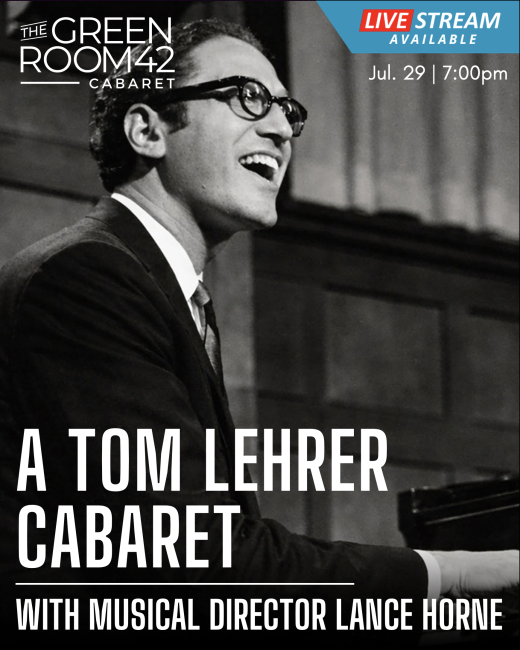
A Tom Lehrer Cabaret The Green Room 42 (7/29-7/29) |

|
Broadway Magic Hour Broadway Magic Hour: Magic Show (7/25-1/02) |

|
Oil & Whiskey The Bitter End, Laurie Beechman, Prohibition, The Rat NYC (7/15-8/12) |

|
Rock Never Dies Hard Rock Cafe (5/29-8/30) |
|
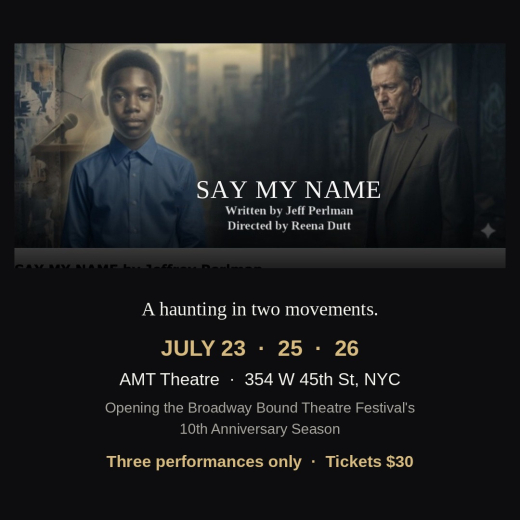
SAY MY NAME AMT Theatre (7/23-7/26) |
|
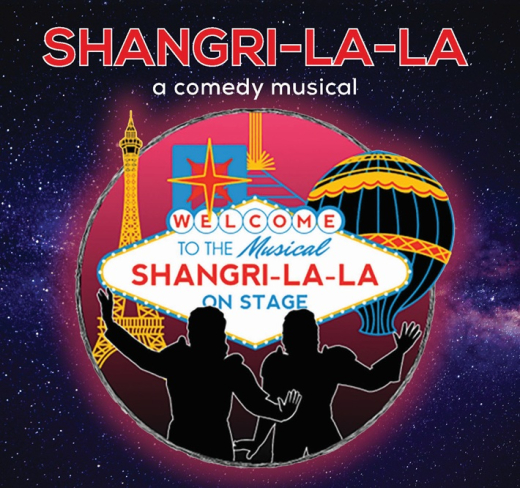
Shangri-La-La, a comedy musical about Siegfried & Roy American Theatre of Actors (ATA) (7/25-7/26) |

|
That Math Show Theater555 (6/11-8/16) |
|
Luke Bryan Constellation Brands Performing Arts Center (8/26-8/26) |

|
Aliza Kelly's Tea Party: A Live Astrology Show Joe's Pub (7/14-7/14) |