


Interview: Writer/Director Sofia Streisand of BLUEBEARD'S CASTLE
American Premiere at Odyssey Theatre November 1-23
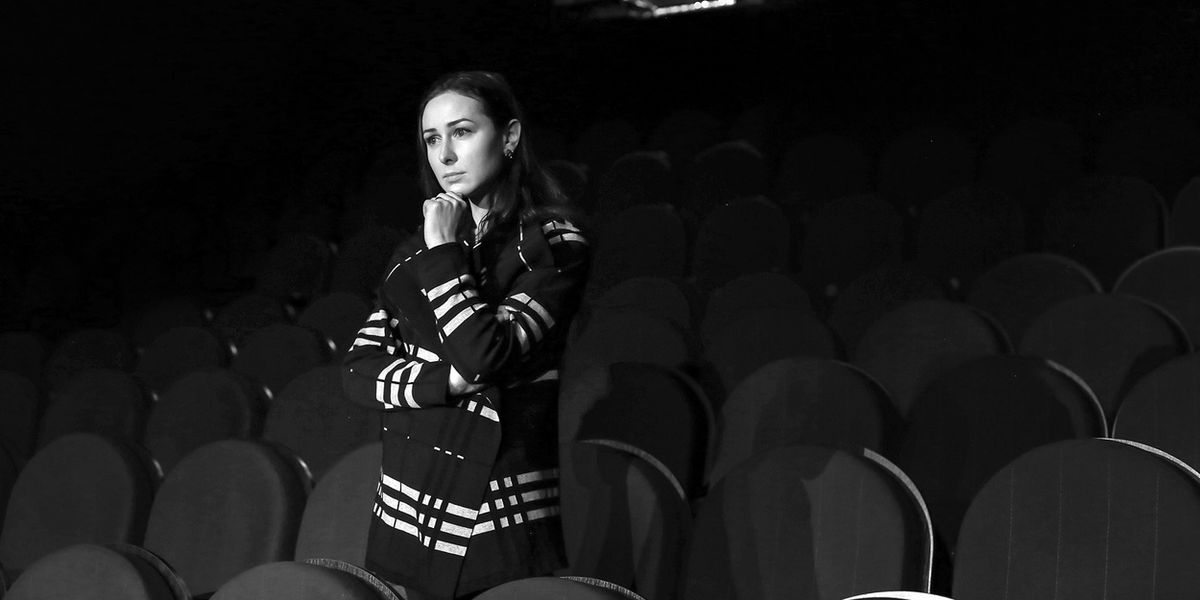
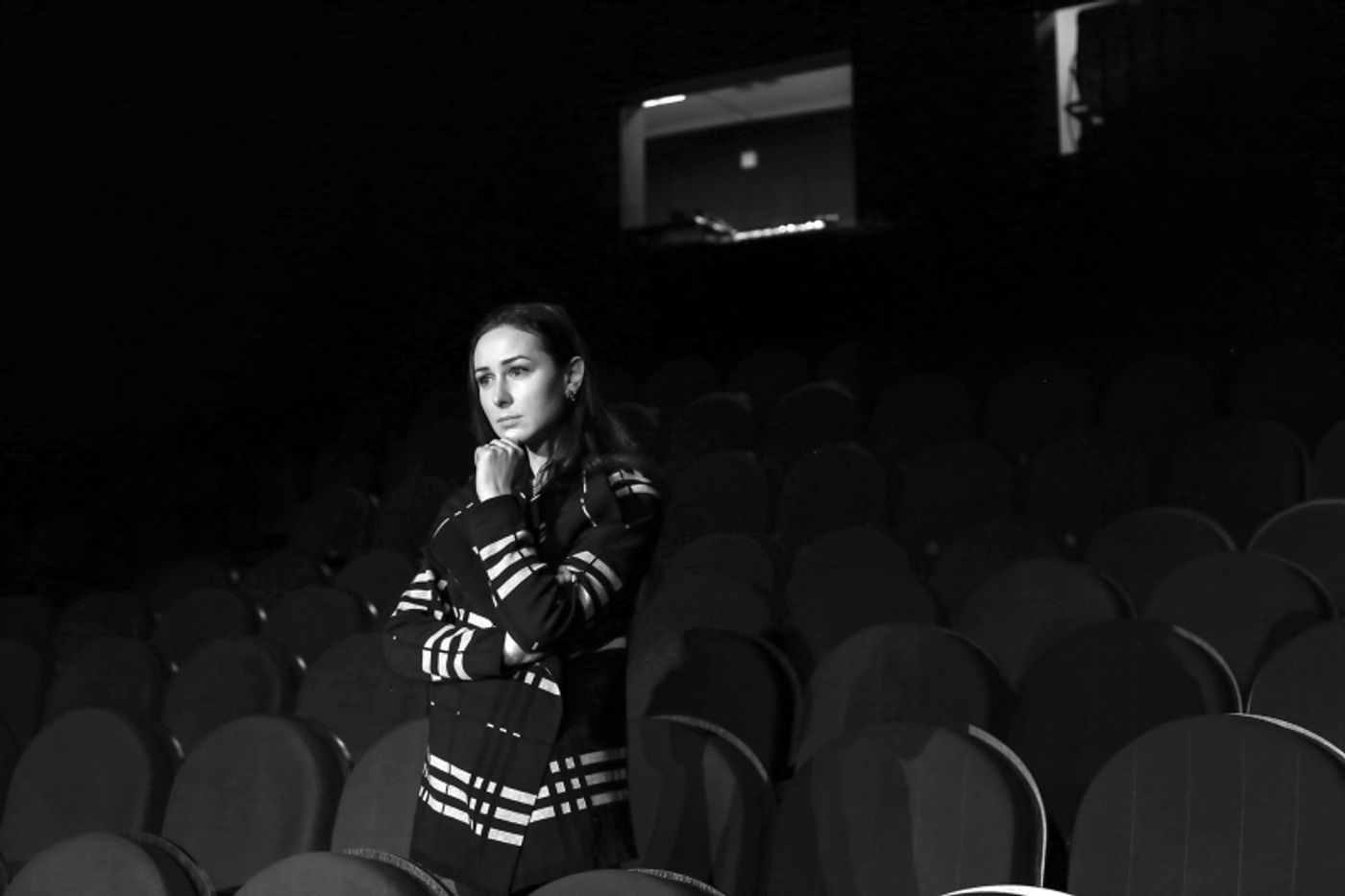
Writer/Director Sofia Streisand. Photo credit: Artem Gridnev
The American premiere of Bluebeard’s Castle, a dark musical thriller inspired by a medieval French fairy tale, written and directed by Sofia Streisand and featuring music by Sergey Rubalsky and Artem Petaykin; lyrics by Elena Hanpira; and choreography by Irina Lyahovskaya is set to take place at the Odyssey Theatre from November 1-23. This engagement also marks the play’s English language premiere.
The horror-filled tale takes place after long years of war have ended, and the towns and villages lie in ruins. The air is filled with the wails of widows and mothers in mourning, but also with the peal of wedding bells as a young girl is married off to a war hero with a wicked past – it’s rumored that his previous wives were killed or buried alive in his castle. Who would give a girl to be the bride of a monster?
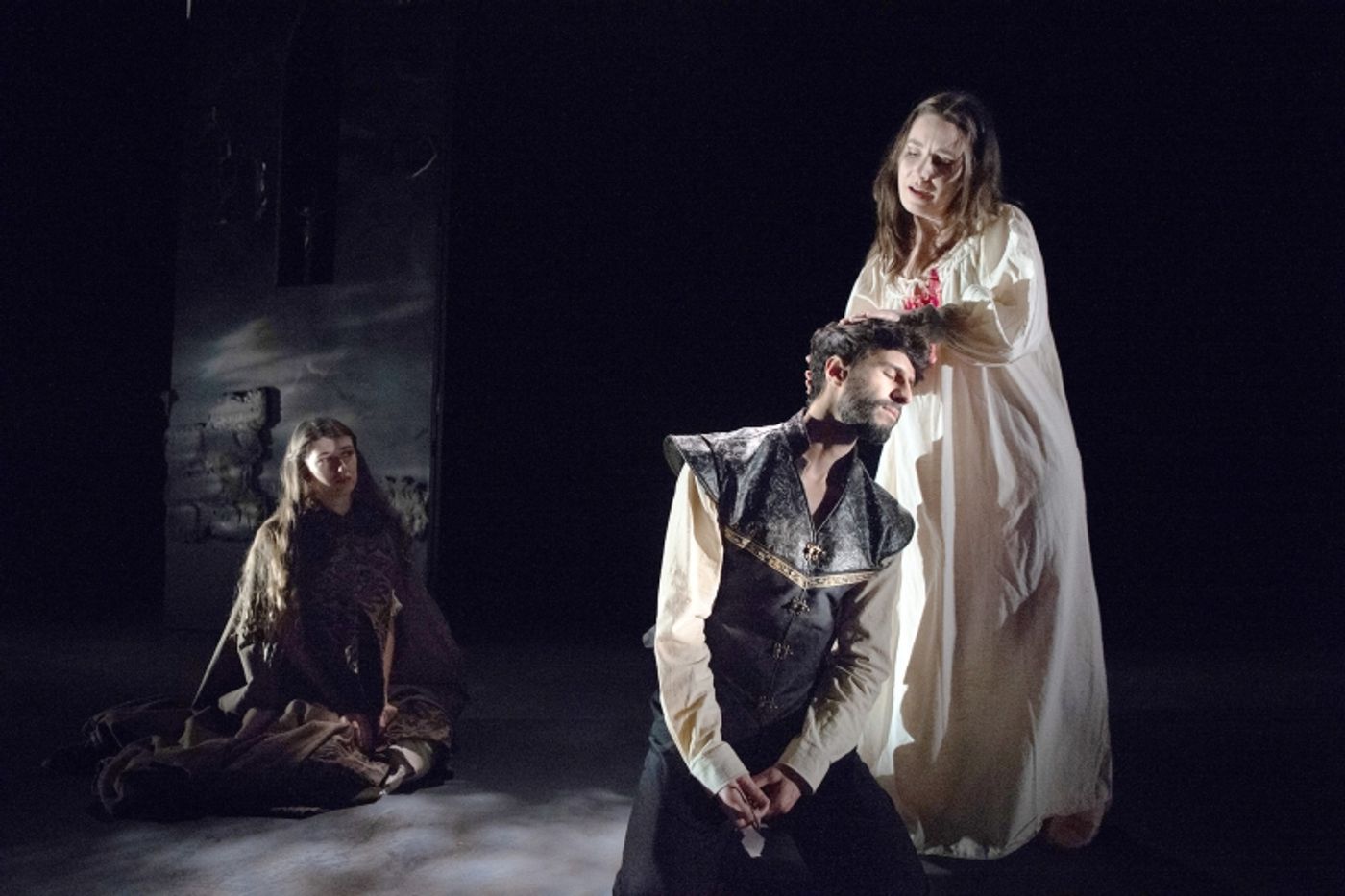
Casey Burke, Nathan Mohebbi, and Shannon Lee Clair. Photo by Cooper Bates
My conversation with writer and director Sofia Streisand centers around her inspiration for creating the dark musical thriller and how she expects American audiences to react to its content.
Bluebeard’s Castle takes a centuries-old French folk tale and turns it into a dark musical thriller. What drew you to this story, and why do you think it still resonates today?
First of all, I am typically drawn to very old stories: myths, legends, fairytales, folk epics. These stories are about archetypical characters, archetypical situations, about something that has been true about people’s nature for millennia. These tales survived and developed in times when most people were illiterate, evolved through centuries, were told and retold from generation to generation, and migrated from one land and culture to another.
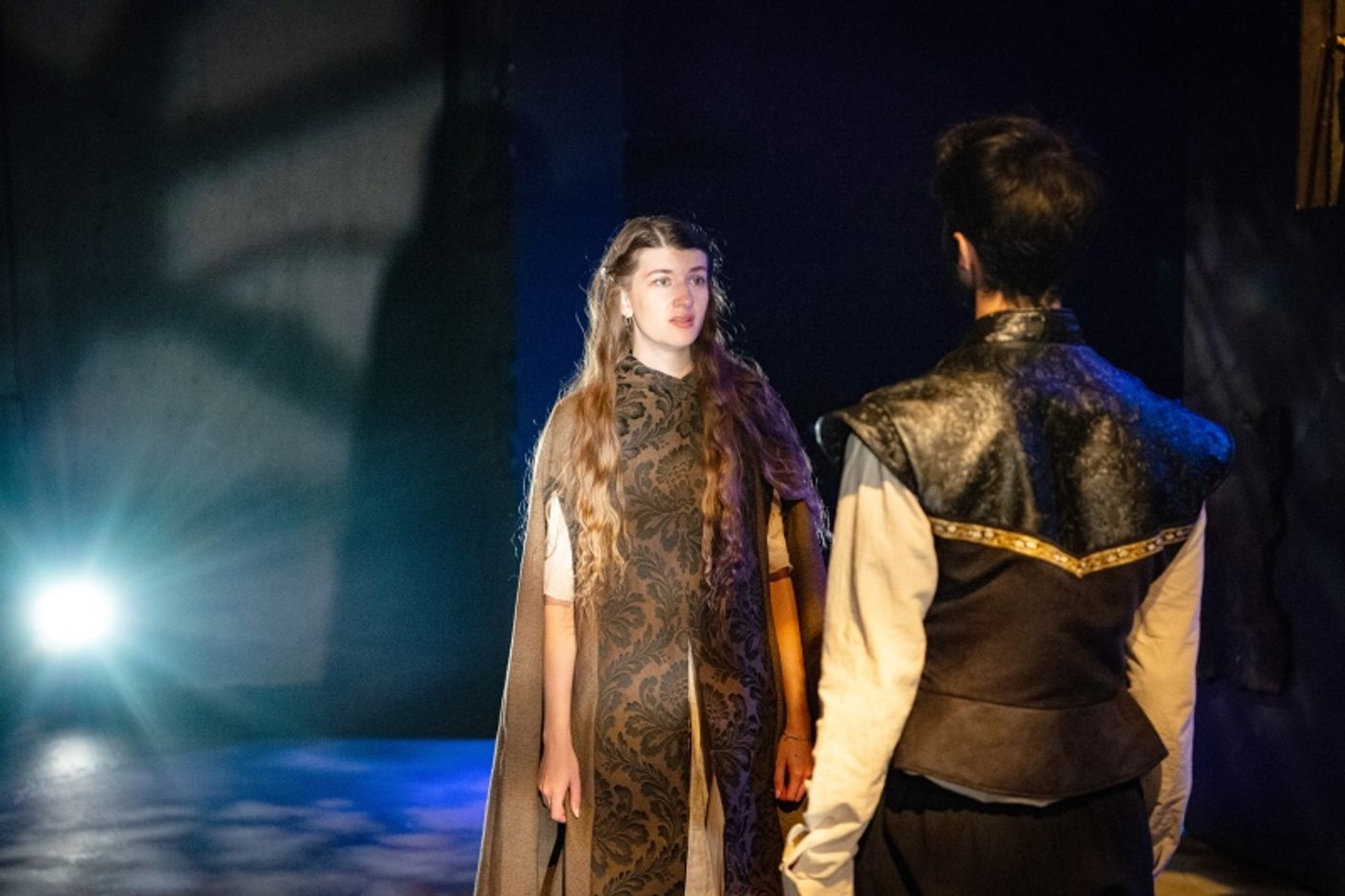
Casey Burke and Nathan Mohebbi. Photo by Cooper Bates
And then, in the last couple of centuries, they were interpreted by outstanding writers, composers, and choreographers, all of whom had different points of view when they approached these stories. I relate to some interpretations; I want to “argue” with others. Second, theatre is like a therapist’s office, a great place to work through big psychological issues. With this piece, I wanted to address violence.
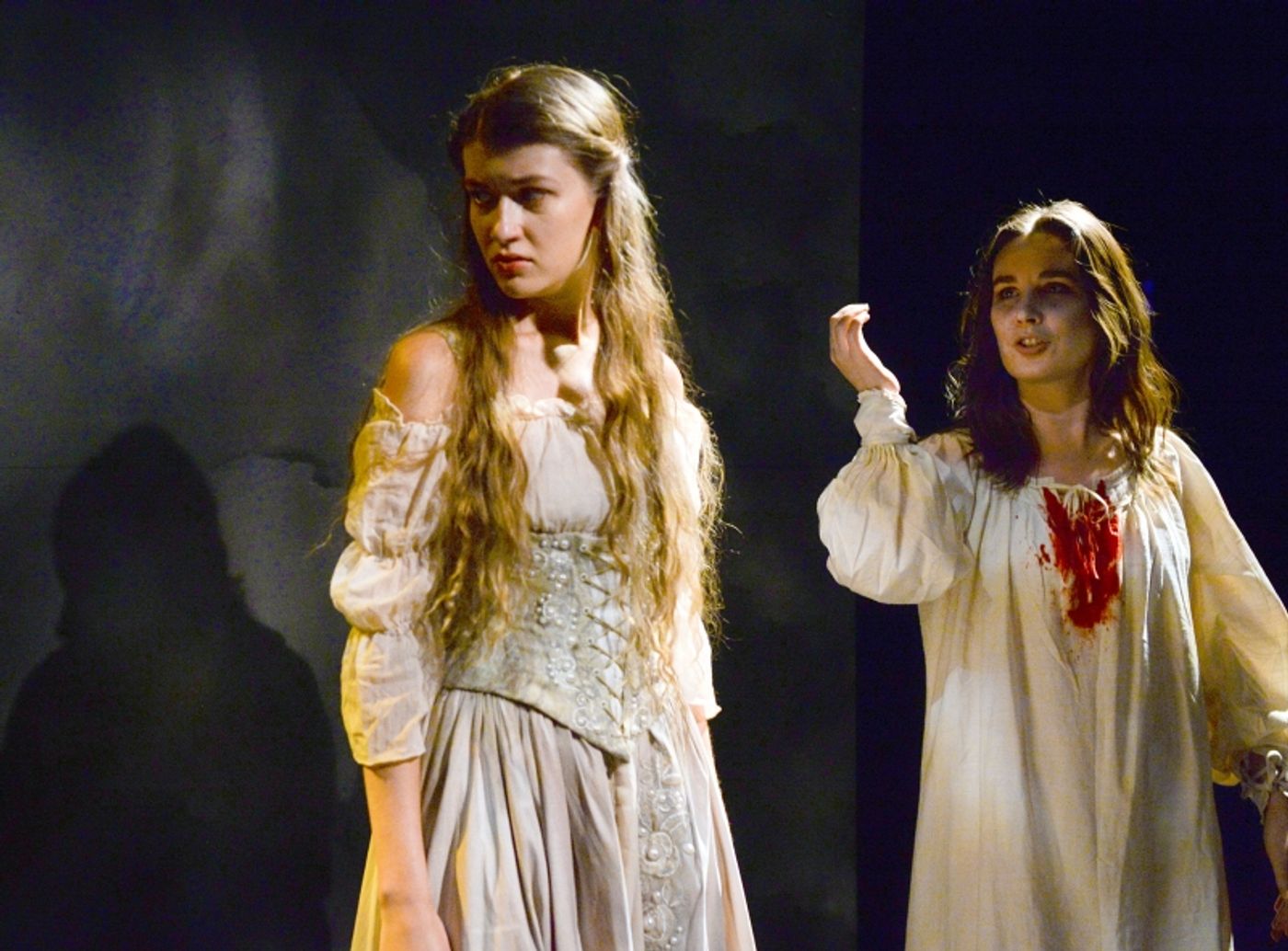
Casey Burke and Shannon Lee Clair. Photo by Cooper Bates
You’ve said Bluebeard’s Castle speaks urgently to today’s crises. Can you talk about how themes of domestic abuse and cycles of violence inspired your adaptation?
I’m sad to say that the world is looking very grim right now. The scale of international conflicts is frightening, but in a historical context, this is not new. What is a relatively new phenomenon, however, is the way these conflicts, which are external to our everyday existence, are nevertheless impacting us in ways that feel deeply personal to us, as the result of globalization, new technologies, and social media. So, a lot of people are living affected by the global violence and at the same time becoming numb to it (which is a defense mechanism) … And then there’s domestic abuse, which is a deeply personal form of violence, and like war, repeats itself like a vicious cycle not only within a couple, but generation to generation.
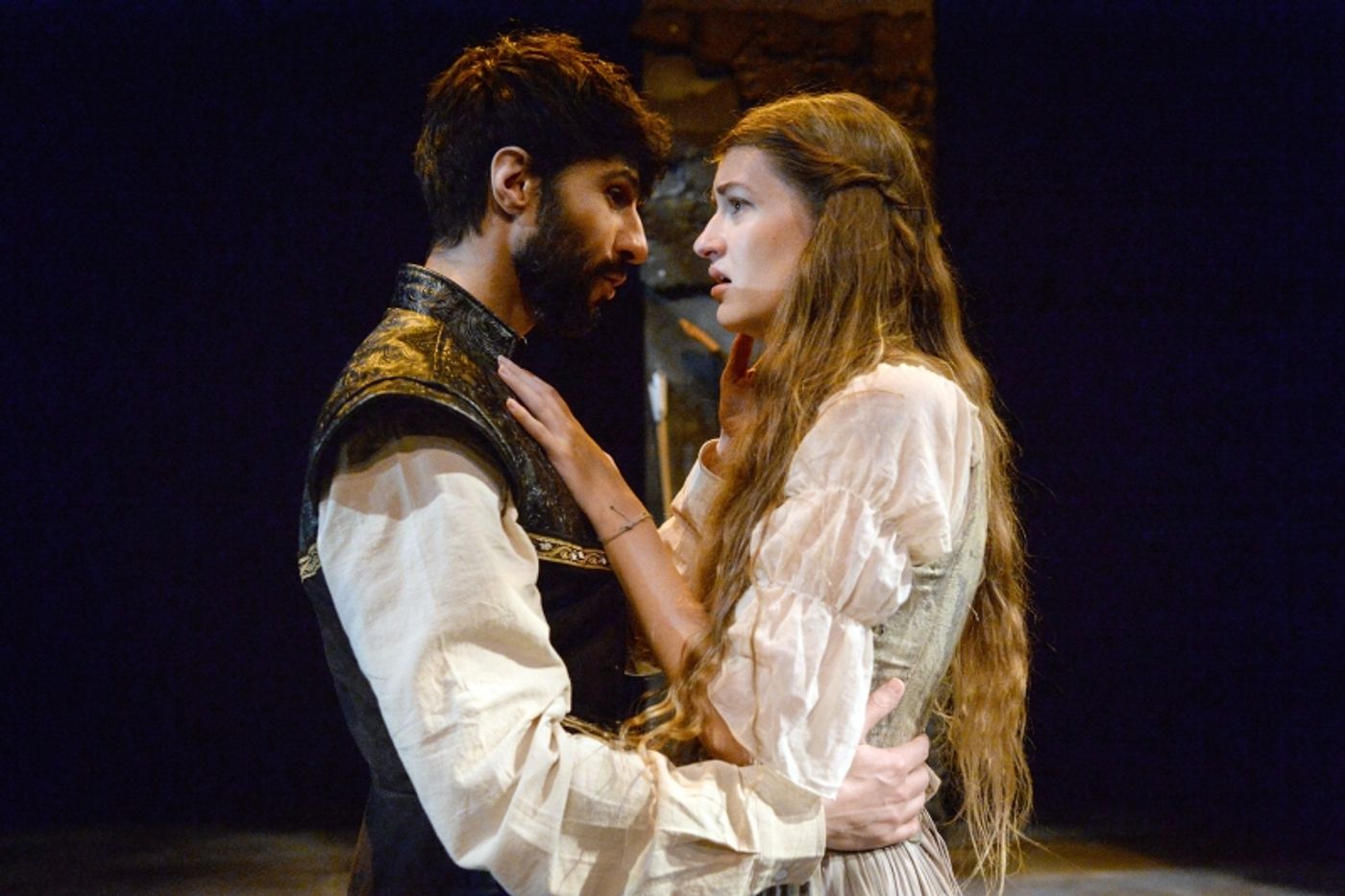
Nathan Mohebbi and Casey Burke. Photo by Cooper Bates
Horror and romance are unusual companions onstage. How did you approach balancing the terror with the love story at the heart of this musical?
The paradox where terror and romance or passion (that some would call love) are all intertwined and create an unhealthy cycle is not uncommon. The majority of femicides are committed not by strangers, but by the victims’ husbands, exes or family members. When and how did their love story turn into a horror? I think it’s an important and interesting question, worth evoking on stage and hopefully inspiring contemplation and conversation.
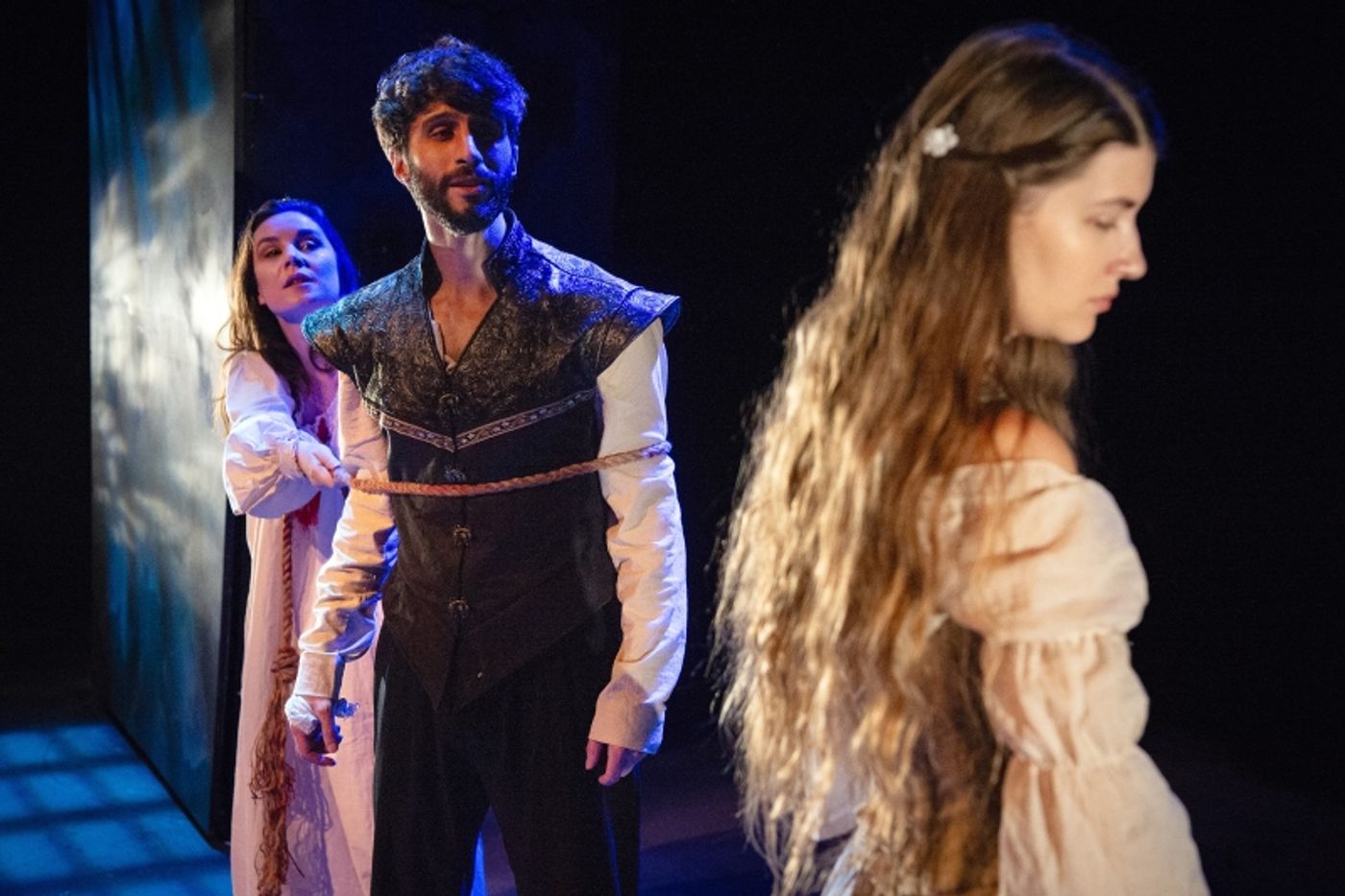
Shannon Lee Clair, Nathan Mohebbi, and Casey Burke. Photo by Cooper Bates
You’re both the writer and the director. How does wearing both hats shape the way you bring a project like this to life?
For this particular show, it’s very liberating. When I direct plays that are being performed for the first time, I want to be especially respectful to the author who wrote the story, to her original ideas and messages. Being both, I have the ethical freedom to cut lines and change them, to shift the material depending on a particular actor’s performance, or to emphasize one aspect of the story over another. This story is extremely ambiguous and depending on the staging could have entirely different effects.
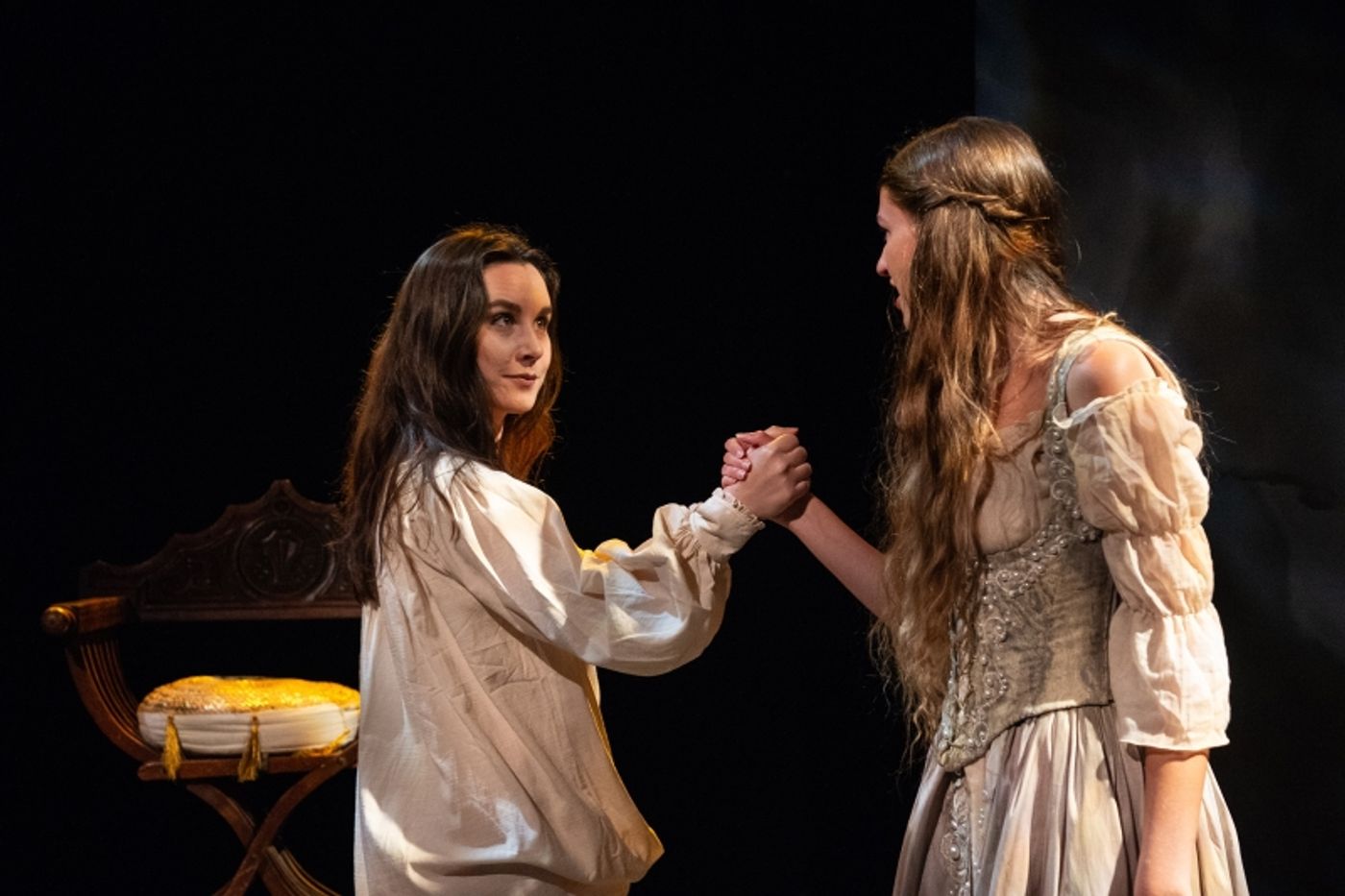
Shannon Lee Clair and Casey Burke. Photo by Cooper Bates
Bluebeard’s Castle features a Russian creative team, English lyrics, and now an American premiere. What were the challenges of translating the musical into English for U.S. audiences?
The challenges were plenty. One of the challenges is that the fairytale that inspired the story is not well-known in the States. Actually, I have yet to meet someone born and raised in America who is familiar with the fairytale when I mention the name of the show. In Europe, Bluebeard is as well known as Sleeping Beauty or Cinderella. So certain prerequisites for the story are missing.
Another challenge is rewriting lyrics for the songs. I had two incredible songwriters, Nancy Magarill and Terra Naomi, who had to come up with words that perfectly fit the original music, closely or even identically match the meaning of the original version, and manage to rhyme on top of it all.
But the biggest challenge is the cultural gap. I am not American and have not lived here for very long. I simply have no idea how Americans will react to certain scenes and certain lines of the play. Somehow it feels more provocative and triggering here. I just simply will not know until an American audience encounters it and reacts to it for the first time. But this is not just a great challenge, but very exciting for an artist.
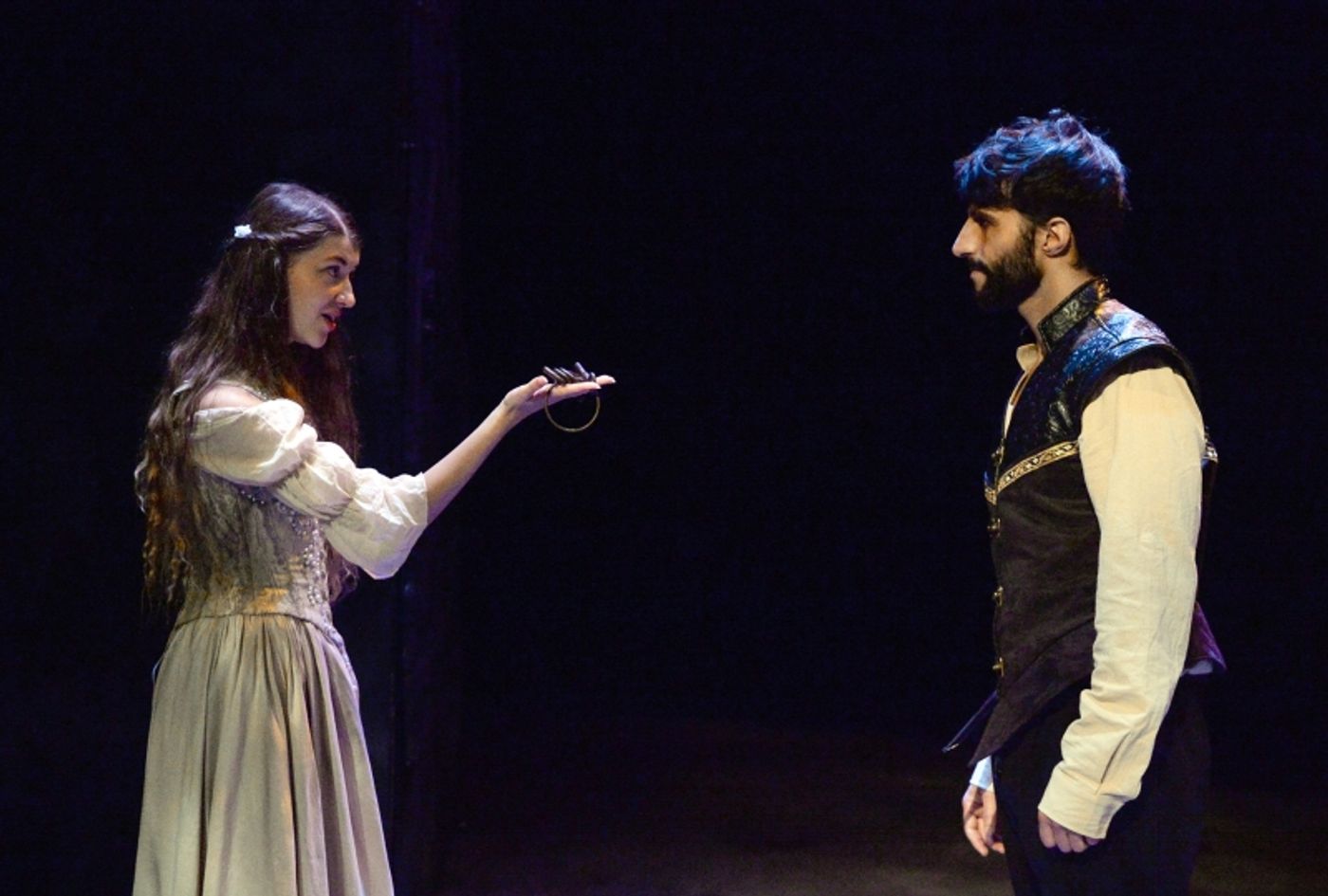
Casey Burke and Nathan Mohebbi. Photo by Cooper Bates
The piece has already played in Russia, Serbia, Montenegro, and France. Did each country’s audience react differently to the story?
I do think that violence and trauma of the kind we talk about in Bluebeard’s Castle is a universal trigger. There’s always at least some part of the audience who become very emotional, lots of tears. But every show is different in terms of what aspect of the story moves people the most. It has been performed by different casts, in different cities and different settings: in fancy traditional theaters, in underground bars with brick walls and poor lighting… Sometimes the audience was so close to the actors that it felt like an immersive performance. That does make it even more relatable, I think. At the Odyssey Theatre, it will be a similar experience: the audience will be very much in the Castle with the protagonists.
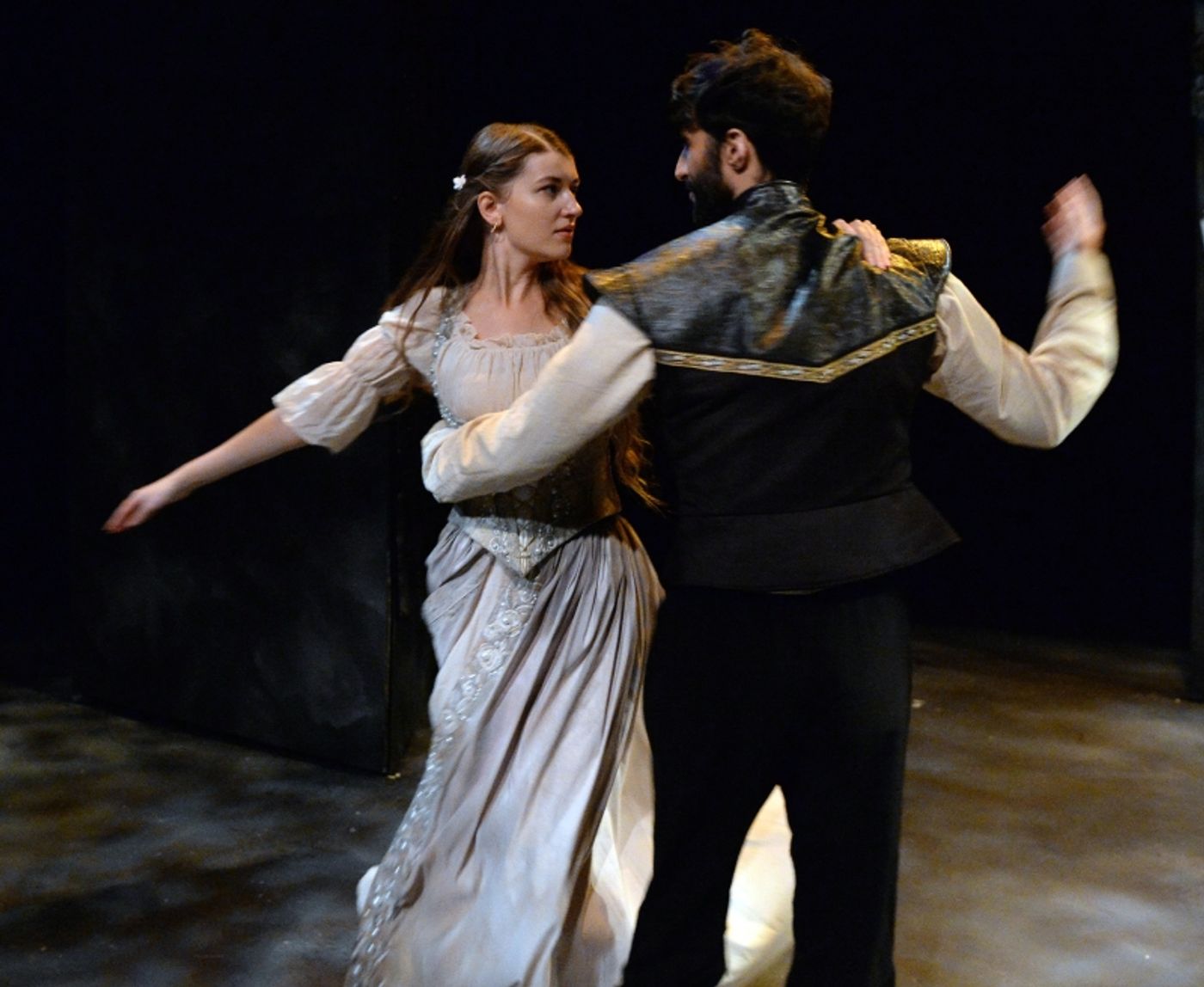
Casey Burke and Nathan Mohebbi. Photo by Cooper Bates
The production combines music, choreography, elaborate costumes, and moody lighting. What kind of world did you want to create for audiences when they step into Bluebeard’s castle?
I like theatre that takes you to a different world. Don’t get me wrong, theatre that looks just like our everyday life and rings painfully “here and now” is great too. But there’s something enriching about being transported to a different time, to a place that doesn’t and couldn’t exist anymore, being exposed to a culture or points of view that are foreign to us, attitudes that have been lost in the dust of the centuries (usually for the best). It makes you appreciate the progress humanity has made and the price paid for that progress. When you’re stepping into Bluebeard’s Castle, forget the freedoms and protections you have, especially if you’re a woman. And enjoy the cold and eerie spaces lit by torches and moonlight coming through the stained glass windows.
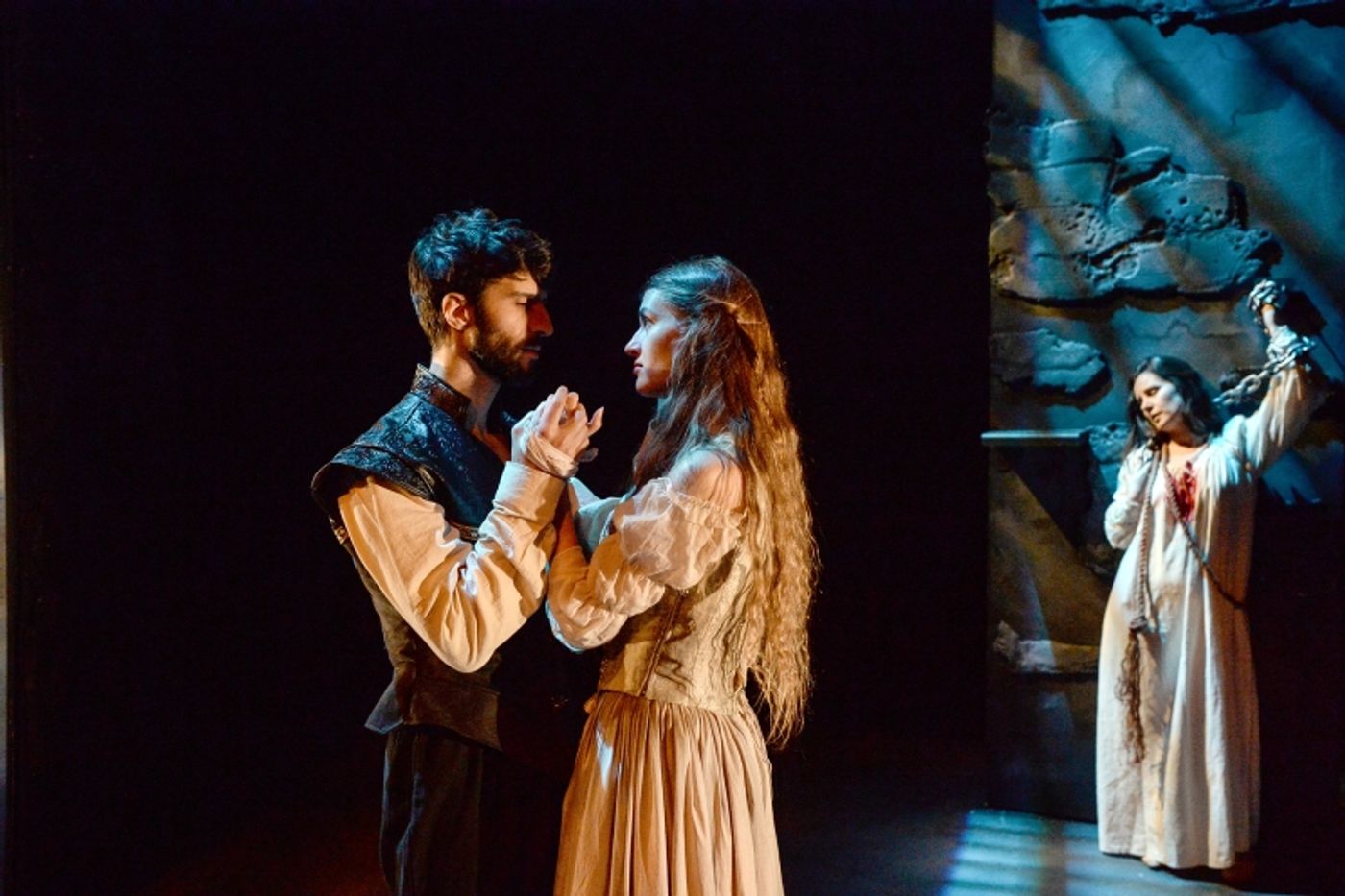
Nathan Mohebbi, Casey Burke, and Shannon Lee Clair. Photo by Cooper Bates
The story is filled with violence and forbidden chambers. How do you stage these moments so they feel powerful but not gratuitous?
There’s no objectivity when it comes to art. There will be someone who will find the scenes powerful and will be brought to tears; there will also be someone else who may find those very same scenes gratuitous. That’s ok with me. Secondly, there’s no way to control a live performance (unlike cinema or TV): you can’t discard a gratuitous take; theatre is mysterious and fragile, actors are living and breathing people, every show will be different.
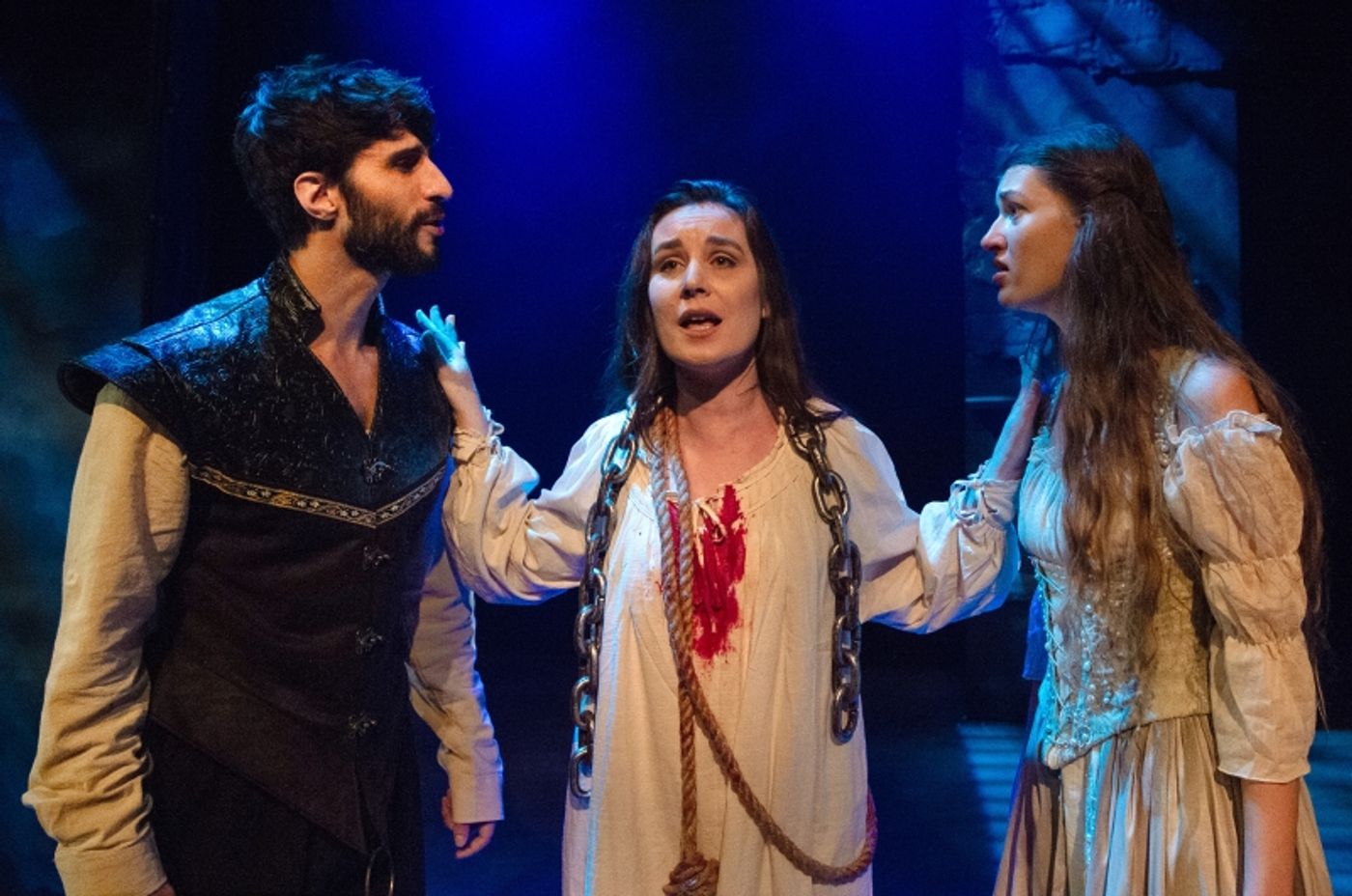
Nathan Mohebbi, Shannon Lee Clair, and Casey Burke. Photo by Cooper Bates
You’ve worked internationally in opera houses and festivals. How does that operatic background influence your approach to musical theater and thrillers like this one?
I’m sure it influences me a lot. And I’m sure that some may see certain tools I use as “operatic.” But I try not to overanalyze what I do and not put labels on artistic choices, just work from the heart.
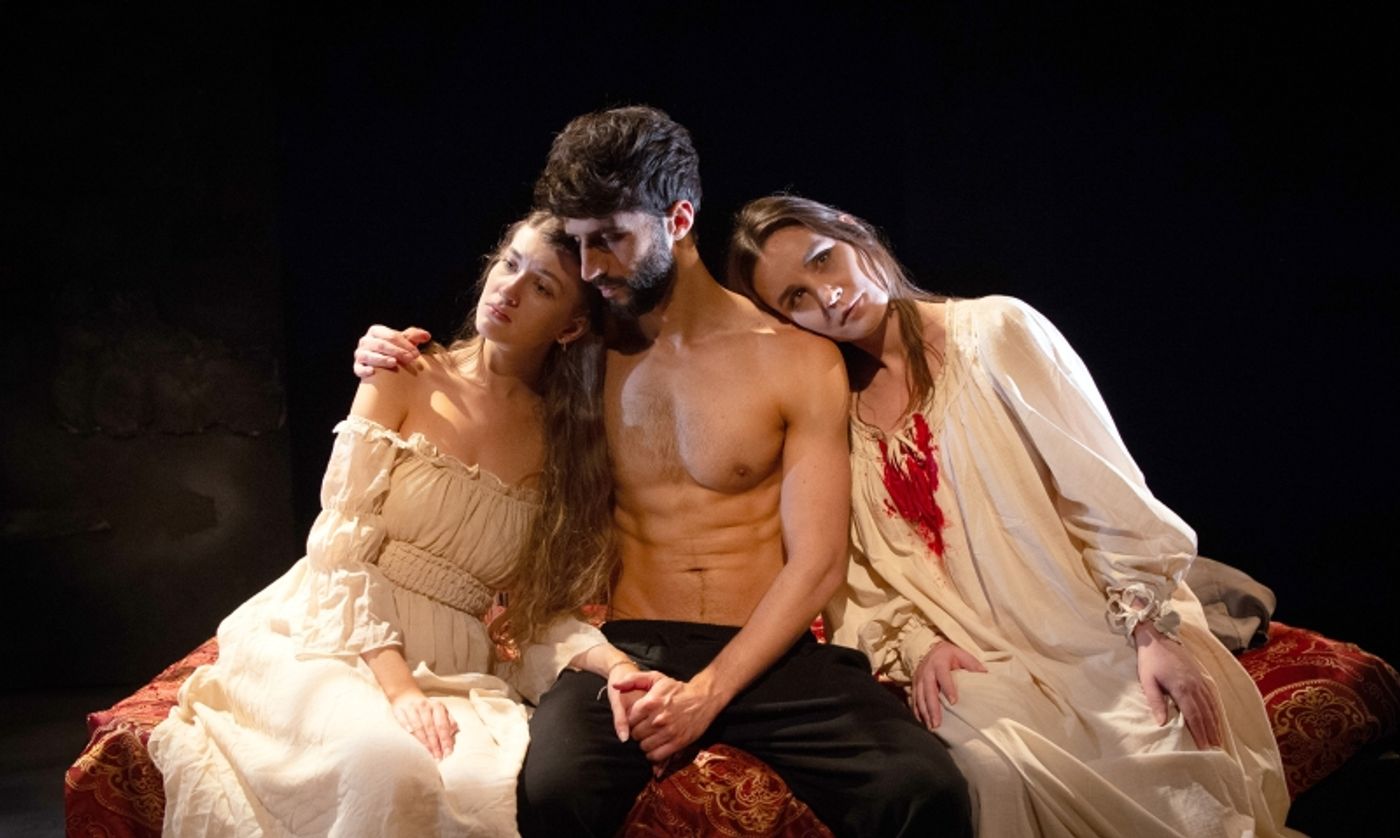
Casey Burke, Nathan Mohebbi, and Shannon Lee Clair. Photo by Cooper Bates
Looking back at your career—from The Master and Margarita to The Queen of Spades—what excites you most about bringing your work to the Odyssey Theatre in Los Angeles?
What excites me most is a unique chance to share something very personal with people who have a very different life experience, point of view, and cultural background.
.jpg?format=auto&width=1400)
Casey Burke, Shannon Lee Clair, and Nathan Mohebbi. Photo by Cooper Bates
What do you hope audiences carry with them after experiencing this dark and haunting tale?
I hope this experience moves the audience. Ideally of course, I also want them to relate to the “message” and be intellectually stimulated, to think about the cycles of violence and what we as a society can do to make this world less violent, what response we can teach our kids - those kinds of things. But I’d like the audience to feel more than I’d like them to think. The word catharsis may sound too pretentious these days, we all are so overstimulated and have so much happening, we forget plays, books and films the next day. But to experience a true emotional response and be moved even if it’s just for a brief moment then and there at the theatre - that’s a beautiful thing.
Thanks so much!
Thank you, Shari!
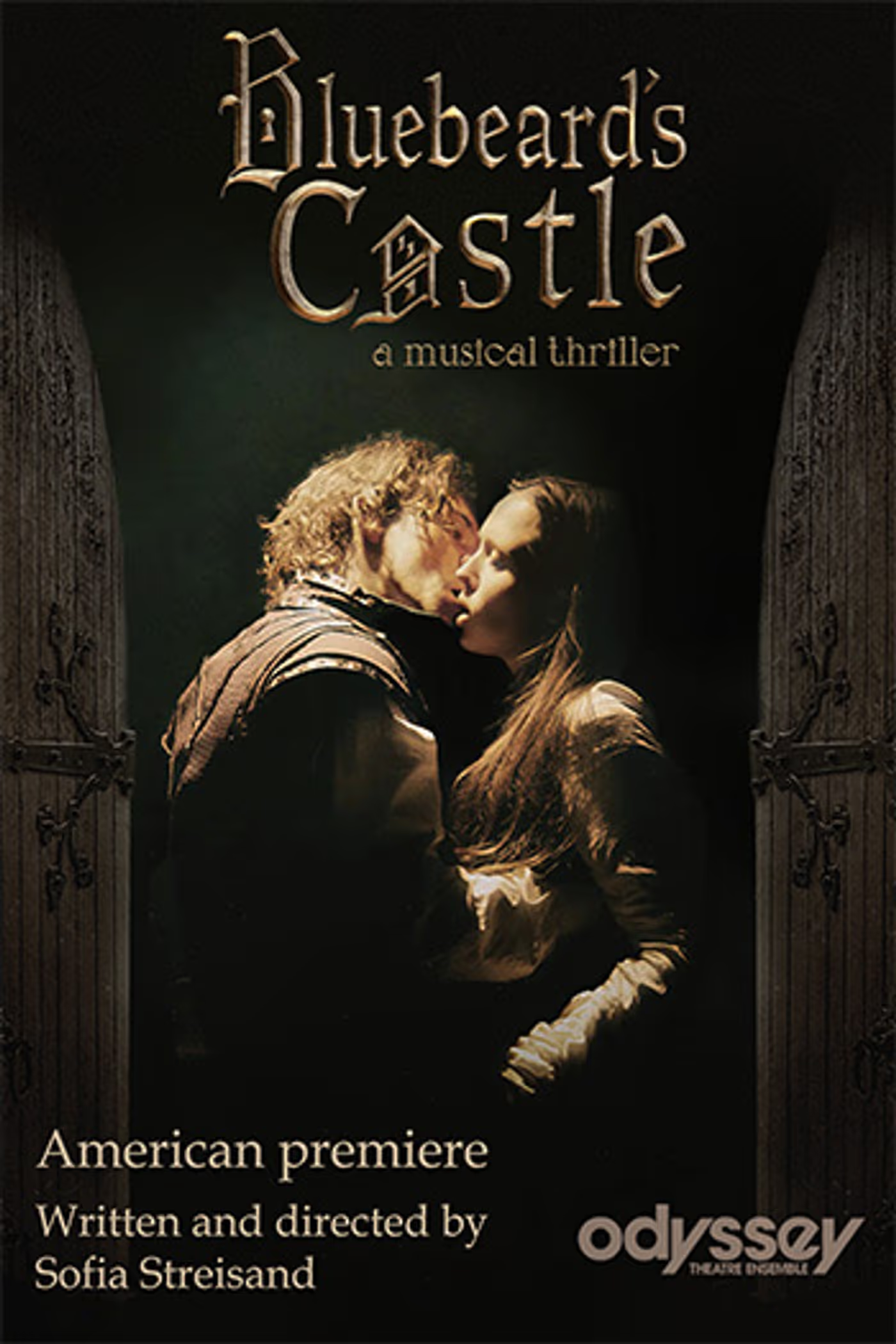
Performances of Bluebeard’s Castle take place on Fridays and Saturdays at 8 p.m. and Sundays at 2 p.m. from November 1 through November 23, with one special Halloween preview set for Friday, Oct. 31 at 8 p.m. Tickets are $40, except for the preview which is $20. A $3 fee will be added if purchasing with a credit card. There will be two Pay–What–You–Can performances, on Friday, Nov. 7 and Friday, Nov. 14.
The Odyssey Theatre is located at 2055 S. Sepulveda Blvd., Los Angeles, CA 90025 with free onsite parking. Recommended for ages 14+ due to violence, gore, and adult themes.
For more information and to purchase tickets, call (310) 477-2055 ext. 2 or go to https://odysseytheatre.com/
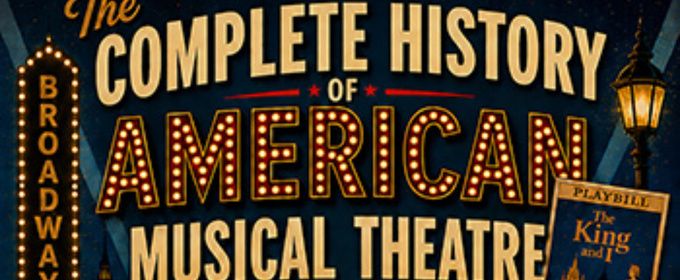
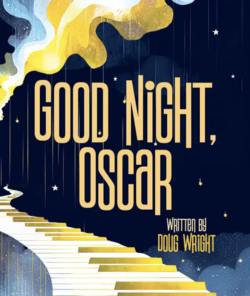
|
Good Night, Oscar North Coast Repertory (9/16-10/11) |
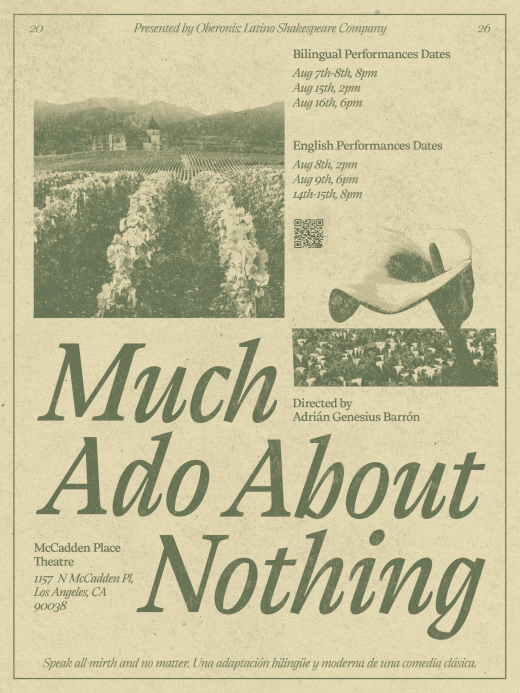
|
Much Ado About Nothing McCadden Place Theatre (8/07-8/16) |
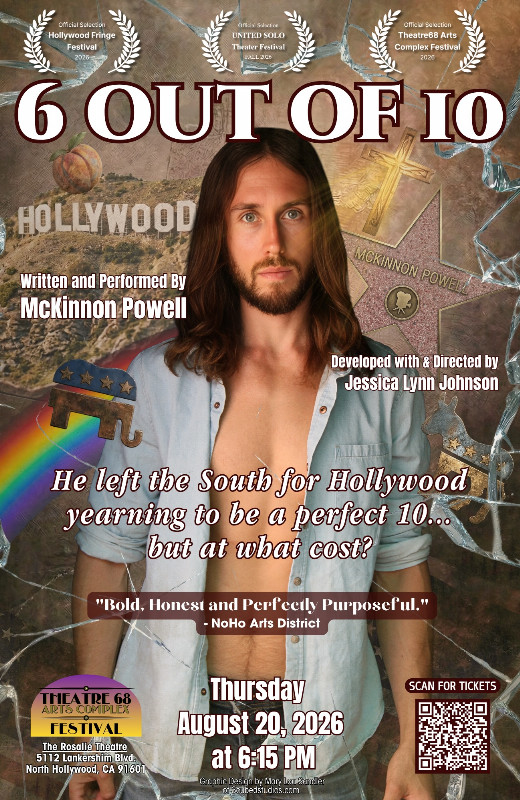
|
6 Out of 10 Theatre 68 (8/20-8/20) |
|
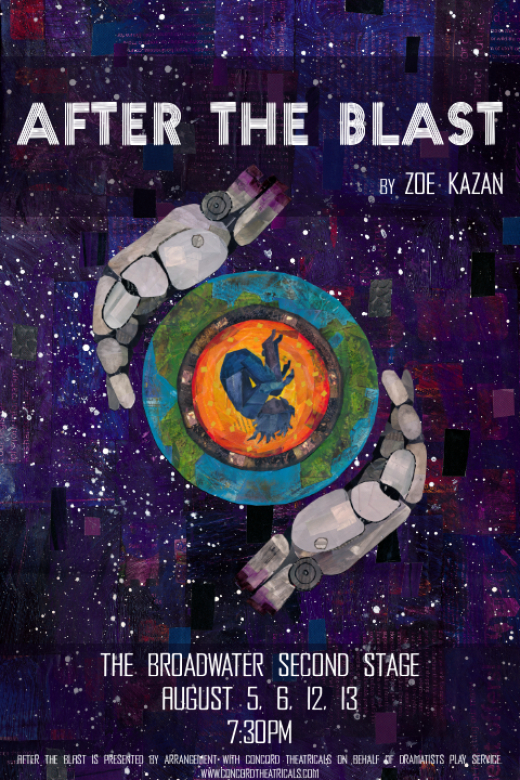
After the Blast The Broadwater Second Stage (8/05-8/13) |
|
Catch Me If You Can Colony Theatre (9/17-10/18) |
|
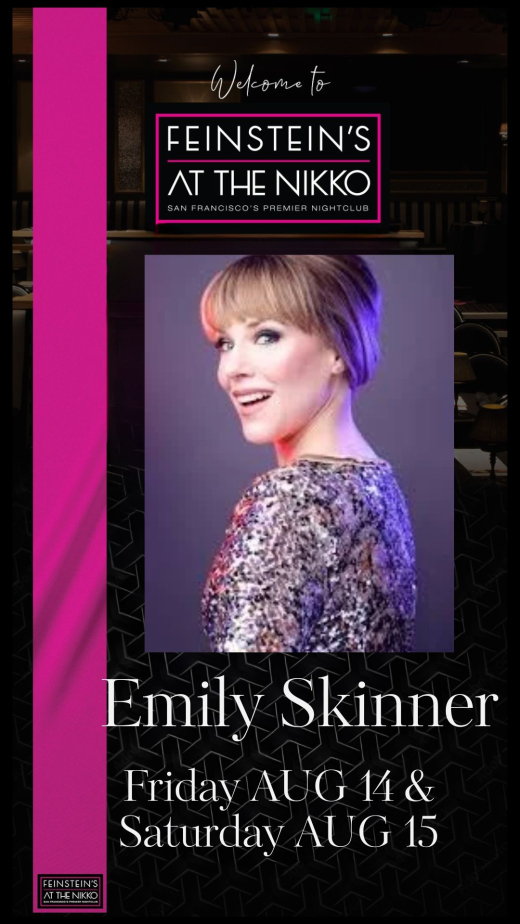
Emily Skinner: In Concert Feinstein's at the Nikko (8/14-8/15) |

|
Gershwin and the Golden Age Younes and Soraya Nazarian Center for the Performing Arts (The Soraya) (10/11-10/11) |
|
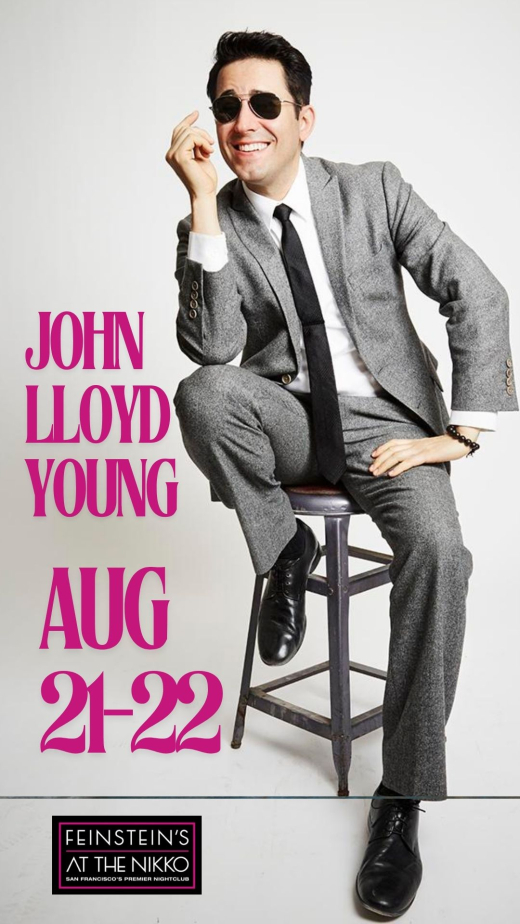
John Lloyd Young Feinstein's at the Nikko (8/21-8/22) |
|
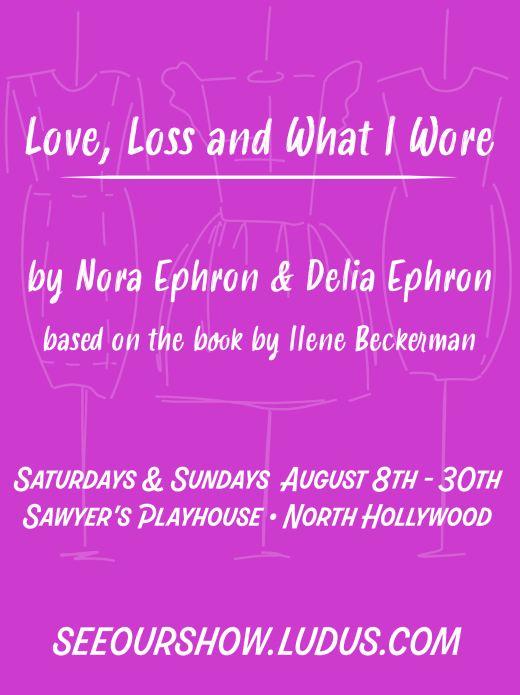
Love, Loss and What I Wore Sawyer's Playhouse (8/08-8/30) |
|
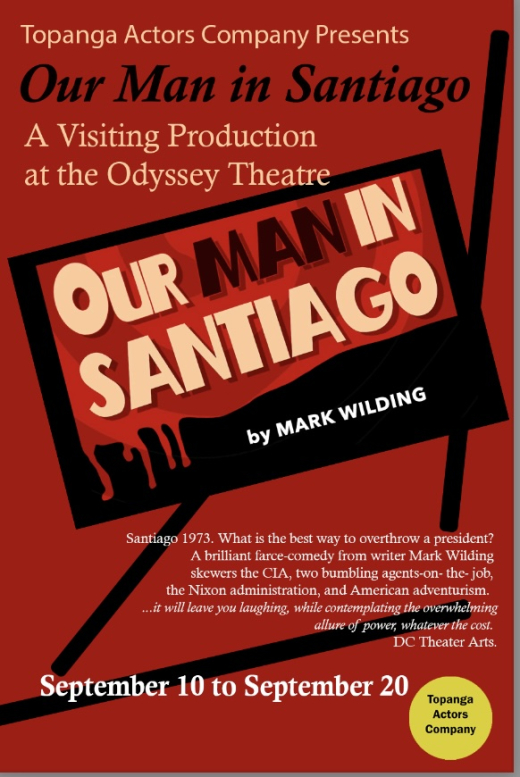
Our Man in Santiago by Mark Wilding Odyssey Theatre Ensemble (9/10-9/20) |