


BWW Q&A: S. Denise O'Neal Talks FADE TO BLACK ARTS FESTIVAL
The Festival runs June 8th through June 14th, 2025.
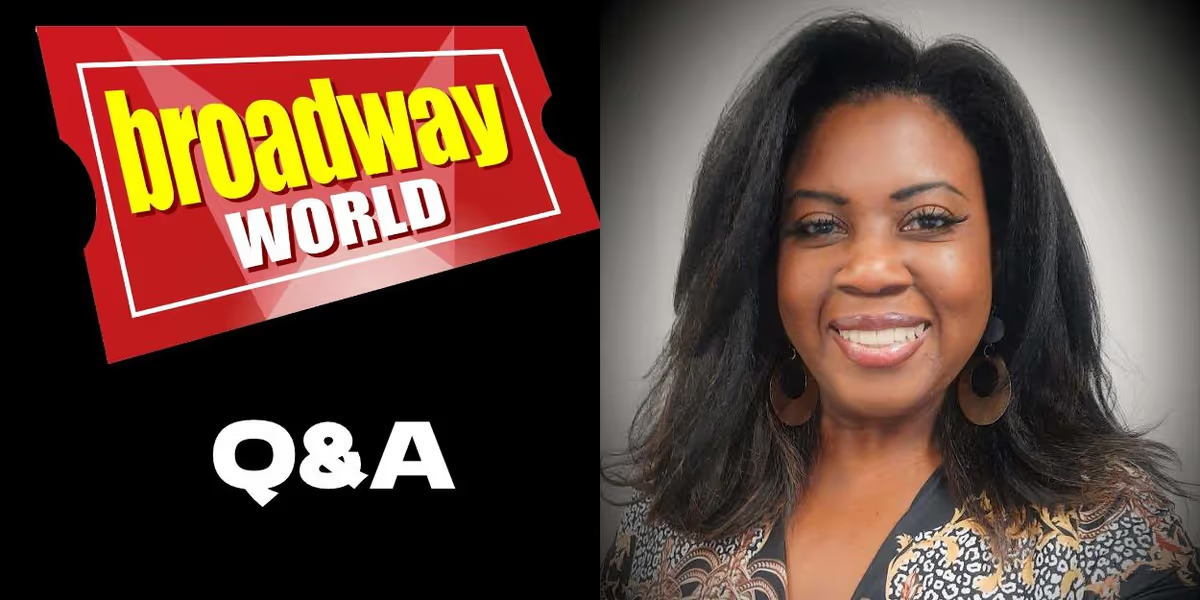
Since founding the Fade To Black Arts Festival in 2013, S. Denise O’Neal has redefined the landscape for African-American theatre and storytelling in Houston. As Executive Director of Shabach Enterprise, O’Neal has led the charge in producing over 400 Black playwrights and uplifting more than 700 BIPOC artists - making the festival a critical platform for new voices and bold narratives.
In 2025, the biennial event returns with its most ambitious slate yet: a week-long celebration across Houston featuring performances, film screenings, master classes, and youth programming in partnership with more than 25 cultural institutions. We sat down with O’Neal to discuss the festival’s evolution, its growing national footprint, and what’s ahead for Fade To Black as it continues to champion African-American stories on stage and beyond.
What inspired you to become a part of the theatre industry and eventually establish Shabach Enterprise?
I didn’t choose theatre for the money or fame. I chose it because I needed a place to tell the kind of stories I knew—the ones filled with truth, contradictions, humor, and the human experience; however, early on, I realized there weren’t many stages that welcomed the fullness of the Black experience. So I stopped waiting and built my own. That’s how Shabach Enterprise came to be. I wanted to create a space where Black stories could live out loud, where Black playwrights could be heard, and where our communities could see themselves reflected honestly. Shabach became that home.
How has your journey been as an executive director of a non-profit theater company?
It’s been rewarding, but this work is not for the faint of heart. Leading a nonprofit means wearing a thousand hats: creator, fundraiser, producer, mentor, counselor, and advocate. I’ve had to stretch every dollar, fight to be seen, and speak up in rooms where our stories weren’t even on the radar. But through all of that, the mission never changed. I’m proud that we’ve been able to provide opportunities, keep our doors open, and build something that didn’t exist before. Every challenge has made us stronger. Every “yes” after a hundred “no’s” reminds me why we do this.
What challenges did you face while founding the Fade To Black festival and how did you overcome them?
To be honest, the formative years of the Fade To Black 10-minute play festival took off like wildfire. We premiered it in a small 80-seat black box theater, and saw standing room only crowds. People showed up, word spread fast, and it was clear right away—we had tapped into something the city had been waiting for. Within our first five years, we moved to a 323-seat house and joyfully filled those seats up, too. That success let me know we weren’t just onto something—we were filling a void. The challenges didn’t come from a lack of interest. They came after—when it was time to grow. When it was time to ask for major funding, bigger venues, and deeper partnerships, that’s when the resistance showed up. Some folks couldn’t see the vision. They didn’t think a festival dedicated solely to Black playwrights could be scaled up to include music, film, poetry, visual arts, and so many cultural partners. But I knew the community needed this, so we pushed forward, leaned into collaboration, and built Fade To Black into something much bigger than just a play festival.
Can you share some of your experiences while producing critically acclaimed original works like Ms. Lily's Groove, Just A Few Feet Away, and Fly in the Windshield?
Every play I’ve written came from a deeply personal place—whether it was inspired by people I’ve met, conversations I’ve had, or questions I couldn’t shake. Fly in the Windshield came out of interviews I did with men recovering from addiction. They shared the moments they felt their lives fall apart, and those stories were real, painful, and honest. The title came from watching a fly bang against my windshield while the window was wide open. It made me think about how many of us are that close to freedom and just don’t see the way out. That play changed me. Just A Few Feet Away pushed boundaries. It weaved multiple monologue storylines and forced the audience to connect the dots. Some loved it, some didn’t get it—but I didn’t write it to be comfortable. I wrote it to be true. Ms. Lily’s Groove was my first major production. It was staged in a church, and the main character was a Deaconess living a double life as a Madame. That got people talking. But it also opened up important conversations about grace, judgment, and identity. All of those plays made me braver as a writer.
What makes the Fade To Black Arts Festival unique compared to other theater festivals?
The Fade To Black series is a movement. What makes us different is that everything we do is centered on Black voices with the support of a multi-cultural community of participants. We started with short plays by Black playwrights, and now we’ve grown into a citywide festival with film screenings, music events, poetry nights, visual art, and live performances at several venues. We’re bringing together organizations that might never have crossed paths and pairing them with independent Black creatives under one umbrella. We will offer masterclasses from celebrity industry professionals, career development, youth programming, and real networking opportunities. We will even provide financial literacy sessions and wellness services.
What makes the Fade To Black Arts Festival unique compared to other theater festivals?
The new Fade To Black Arts festival will become one of the few events in Houston where you can experience a full week of Black creative excellence in every form—on stage, on screen, through movement, and in community. It plans to bring in visitors from across the country, many of whom are looking for authentic experiences tied to heritage and culture. Each year, we hire and pay hundreds of artists. Currently, we have produced the works of over 400 Black playwrights across the country. Local venues benefit from increased foot traffic. Our volunteers are local residents. Every dollar spent at the festival circulates right back into Houston. We’re helping shift the economy by proving the value of Black-led cultural programming.
|
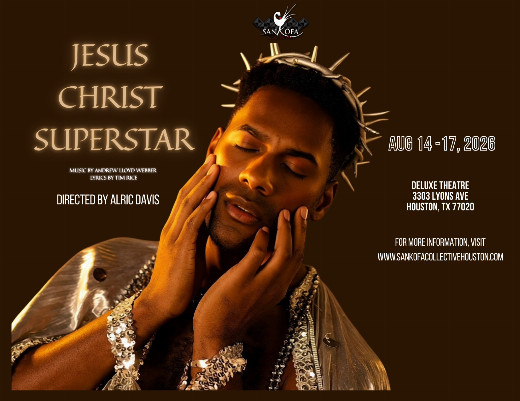
Jesus Christ Superstar Deluxe Theatre (8/14-8/17) |
|
Wicked Hobby Center for the Performing Arts (6/23-7/25) |
|
The 25th Annual Putnam County Spelling Bee Theatre Southwest (1/02-1/23) |
|
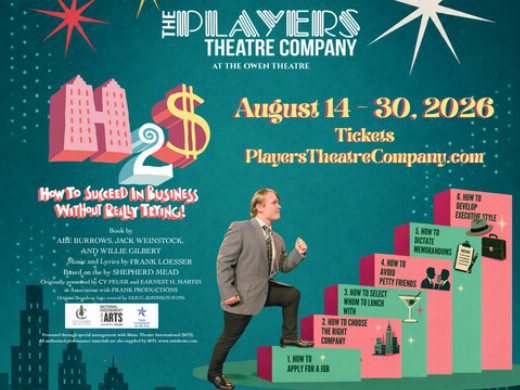
How to Succeed in Business Without Really Trying The Owen Theater (8/14-8/30) |
|
Come from Away Stages (9/18-10/18) |
|
Ride the Cyclone HITS Theatre (8/16-8/16) |
|
An Old-Fashioned Family Murder Theatre Southwest (9/11-10/03) |
|
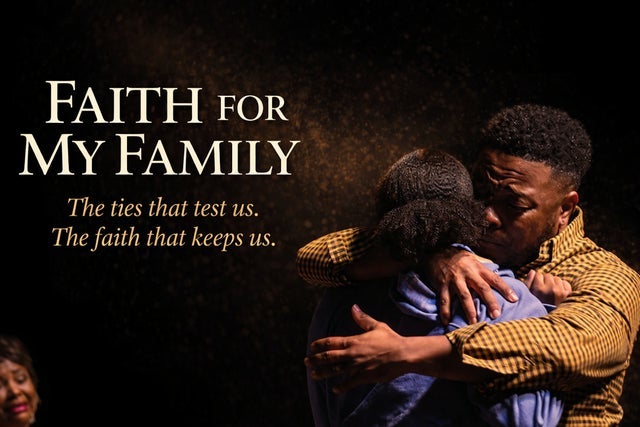
Write The Vision Productions Presents: Faith For My Family Stage Play Jefferson Theatre (9/05-9/05) |
|
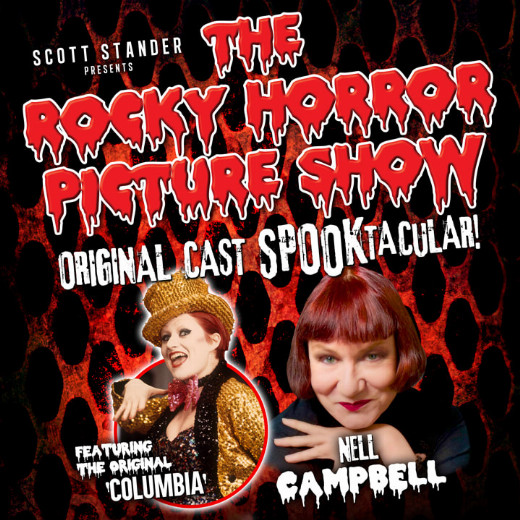
The Rocky Horror Picture Show Spooktacular Tour with Nell Campbell House of Blues (10/23-10/23) |
|
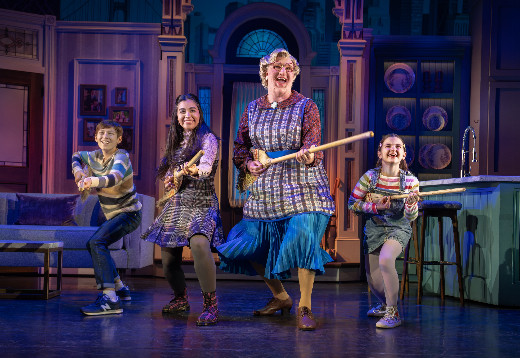
Mrs. Doubtfire The Musical Theatre Under The Stars (10/13-10/25) |