


Hong Kong Palace Museum Unveils First Exhibition Dedicated To Mughal Art
The exhibit is set to run 6 August 2025 – 23 February 2026.
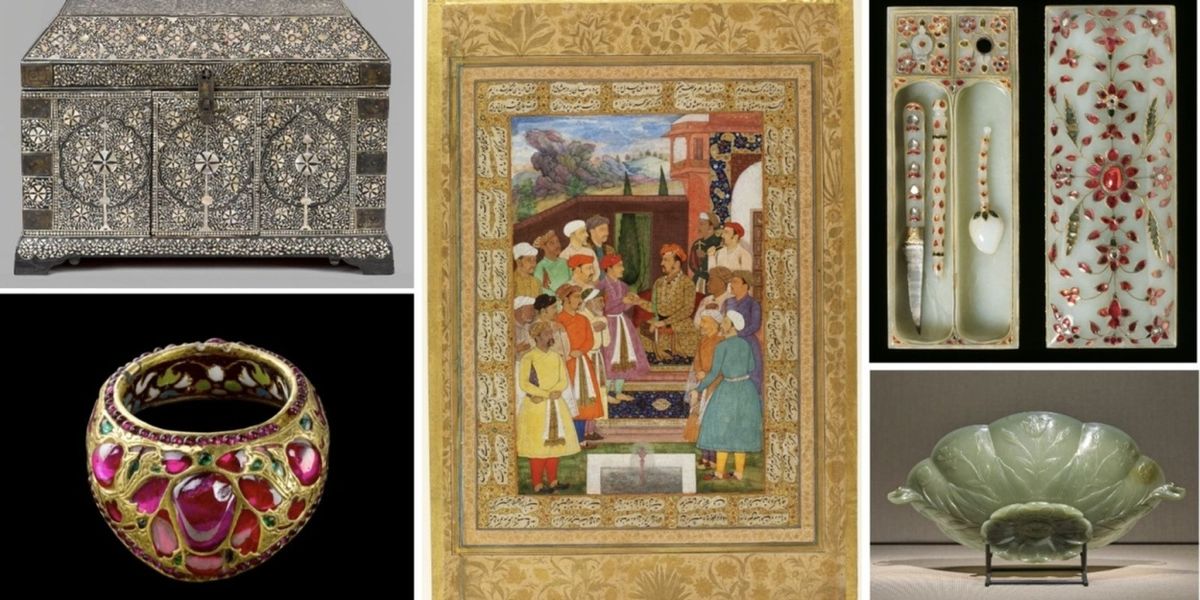
The Hong Kong Palace Museum has launched a new special exhibition The Hong Kong Jockey Club Series: Treasures of the Mughal Court from the Victoria and Albert Museum (Treasures of the Mughal Court), opening today, 6 August 2025 to 23 February 2026.
As the first comprehensive exhibition dedicated to Mughal art in Hong Kong, Treasures of the Mughal Court draws together over 100 objects to celebrate the artistic traditions and craftsmanship from the ‘golden age' of the Mughal Dynasty (1526-1827).
Bringing to life the splendour and extraordinary craftsmanship of Mughal court culture, the exhibition spans the reigns of Emperors Akbar (r.1556-1605), Jahangir (r.1605-1627) and Shah Jahan (r.1628-1658). Mughal art flourished under the patronage of these three remarkable emperors, and the exhibition features a spectacular range of paintings, jewellery, architectural fragments, weaponry, textiles and ceramics, many on display in Hong Kong for the first time.
The exhibition brings together objects from the Victoria and Albert Museum (V&A), and is supported by loans from Kuwait, the UK, and other international collections. The Collection of Mengdiexuan, the HKPM, and the Chris Hall Collection at the Hong Kong Palace Museum also provide important loans.
Treasures of the Mughal Court follows an adapted format of The Great Mughals: Art, Architecture and Opulence, an acclaimed exhibition organised at the V&A in 2024. HKPM will be its only stop in Asia following its London premiere and incorporates a new curatorial perspective highlighting the artistic exchange of the Mughal and Qing dynasties.
The first section, Founder of the New Era: Emperor Akbar (r. 1556–1605) highlights the emergence of a radically distinct Mughal artistic style shaped by Emperor Akbar's embrace of religious tolerance and his establishment of multidisciplinary court workshops. Highlights include a thumb ring that exemplifies the hybrid aesthetic of early Mughal art developed during Emperor Akbar's reign, while a casket from the V&A adorned with mother-of-pearl inlays features a technique particularly favoured by the Mughal court. The juxtaposition of the casket with a Ming dynasty altar table with flowers and plants in pots and vases from the HKPM collection highlights parallels in the exquisite craftsmanship of both Mughal and Chinese artisans.
The second section, Explorer of World Treasures: Emperor Jahangir (r. 1605–1627) explores Emperor Jahangir's profound impact on the development of Mughal art through his artistic patronage and global acquisitions. Diplomatic gifts such as a yellow-glazed porcelain dish produced during the Hongzhi period (1488–1505) of the Ming dynasty illustrate the cultural exchanges among various Asian regions during the 16th and 17th centuries. A standout piece is a nephrite jade pendant likely worn by Emperor Jahangir. Featuring hoopoes, birds that symbolise royal wisdom in Persian tradition, the pendant is embellished with emeralds and rubies set in gold using the traditional South Asian kundan technique.
The third and final section, Architect of Paradise on Earth: Emperor Shah Jahan (r. 1628–1658), showcases Mughal artistic refinement at its height. Shah Jahan's patronage was marked by his most iconic achievement, the construction of the Taj Mahal in memory of the empress. Flowers adorned not only the Taj Mahal but also the jewels, textiles, and paintings of this period, symbolising the beauty and eternity of the dynasty under Shah Jahan's rule and reflecting his vision of paradise on earth. A nephrite jade wine bowl, elegantly crafted in the shape of a flower and embellished with intricate floral motifs popular at the time, exemplifies the extraordinary achievement of Mughal jade artistry.
The exhibition begins with an immersive digital installation titled Taj Mahal: A Love Story in a Majestic Monument. The installation offers an exploration into the artistic significance and historical stories of this mausoleum built by Shah Jahan in memory of his beloved empress, Mumtaz Mahal (1593–1631).
Throughout the exhibition spaces, contemporary mural paintings by a Hong Kong artist collective pay homage to Mughal art. Led by artist and architect Stanley Siu, the artists drew inspiration from selected exhibition objects, while incorporating local artistic elements to their paintings.
Love Theater in China? Join The Community!
Whether you've got past experience writing about theater or just starting, the BroadwayWorld Community offers a unique opportunity to become a champion for your local arts community, helping raise awareness of local offerings and adding another local voice to the conversation at a time arts coverage is shrinking in the press across the continent. Join us and become a pivotal part of the movement that celebrates and promotes the arts in the digital age.
Learn More