


Review: Clint Holmes Is Extraordinary in JAMES, JONI, AND ME at 54 Below
The singer-songwriter celebrated the music of James Taylor and Joni Mitchell in this 9/17 and 9/20 show
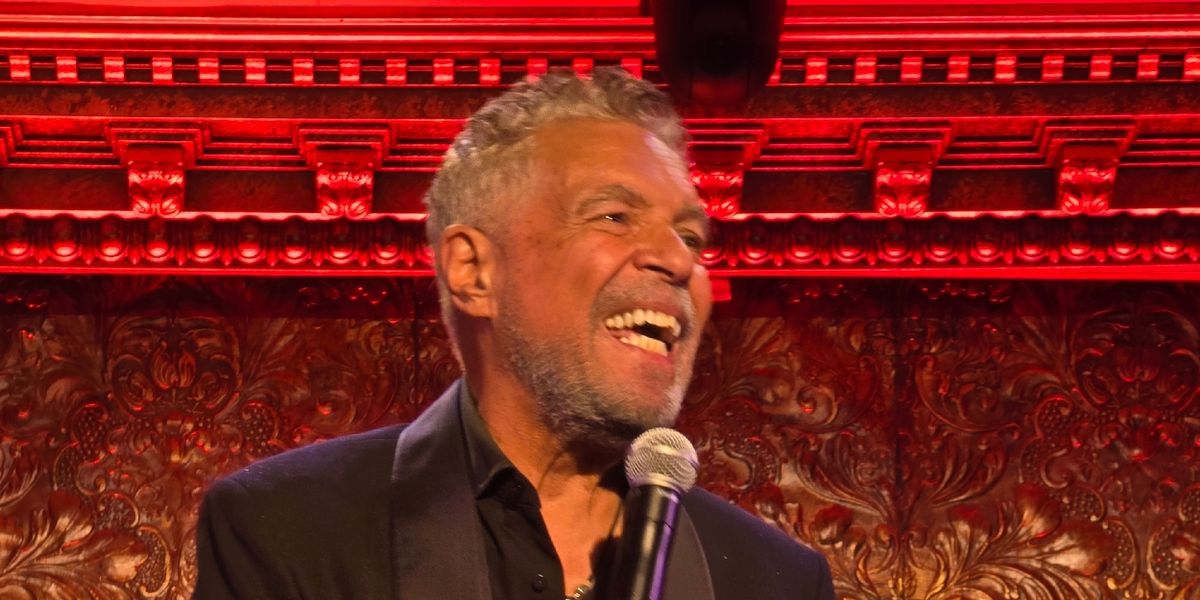
Jazz/cabaret singer and songwriter Clint Holmes returned to 54 Below with his new show, James, Joni, and Me, celebrating the music of James Taylor and Joni Mitchell. It included a few songs of other songwriters that were recorded by Taylor, and a pair of Clint Holmes originals. James, Joni, and Me had two performances, on September 17 and 20.
Holmes defies easy categorization. Perhaps known best today as a jazz singer, he was a “one-hit wonder” on the pop charts with “Playground In My Mind” (#2 in 1973). Today, he is a beloved and formidable performer, with his base now in Las Vegas. This reviewer has reviewed Holmes many times, as recently as May of this year at his 79th birthday concert at Birdland. He has yet to disappoint.
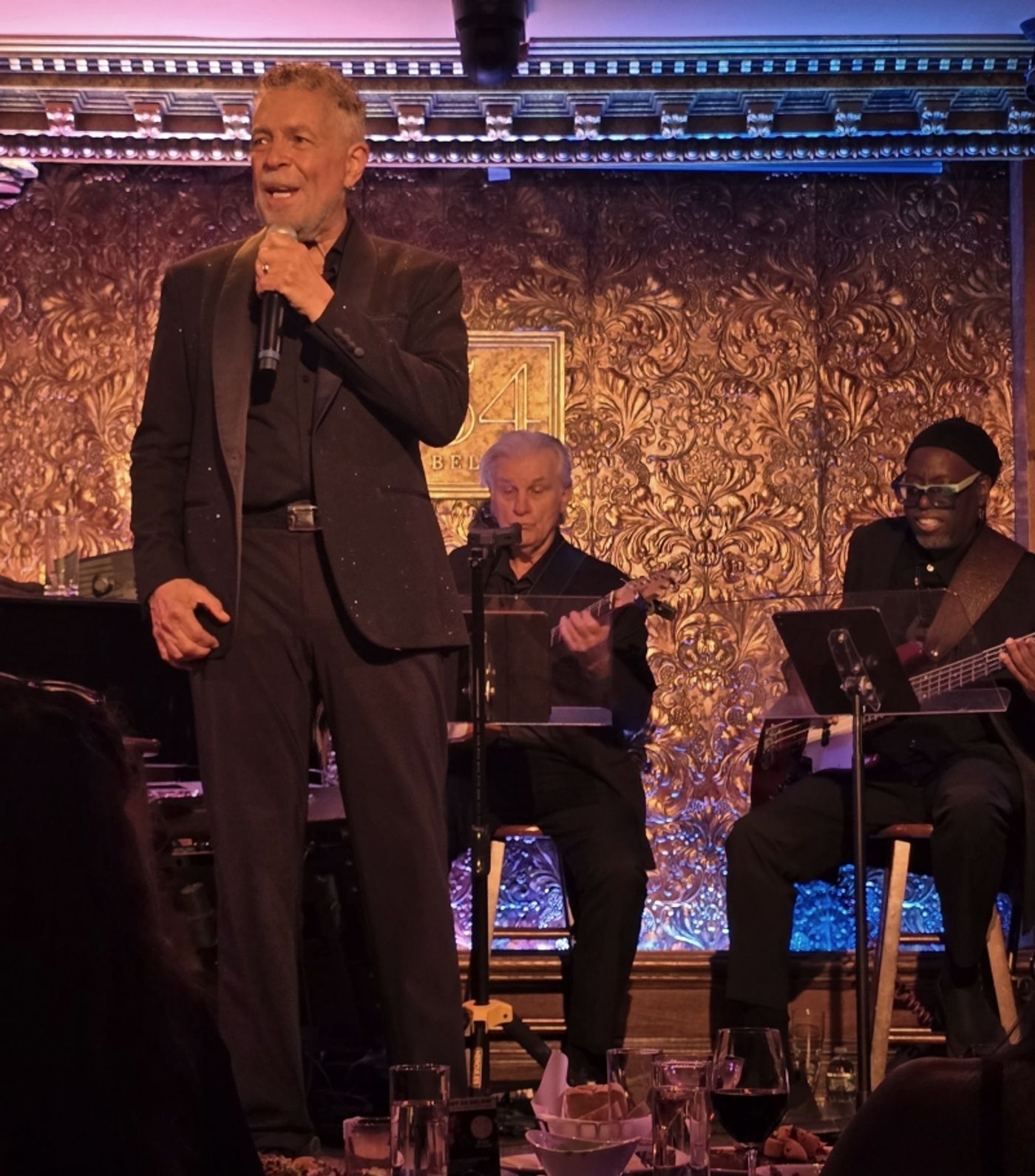
Holmes was accompanied by pianist and music director Demetrios Pappas, bassist Lavondo Thomas, guitarist Peter Calo, and percussionist Jakubu Griffin. All were dressed in black, with Holmes wearing a sparkly tuxedo jacket over an open-collar black shirt.
The opening number, “Your Smiling Face (James Taylor)," had a bright sound and exciting vibe, and Holmes engaged the audience by asking for hand claps.
A surprising reveal by Holmes was that he was once a reporter for Entertainment Tonight and interviewed Taylor, wishing he could confess, “I’m really a singer; don’t you want to hear me sing?” Holmes’ rendition of “Don’t Let Me Be Lonely Tonight” featured a sizzling solo by Peter Calo, and Holmes whistled a solo as if he were playing a flute.
Joni Mitchell’s “Both Sides Now” had an ethereal arrangement that took the listener on a journey, lending an emotional resonance to the lyrics. Holmes’ intentionally hesitant phrasing gave his interpretation the feel of a revelatory love letter being recited in song.
Mitchell’s “Big Yellow Taxi” is one of those songs many people think has a different title. (In this case, “They Paved Paradise and Put Up a Parking Lot.”) The arrangement here was striking. Rather than the obvious choice of having Calo replicate Mitchell’s memorably percussive guitar rhythm, it was mainly Holmes singing against Griffin’s drums. It was an exhilarating choice.
A big set highlight was the surprising “Mean Old Man,” which Holmes described as “the closest James Taylor has ever come to jazz.” The melody is built around cycles of rising and falling scalar motion, which mirrors the emotional content of the lyrics, alternating between nostalgia, resignation, and a touch of humor. It has a stepwise melody, moving up and down mostly within the span of a sixth, giving it a conversational feel.
Holmes spoke of his “jazz story,” something he’s told many times. His mother was a classically trained singer, and his father was a jazz singer who gave up any thought of a career to raise a family. “My mother taught me how to sing correctly, and my dad taught me how to enjoy it.” His dad told him, “I’m gonna teach you how to be cool.” Holmes had never seen the other side of his father’s life “with the cats” until he was about 12, when his father took him to the Colored Musician’s Club (which still exists) in Buffalo, New York. Holmes wrote a song about this joint, “At the Rendezvous.” The song could be a jazz standard, and the arrangement featured unison piano, scat singing and guitar playing, as well as a call and response between Holmes and Griffin.
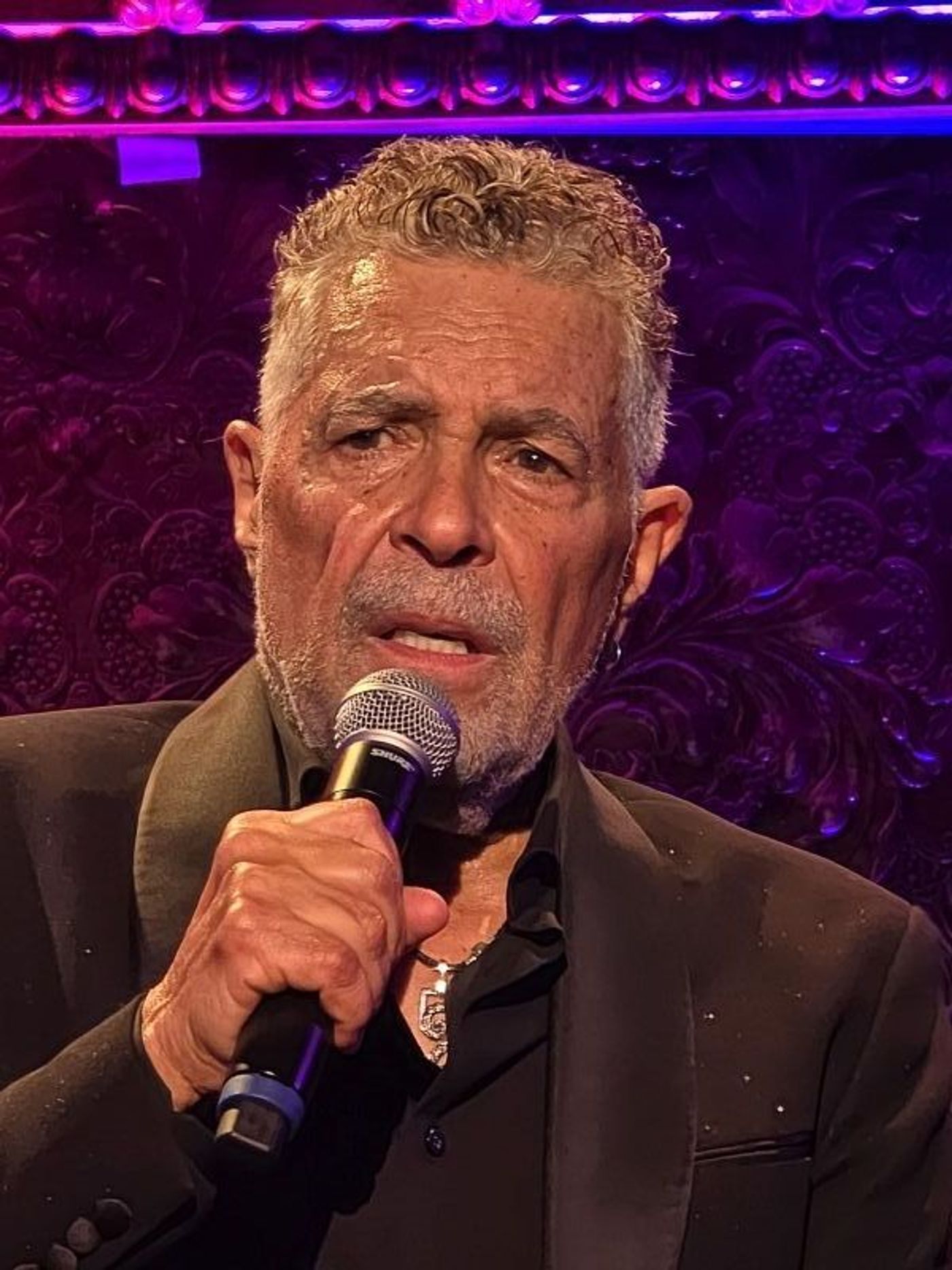
The star became emotional before singing a Joni Mitchell song he never performed before, “A Case of You” (with the unique lyric choice of “I could drink a case of you”). Holmes' emotional connection to the song was quite palpable. Calo’s playing here was spectacular, at times making his guitar sing like a violin.

Holmes began Taylor’s “Fire and Rain” in an ethereal, rubato fashion, giving him the effect of a lonely man standing in the shadows. With Griffin playing his toms and bass drum, Holmes sang the lyric as if it were a haunting confessional, almost praying, “I always thought I’d see you one more time again.” The bridge was sung with tremendous power, and was an extraordinary reimagining of this song, earning a standing ovation.
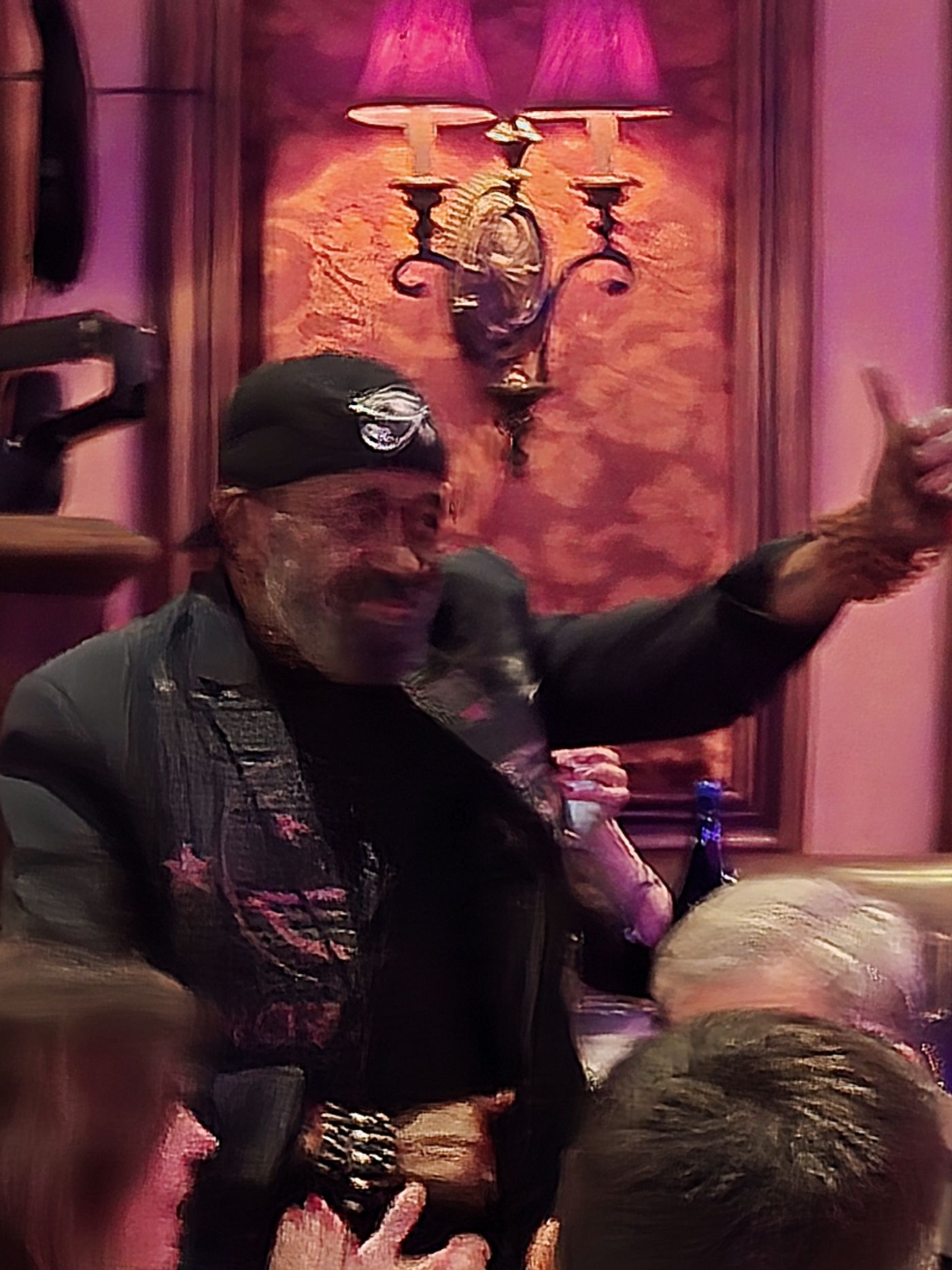
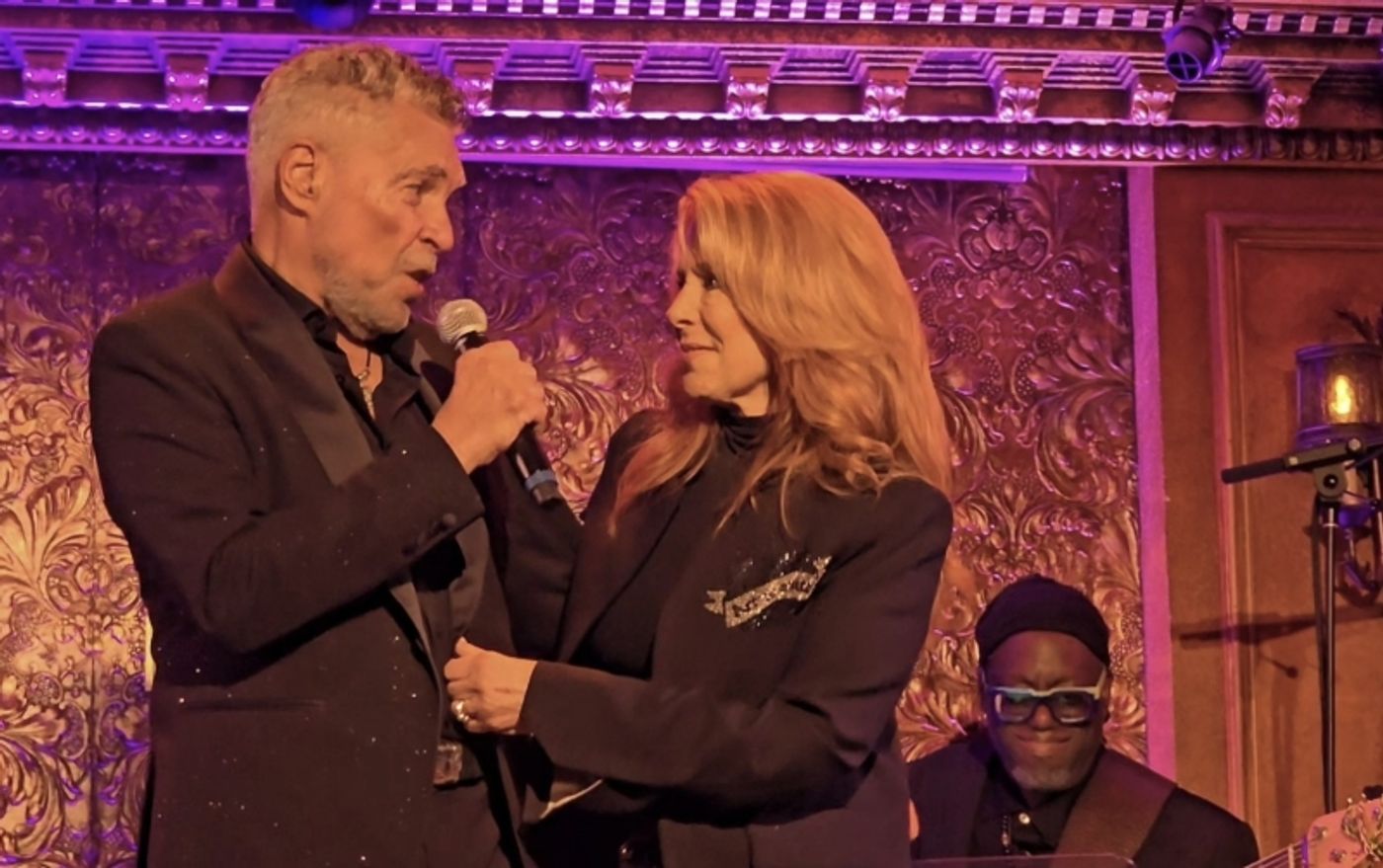
As the show wound down, Holmes acknowledged the presence of his “brother,” the legendary Ben Vereen, in the audience. The delightful surprise appearance of Holmes' beautiful wife, Kelly, came at the request of an audience member to bring her up. It was Kelly’s birthday, and Holmes led the audience in singing “Happy Birthday” to her. He also serenaded Kelly for half of Taylor’s “How Sweet It Is (To Be Loved By You)” before she left the stage.
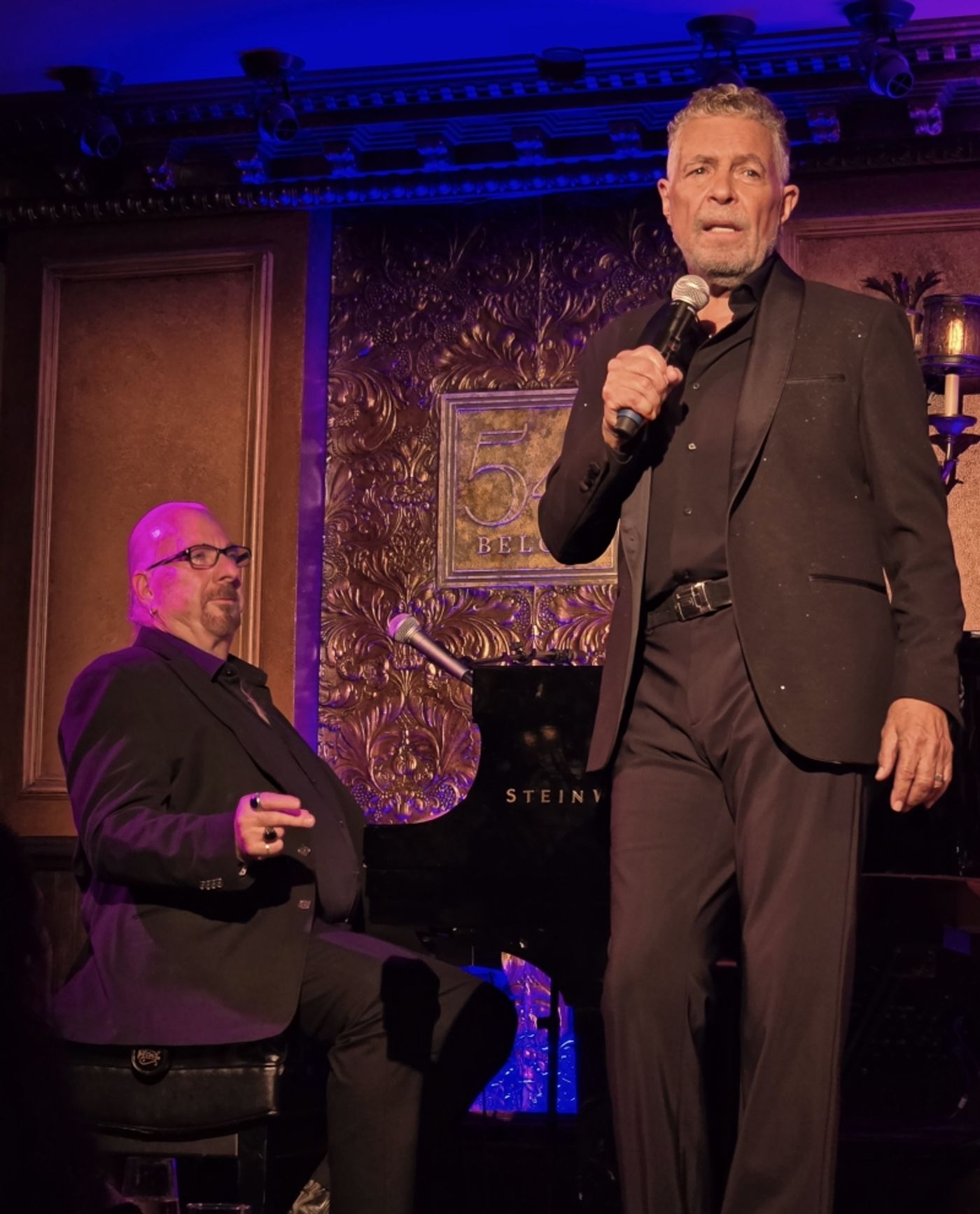
Holmes closed with another original, “If Not Now, When,” which he wrote about procrastination after surviving cancer. He garnered a sustained standing ovation, but there was no encore.
This was an excellent set by Clint Holmes, At a fit 79, he has the voice of a man half his age. His phrasing, emotional connection and storytelling are all first rate.
For more information about the artist, visit www.clintholmesmusic.com.
See a photo set from the show snapped by Stephen Sorokoff here.
For more great shows at 54 Below, visit www.54below.org.


|
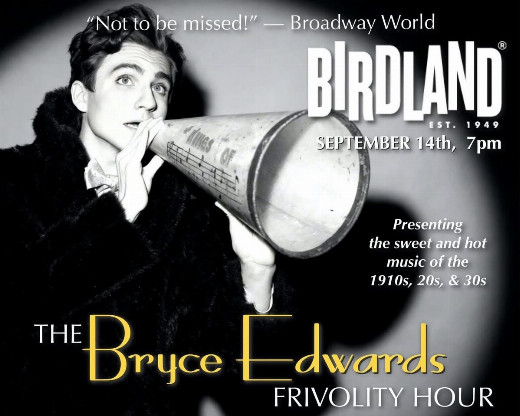
The Bryce Edwards Frivolity Hour BIRDLAND (9/14-9/14) |
|
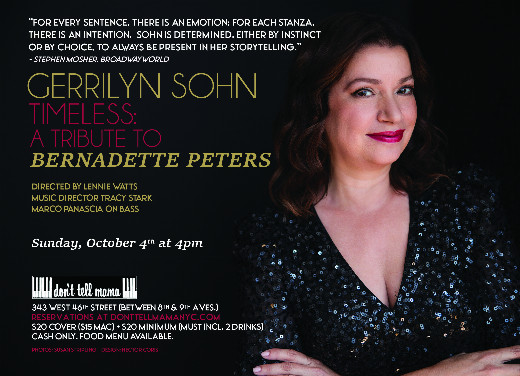
Timeless: A Tribute to Bernadette Peters Don't Tell Mama (10/04-10/04) |

|
If Casting Had No Rules 54 Below (10/22-10/22) |

|
Pharaoh's Daughter Joe's Pub (11/08-11/08) |

|
Rachel Bay Jones 54 Below (10/16-10/16) |

|
Claybourne Elder: Can I Tell You Something? 54 Below (9/08-9/08) |

|
54 Loves Cast Albums! 3rd Edition 54 Below (10/04-10/04) |
|
C. Anthony Bryant: Audacity - A Villain's Songbook Joe's Pub (10/25-10/25) |
|
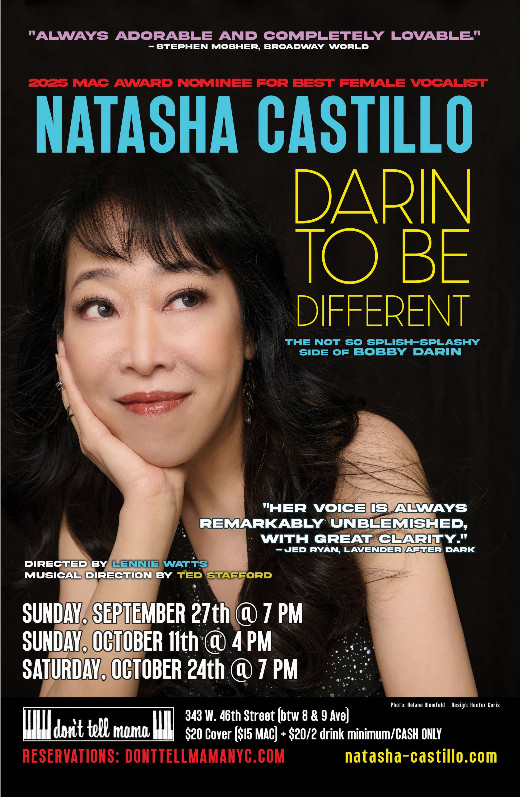
Natasha Castillo: Darin to be Different...The Not So Splish-Splashy Side of Bobby Darin Don't Tell Mama (10/11-10/11) PHOTOS VIDEOS |

|
54 Sings Jeff Buckley: It’s Never Over 54 Below (10/01-10/01) |
Reader Reviews
To post a comment, you must register and login.