


Season 2, Episode 5: Behind every summer is a community that keeps Fire Island alive. This episode explores the history of the beloved Pines Pantry through the eyes of its iconic Pantry Girls, alongside the volunteer firefighters of The Pines and Cherry Grove who protect the island from fires, hurricanes, beach erosion, and an uncertain future.
The Gallery At The Calandra Institute to Present Contemporary Art Of The Italian Diaspora
The exhibition demonstrates a diverse commitment to craft and technique from the vast geographic extent of the Italian diaspora.
By: Chloe Rabinowitz
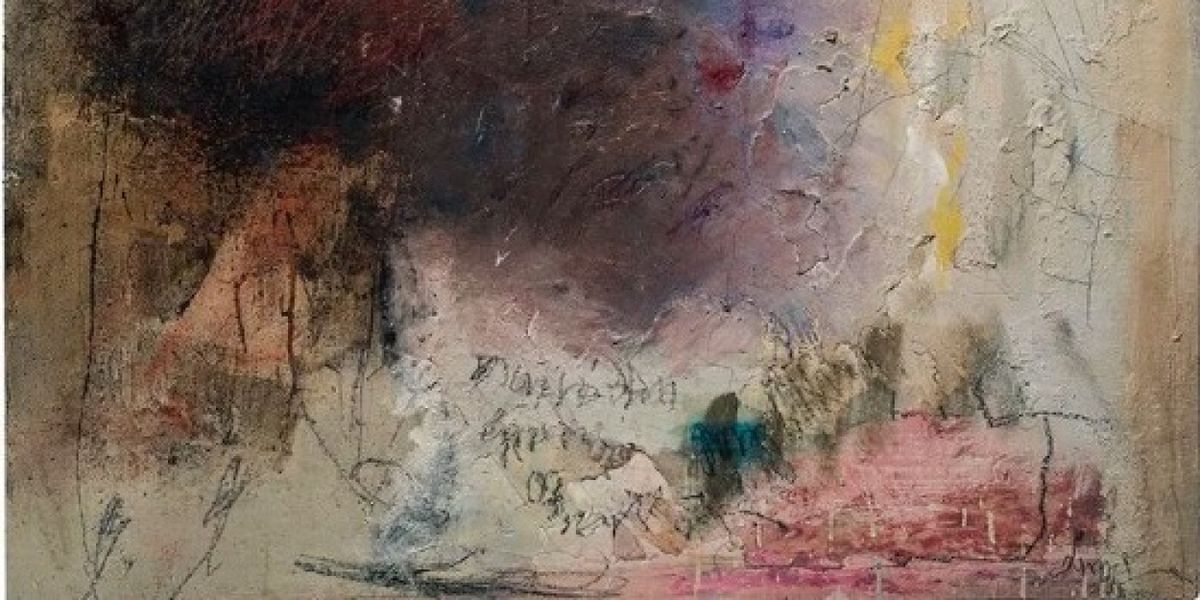
An exhibition of paintings, sculptures, photography, prints, video, and site-specific work by contemporary artists of the Italian diaspora will open March 26, 2026, at the John D. Calandra Italian American Institute's gallery in Midtown Manhattan. Curated by art historian Rosa Berland, the exhibition brings together work by thirty artists from around the world and presents a sweeping portrait of Italian American and Italian diasporic artistic practice today.
Rooted in traditional and material-based media, the exhibition demonstrates a diverse commitment to craft and technique from the vast geographic extent of the Italian diaspora, with artists hailing from Canada, Australia, Switzerland, Argentina, Italy, and across the United States. New Practices in Italian American and Italian Diasporic Contemporary Art features contributions from acclaimed figures including Paul Corio, Paul Fabozzi, Cianne Fragione, and Bernardo Siciliano, mid-career and emerging artists whose practices are redefining the field. Central to the exhibition are three ambitious site-specific commissions by artists Alessandra Pozzuoli, Maria Moltani, and Stephanie Rebonati-Cannizzo. Together these works anchor the exhibition in the present while incorporating the long history of Italian diasporic artists whose contributions have profoundly shaped the development of American art.
"The exhibition's theme is a call to home and discovery along the edge: the revealing of artistic transformation of memory, identity, and reclaimed atelier practice as well as craft," says Berland. "It's a place of the enigmatic and the liminal: installations that pay homage to the handicraft of women's invisible labor and voices, the ghostly traces of land as drawings, paintings as aqueous portals, imaginary topographies constructed of textiles, the geometric discipline of abstraction, gestural poetics, the tradition of linear illustration, memories of the botanical and natural world, and studies of the human figure as well as classical sculpture. We also find here the work of teaching artists who continue the centuries-long tradition of foundational studio practice, a way of working that began in sixteenth-century Italy."
Breaking Broadway alerts by text
Get the biggest stories sent straight to your phone.
Broadway news in your inbox
Weekly top stories - unsubscribe anytime.
Weekly top stories - unsubscribe anytime.
Popular episode

.gif?width=300)


Tickets From $59

Tickets From $70

Tickets From $59

Tickets From $101