Student Blog: The 'Girlhood Play'
"Girlhood" plays are everywhere nowadays, and with them comes new weight and questions within theatrical spaces.

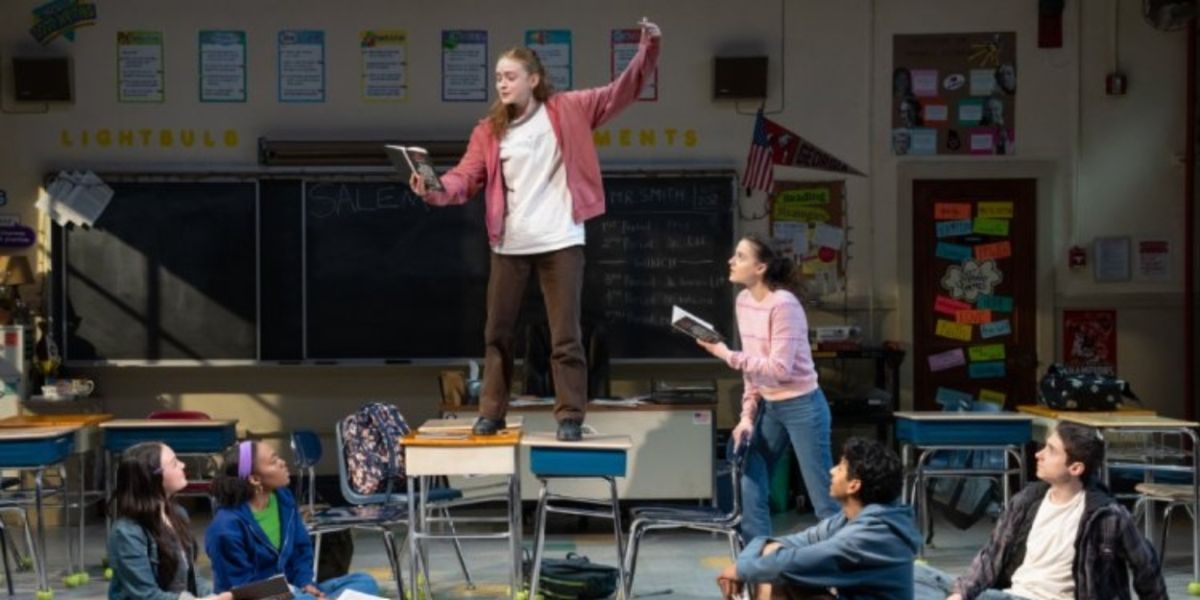
If you’ve been at all involved in the last few years with theater on college campuses and in high schools or with new theatrical work in general, chances are you’ve noticed the trend of “girlhood plays” cropping up across pretty much all theatrical spaces. They’re everywhere, from Broadway (the current Broadway production of Kimberly Belflower’s John Proctor is the Villain is a perfect example of the quintessential girlhood play) to small town high schoolers producing their own projects, and everywhere in between. The term "girlhood play" is general and non-official word for the increasing trend of productions usually staring adolescent or teenage girls coming of age and struggling to find themselves. Or, as so many of them state, they are simply plays about girlhood. They usually hinge on the relationships between the characters, and usually tend to feature different types of female friendship. They surround questions like what it means to be a girl, or what it means to grow up, or really any possible combination of the two ideas. They’re emotional and carry a certain specificity that somehow also speaks to everyone’s lived experiences. Most of all, they aim to be real. These plays, to me, focus mainly on creating relatability through the real emotions, conversations, and experiences that everyone has experienced or witnessed in their adolescence.
The presence of girlhood plays on college campuses, amongst young authors, and with younger audiences is not surprising in the least. It’s a direct reflection of what teenage and young adult girls are thinking and feeling and wanting from the world. Personally, I love a girlhood play. I find that they tend to be raw and real and hard-hitting. Their place as a response to the lack of “girlhood” or female emotion in the majority of theatrical history makes them such genuine and personal stories. It’s the kind of play where you can tell that the author, director, actors, and everyone involved have to some degree experienced the exact events and conversations that occur in the play, and because of that are unwaveringly passionate about it.
However, the repetitiveness of this style and production begs seemingly never-ending questions about what types of girlhood stories are actually being represented. Where are the stories about girls of color? About girls with intense struggles? About queer kids, or about kids who aren’t perfect or even very likeable? Yes these stories exist, and yes, they’ve appeared more and more in the past few years. But within this trend that seems to be slowly taking over, it’s few and far between to find a play solely focused on specific experiences of people outside the general realm of “girl”. If we’re going to dedicate this genre to realness, to the deep emotional core at the center of teenagers and pre-teens, then I want to see it be real. If this wildly increasing concept wants to stay truly relevant, it needs to create an accurate reflection of the world it’s trying to so perfectly imitate. It goes beyond including different types of characters and outlooks. These characters deserve to have their identities and personal struggles drive stories. Girlhood plays are a step in the right direction, but there is still so far to go.
What these plays really represent is an over abundant response to a millennium of stories where women and girls' experiences were not considered or told. They express a desperate desire to see the ways we really exist onstage. To see our real lives given value and care. In some ways it’s a crossroads between theatrical realism and YA literature, in others it’s something new and completely its own. The girlhood play is unique in my eyes because of the desperation and pure passion they carry. So, let’s keep making girlhood plays. They’re important, clearly, and mark a not-so-subtle shift in the ways we place value on girls and women. Let’s keep making new stories, intersectional stories, and keep creating that specificity that somehow speaks to everyone. Let’s keep celebrating what girlhood plays at their heart, the joy and beauty of actually experiencing life and emotion.