


Review: INDIAN INK, Hampstead Theatre
Felicity Kendal returns to this lesser-known play by the late Tom Stoppard
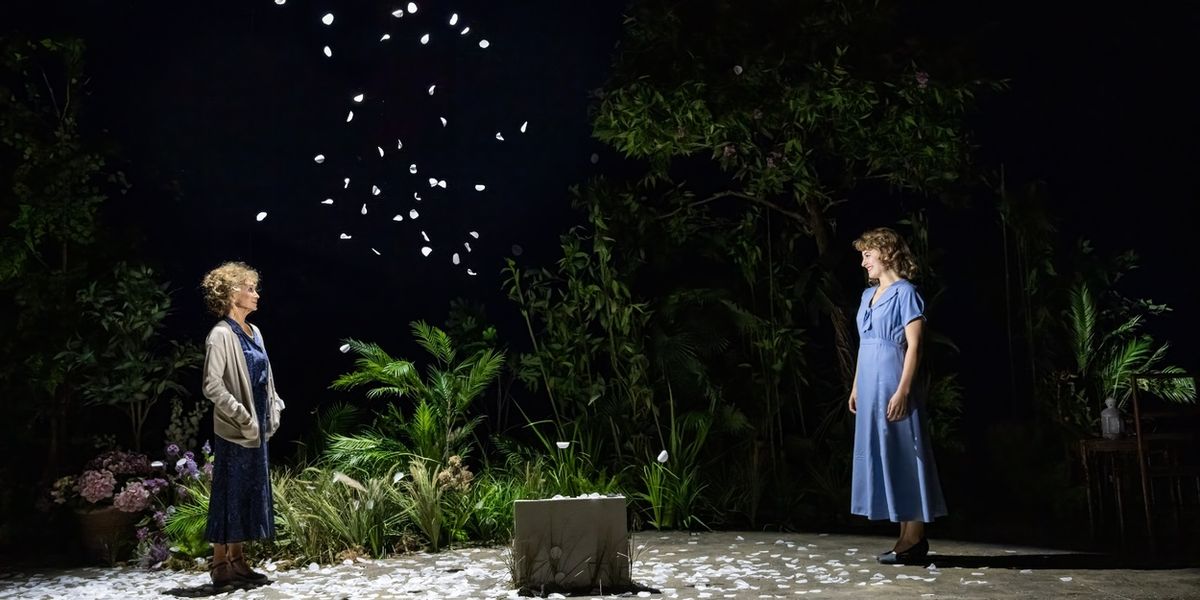
 Indian Ink is not among the late Tom Stoppard’s greatest plays. The tale of a London literary darling moving to 1930s India to help heal her worsening tuberculosis is overstuffed, awkwardly structured and sometimes hamfisted in its messages about Indian identity on the eve of independence.
Yet this revival, the first in the UK since the show’s 1995 premiere, breathes new life into the lesser-known work. Ruby Ashbourne Serkis plays our “versifying flapper” heroine Flora Crewe, a Bloomsbury Group type who’s caused scandal in London with her erotic poetry. Flora has been criticised in the past for being thinly drawn, but Ashbourne Serkis plays her with clipped vowels and a certain sense of artifice, as though Flora is more of an idea of times gone by than a person.
Flora’s love interest is Anglophile-turned-nascent Indian nationalist Nirad Das (Gavi Singh Chera), who paints a portrait of her and confronts his own reservations about conforming to Western artistic traditions in the process. Singh Chera embodies the tension inherent to his character, shifting easily, and uncomfortably, from effusively praising the pre-Raphaelites to defiantly rejecting liberal London sexual mores.
%20and%20Gavi%20Singh%20Chera%20(Nirad%20Das)%20in%20Indian%20Ink%E2%80%9303537_credit%20Johan%20Persson.jpg?format=auto&width=800)
Photo credit: Johan Persson
But the real heart of this production is Felicity Kendal, for whom the role of Flora was originally written for. Here, she’s Flora’s younger sister Eleanor, reflecting on Flora’s experiences several decades later. Sitting in a staid country garden, Kendal as Eleanor exudes grief for her sister and for a lost world, her robust colonial apologism invoking more pathos than anger in the audience.
Leslie Travers’s set is also responsible for drawing out what often gets lost in the weeds of Stoppard’s text. As the action moves between Flora’s life in India and Eleanor’s wistful interviews with parties interested in her late sister, a delicately rendered verandah is hoisted up to reveal a simple table and chairs, pulling the curtain back on the fleeting fantasy of pre-independence India.
Director Jonathan Kent’s staging, so visually appealing and so enamoured with the idea of creating beautiful tableaus on stage, is also concerned with what happens when we strip the facade away. There is a moment of full-frontal nudity, but also moments where everything feels just out of reach, a figure languishing behind a mosquito net, or a voice from a speaker floating over the audience.
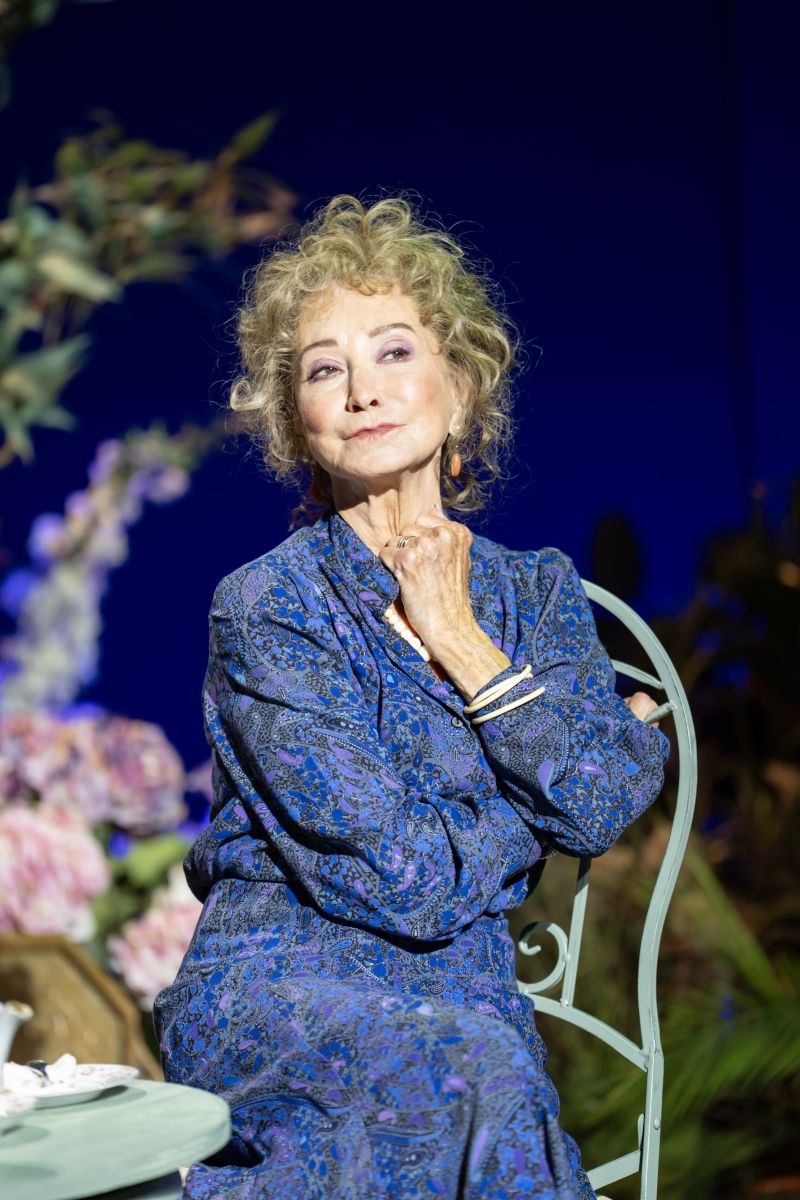
Photo credit: Johan Persson
This is not to say, however, that none of Stoppard’s own greatness is on display here. Though they are often overwhelmed by a cluttered supporting cast, Flora and Mr Das’ chemistry is subtly drawn, and their coalescing, clashing artistic sensibilities refusing easy ‘East-West’ categorisation. A canny, metatheatrical wit shines through with Flora’s American biographer (Donald Sage Mackay), who goes on a wild goose chase through modern India in a futile search for her legacy.
Some scenes don’t cohere quite so well – Flora interacting with various minor British colonial officials, for one – and so have harmed the play’s overall reputation. A minor concern, though, when the core of Indian Ink is so eminently Stoppardian, and when this revival has been tended to with such precision and care.
Indian Ink plays at Hampstead Theatre until 31 January 2026
Photo credits: Johan Persson
Sign up for all the news on the Summer season, discounts & more...

.jpg?format=auto&width=365)





Reader Reviews
To post a comment, you must register and login.