

Review: FESTIVAL MUSIKAL INDONESIA 2025 and All 12 Shows
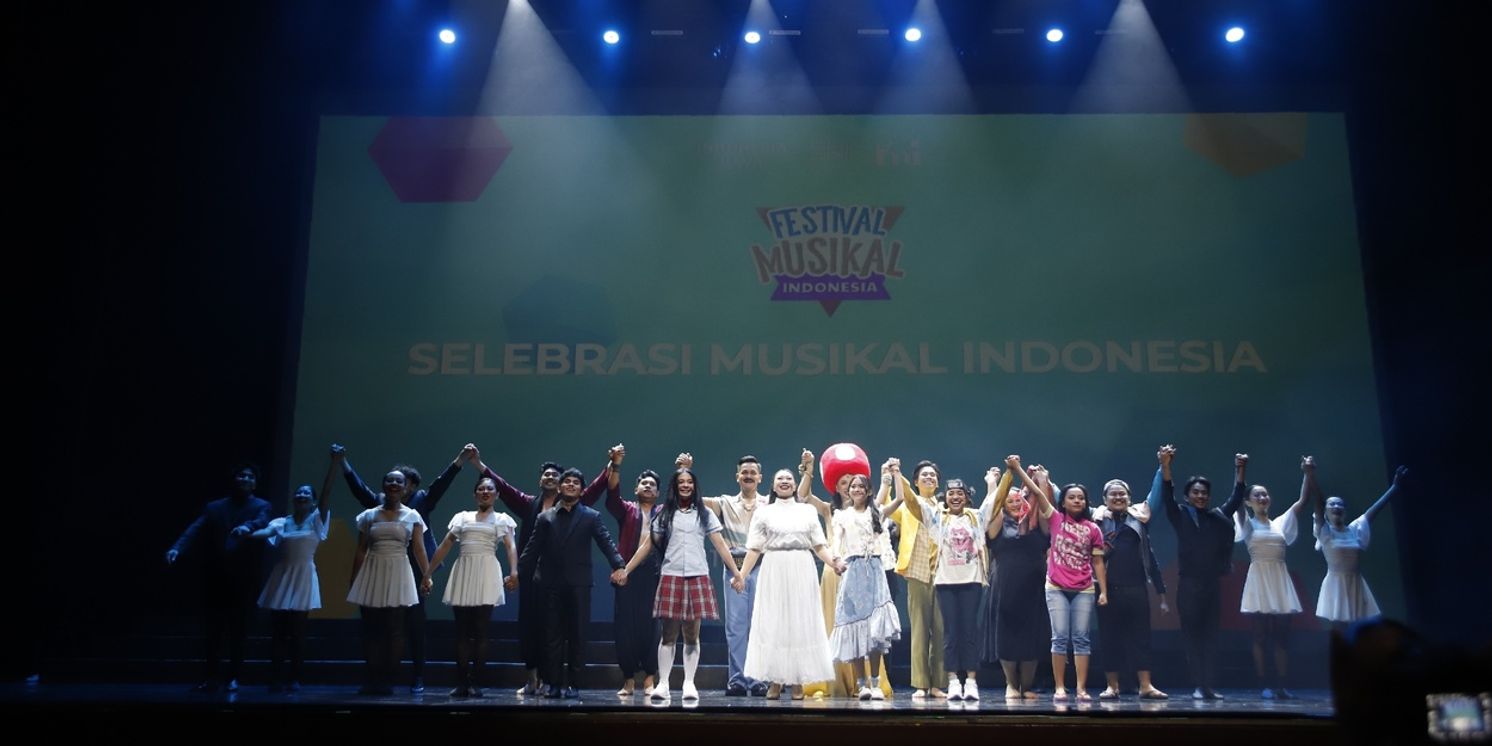
Festival Musikal Indonesia returned for the fourth year in a row on 14-16 November 2025, held by EKI Foundation and Indonesia Kaya.
Review by Rakaputra Paputungan dan Nabila 'Hana' Hananti, editing by Rakaputra Paputungan.
Festival Musikal Indonesia returned for the fourth year in a row on 14-16 November 2025, held by EKI Foundation and Indonesia Kaya. After previously residing in Ciputra Artpreneur, this year Indonesia’s “first and only” musical theater festival took to Taman Ismail Marzuki, utilizing three theaters: Teater Besar, Teater Kecil, and Teater Wahyu Sihombing.
Featuring 12 musical theater groups from various regions of Indonesia (though still with a heavy focus on those from the Greater Jakarta area), the shows are categorized into Panggung Gala and Panggung Karya. Panggung Gala shows are those taking place in the biggest venue, Teater Besar, with a runtime of around 2 hours. Meanwhile, Panggung Karya shows take place in either Teater Kecil or Teater Wahyu Sihombing and run for less than 1 hour.
Prior to the d-day, the festival had a quite involved marketing campaign. The most memorable ones being the “Carpool Karaoke”-inspired video series with the festival's brand ambassador singing musical songs, and a lovely video featuring a crossover of previous FMI shows.
With no particular theme this year, quite a few of the shows happen to be reruns – an unfortunate fact for those looking to watch new and exciting concepts, especially if they’ve watched the previous iteration of any of the featured shows before.
Holding the festival at a new venue brought with it new opportunities but also new challenges.
The most obvious of these opportunities is that the usage of theater venues allow the smaller shows to make use of proper theater spaces, where they would have had to use a temporary stage in previous years. And indeed, Panggung Karya shows made good use of the space allotted to them.
That being said, new problems arose; first, the smaller and enclosed venues meant much fewer seats. This turned into a problem where the Panggung Karya shows quickly reached capacity, and many unfortunate audience members had to contend with watching the show from a monitor set up outside the theater (sadly, without a proper sound system) or just forgo the show altogether.
Previously, although the smaller shows had to perform on a temporary stage, the open space around the stage would allow latecomers to still watch the show even if from afar.
Additionally, the programming remained uncomfortably tight; some shows ended mere minutes before the next show would start. This made for a very rushed experience for those who sought to watch multiple shows in a day (which, I’d imagine, is a lot of people as they’d want to get the most out of their day-pass tickets).
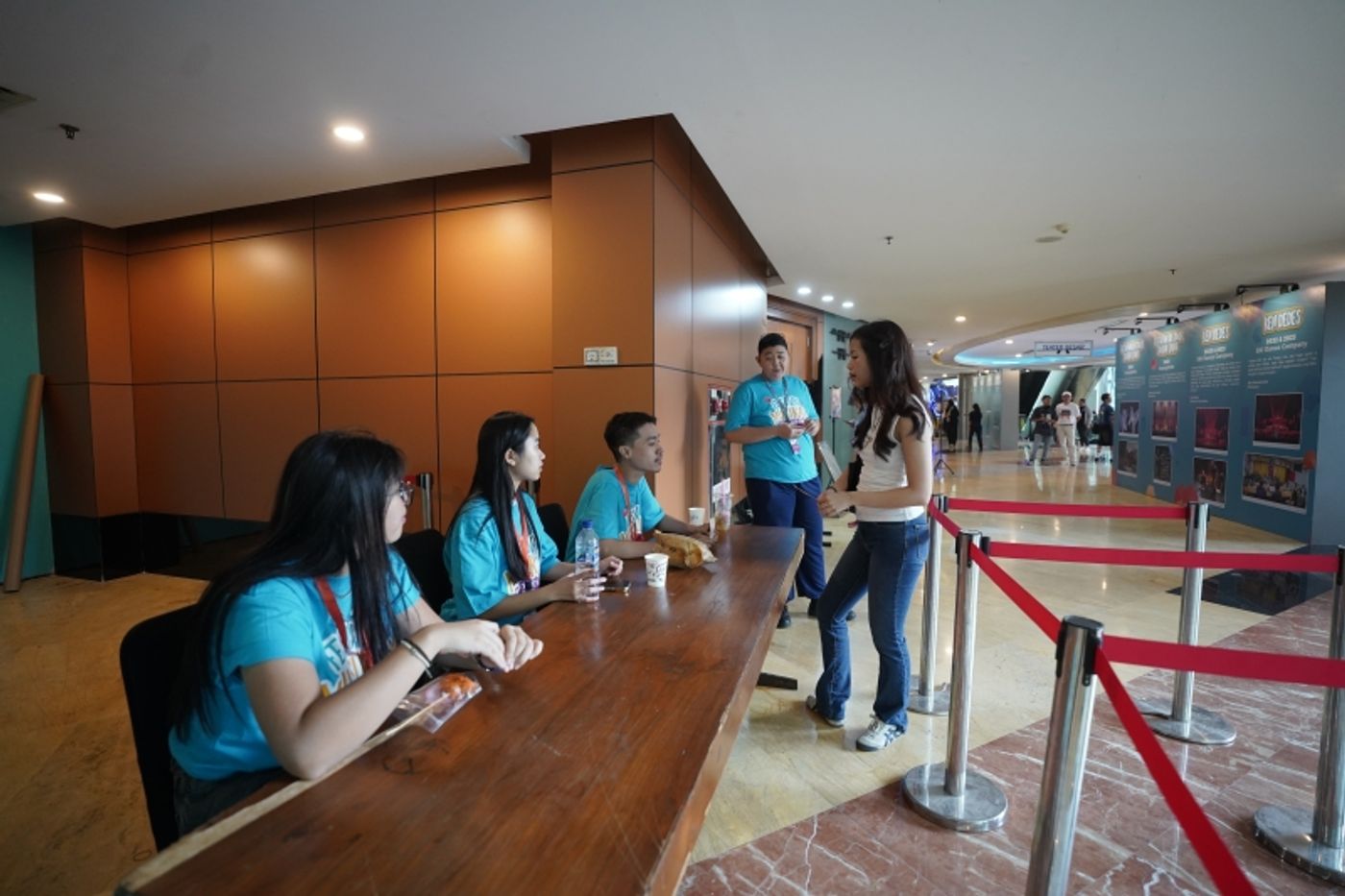
The ticketing flow was also rather confusing and changed between days. In the beginning, we had to request tickets for each of the Panggung Karya shows, even if we had the day-pass ticket. Then, eventually, we were just asked to line-up for each Panggung Karya show and the ushers would let us in if there was any space left. Not to mention, these arrangements were the same for members of the media.
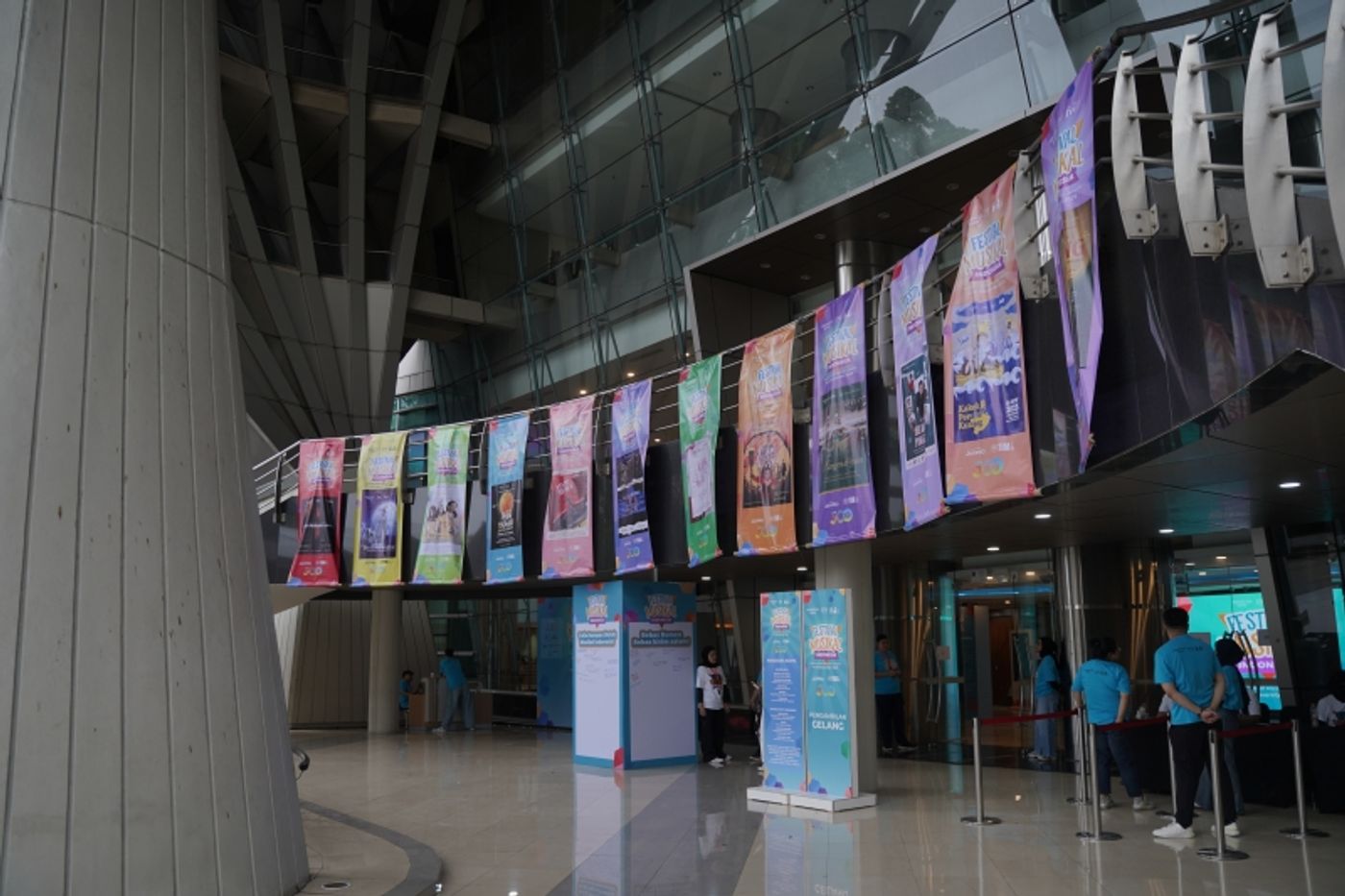
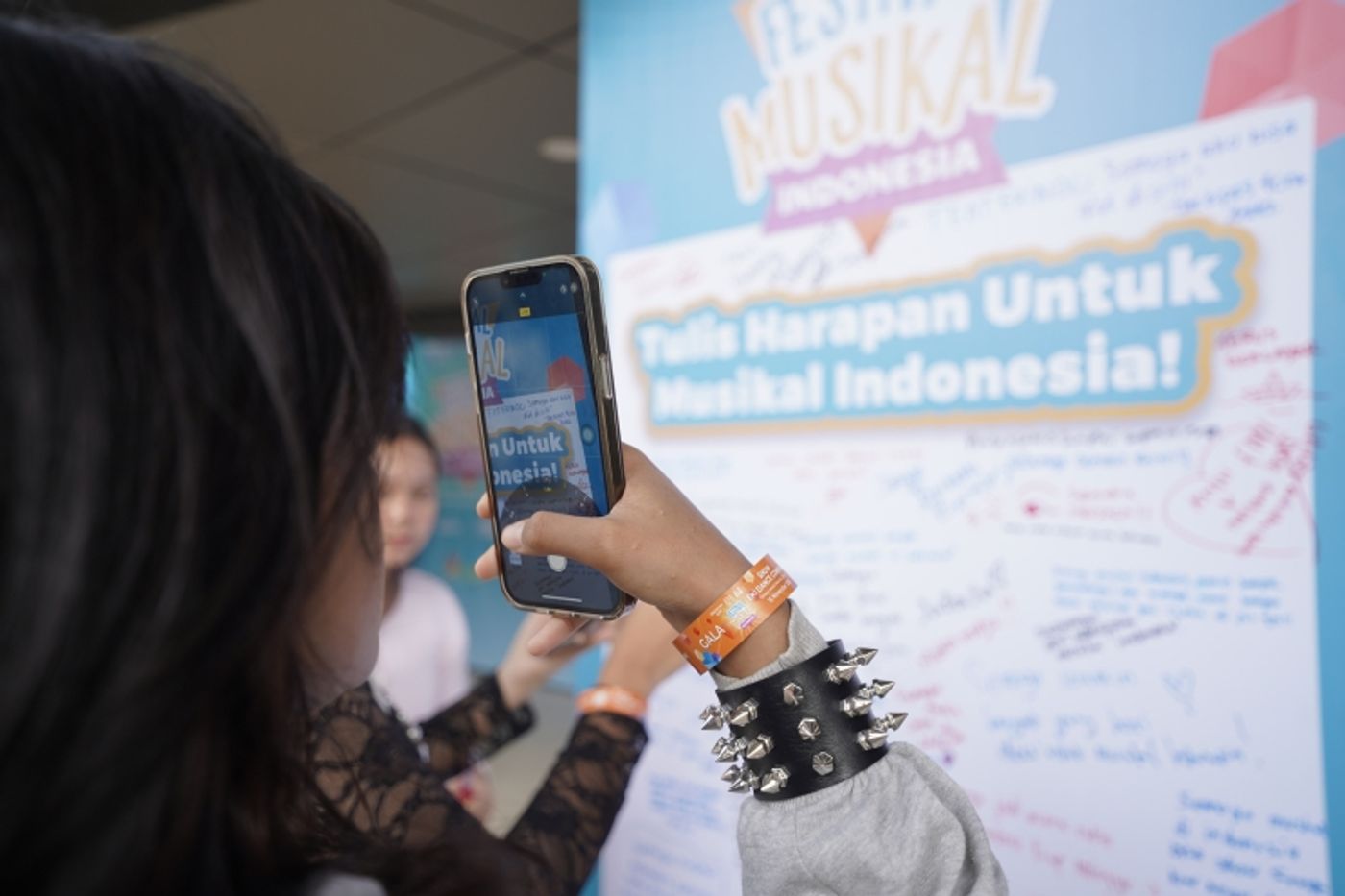
And, as a final note, the festival was missing the festivity. There were at least a few decorations and installations between the venues, which were appreciated, and the banners in front of Teater Jakarta were eye-catching. But by and large, with a larger venue and a three-day run, there was definitely more that could be done to bring out the joy expected of a festival. Just naming a few: more to see, more time to mingle with other theatregoers and theatremakers, and more events beyond shows (the sharing sessions of last year was a nice touch).
That being said, such a big change was bound to come with growing pains; and FMI was surely a big undertaking by itself – hence, some shortcomings were to be expected. Still, such a momentous event holds such a massive potential to celebrate and develop this art form that we love, and thus we hope that FMI 2026 will be an even better event.
Show Reviews
Rumah, Pikiran, dan Hati by Jakarta Art House
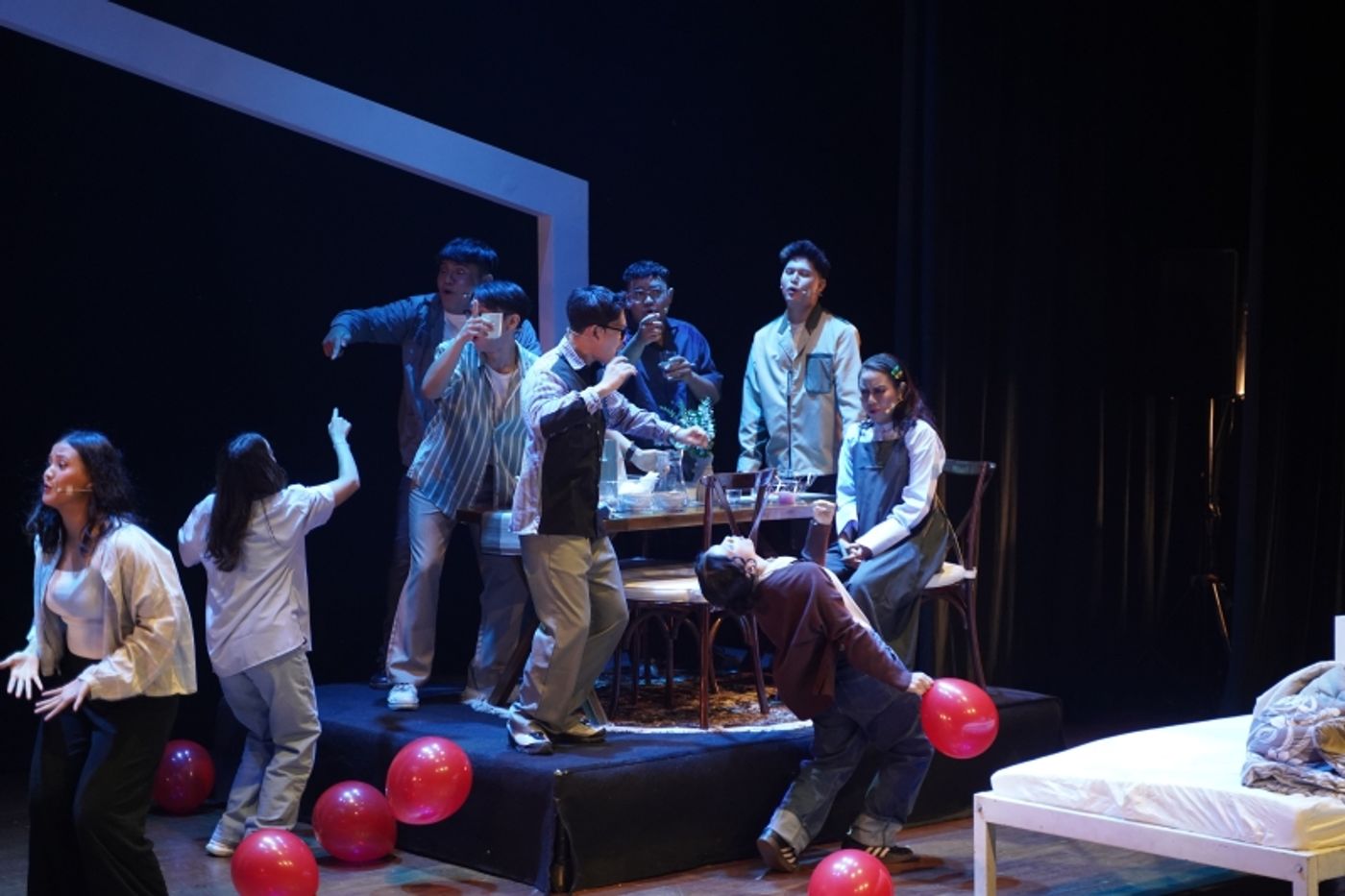
Hana: Rumah, Pikiran, dan Hati was an ambitious show with some emotional moments and several shortcomings. However, it felt too large for the small stage of Teater Kecil. The morals often came across as being meant for a very specific, small audience and might be unrelatable to most. The execution also occasionally felt unnatural and cold – for example, the party scene felt lacking in spirit. And many scenes lacked narrative weight, lacking a sense of purpose.
That being said, the cast put on a solid enough performance. The stand-out actor was Fei Luthfy, playing Kaca – especially in her ability to maintain the power and depth of her character, despite playing a meek one.
Raka: A show originally staged for the “In Our Twenties” festival, this version had been adapted for a much smaller stage. The story concerns itself with common problems faced by Jakartan twenty-year-olds, including unemployment, the pressure to marry, and the need to prove oneself.
The show had solid performances all around, with a brusque way to present these problems that I’m positive are relatable to many young adults in the audience. Yet, divorced from its original context, I left the show wanting more.
First, the presented stories are very metropolitan and rather lacking in depth; there is more to see, more potential to dig deeper at the root of these problems. The characters also felt more like spokespersons to voice these worries, rather than fully realized, living people. With four main characters, less than an hour of runtime, and a lot of issues to unpack, the performance at times felt like a teaser for a full show.
Still, for their main target audience, perhaps it is enough that their worries are voiced and acknowledged on stage; in this regard, the show has achieved its objective. If the show could comfort even one youth in these trying times, then it has been worth it in my book.
Hyang Ratih by Bumi Bajra
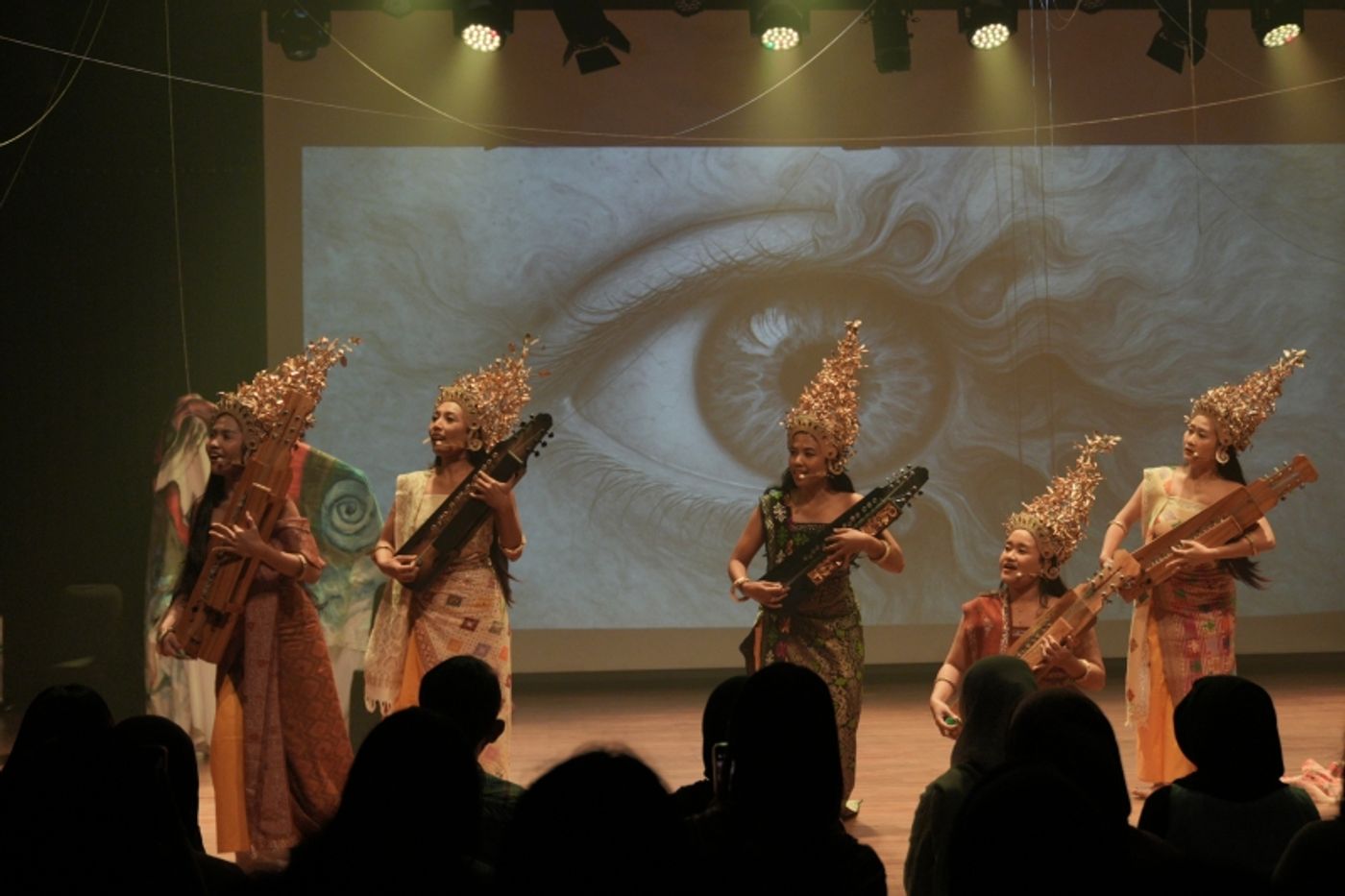
Hana: An incredibly immersive work. While there was a language barrier – with the verses being sung in Balinese, it was ultimately a very intense show that brought chills through its entire runtime.
Musikal Aku Mendengarmu by Jagaddhita Motion
Disclaimer: We weren’t able to get a seat for this show and had to watch it using the display outside the theatre.
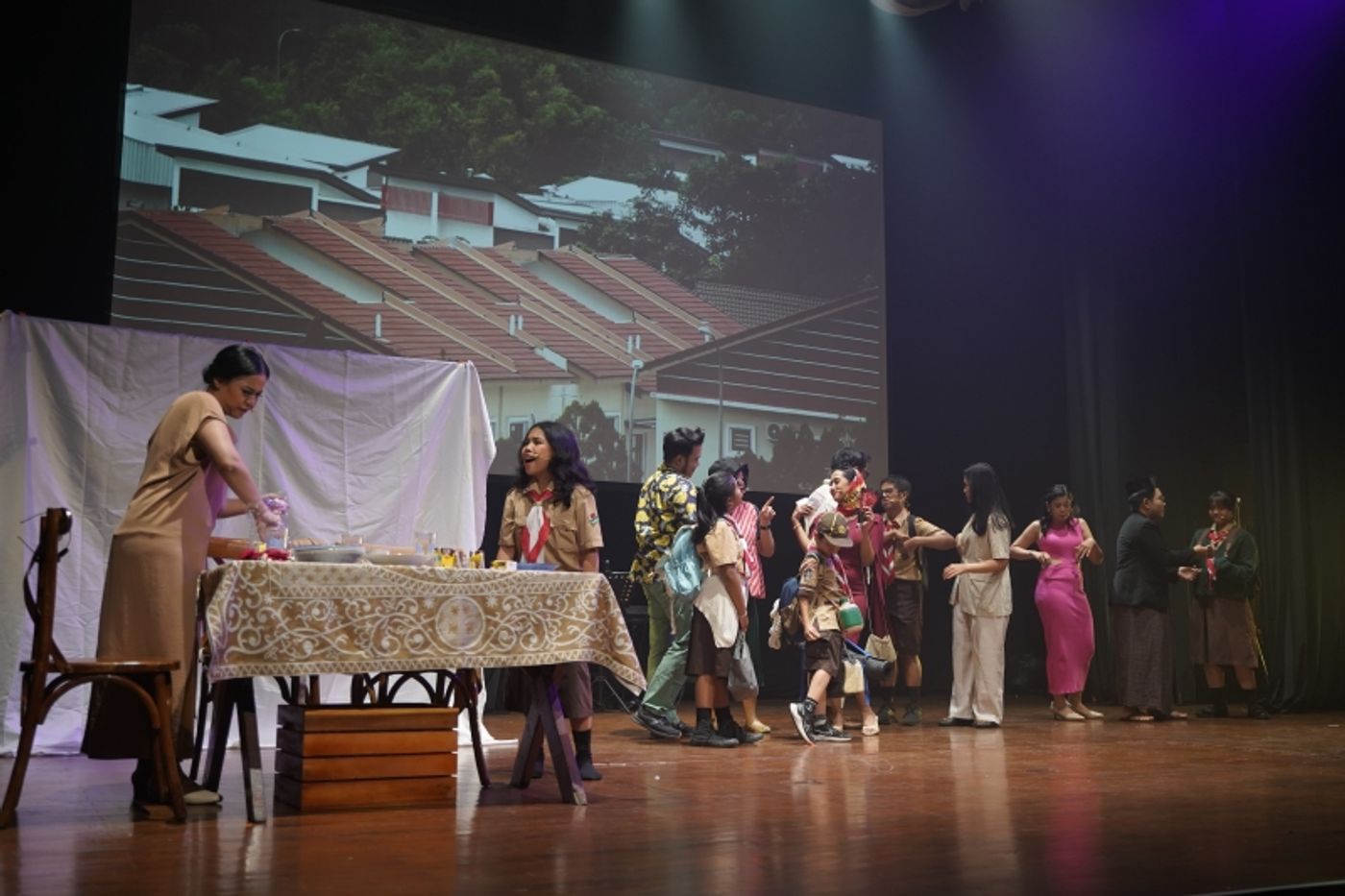
Raka: It tells the story of a mother and her daughter; they fight because the daughter feels that the mother doesn’t listen to her. Through a mysterious force, the daughter was sent back in time and met her own mother when she was young – and had selective mutism. They had to work together for a talent contest in order to send the daughter back to her own time.
Although the technical execution could be improved, the show had ambitions and a great heart at the center. This show was also dedicated to one of its lead actors, Nada Asley Khodori, who tragically passed away in October.
Panah Matahari Adipati Karna by Swargaloka
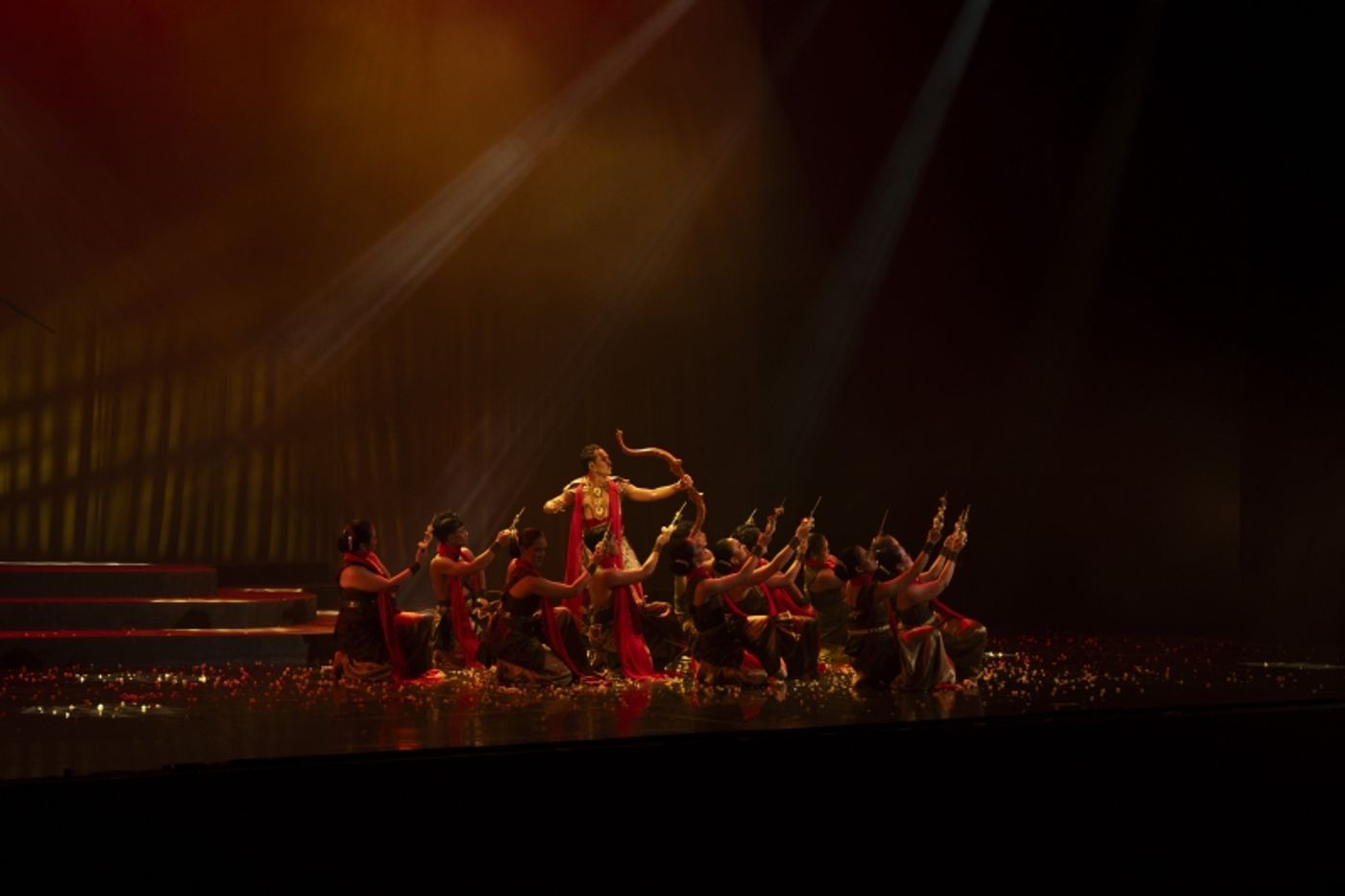
Hana: An exciting show that married Wayang Mahabharata with contemporary music. While the story was grim, the team brought this production with such excitement that it became joyfully delightful. The excited energy from the cast was infectious, electrifying the audience. Not to mention their immaculate chemistry which was shown in their synchronicity.
The show drew artistic inspiration from wayang itself, such as when the inner-thoughts of Dewi Kunti were conveyed through wayang. It made for interesting imagery within the context of the story. Also, while the jokes were mostly hit or miss, the cast’s unceasing smiles made for a genuinely enjoyable show.
There was still more room for improvement; particularly, the show’s creatives could further explore which aspects of the show they’d like to tell, and which ones they’d like to show on stage.
Raka: A retelling of Mahabharata focusing on Karna, the son of a sun god. Abandoned by his mother, he was raised among humans and sought to become an honorable warrior.
As told during the opening voiceover, the show was made to assure wayang’s (traditional Indonesian shadow puppetry) place in the modern performing arts scene.
The resulting wayang-inspired artistic direction was impeccable. Magical, memorable, and simply beautiful to behold, it showed the power of not only preserving tradition, but also integrating, developing, and adapting it for the current era.
This was not only apparent in the bold lighting and regal set design, but also the strong dramatic postures that the actors assumed. Certain scenes were portrayed using traditional wayang segments, with the show’s characters watching it alongside the audience. The show often felt majestic, mystical, even divine; a true testament to the showrunners’ love and appreciation for the art form.
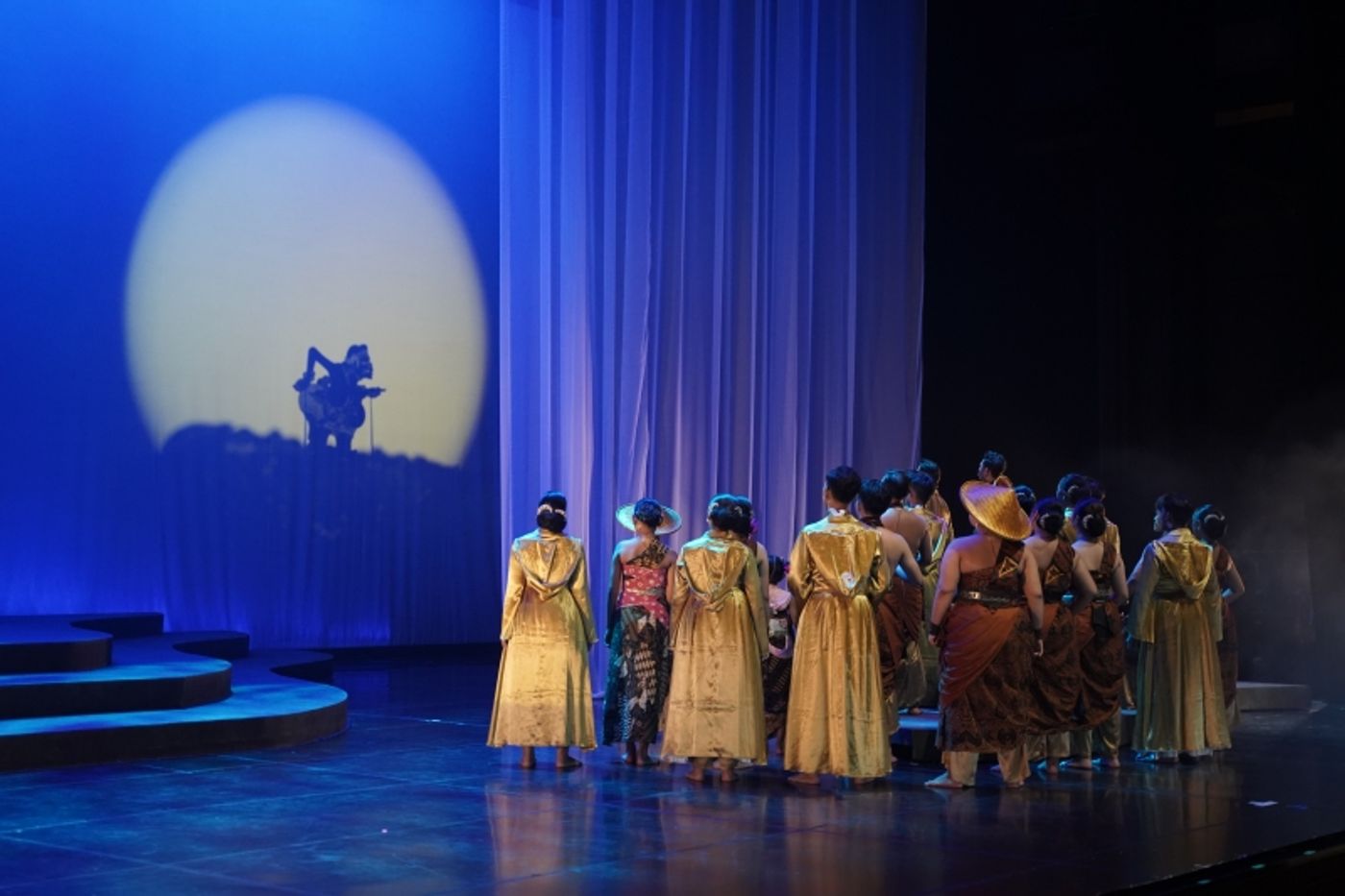
The story was more or less a direct adaptation of the wayang story, making for an epic tale of chivalry and the quest to find one’s place. The actors put on a great performance, although with a noticeably heavier focus on choreography rather than singing.
Panah Matahari Adipati Karna’s biggest flaw, in my humble opinion, was in its humor. Although humor is subjective, the overreliance on anachronistic and repetitive jokes felt ill-suited for the show as a whole. A different comedic approach, or much less subdued one, would have made for a more coherent show.
In the end, the show’s artistic merits outshone its shortcomings, and it served as an excellent testament that theatremakers should consider looking towards wayang as their next source of inspiration.
Kisah Abadi by Unlimitale
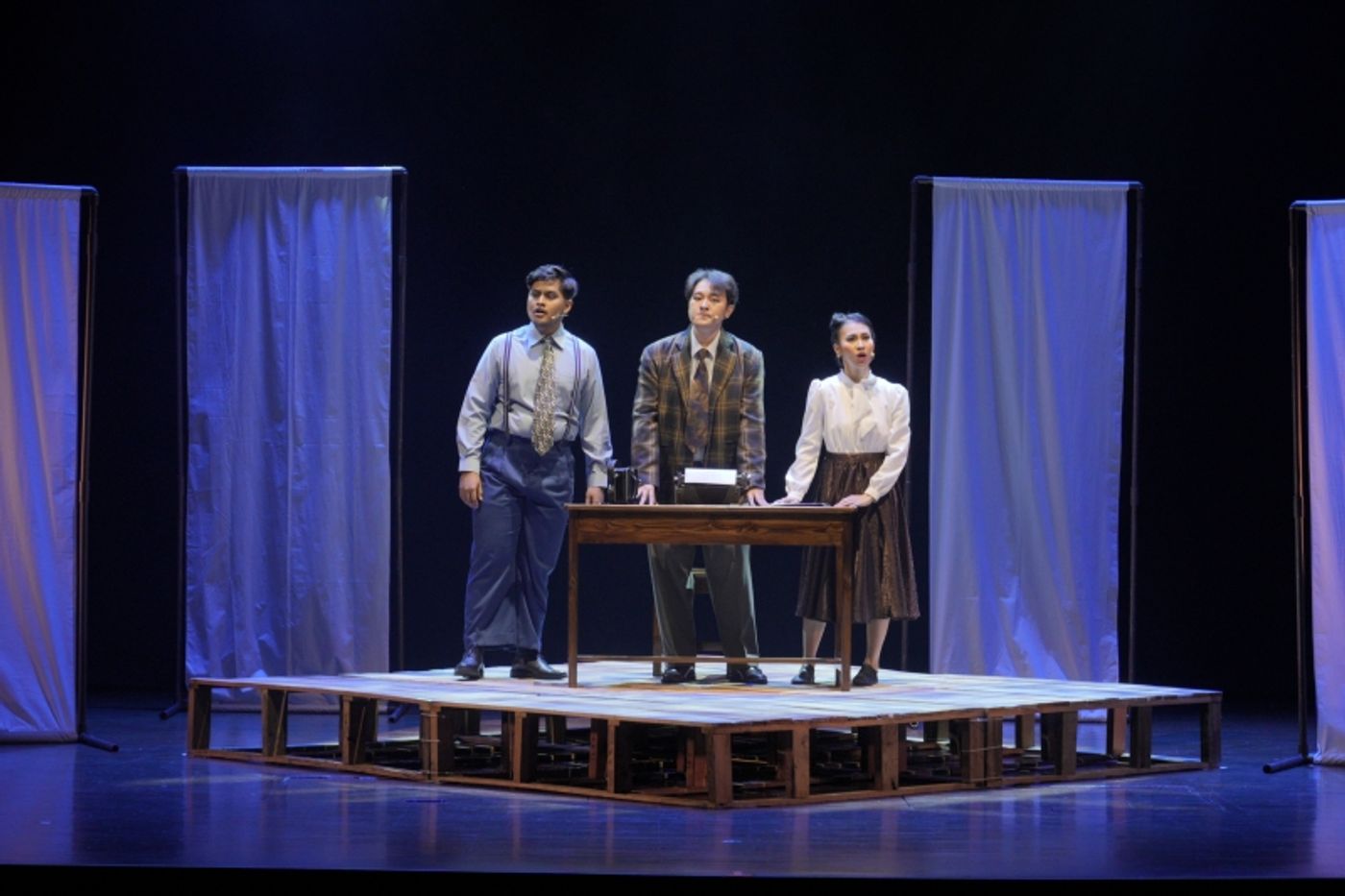
Hana: The show was a bit confusing, yet there were some interesting moments of artistic direction. For example, music being created by the sound of a typing machine. It was also readily apparent that the show was made with a lot of love for the medium of film – although the show was ironically performed as a theatre play.
The storyline was whimsical but a bit fragmented. And very slow paced. Ultimately, the intended message was successfully conveyed: the “eternal story” is life itself, while still leaving some questions lingering.
Raka: Kisah Abadi, the debut theatrical work of Unlimitale, brought a story of immortalizing one’s legacy.
Tan Siu Hong is a fictional filmmaker who rejected his father’s offer to inherit the family business. Instead, he starts a film company with his friend to “create an eternal tale” that will preserve his legacy. Along the way, he meets Rahayu, a female writer who ends up joining his company – and his life.
Soon, their lives intertwine with the Japanese occupation of the Dutch East Indies. Hong decides to burn his company down rather than letting it fall to the Japanese army’s hands. Although left without his company, he finds new meaning in his child with Rahayu, and sets out to be a good husband and father.
Kisah Abadi was one of the shortest shows at the festival, to its detriment. The bits and pieces that we got to see were good, competent, and had interesting ideas. However, with little time to develop deeper emotions and more complex stories, it almost felt unfinished. Yet, as we’ve seen from shows of previous years, perhaps this would lead to a full-length production down the line – a welcome proposal.
One of these underdeveloped plot points involved our protagonist’s motivation. After he established the film production company, rebelling against his father’s wishes, Rahayu asked him what kind of story he would like to tell with his films – the titular eternal tale, perhaps – and he said he didn’t have an idea. It undercut the story’s own dramatic weight, as Hong came across as oblivious to his own passion, therefore making his decision to let go of the company and choosing his family a less hard-hitting one; he didn’t know what he wanted to make, anyway. This is a case where I feel that more specificity would make the inevitable sacrifice immensely more heartbreaking.
But now that Unlimitale has a theatrical show under its belt, we can hope that the team would be more confident, bold, and ambitious; perhaps Kisah Abadi is only the prologue to their own eternal tale.
Ritus Negeri Celeng by Dimar Dance Theatre
Hana: “Cerita...
Dua celeng...
Yang sedang mencari cinta.”
“It’s a story…
Of two boars…
Looking for love.”
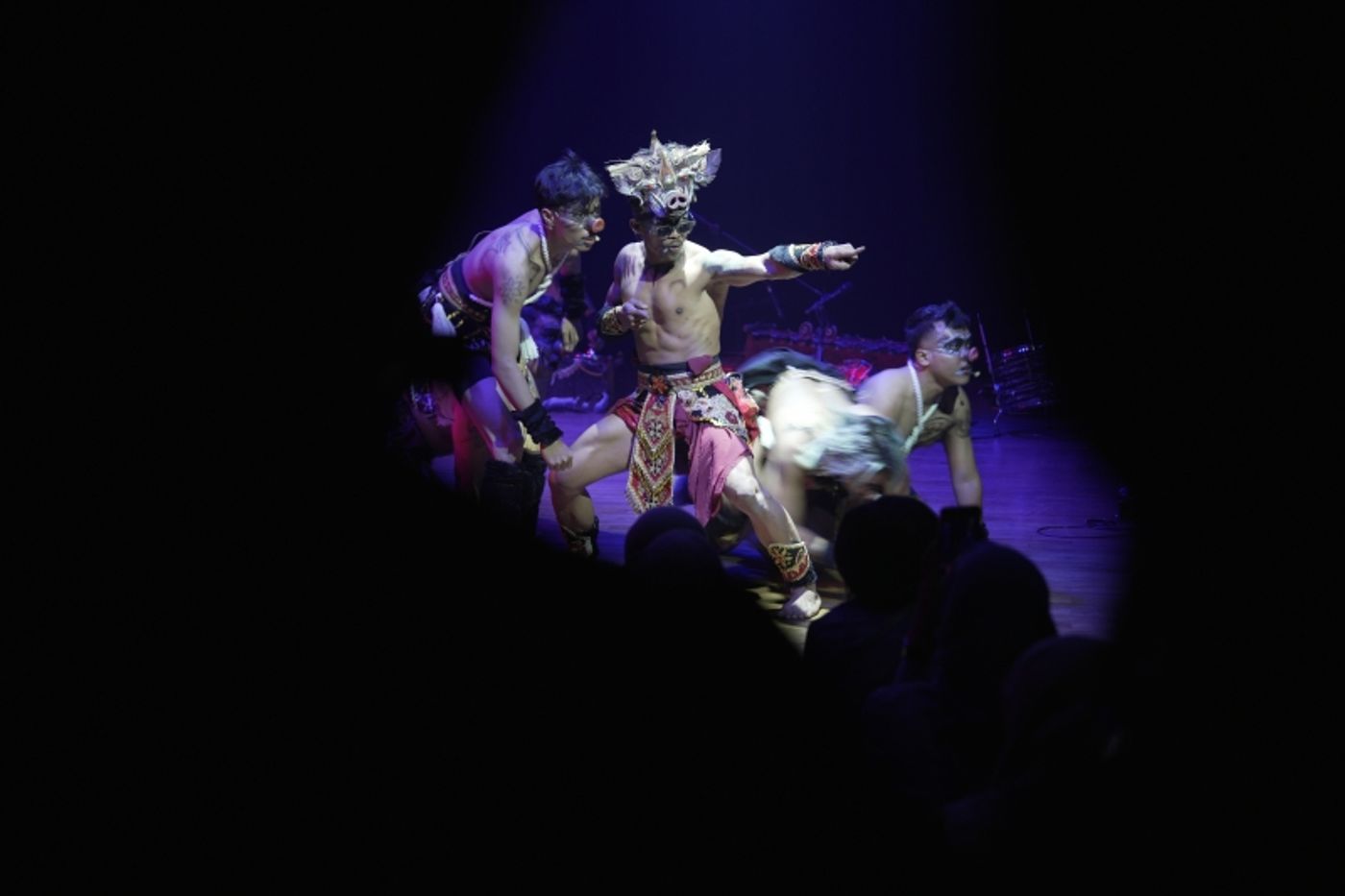
Ritus Negeri Celeng was brought to life with incredible showmanship from a herd of multi-talented performers.The narrative was largely abstract, revolving around a group of boars. But they executed it with passion, and even found the time to discuss politics, which I really appreciate
Raka: Ritus Negeri Celeng is a dance-theater show made in collaboration between Indonesian and German artists. It tells a story about a herd of boars and their prince, who’s looking to find a worthy bride.
The premise, however, mainly served as a backdrop to an impressive hour of theatrical entertainment. Taking place in the black box Teater Wahyu Sihombing, there is little in the way of set or visual effects; rather, Dimar Dance Theater’s main spectacle is the cast’s amazing physicality.
The cast members are actor-musicians, still a rarity in the Indonesian musical theater scene. They play various instruments during moments of narration, then, in a snap, embody wild boars through their committed and fierce physicality. They run on all fours, dance, jump, all with jaw-dropping athleticism and artistry.
The show is very eclectic and sometimes bizarre, but never boring. There was some political commentary as well as jokes that felt more outdated than anything. Overall, Ritus Negeri Celeng was a mesmerizing show that knew how to showcase its strongest assets: the performers themselves.
Kapan Nikah by Jaksical
Disclaimer: We weren’t able to get a seat for the first half of the show and had to watch it using the display outside the theatre.
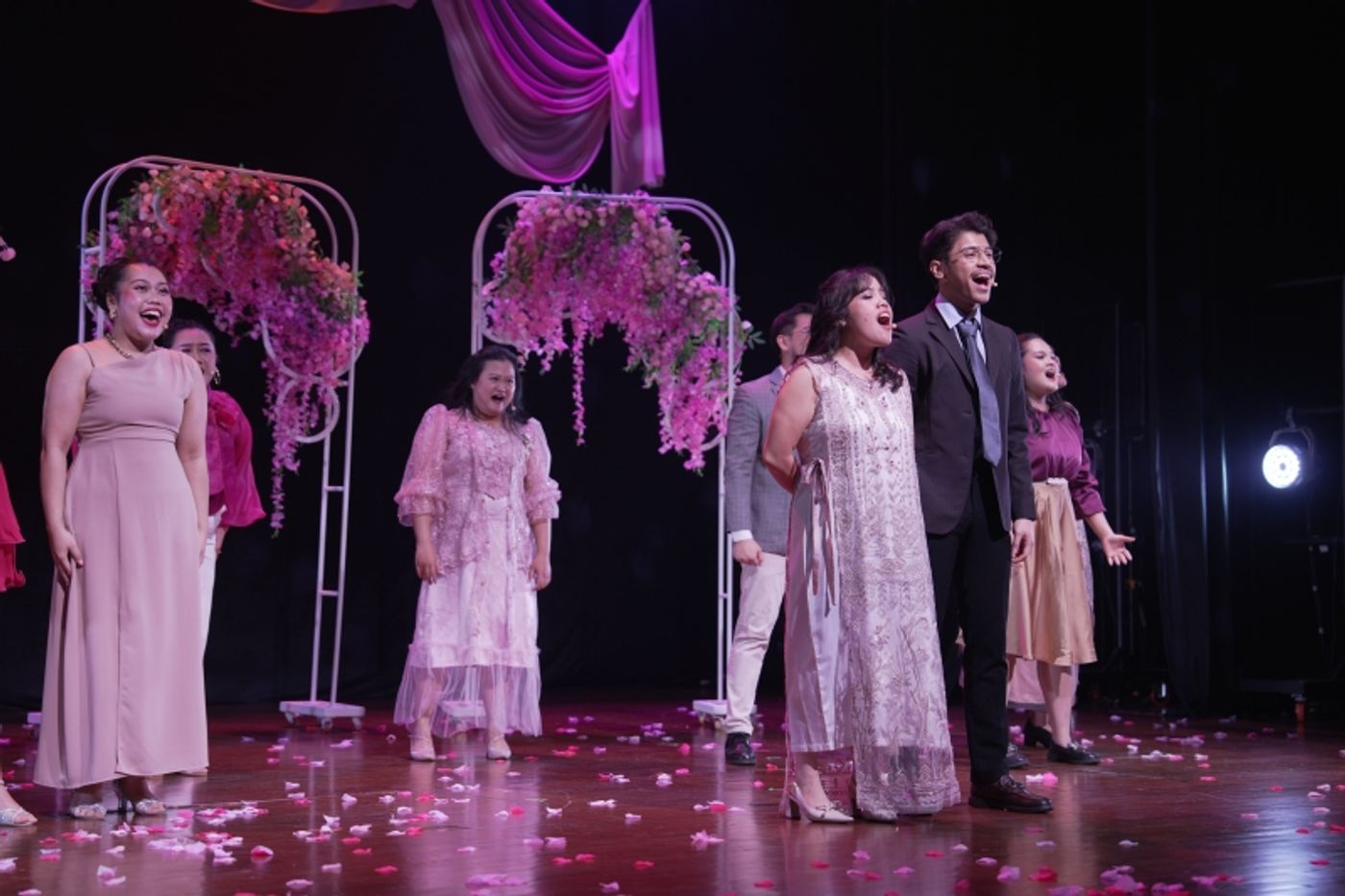
Raka: Kapan Nikah returned for the third time, this time at Teater Kecil and with a new director (Shafiq Husein).
There had been substantial changes to the story. The creative team had seemingly dissected the script and honed in on the heart of the story: the relationship between Monika and Adi.
In the previous versions, their story took a backseat to the question of “When are you getting married?” itself. The show was more concerned in presenting various perspectives behind that familiar question but, in doing so, lessened the emotional impact.
The most hard-hitting change was the bigger focus given to Adi (this time played by Dharma Dewanto), including a new solo song. As we got to see more of his perspective, the relationship problems became more complex yet genuine.
Although the main couple’s relationship was afforded more time, that didn’t lessen the overall message, but rather the opposite. With a stronger portrayal of this core relationship, that made every POV more meaningful: from the aunties pushing Monika to get married, Adi’s parents demanding commitment from Monika, and even Satya trying to stop Monika from making a rash decision.
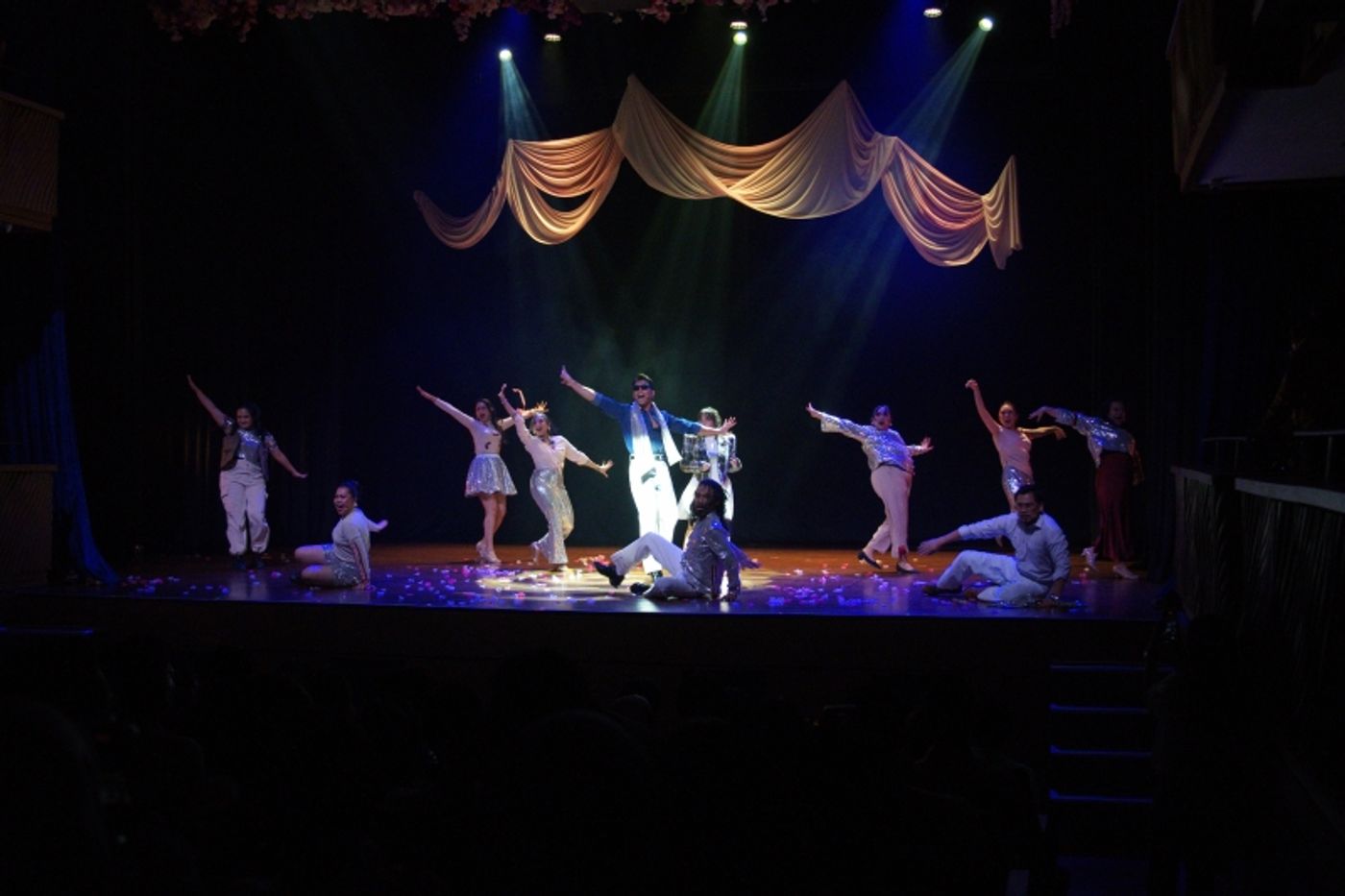
There were also several smaller changes, like Satya accompanying Monika to her meeting, a line from Adi’s mom that she only wanted the best for her son, as well as blocking changes. Although the show was less immersive and less artistically ambitious than before (although the team did a good job in adapting it for the small proscenium theatre), what it lost, it gained it heart.
Kapan Nikah’s third run proved that original musicals could benefit from edits, reworks, and fresh perspectives. This was a rare and previous case, since most original musicals still only had one run – and even for those having reruns, there have only been minimal changes. Hopefully, Kapan Nikah will inspire more showrunners to take bolder steps in improving their musicals.
Calon Arang by EKI Dance Company
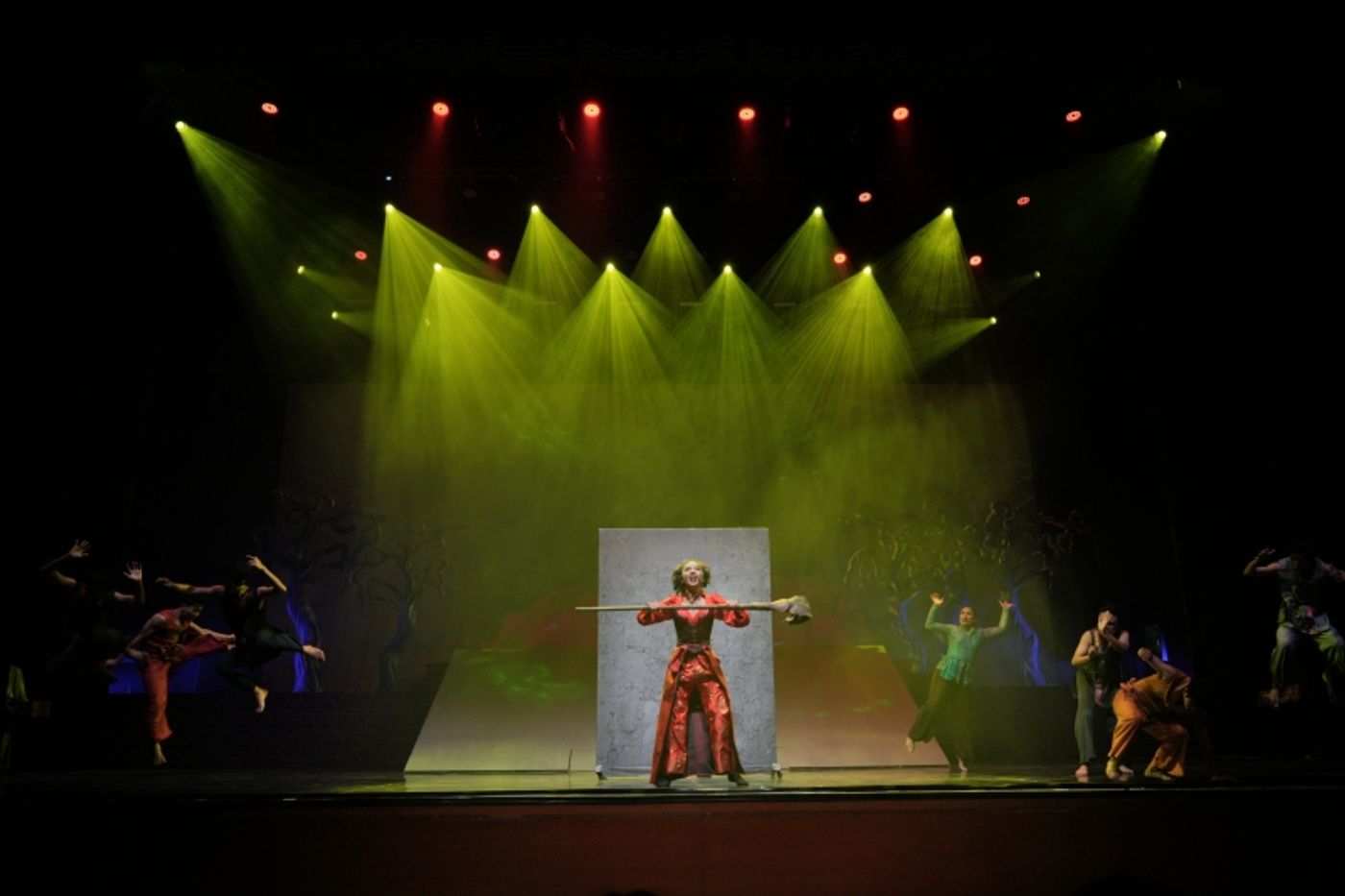
Hana: A visual feast that unfortunately lacks flavor.
Calon Arang is presented as both an evil queen who uses dark magic and a doting mother to Ratna Manggali. While, theoretically, this could work for an anti-hero character, it’s hard to reconcile the very bluntly evil side with her maternal side. This is emblematic of the show’s tonal issue, making many scenes lacking the nuance and depth required.
The use of multimedia and the synchronization with the action was impeccable. However, a big stage such as Teater Besar was not suited for the interactive moments.
Raka: Calon Arang was originally performed at the compact Galeri Indonesia Kaya before making the big leap to Teater Besar. It adapts the myth of Calon Arang, a wicked witch from Balinese mythology.
The story itself is given a now-familiar twist: what if Calon Arang isn’t completely evil?
Here, Calon Arang (Ara Ajisiwi) is a mother who cares really much for her daughter, Ratna Manggali (Nala Amrytha). When Ratna is shunned by the townsfolk for being Calon Arang’s daughter; the witch herself then uses her magical powers to force them to be friends with Ratna.
To quell Calon Arang’s infamous wickedness, the wiseman Empu Barada (Gabriel Harvianto) sent one of his pupils to deceive her and steal her tome – namely, by pretending to be in love with Ratna. This pupil, Bahula (Gerry Gerardo), left Ratna at the altar. This act of betrayal roused Calon Arang to confront Empu Barada, a fight between good and evil that continues to this day.
It’s not a stretch to say that Calon Arang is inspired by Wicked. Not only through the reframing of a famous wicked witch into a misunderstood figure, but also by the artistic approach: it is accessible, full of spectacle, and mostly fun.
Calon Arang herself greets the audience cheerfully as she walks into the theater, positioning herself as a welcoming motherly figure. She came across as affable and largely harmless. However, although Ara’s performance was very enjoyable, I couldn’t help but wonder if this approach was doing too much too fast in shaping the audience’s perspective. Letting the audience ease into the gentler side of Calon Arang and thus, letting the audience form their own impression of Calon Arang, might have made for a stronger characterization. Additionally, this directorial choice made the show feel too much like a children’s show – although perhaps that was the intention.
.jpg?format=auto&width=1400 "Review: FESTIVAL MUSIKAL INDONESIA 2025 and All 12 Shows")
The artistic design also made a great contribution to the show. Visuals on the LED and sound effects helped bring the magical effects to life. I found myself wishing there were more dance numbers, as EKI is known for their brilliant dancers, but the ones we had were as excellent as always.
Overall, Calon Arang was a well done show that was entertaining and carried an important message. There were some tonal issues that could be improved to make the show’s message – that there is evil in “good” and good in “evil” – delivered better.
Langendriyan Mandraswara: Menakjingga Lena by Mangkunegara
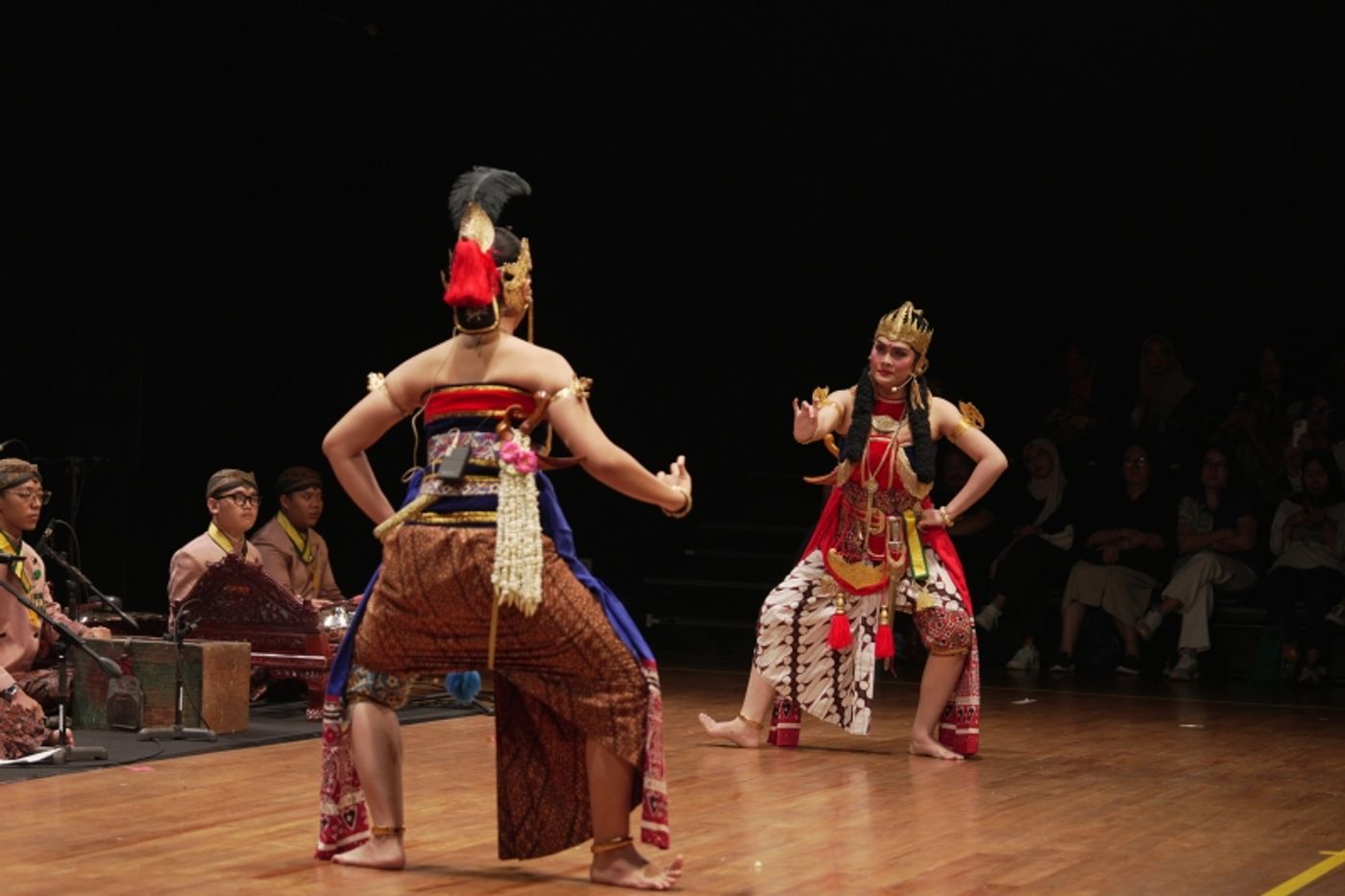
Hana: Mangkunegara is the official dance troupe of the Mangkunegara regency from Surakarta. As befitting of a show originally made for the royal family, it was both graceful and lavish. I found it very peaceful as an audience member who was not familiar with the theatrical style. I also found the concept of women playing male roles to be very interesting – particularly because the show was about a fight for dominance between two men.
Lika Liku Belakang Panggung by Pranalika Production
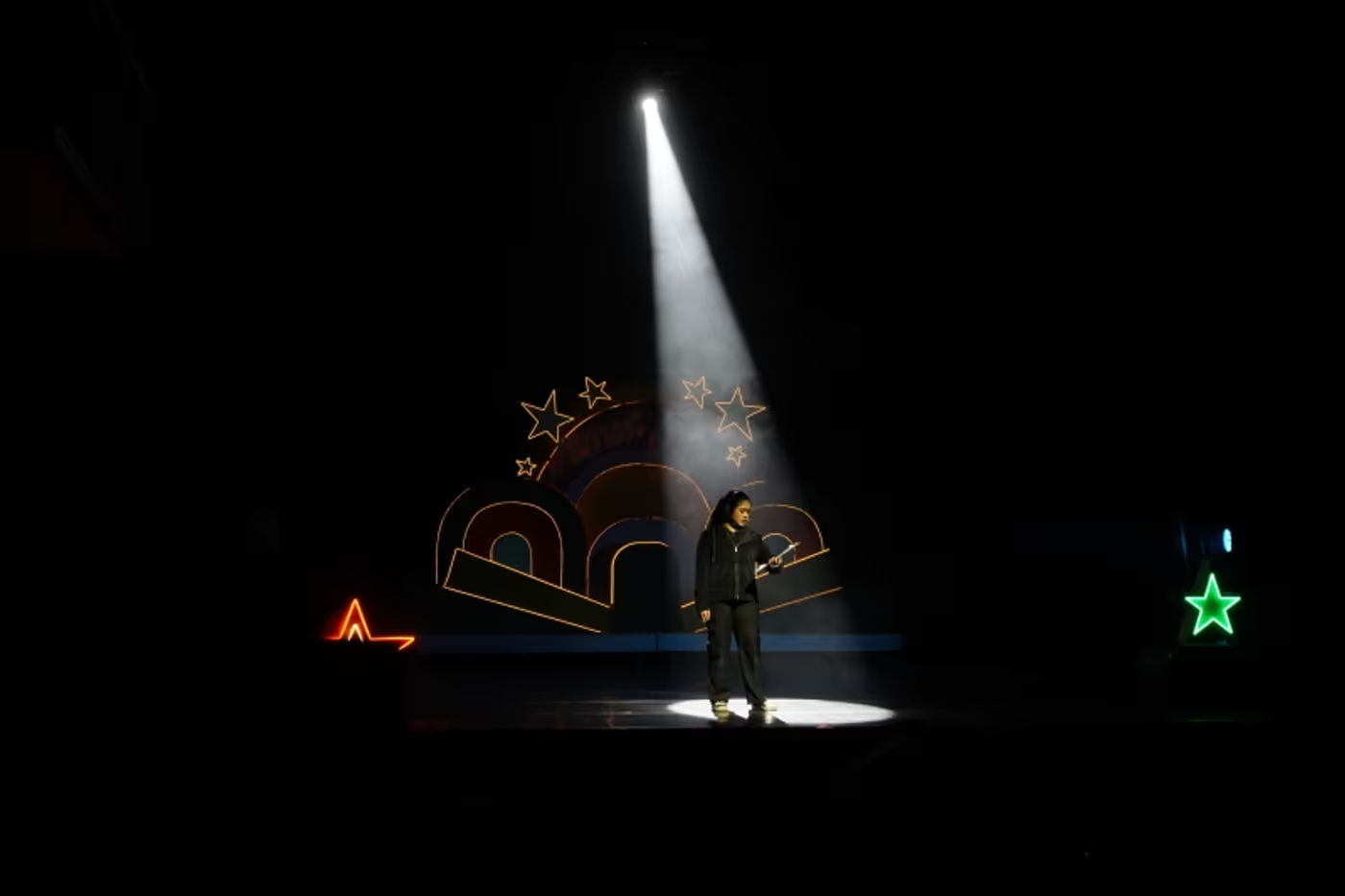
Hana: It’s got enjoyable and memorable moments, especially as someone involved in theatrical productions. Its switch between moods and tones were done well. Humorous and had impeccable comedic timing. The organized chaos was fun. This was meta theater done right.
Raka: Pranalika’s second public stage production (following their debut work Footlights and Friendships) tells the story of Lika, a stage manager for an upcoming musical. She has to balance between the pressures of realizing the director’s vision, keeping the sponsors happy, and – most importantly – actually running the show.
As a show about musical theater written and made by actual thespians, Lika Liku Belakang Panggung is a heartfelt love letter to the crew members working hard behind the curtain to make every show run smoothly – particularly the stage managers. It is laden with inside jokes that are beautifully balanced to still be amusing for those outside the theater circles, but they hit extra hard when you’re part of the community (there was a jab about unlicensed shows that got a rapturous response from the audience).
There were also interesting little directorial touches, such as opening the door to the actual venue’s backstage to portray the cast and crew’s activities before a show, or detaching parts of the main set piece to quickly ‘repaint’ it. These little flourishes were perfect complements to the show’s playful script and tone. As a bonus, it also had the catchiest new song from the festival.
Although the conclusion to the show might have felt rather simple compared to the complex web of problems, it was still heartwarming, emotional, and fitting. It was a well-crafted show that would have the audience leaving the theater satisfied and humming its main song.
Kakek dan Perahu Kuning by Waktunya Main
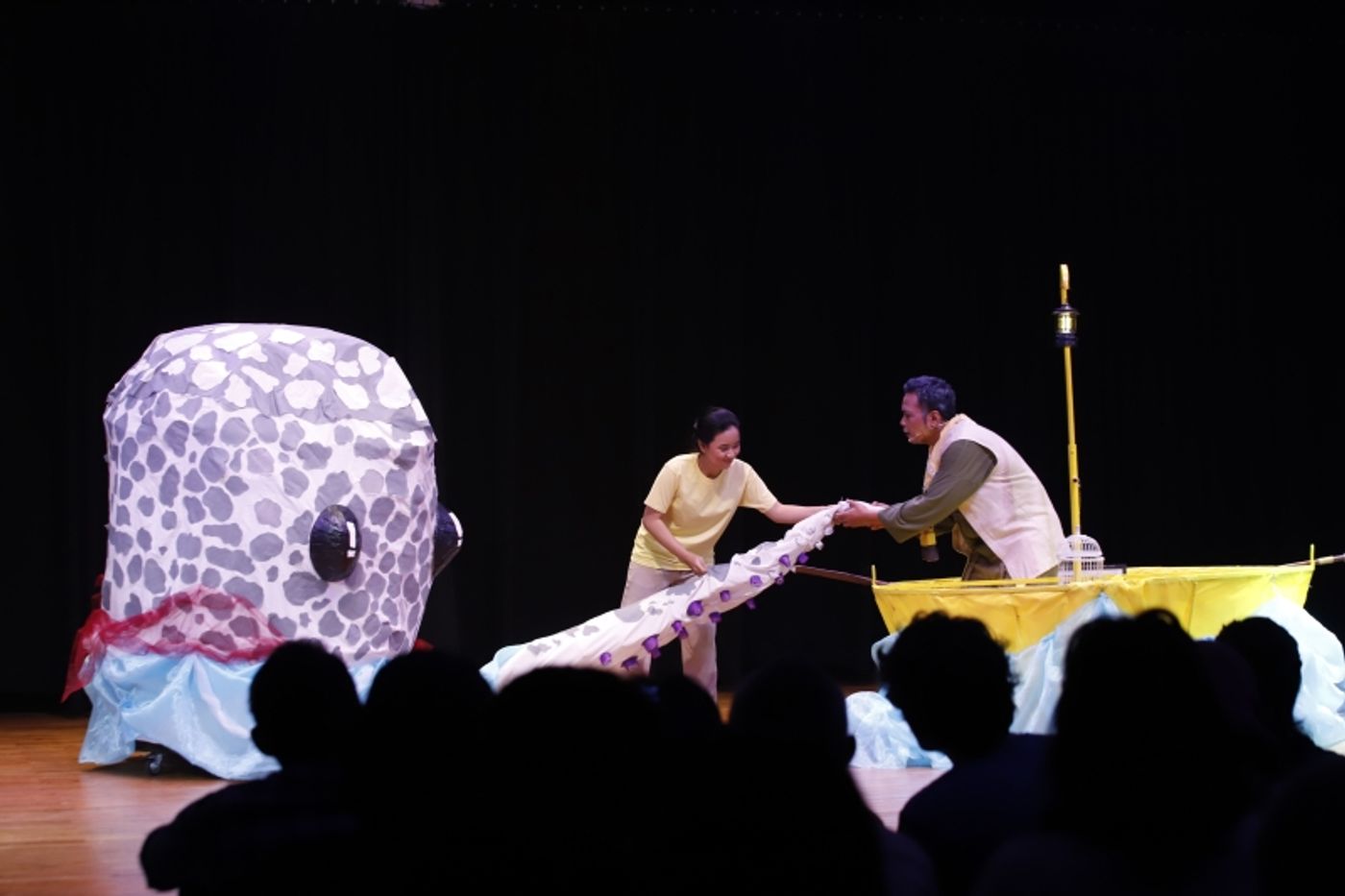
Hana: A heartfelt, earnest work, with contagious energy. It's the kind of storytelling that captivates you; that makes you curious
Raka: Kakek dan Perahu Kuning (“Grandpa and the Yellow Boat”) tells the story of an old man dealing with grief. His wife of many years passed away, leaving him with only a few things to remember her by, the most precious being a bird that they had raised together.
When the bird escaped from its cage, he set out on a quest to find it. He rode a yellow boat he made himself and met many different characters on the way, including a giant octopus and a group of flying fish.
It is evident that the script was written with care. It was purposefully simple, made for children and family audiences. Yet it carried a powerful message about dealing with grief and letting go, told through a charming fairytale-like story.
Moreover, the use of DIY, handmade set pieces and puppets further added to the show’s playful tone. The show also had a few child performers playing the adorable group of flying fish. Kakek dan Perahu Kuning is proof positive of Waktunya Main’s commitment to creating theatrical pieces that are entertaining and meaningful for all ages.
Tumang by ArtSwara
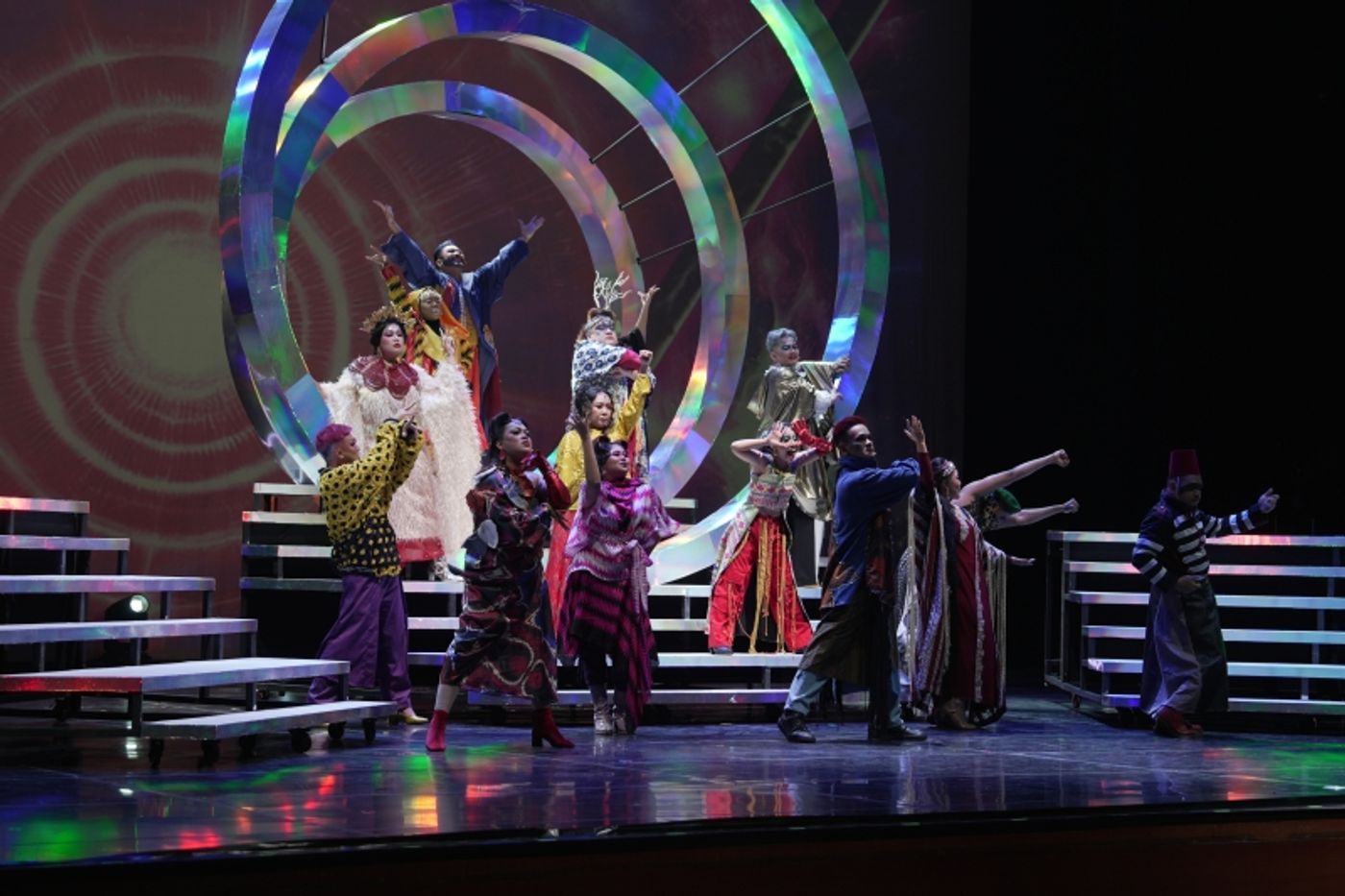
Hana: A grand story that was ultimately diminished by overly long duration and unfocused direction. The art direction & music were incredible. However, as a whole, it felt uninspired.
It reminded me a lot of ArtSwara's previous FMI appearance, “Perempuan dalam Remang”. I gather that the director was experimenting with contrasting tones and drawing parallels. But the writing wasn't strong enough to support the parallels the director wanted to create.
There was a sprawling story the team wanted to tell, but too little time and too many improvisation moments. Not to mention that, most of the songs felt transitional rather than emotional. Ultimately, it was enjoyable and was a feast to the eye, but the lack of focus made it hard for the audience to fully understand it.
Raka: Tumang is based on the well-known Sundanese legend of Sangkuriang. While the folk legend concerns itself with forbidden love and impossible trials of Sangkuriang, this musical focuses on the backstory of Tumang, the father of Sangkuriang.
Back then, he’s known as Jelaga, a prince of the heavenly realms. The pantheon consists of many different gods and goddesses, with their own domains and unique appearances. The story then consists of Jelaga’s romance with Satva, another denizen of the heavenly realm. Their love and intimacy angers the gods, who cast them out – and put a curse on Jelaga, transforming him into a hound known as tumang.
Tumang has a very distinct and rich art direction. The set mainly consists of giant metallic steps with a giant ring at the center, suitably otherworldly and majestic for the story. The costume design is visually striking; each divine being has a unique and suitably ethereal look, making use of luxurious fabrics and different patterns. The lighting is likewise bold and colorful.
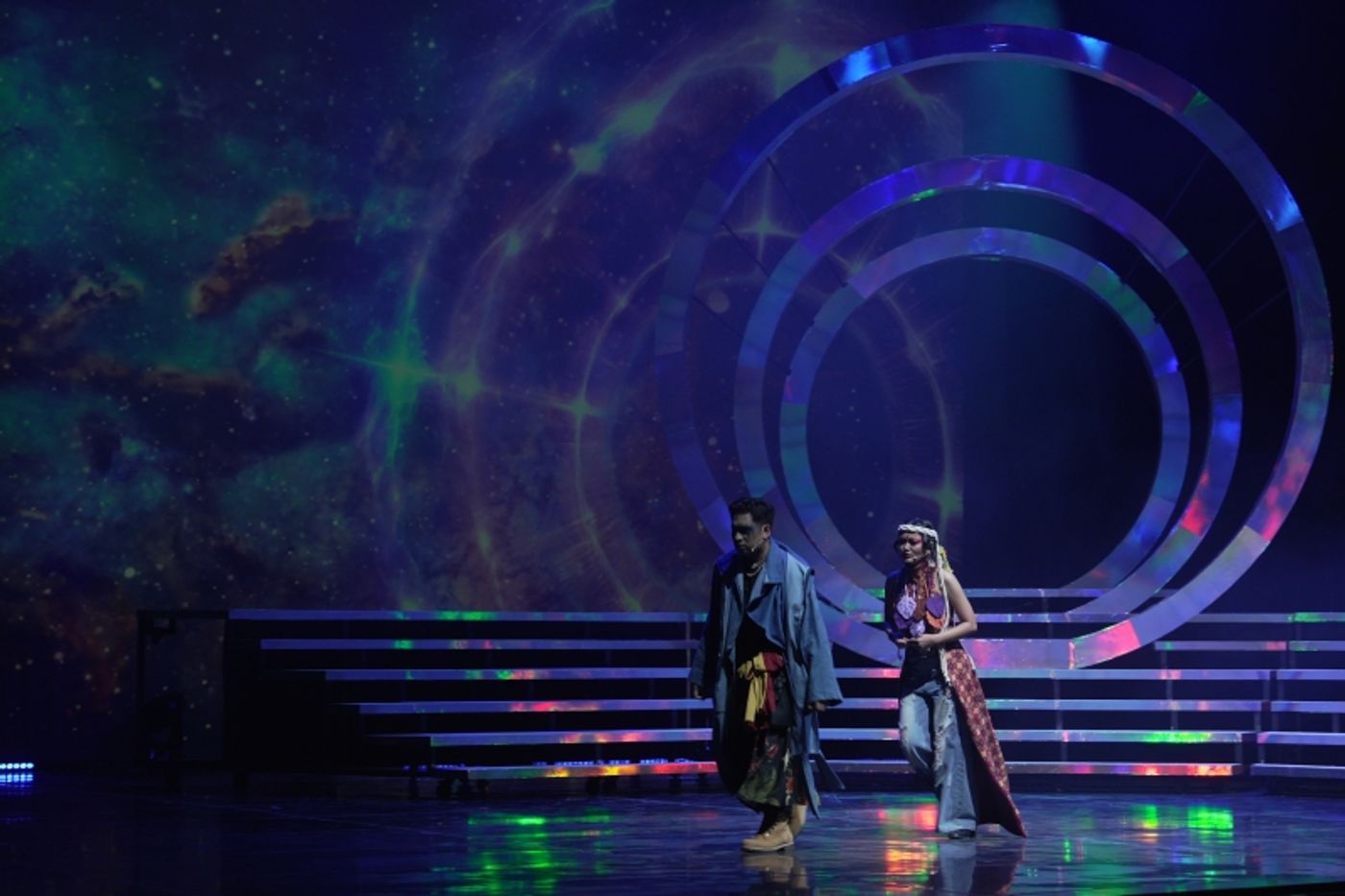
While the show is a visual spectacle, the story can be a bit hard to follow. There are several plot threads that seem to be underbaked – such as the infidelity of the head god, which is treated as a joke first but becomes serious the next moment to the point it warrants an emotional duet between the god’s wife and his mistress. The jokes – which mostly rely on making loud sounds and weird gestures – also quickly get repetitive.
That being said, the performances were great, as one would expect from ArtSwara. Particularly, Galabby stole every scene she was in as the meta narrator Gala-Gala; she greeted the audience, breaking the fourth wall, and introduced the story. But what made her special was her transformation, both in body and voice – amusing, yet with an almost menacing mystique to her, a perfect prelude to the show.
Tumang might have an unfocused narrative, but as a spectacle, it does impress. Watching it transports us into an otherworldly realm that confuses and dazzles, quite fitting for a story of gods and goddesses.
Broadwayworld Indonesia is a media partner of Festival Musikal Indonesia 2025.
Reader Reviews
Videos