Interview: Ali Keller on the 'Boundaries, and Compromise, and Sacrifice' in (UN)CONDITIONAL
Keller discusses the inspiration for (un)conditional, the psychological and emotional questions that shaped its creation, and more.
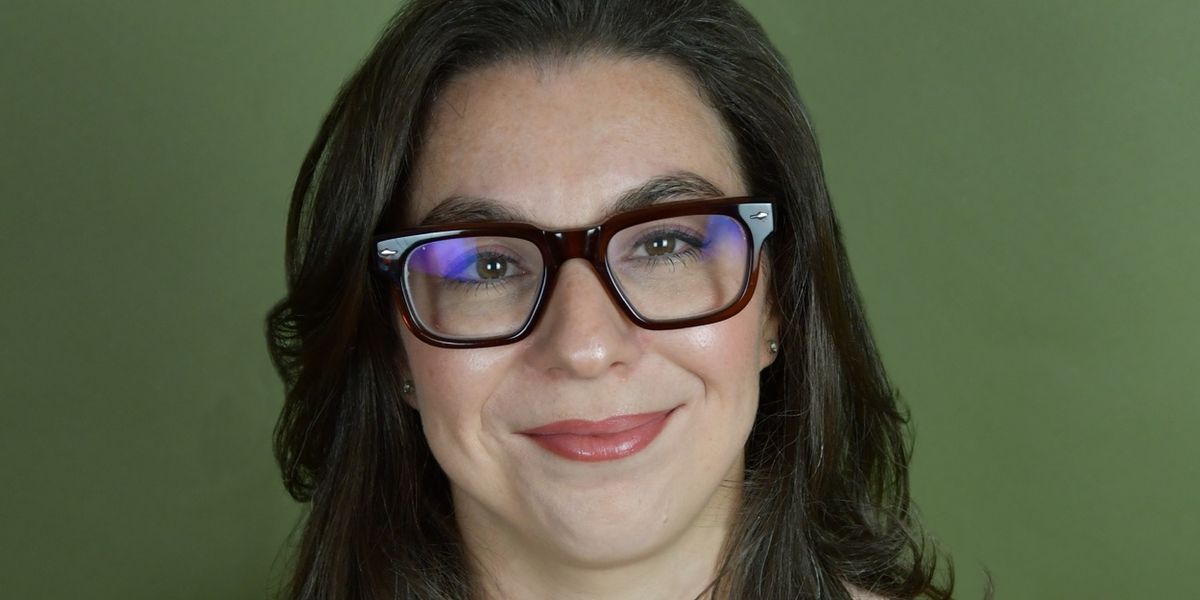
SoHo Playhouse is presenting the world premiere of Ali Keller’s (un)conditional, directed by Ivey Lowe, running now through October 26, 2025.
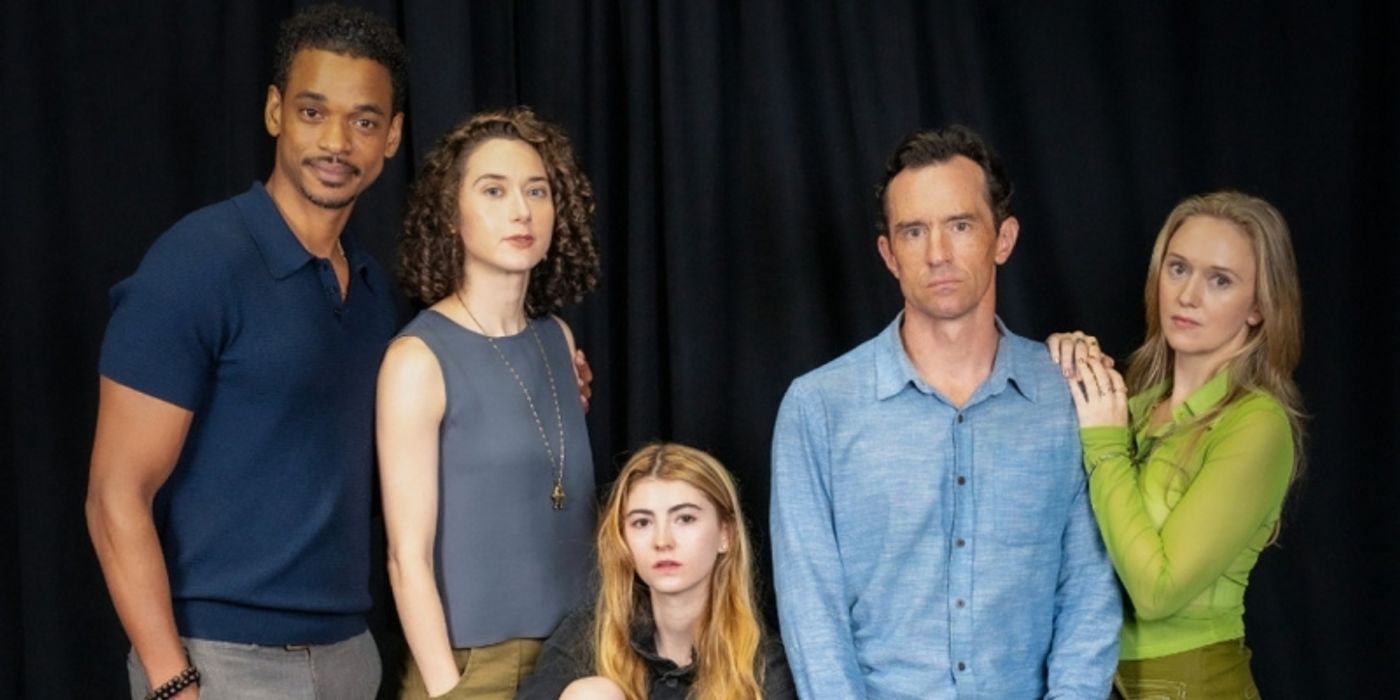
The play asks: fantasies are harmless, right? But what happens when a dark fantasy moves from imagination into the bedroom? For two couples, the limits of compromise, communication, and unconditional love are tested — and seven-year-old Mia finds herself caught in the crossfire.
The cast features Kate Abbruzzese, Brooks Brantly, Annalisa Chamberlin, Nathan Darrow, and Georgia Waehler.
BroadwayWorld spoke with playwright Ali Keller about the inspiration for (un)conditional, the psychological and emotional questions that shaped its creation, the collaboration with the cast and creative team, and what she hopes audiences will take away from the play. Read the full interview here!
What initially inspired you to write (un)conditional)? Was there a specific idea, moment, or conversation that sparked it?
It started with an idea for a 10-minute play. And I listened to the song, What a Funny Girl (You Used to Be) by Frank Sinatra off the Watertown album. It’s a very creepy song to me! To me, the tone of the song brought up the subject of pedophilia. And for whatever reason, the next thought I had after listening to the song was, ‘What would happen if I fell in love with someone like that? Someone that was objectively dangerous or harmful in some way.' And it took me a long time in that thought experiment to be like, ‘I’d just leave!’
That was my more adult part coming online to answer that question, but in that winding road of thoughts, it sparked my interest in the initial 10-minute play, which was the Christmas scene in the show, about if you don’t have the healthier part of you that comes online that’s like, ‘You should leave that person if they’re hurting you or someone else,’ what happens in that relationship? What does that relationship look like when you care so much about someone that you’re willing to forgo your own health and safety to keep your relationship alive?
That’s where the core of it started, and then, after that, I wrote the New Year’s Eve scene between Hank and Mia. And I was like, ‘There are a lot of things here I want to explore that are about more than Hanks’ issues.’ You could write a whole show about Hank and Lenox and their relationship, but I wanted it to be more globally about boundaries, and compromise, and sacrifice, and self-sacrifice, and enabling, and how easy it is to swing between those things. And so, I looked at Mia and I was like, ‘Who is this cool child’s parents? Who raises this kid that’s smart, and driven, and picking up on things as much as a seven year-old can, but feels really lonely?’ And that’s how Kyle and Valerie came into existence. And then I wrote from the beginning through the end of the show.
When you were actually writing the play, did your mental exploration of these topics happen and then you sat down to write? Or was that journey you were going on happening as you were developing these characters?
It was sort of happening in real time. For me, my writing process tends to be, I’m very obsessed with this character, or moment, or this image that I have in my mind, and I don’t know why. So much of my early drafts is me chasing down, 'Why does this keep coming up? What is this? Why do I care so much about what this would be?’ So, I think what was interesting in the development of this was, it came from a smaller thought of, ‘Oh God, what would happen if I fell in love with somebody like that?’ and then it grew into these larger questions as I was like, ‘This person is in the show,’ and ‘These people are in the show,’ and ‘This is what they’re dealing with.’
This show is so much about going against the messaging I grew up with in the 90s and early 2000s of, ‘Ride or die!’ or ‘Stand by your man!’ ‘Unconditional love,’ ‘Love your partner no matter what, you will always be able to work things out,’ without the discussion of boundaries that we’re having now.
So, I would have loved to have been like, ‘I totally knew going in, I know what I’m driving towards.’ But for me, it tends to be like I get really obsessed with a character or a conflict, or something they’re going through, and in pursuing that, I discover why, and then I can edit and rewrite from there. But it feels a little bit like a process of going in blind when I’m writing stuff.
What has it been like working with this company and watching your thoughts, and these characters come to life on stage?
It’s an indescribable joy and love. Truly just thinking about it brings tears to my eyes, because working with everybody has been such a wonderful experience. And I think our cast has been so incredible. I am deeply aware that this show is a big ask for actors. They’re doing a lot of really vulnerable things on stage. And they have run at it and embraced it, and they show up for these characters with so much love.
They’ve been so amazing, as has Ivey [Lowe, director] who has been such a champion of the script, and the development process, and led our creative team, who championed the show and loved it. It’s been so incredible to watch people take something from your brain and embrace it so hard.
For a show that is definitely emotionally draining for them to do, to see them so happy and in love with the piece, and having so much fun doing the show every night is really something very special. I think they each have their own difficult track in the show. Georgia Waehler is a 20-something playing a seven year-old in a way that makes you forget she’s an adult on stage, which is a wild and difficult uphill battle. Nathan Darrow has a huge ask for someone to walk out on stage and be someone who is so dangerous and so scary, and make you like him, and then make you hate him. And he’s embraced this in such a sensitive and wonderful manner.
And Kate [Abbruzzese] and Brooks [Brantly] are so beautifully brave, and honest, and funny. To be two people who communicate so clunkily in the show in front of people, around something that’s not something we talk about for parents all the time, has been amazing. And Annalisa [Chamberlin] who has been my friend for a long time - and has probably read every single version of the script that’s ever happened, including the 10-minute play version - to do this with her, and watch her be able to do it with this group, this design team, this director, to finally be able to bring this to life, has been so beautiful. And she also has such a hard thing to do, as someone who loves someone who’s so dangerous, and makes choices that are questionable in the show, and she does it with so much grace, and love, and compassion. To have this feeling your first time out in an Off-Broadway show is pretty incredible.
What do you hope audiences will walk away thinking or feeling after seeing (un)conditional)?
I hope they want to talk to each other about it. It’s been really moving to me to have heard from people, unsolicited, “We talked about it the whole way home," "We talked about it two days later," "We’re still talking about things." So much of the show, for me, is, ‘I don’t know how to answer these questions.’ Long-term relationships are really hard to stay in and be healthy in them as you change, as your partner changes, as you go through different life phases. And there are so many different kinds of things that can happen. So, I think, for me, I really wanted the audience to engage with talking to their partners— or whoever they bring with them—to talk about, “This made me think about this thing we’ve never talked about before,”
I don’t want audiences to feel uncomfortable in a sensationalized way, but I hope audiences feel uncomfortable, but safe, so they can think about these things that maybe they’re not thinking about all the time, and then they can turn to someone they feel safe talking to about it so that they can make the right decisions for themselves in their own lives.