Exclusive: They’re All Special - A CHORUS LINE Alumni Share Their Treasured Memories
A Chorus Line Official 50th Anniversary Celebration takes place at the Shubert Theatre on July 27th benefiting the Entertainment Community Fund.
As A Chorus Line celebrates its 50th anniversary, it is easy to focus on flashy headline moments such as record-breaking runs, star performances, and cultural milestones. But behind the phenomenon are the individuals who sustained it: performers, musicians, and creatives whose personal journeys are woven into the fabric of the show’s history. As Cassie defiantly declares to Zach, “They’re all special,” referring to her colleagues and competitors on the line.
To honor this sentiment, BroadwayWorld and Immortal Icons of Dance invited alumni who’ve been part of A Chorus Line’s history to share personal reflections about how the show shaped their lives and careers. Here we highlight ten of those voices whose intimate stories form a portrait of what this show has meant to those fortunate enough to be a part of it.
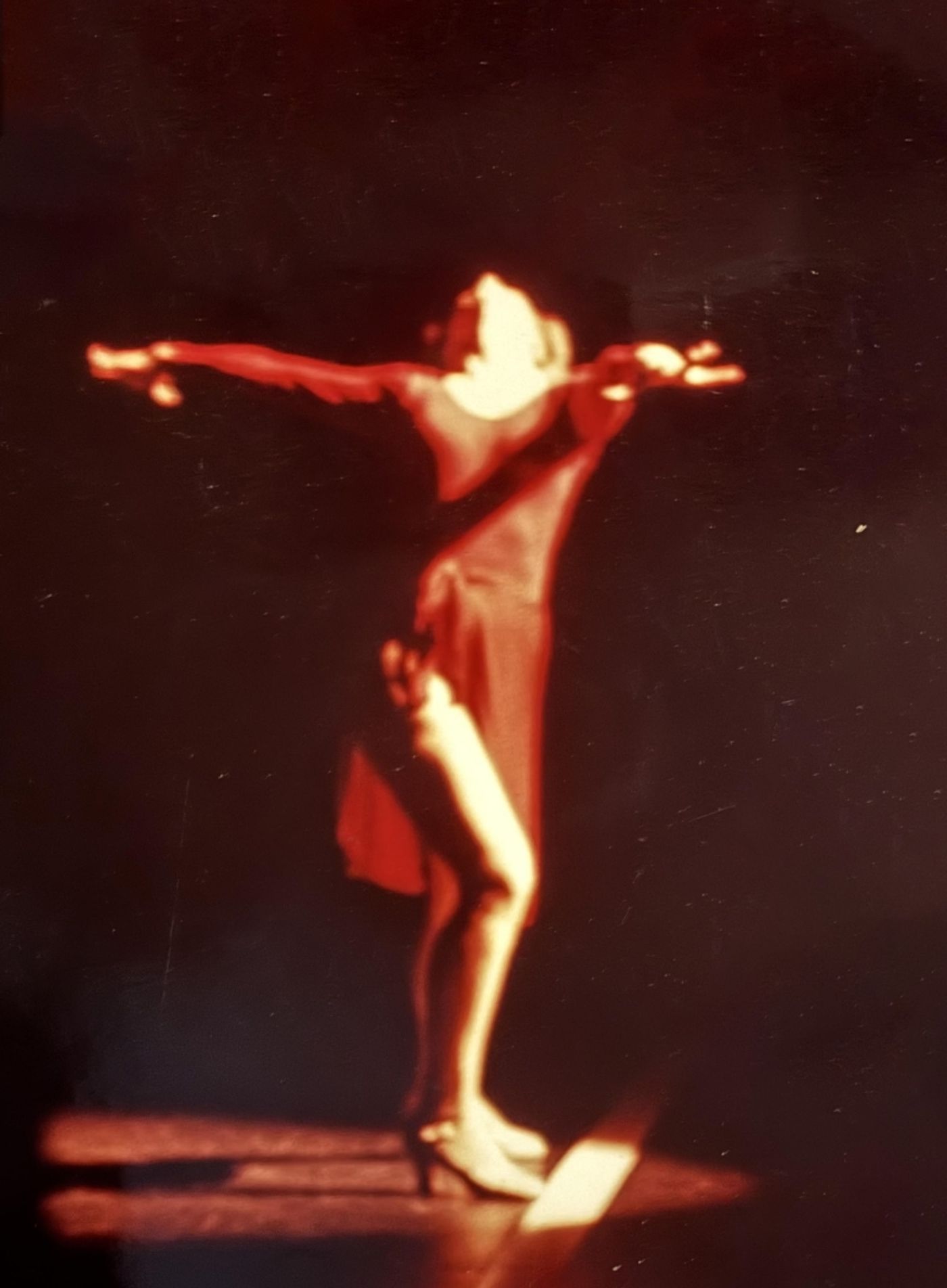
from his vantage of stage manager
Scott Allen was a swing during the off-Broadway run of A Chorus Line at The Public Theater. He played Roy and understudied Al in the original Broadway cast in 1975. He later joined the company in 1977 at the Shubert in LA to understudy Zach, then transferred to the International Company.
“I was in the workshops at The Public Theatre before we moved to the Shubert. When we moved to the Shubert, Michael put me in a stage manager position. ACL is such a fun show for calling light cues and other elements. The Tony Awards were awesome. We opened the show, and the energy for the opening number made it feel like we all danced 3 inches off the floor. Jane Fonda sat with us in the male understudies' dressing room to watch and listen to the awards. I had a little TV with sound, the size of a pack of cigarettes.
“The five of us male understudies shared that space, which we carpeted and added oversized throw pillows, soft lighting gel on all the lights, and a deer head over the door with a joint in its mouth. We also had a telephone, and our number was listed in the New York phone directory under the 'Westside Five'. I learned a lot about people and the workings of casting, directing, and the Broadway community.”
Paula Leggett Chase played Vicki Vickers and understudied Sheila, Judy, and Kristine in the final cast of the original Broadway Production in 1990.
“I was 13 years old when A Chorus Line opened on Broadway in 1975. I had never heard of A Chorus Line, but when my best friend Paula Evans told me her parents had a Broadway record album full of songs with “sexy stuff” and “bad words”, I could hardly wait until school got out, dashing past the cornfields to her house. We headed straight to the basement, where we could play the album on the big hi-fi without parental interference or judgment. We dropped the needle on that OBC album over and over. We giggled uncontrollably over “Dance: 10 Looks: 3” and gleefully danced around on the concrete floor to “I Can Do That,” trying to imagine what this extravaganza looked like on stage.
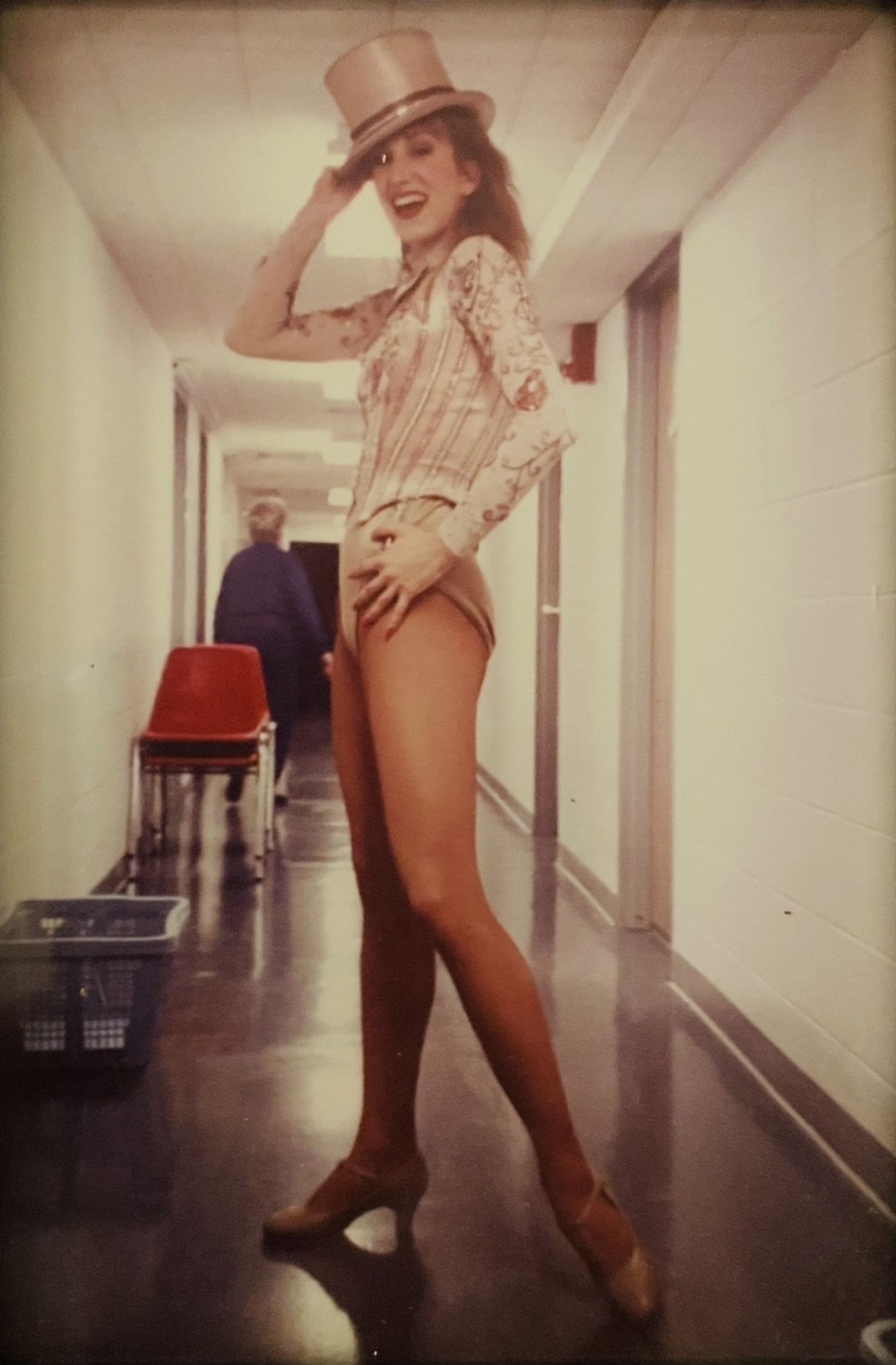 “Eleven years later, I got a call to audition for the Broadway company! They were looking for a Broadway vacation swing who could cover ‘Judy Turner’ and ‘Sheila.’ ACL’s Dance Captain Troy Garza came down to the edge of the stage, ‘Paula, just do a simple double pirouette for me.’ It was a reasonable request, but unfortunately, my ‘simple double pirouette’ skill was not ready for prime time. Facing the infinite swimming dark recesses of the Shubert house left me hopelessly dizzy and off-balance. Despite my shortcomings, they liked me, or at least they were nice to me and made a concerted effort to get what they needed out of me, but it wasn’t my job. I simply wasn’t ready.
“I decided to try some dance classes at STEPS on Broadway. I was a 25-year-old adult beginner about to get a crash course in humble pie. When the Broadway company of A Chorus Line called again (amazingly, they had kept my photo from my first audition two years prior), I showed up in a creamy white long-sleeved leotard, confident and ready. Tom, the stage manager, made his way down to the stage. ‘Paula. You’ve changed.’
“The call came a day or two later:
‘So, when can you come in?’ (Does he mean for a callback??)
‘Well…when would you like me to come in? What do you want me to do?’
‘To rehearse! When can you start?’
(muffled screaming)
“A Chorus Line ran for 15 years on Broadway, long enough for me to grow up, move to the city, learn to dance, and make my Broadway debut in the last year of the original run. I played Vicky Vickers-“Any Ballet? “No!” “Then don’t dance!” I covered Sheila, Judy Turner, and Kristine. You know, all the tall ladies! I seemed to be on for one or another of those roles all the time, which suited me fine. The show has been a touchstone throughout my life. I even met my wonderful husband, Broadway music director and arranger David Chase, on a production of ACL at Paper Mill Playhouse.
Ramón Flowers played Richie in the 1980 Bus and Truck Tour of A Chorus Line.
“A Chorus Line was the first Broadway show I ever saw, the first show I ever auditioned for, and the first show I booked. I was in college taking a musical theater class, and the teacher sent the students to NYC to get some audition experience. When I started the audition and looked at my competition, I decided I was not just there for the experience; I was there for the job…and I got it!
"Phineas Newborn III and I were both hired in the role of Richie, but when we arrived on the first day of rehearsals, we were informed that we would both rehearse for the role and they would decide who would be hired to play Richie, after each of us did our first performance. The other person would be the understudy and cast as Butch. This initially created tension between us, but we decided not to let it turn us into enemies. We decided that whoever got the role, we’d allow the understudy to go on when they had family who wanted to see the show. I got the role and called in sick when Phineas’ family came to town. When I received my offer for the role of Richie, I was surprised that I’d be paid so much to do something I loved so much. I loved the show so much that I would have paid to be a part of it!”
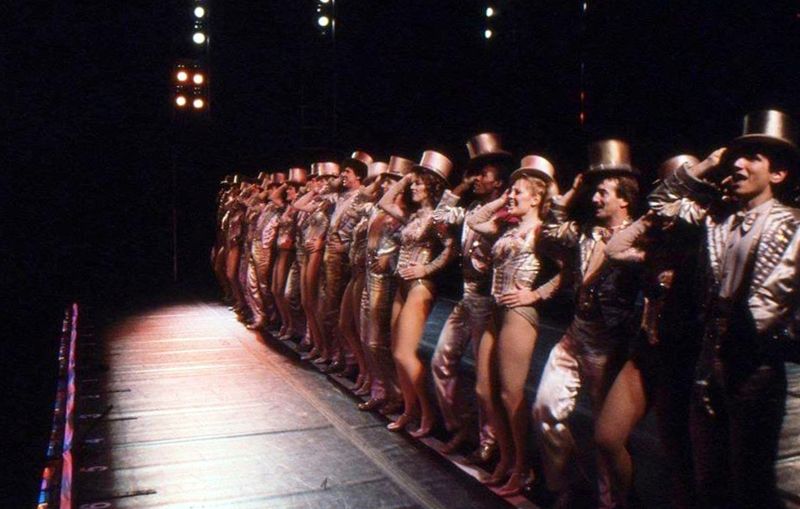
Brian Andrews played Mark in the National company from April 1980 until it ended in Montreal, when it transformed into the bus and truck company. Then, he joined the international company in 1981 or 1982 and played Frank/headband, also serving as assistant to the dance captain, Alex MacKay.
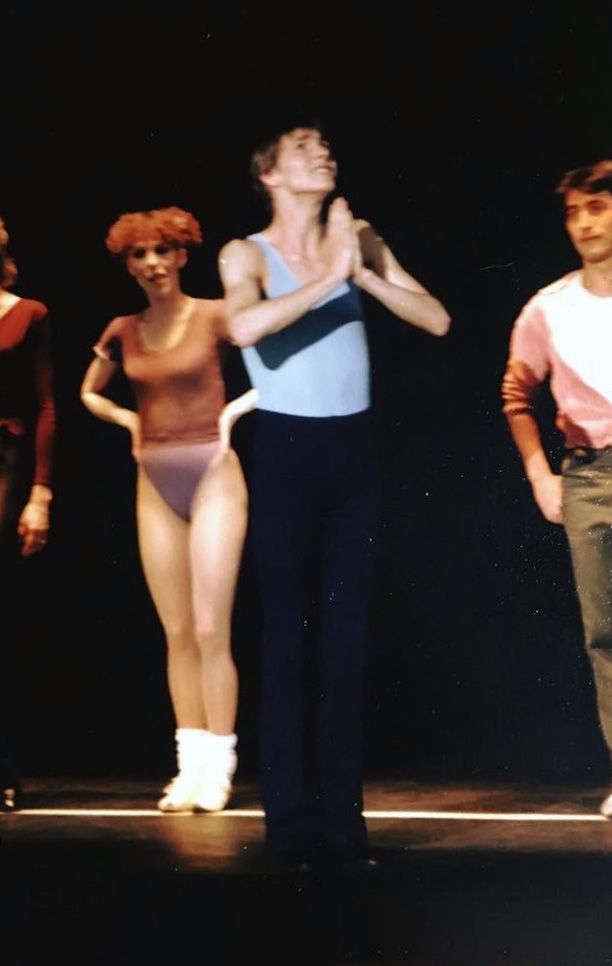 “I saw A Chorus Line three times between 1976 and 1978 before I auditioned for it. In the later part of 1979, there was an open audition for A Chorus Line. A ‘cattle call.’ I was 19 and had just arrived in New York a couple of months earlier.
"It was at the Shubert Theatre. I’ll never forget Tom Reed and Troy Garza running the audition, wearing their satin show jackets, the rope across the mirrors, and the line of people outside of the theatre. I was wearing white drawstring jazz pants that my mom made, and I had a pretty bad non-professional 8x10 glossy headshot.
"As they were teaching the combination, my technique was just to keep getting in the front group whenever they said switch lines–which I’m sure was annoying to the other auditionees. After dancing and singing, I received a ‘we’ll let you know’ and did not hear anything more.
It didn’t matter because I was so new to it all; just the experience was a thrill in itself.
"Months later, in March of 1980, I got a call saying we want you to play Mark on the National Tour. I said, 'Oh! Is that a part?' They said, 'Yes, it’s a part! Go downtown to the Shakespeare Festival and see Laurie Wilson to sign a contract and get fitted for a costume.'
"A couple of days later, I was in Buffalo, New York, performing in the tour, mostly still in shock.”
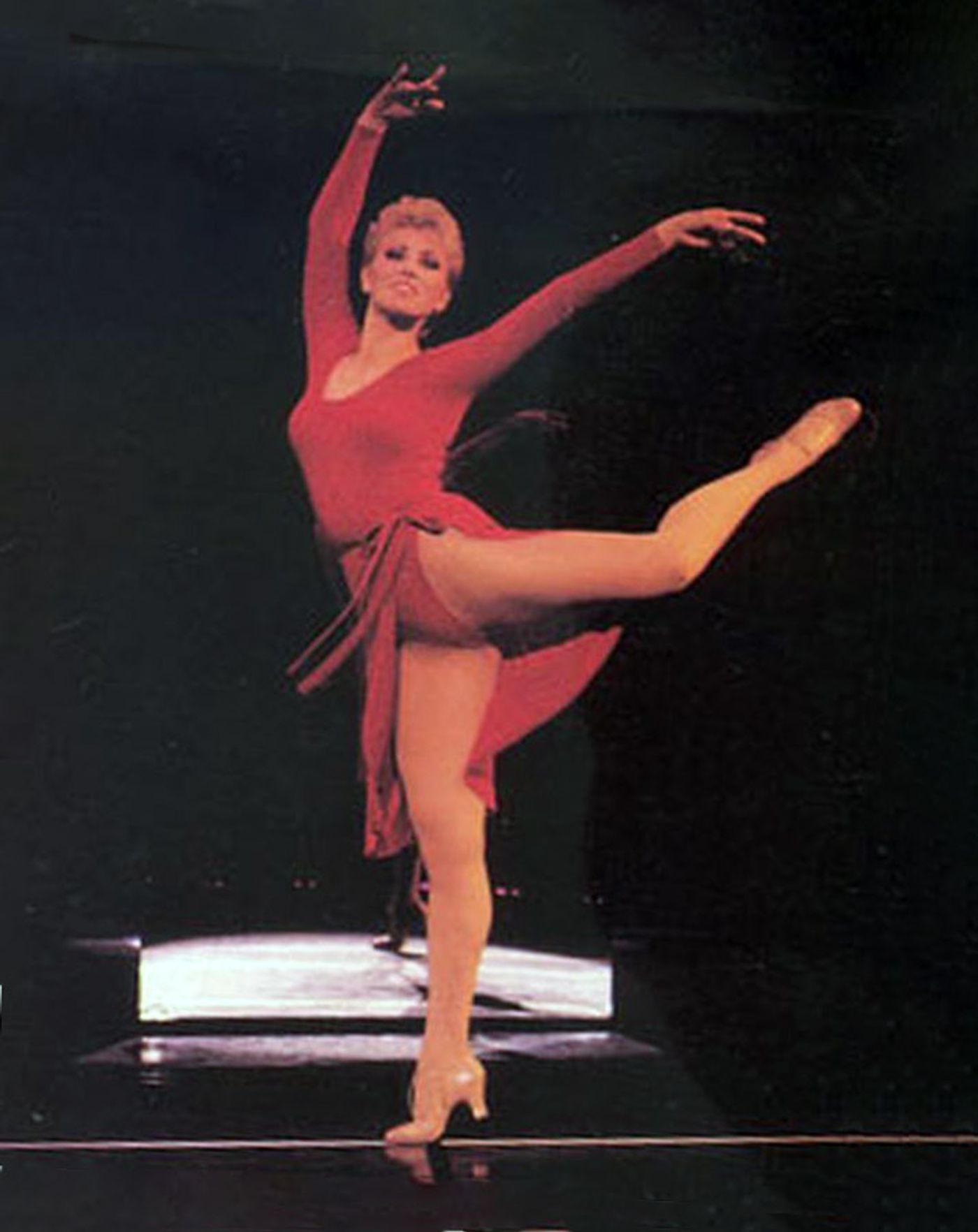
Wanda Richert first saw A Chorus Line in 1975 at age 17 and immediately set her sights on the role of Cassie. At 20, she auditioned for the national tour and was cast as an understudy for the role of Sheila. Soon, after impressing Michael Bennett, she was made first cover for six of the nine female roles. Although initially told she was too young to play Cassie, Richert cut her hair short to appear as Cassie and ultimately delivered a standout audition that led to her casting. She performed Cassie in her hometown of Chicago for six months, toured nationally, and later returned to Broadway to play the role from 1984 to 1986.
“The night I'm recalling was one of those rare times when you rewind those two hours gone by and say, "That was the best performance I've ever given." Michael Bennett was in the house with Bob Avian. We were re-opening the Golden Gate Theatre in San Francisco. After the performance, the cast was called to the stage for notes. Michael saved me for last, and this is what he said: "I have been watching Wanda since she was just nineteen. Darling, you are an actress. You can act your ass off! I applaud you. I would like the entire company to applaud Wanda." I was speechless. What an honor. That was my Tony! I will be forever grateful to the late, great Mr. Bennett. He was my mentor, and I miss working with and for him. There will never be another Michael. There will never be another female role in musical theater that compares to Cassie.
“There was just no better 'high' than dancing on the Shubert stage on Broadway, in that red dress, seeing and feeling those mirrors flying in around me. My true “Inner Cassie” was in the sensuality of dancing to the saxophone playing during the slow section. She is my forever favorite role. Wanda Richert, in her heart, will always be Cassie.
Ron Kurowski performed as Bobby for fourteen years. He began as a member of the International Company, and went on to perform with the Broadway Company, the L.A. Company, and the Hawaiian production in 1979.
“I saw the original company of ACL three times at The Public Theater in 1975 and another five times when it moved to Broadway. It was thrilling, and I wanted to be a part of the show so much. When auditions were announced, I asked an agent to submit me. He said I was not right for the show, saying I was too tall and too young. So I attended an open call and was hired to play Bobby in the Original London Cast in 1976.
%20Jane%20Summerhays%20(Sheila)%20Miriam%20Welch%20(Bebe)%20Yvette%20Mathews%20(Judy)%20.jpeg) “We rehearsed in the basement of New York City Center for 6 weeks along with the L.A. Company. We opened in Toronto, then spent six months in London before returning to the U.S. to start touring. As my year-and-a-half contract was coming to an end, I was transferred to the Broadway company.
“We rehearsed in the basement of New York City Center for 6 weeks along with the L.A. Company. We opened in Toronto, then spent six months in London before returning to the U.S. to start touring. As my year-and-a-half contract was coming to an end, I was transferred to the Broadway company.
“In 1979, I joined the company that was being formed to play in Hawaii. When I returned from Hawaii, Michael Bennett asked me to come back to the L.A. Company as Bobby, which I happily accepted. From 1980 to 1983, I was with the International Company, and when it closed in Chicago, I was the only one who had been in both the first and last performances of that company. Michael Bennett gave a speech onstage after the finale. He called my name and had me step forward. He said I was in the Original London Company and asked how many performances I had done. I said the number, which was 2,630. The audience applauded, and I knew Michael was proud of me.
“I rejoined the Broadway company in 1984, where I stayed until the final performance in 1990. When the show closed on Broadway, I had done over 4,800 shows as Bobby. Along the way, I married Sachi Shimizu, who played Connie for 14 years. We were friends for 15 years and then married for 21 years, until she passed away in 2010.”
Stanley “Buzz” Brauner, a woodwind musician, began performing professionally at the age of 15 and toured with the Dorsey brothers during the Big Band era. After serving in the military in the 1950s and following the death of the Dorsey brothers, he transitioned to work in the Broadway pit. Having mastered 22 woodwind instruments, Brauner found steady work on Broadway, eventually playing in A Chorus Line for six years.
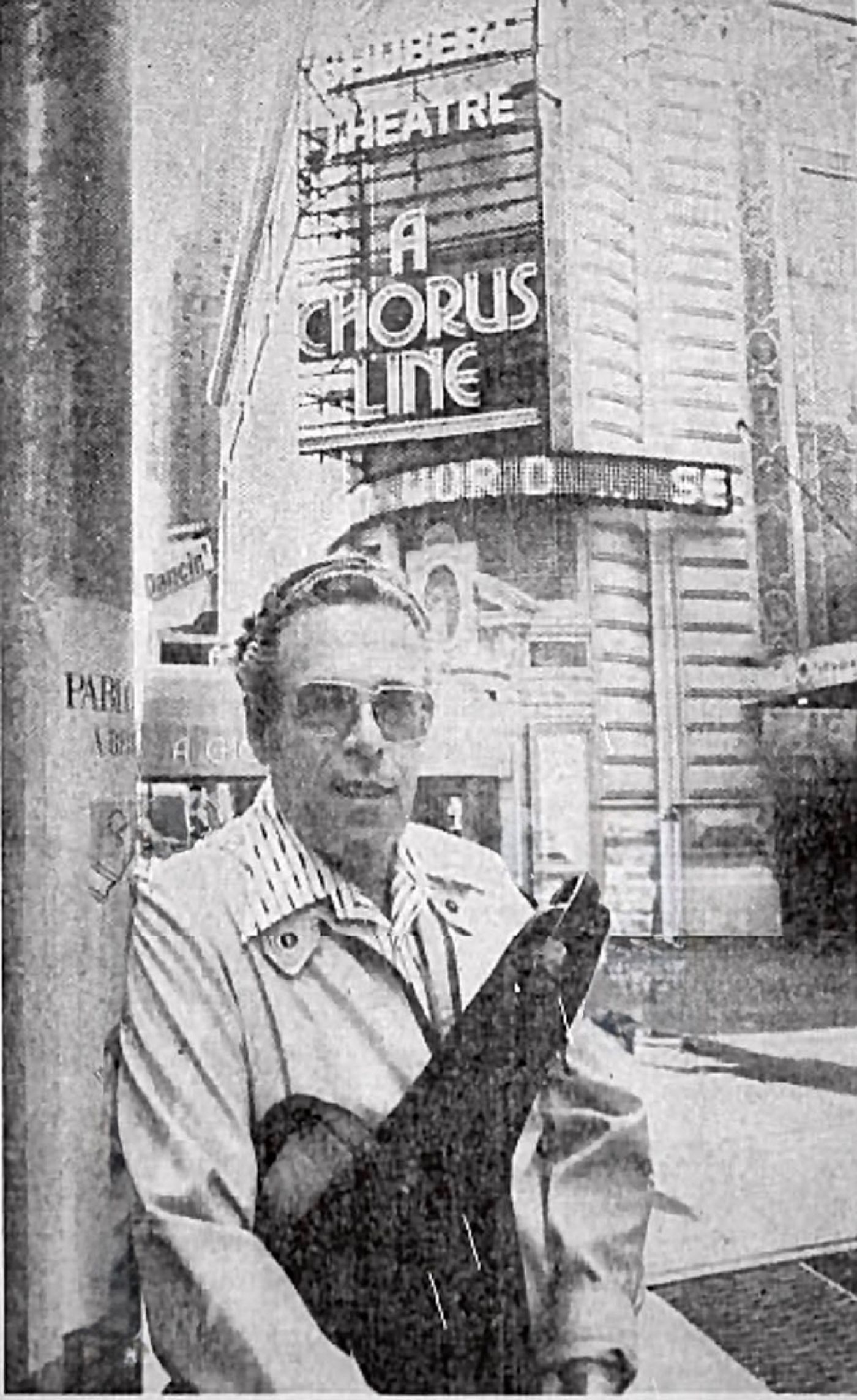 “My father*, Buzz, played 2nd reed in the orchestra of A Chorus Line from its conception at The Public Theater until the record-breaking gala performance in 1983. At that time, he left the show after 8 years due to the onset of Parkinson's disease. (I'm sure he would have played the entire run if he remained healthy.) Well...the pit of the Shubert Theater was covered in black cloth so that the audience could not see the orchestra, thus creating the illusion of an audition. In fact, A Chorus Line was one of the first shows to include the musicians’ names in the Playbill so that the audience would realize it was a live orchestra.
“During many of the performances, audience members in the first row would lose various personal items into the orchestra pit through a gap in the cloth. Items like umbrellas, playbills, and even shoes would make their way under the fabric covering, dropping into the pit, only to be retrieved by a musician from underneath and passed back to the theatergoers. My father used to joke that ‘This was the only gig on Broadway where you risked catching 'Athlete's Hair,' due to the contact with the patrons' feet.’
“My dad was initially hesitant to take on an ‘off-Broadway' show like A Chorus Line, after having played many hit Broadway shows, such as Hello, Dolly! and 1776, during a long and successful Broadway career. Well, shortly after opening downtown at The Public Theater, A Chorus Line moved uptown to the Shubert, and the rest, as they say, is history. Job security indeed….
*Submitted by Steve Brauner, Buzz’s son
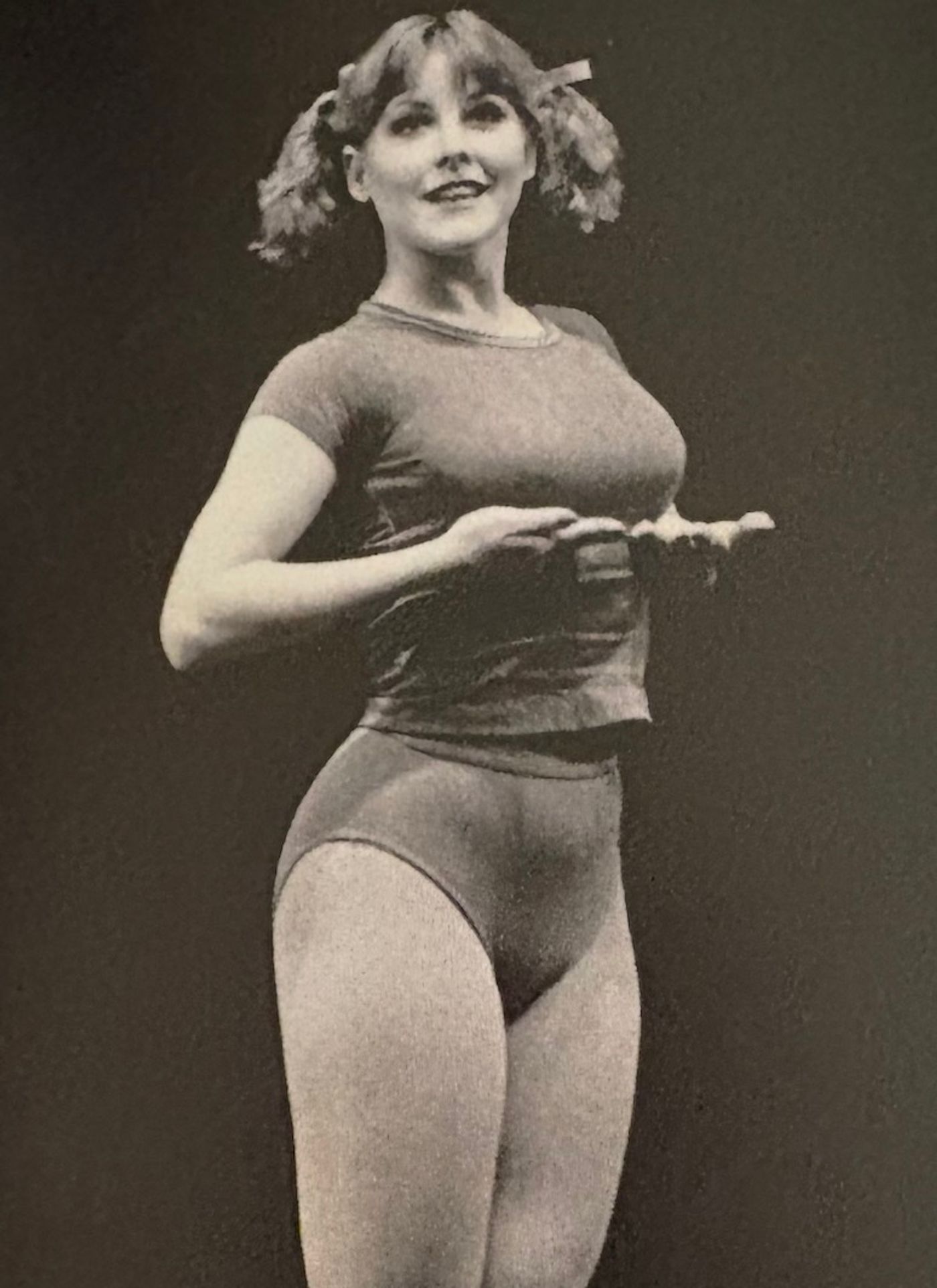 Mayme Paul performed in the National Company of A Chorus Line in 1978, understudying the roles of Val, Judy, and Kristine.
“I had auditioned for A Chorus Line a few times and gotten ‘typed out’ [cut from the audition based on looks], so when friends were trying to convince me to go to the audition, I kept saying it was a waste of time. Well, thank God my friends prevailed, because out of one thousand girls, they cast three of us. I was originally a swing for Val, Judy, and Kristine in the National Tour. One of my favorite memories was sitting onstage listening to Gay Marshall sing 'What I Did for Love,' with tears rolling down my face.
“When Michael Bennett came to San Diego to get us ready for LA, he had us run the opening and then fired someone on the spot. He had us do it again, then commented that that was the competitive fire and intensity he was looking for in the opening number. (Of course, we were all petrified.) I was fortunate to have performed in the record-breaking performance of the longest-running Broadway show in 1983. I thought Michael's staging for that gala proved what a creative genius he was.
Keith Bernardo played Don in the final company of the original Broadway production of A Chorus Line in 1990.
“I first saw A Chorus Line the summer after graduating from high school in 1983. I was heading to college to study drama, dance, and voice, so my Metro North train ride from New Haven, CT to Grand Central Station to see the show for the first time was an exercise in self-restraint; I felt so excited that I was headed to see a show about a vocation that was an essential part of me since my earliest memories that I had to contain myself. Needless to say, seeing A Chorus Line on that day was a life-confirming experience.
"Very soon after I moved to New York City, in 1987, I got a call that a current cast member of the Broadway Company of A Chorus Line recommended me for the role of Don Kerr. I auditioned at the Shubert Theatre, jaw dropped, and by the next day, I was signing my very first Broadway contract.
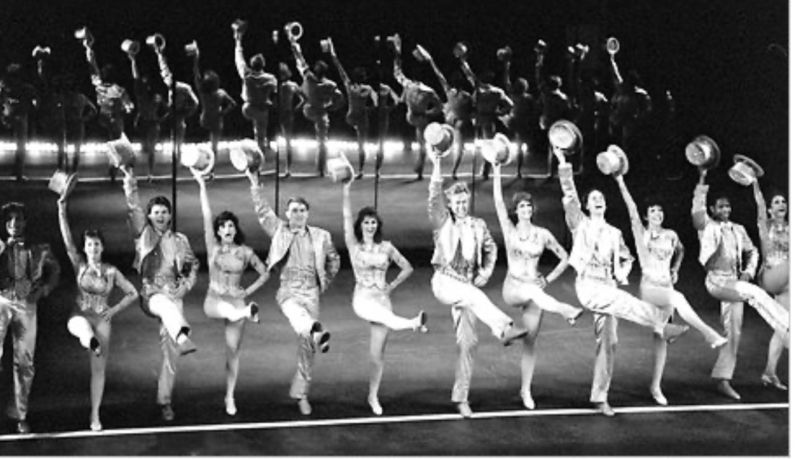
"What made this experience extraordinary was that it was only weeks after I began performances that the closing notice for the show went up. Although surprised, there was no time to become saddened, as we became the most popular show in New York City, sold out, and extended again. And it was then that I realized that I had just been given the privilege of being part of theatre history. And it was thrilling. I lived in an apartment on 46th Street, and walking from my apartment to the stage door of the Shubert theater felt like a dream realized.
"Then came the day of the final performance. The original cast members came to visit us, and we had a fascinating discussion about the show’s origins, including some fun personal stories that I have treasured. The original Don Kerr, Ron Kuhlman, wrote me a gorgeous note that reads, 'From the first Don Kerr to the last, and all those in between…'. It felt like the two ends of a circle finally closing, like the famous white 'line' on the stage itself, had its two ends meet each other, becoming its own circle. That night, we anxiously and excitedly held hands, ready to enter the stage for the very last time.
Diana Kavalis Morris first saw A Chorus Line when she was 13. Her mother took her to see it at the Shubert Theatre in Los Angeles. Mesmerized during the performance, she went home and wore out her cast recording, acting out every part of the show in her living room. Years later, she auditioned for the show and, to her surprise, was cast as Val in what would be the final Broadway company of the 15-year Broadway run.
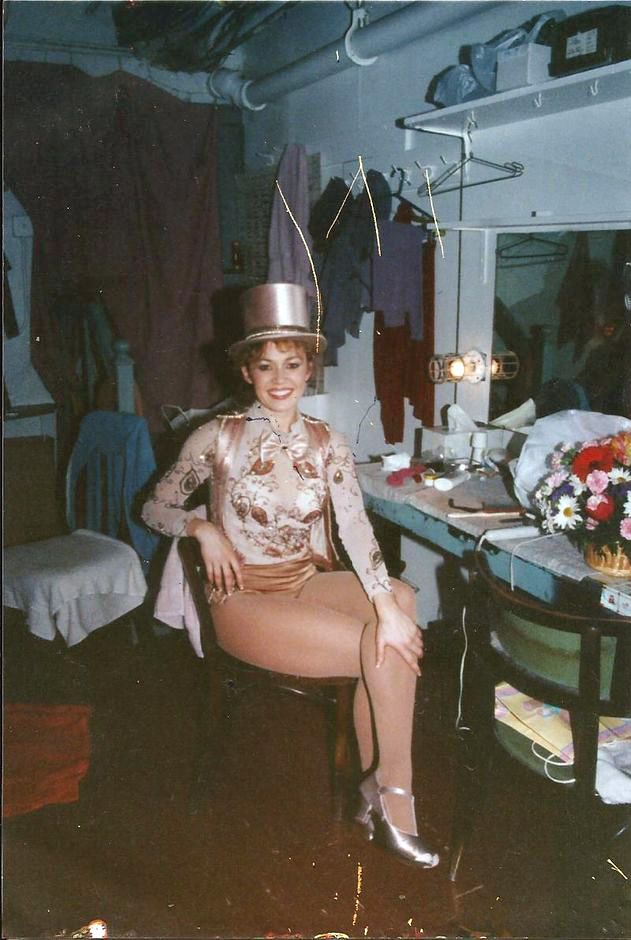 “To say I was proud to be the final Val of the original run doesn’t even begin to cover it. Closing night was electric. Original cast members who were still with us filled the audience. Backstage, we stood in silence. Blackout. Hands clasped. Walk in silence. Then—piano. Lights. ‘Step kick kick…’
“The audience erupted. When we turned to dance away from the mirror—’5-6-7-8!’—and the band came in, the sound from the crowd was deafening. We could barely hear the music. The rule about no photos or video? That quietly dissolved in the joy and chaos of the moment.
“It felt like time slowed down that night. The finale brought the house to its feet, again. The sunburst was revealed, and the final 'One' chorus brought an overwhelming roar from the crowd. After the music played out, the lights came back on, and a giant image of Michael Bennett appeared from above, along with the number of performances this production had done – 6,137. Joe Papp took the stage, introducing us one by one—including the understudies—and then brought out the original cast. We stood there together, past and present, hearts wide open.
“To be part of A Chorus Line—to stand on that line and share my character’s story with audiences is something I’ll carry with me always. If it had been the only show I ever did, I would have been fulfilled. That’s how deep, how powerful, how human this show is. And I will always be honored to have danced 'away from the mirror' one last time.
It’s no accident that A Chorus Line ran for fifteen years on Broadway and continues to be performed worldwide five decades later. The longevity of this show is a direct result of the talent and passion of every creative who poured their energy into the show. Their contributions, whether center stage or behind the scenes, are what made A Chorus Line the enduring success that it is. To explore more stories, photos, and videos from alumni, visit Immortal Icons of Dance for extended interviews, rare footage, and archival images.