A Look Back at the RAGTIME Movie with Elizabeth McGovern & Mandy Patinkin
Both the 1981 film and the Broadway musical are based on the novel by E.L. Doctorow.
Ragtime has returned to Broadway. Having originally premiered in 1998, the Tony Award-winning musical is a celebrated piece of theater, filled with memorable characters, devastatingly beautiful musical numbers, and a deep exploration of social and cultural themes that continue to resonate with audiences. However, this musical version, written by Terrence McNally and songwriters Stephen Flaherty and Lynn Ahrens, was not the first adaptation of the story.
Ragtime began as a 1975 novel by writer E.L. Doctorow. Like the later musical, the plot is a fictionalized look at the real-life history of New York City in the early 20th century. The story offers a kaleidoscopic view of the city and is intertwined with historical figures like Booker T. Washington, Harry Houdini, and J.P. Morgan. The book was lauded upon its first release, quickly becoming a bestseller.
Following the success of the book, talk of a movie version quickly followed. By 1976, Hollywood producer Dino de Laurentiis had obtained the screen rights for the novel, and conversations with prospective directors began. Robert Altman was the first major name to be attached to the project. An acclaimed filmmaker, he had recently received critical praise for his 1975 film, Nashville. However, before too long, an unfortunate rift began to occur between de Laurentiis and the director. While the duo was working together on Altman's next movie, Buffalo Bill and the Indians, the two disagreed about changes to the final cut of that film, putting a strain on their working relationship. Ultimately, Altman was dismissed from Ragtime entirely.
Miloš Forman, known for One Flew Over the Cuckoo's Nest, was chosen as his replacement. At the time, he had just come off his film version of the popular 1960s rock musical Hair and recruited collaborator Michael Weller to pen the screenplay. At one time, Doctorow himself was to adapt his story for the screen, but was also replaced when his screenplay was deemed too broad (The author had hoped to adapt his tome into multiple movies.)
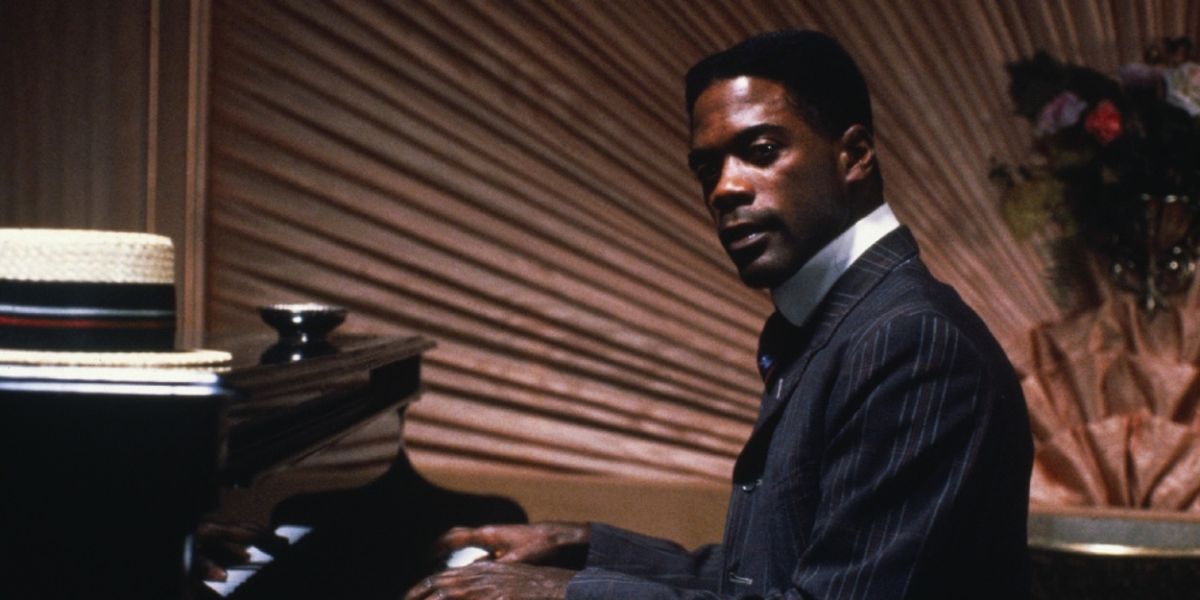
With Weller now as the screenwriter, the movie took a more specific direction. Rather than the sweeping nature of the novel, Weller honed in on the African American character of Coalhouse Walker, Jr., played by Howard E. Rollings, Jr. This allowed his story to take center stage and serve as the driving force of the narrative. The movie spends much of its runtime with the Ragtime musician, who becomes the victim of injustice by a group of racist firemen. Weller's script brings viewers into Coalhouse's experience, allowing them to empathize with him and understand the reasons behind his violent actions that follow.
This new focus meant that other storylines from the novel were required to be shortened or, at times, completely removed. Two of the primary remaining arcs included real-life actress Evelyn Nesbit and the fictional character of Tateh. Theater staple Elizabeth McGovern played Evelyn, marking one of her first film roles. She was nominated for an Academy Award for her acclaimed performance. Tateh was likewise played by another Broadway favorite. Mandy Patinkin, fresh off his Tony Award-winning performance in Evita, took on the role of the artist and film director.
One arc featuring political activist Emma Goldman (a prominent figure in the musical) was among those on the chopping block. Fun fact: Broadway alum Mariclare Costello was set to play the role of Goldman, even filming her scenes before being completely cut out of the final edit. Other historical events of the period are briefly summarized in newsreel footage, with piano accompaniment from Coalhouse.
For the film's soundtrack, the music needed to harken back to the sound of the period. Celebrated songwriter Randy Newman did just that, creating musical pastiches echoing the music of New York City in the early 20th century. For his score and the original song “One More Hour,” he was nominated for Academy Awards.
The ensemble cast is notable for featuring many other actors who would go on to have great careers on stage and screen. Samuel L. Jackson, who later originated the role of Boy Willie in The Piano Lesson, has a small part here as one of Coalhouse's gang members. Tony Award nominee Debbie Allen plays Sarah, the ailing romantic interest of Coalhouse. Moses Gun, a longtime stage performer, is Booker T. Washington in a memorable scene. Mary Steenburgen, Jeff Daniels, Brad Dourif, and Fran Drescher appear in early roles.
Several Hollywood and Broadway veterans also round out the cast. James Cagney, a dancer and frequent presence in Hollywood during the earlier days of cinema, came out of retirement to play Police Commissioner Rhinelander Waldo. Donald O'Connor, best known to film audiences for his role as Cosmo Brown in Singin' in the Rain, appears as a dancing instructor.
After filming the movie in New York and London in 1980, Ragtime was released in theaters in November 1981. It received largely positive reviews, including "two thumbs up" from America's favorite movie critic duo, Siskel and Ebert. It went on to receive eight Academy Award nominations, including Best Screenplay.
17 years later, the musical version of the book arrived on Broadway, introducing a whole new audience to the dynamic characters of Coalhouse Walker Jr., Sarah, Evelyn Nesbit, Tateh, and many more. With the show once again on the New York stage, there is no better time to revisit the film adaptation.
Photo courtesy of Paramount

BroadwayWorld Merch
Shirts, mugs, phone cases & more
Powered by

|