


Review: THE AGE OF INNOCENCE at Arena Stage
Arena mounts a worthy 19th century story with relevance for the 21st, through March 30
Edith Wharton's novel The Age of Innocence was published about a week before she was able to vote for the first time in 1920. The following year, she became the first woman to win a Pulitzer Prize. Now, playwright Karen Zacarías has adapted Wharton's complex tragedy of manners into Arena's elegant, 3 hour production ably directed by Hana S. Sharif. Set mostly in New York in the 1870s, Wharton, Zacarías, and Sharif recognize the ways in which the old fashioned social constructs of a still-young country could entrap individuals and crush their inner lives in contrast to the apparent success and prosperity of their day to day. Wharton's title, ironic a century ago, remains that way today. If this sounds dour, be reassured that it's often lightened by SNL-worthy Staten Island barbs and hoot-inducing stabs at Washington, DC, where a character briefly resides to avoid a husband in Europe and a clan in New York.
By loyally following Wharton's prescient cataloguing of the flaws in 19th century American social behavior for an audience about to enter the Roaring Twenties, Zacarías and Sharif, without ever referencing 2025, demonstrate for a contemporary theatregoer the human cost of over-valuing fake social implements.
To tell the love story of Newland Archer (A. J. Shively) and Countess Ellen Olenska (Shereen Ahmed), Zacarías uses a narrator (Felicia Curry), which enables deft condensation of Wharton's detailed storytelling. But Zacarías wisely keeps plenty of Wharton's dialogue because Wharton excelled at using it for character revelation. The authenticity of what is inside these long-ago people has the immediacy of a documentary.
People in 1870s America did not approve of divorce. So when Olenska returns to her family and friends after the failure of her marriage to a Polish count, they welcome her home, but they expect her to stay married. Ellen's originality is to want genuine happiness more than the approval of her family, friends, or their "society." Further complicating her situation is Newland Archer's. They were childhood friends, and now he's an attorney who remains a friend because he's the only person in her circle who agrees with her about her choice to divorce. He has just become engaged to Ellen's cousin, May (the lovely Delphi Borich). The ensuing triangle resembles Casablanca in that no one is to blame, as Victor Laszlo says of Rick and Ilsa. The maturity of Archer and Ellen Olenska lift the plot higher than the 1870 societal nonsense which only limits life. They make painful decisions because they are morally right. It's still a story without an ending, but watching people from any century do the right thing has a bracing effect on a 2025 audience's day to day.
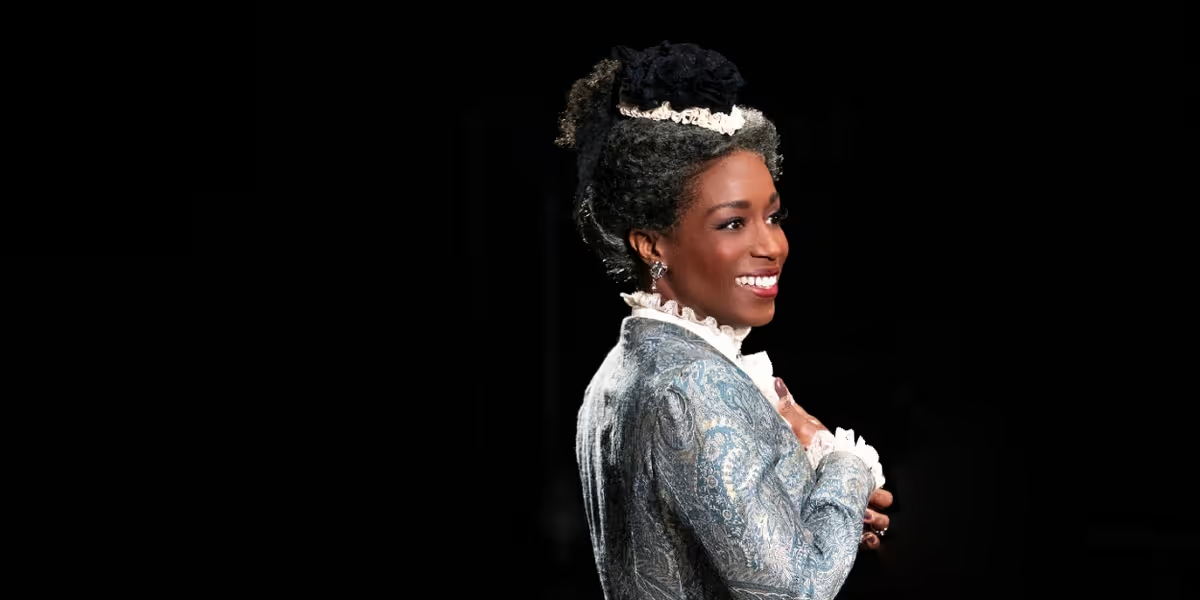
Ahmed and Shively actually play two versions of their characters; Ellen and Newland are not the same people when they're alone together as they are when they're with others. Watching the actors skillfully switch back and forth between the public and private personae of their characters is one of the delights of The Age of Innocence. Felicia Curry is the other delight. In addition to narrating, Curry also plays Granny Mingott, matriarch of the family and grandmother to Ellen and May. Like Shively and Ahmed, Curry changes character onstage, often mid-sentence. Her unseen, energetic narrator feet become grandmother feet; even her back suddenly ages a couple of decades--an outstanding performance amid the work of a sturdy ensemble of 12 actors, most of whom also play multiple roles with ease and aplomb.
The women's costumes in this production are stunning. No disrespect to Fabio Toblini's designs for the men, but males in the 1870s did not dress with visual intricacy. The sumptuous women's dresses are sculpted in front and architected in back (bustles!). The backs of the collars of their coats have detailed decoration; color and the richness of fabrics further signals that prosperity by which these characters measure their self-worth. One matron's modest black gown has the daintiest of light-colored trim at the bottom of the back of the bustle. Curry's garment, a muted grey/green paisley, perfectly suits her functions both as an understated narrator and a well-dressed senior. Tim Mackabee's set design consists of more furniture than scenery, which works well; to indicate a change of room, he changes chandelier, an effect both efficient and beautiful. His black and shiny floor sometimes causes Xavier Pierce's lights to reflect glare into the audience's eyes. But this is a handsome production of an excellent play. Its emotional honesty reminds that courage and honor happen inside homes and humans and not just on space ships, battlefields, or the tarmac of small, Moroccan airports. Here's looking at you, kids.
Running Time: Three hours with one intermission.
The Age of Innocence runs through March 30th, 2025, at Arena Stage which is located at 1101 Sixth Street SW Washington, DC.
Photo credit: Felicia Curry in Arena Stage's production of The Age of Innocence.
Photo by Daniel Rader.

|
Misery Aldie Mill Historic Park (8/20-8/30) |
|
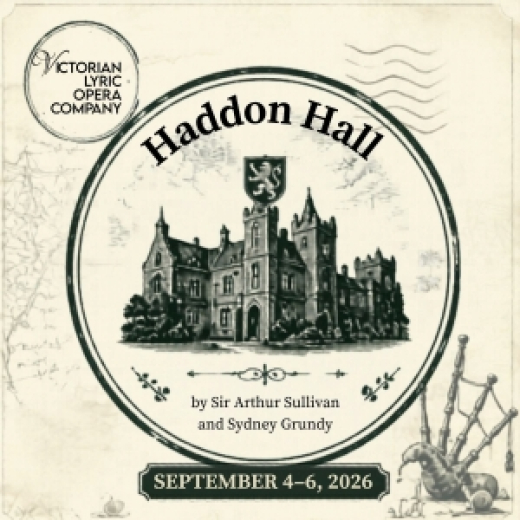
Victorian Lyric Opera Company presents "Haddon Hall" F. Scott Fitzgerald Theatre (9/04-9/06) |

|
Doja Cat at Capital One Arena Capital One Arena (11/11-12/11) |

|
Little Shop of Horrors 40th Anniversary Tour with Ellen Greene (the Original Audrey) Lincoln Theatre (9/25-9/25) |

|
Somewhere over the Border Mosaic Theater Company (9/10-10/04) |
|
Beethoven’s Ninth Symphony Wolf Trap (8/14-8/14) |

|
The Jersey Four A Tribute to Frankie Valli and The 4 Seasons, featuring original member Gerry Polci F. Scott Fitzgerald Theatre (9/13-9/13) |

|
Mamma Mia! National Theatre (10/27-11/15) |

|
Ma Rainey's Black Bottom Round House Theatre (9/09-10/11) |

|
Rockville Little Theatre presents "The Game's Afoot" F. Scott Fitzgerald Theatre (9/25-10/04) |
Reader Reviews
To post a comment, you must register and login.