


Review: ERA's DOLLHOUSE BY THREE MANUFACTURERS Sacrifices Narrative in an Experimental Directorial Showcase
Each Act of Ibsen's A Doll's House is Directed by One of Three Directors
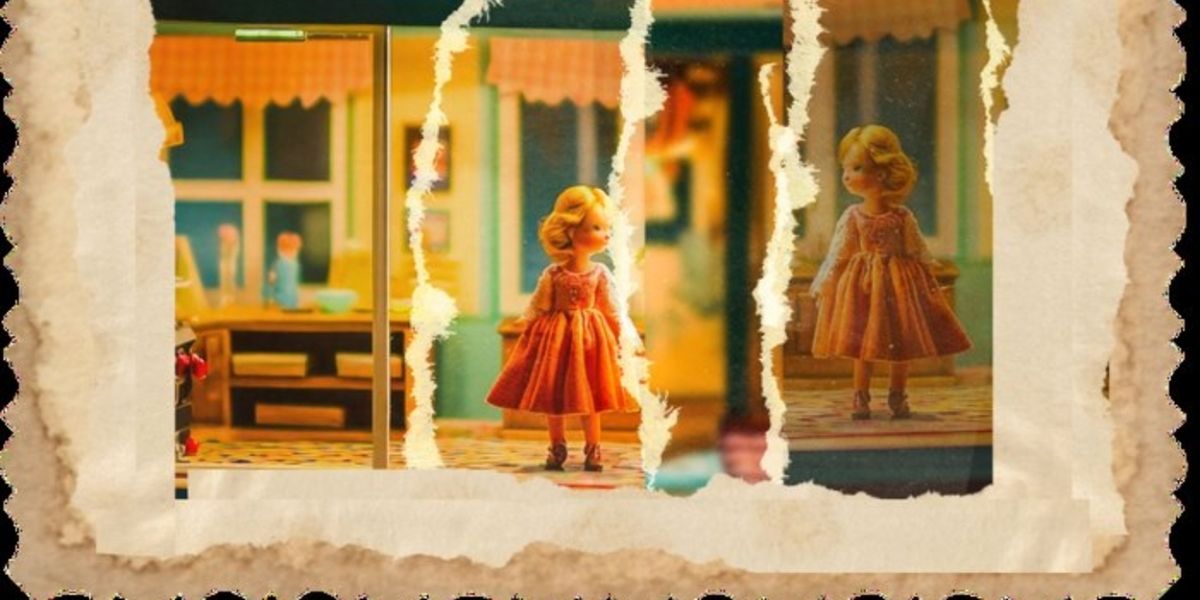
Experimental theater requires the artists and their audience to approach a production without expectations. Non-traditional story telling often sends its audience away pondering a theatrical experience. That’s the intent. The story may not always have a tidy satisfying conclusion. It’s about experiencing the art.
Over the next few weekends Equally Represented Arts (ERA), one of the city's leading companies in experimental theater, is presenting an adaptation of Ibsen’s A Doll’s House. Three emerging directors, Miranda Jagels Felix, Spencer Lawton, and Jimmy Bernatowicz, share the directorial efforts.
In Dollhouse by Three Manufacturers, each of the three acts in Ibsen’s A Doll’s House is directed by a different director. Actors perform the same roles throughout the play, but concept, vision, and storytelling conventions are unique to the director helming each act.
Initially, when reviewing the press release for this production, it was a logical assumption that the differences would be subtle. Subtle, they are not. Each of the three acts have a singular approach to the material. One approach is more traditional, focusing on text and blocking. Another is experimentally avant-garde. The third is complete reimagination of what theatrical storytelling can look like. It is remarkably similar to, and possibly influenced by, British Director Jamie Lloyd’s reenvisioned Sunset Blvd.
The second act, directed by Spencer Lawton, is the most traditional staging of the three. Lawton approaches his work through dissection of the text, focusing on blocking and positioning. He allows the actors to tell the story through emotive portrayals. For a stogy old critic, with traditional theater values, this form of storytelling is the most comfortable. It allows the narrative to be presented without distraction.
Miranda Jagels Felix takes an avant-garde approach to the first act. She blocks the actors on a low riser in the center of the house that was configured in a thrust design. While her actors perform the scene, the remaining members of the company circle the risers, speaking simultaneously or repeating dialogue in unsettling murmurs and whispers. It is intentionally odd, abstract, and quite distracting. It requires an immense amount of engagement and effort to isolate Ibsen’s narrative. It is provocative artistically, but the least effective at storytelling.
Act three is offbeat, kooky, fun, and wildly creative. Jimmy Bernatowicz turns the third act into a 1950’s serial daytime drama. The entire scene is staged on the risers in the center of the house. Using two cameras, the actors are projected in black and white, onto a large proscenium curtain behind the risers. Instead of playing to each other, or the house, the actors play to the camera. They campily deliver their lines while mugging for the cameras like soap opera actors of old. Their lines were woven with product mentions, that turn into live advertisements. It is very SNL with plenty of humoristic melodrama and kitsch.
Actors Frankie Ferrari and Hailey Medrano were taxed with the majority of Bernatowicz’s act three shenanigans. Both rise to the occasion, play to the cameras, and deliver Ibsen’s text with tongue-in-cheek portrayals. There is little doubt that Bernatowicz’s nostalgic interpretation is the most difficult to execute. His risk pays off. It was the most creative and entertaining of the three acts.
There is a downside to this fractured storytelling approach. Ibsen’s narrative feels incoherent. His themes challenging the societal norms of the time are lost when divided among the three different directorial approaches. A Doll’s House has been repeatedly revived on Broadway and in regional theaters. There are likely many who know the script very well. The ERA production is likely more comprehendible for those intimately acquainted with the script.
When choosing this type of experimental production, it is important to recognize that storytelling is secondary to the unorthodox approach. There is no doubt the objective is both, but Dollhouse by Three Manufacturers sacrificed narrative for the experiment.
Dollhouse by Three Manufacturers continues in the performance space at The Chapel through August 9, 2025. Click the link below to purchase tickets.
|
Guys And Dolls Kirkwood Pac (7/24-8/23) |
|
JOB New Jewish Theatre (NJT) (8/06-8/23) |
|
Mamma Mia! The Fabulous Fox Theatre (3/30-4/04) |

|
Gunhild Carling at City Winery St. Louis City Winery St. Louis (10/11-10/11) |

|
Gateway Dirt Nationals – 3 Day Pass The Dome at America's Center (12/03-12/05) |
|
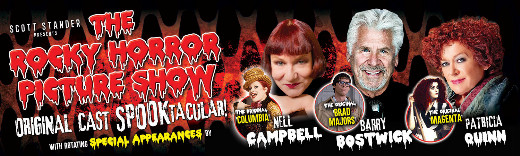
Rocky Horror Picture Show Original Cast Spooktacular Tour with Barry Bostwick, Nell Campbell, and Patricia Quinn The Fabulous Fox Theatre (10/06-10/06) |

|
WSIE Music Series Event w/ Dawn Weber – August 22, 7-9pm Harold Square Outdoor Amphitheater (8/22-8/22) |
|
Wicked Fox Theatre (5/12-5/30) |
|
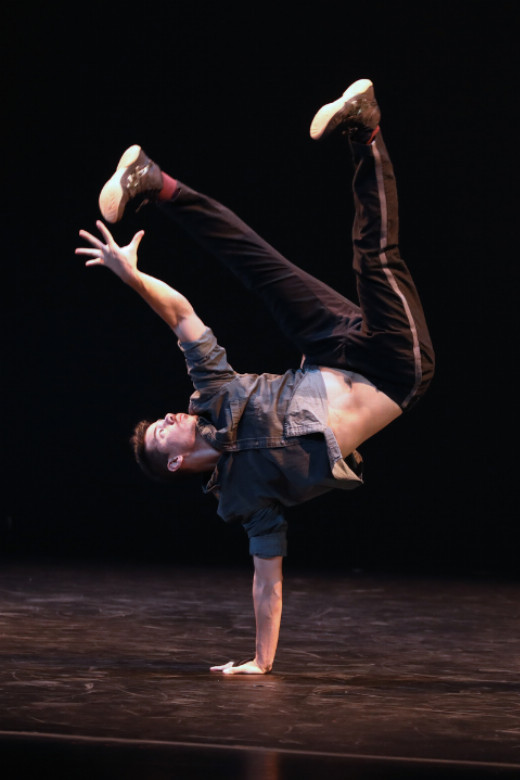
RUBBERBAND Touhill Performing Arts Center (2/27-2/27) |
|
The Book of Mormon (Non-Equity) Fox Theatre (2/02-2/07) |
Reader Reviews
To post a comment, you must register and login.