

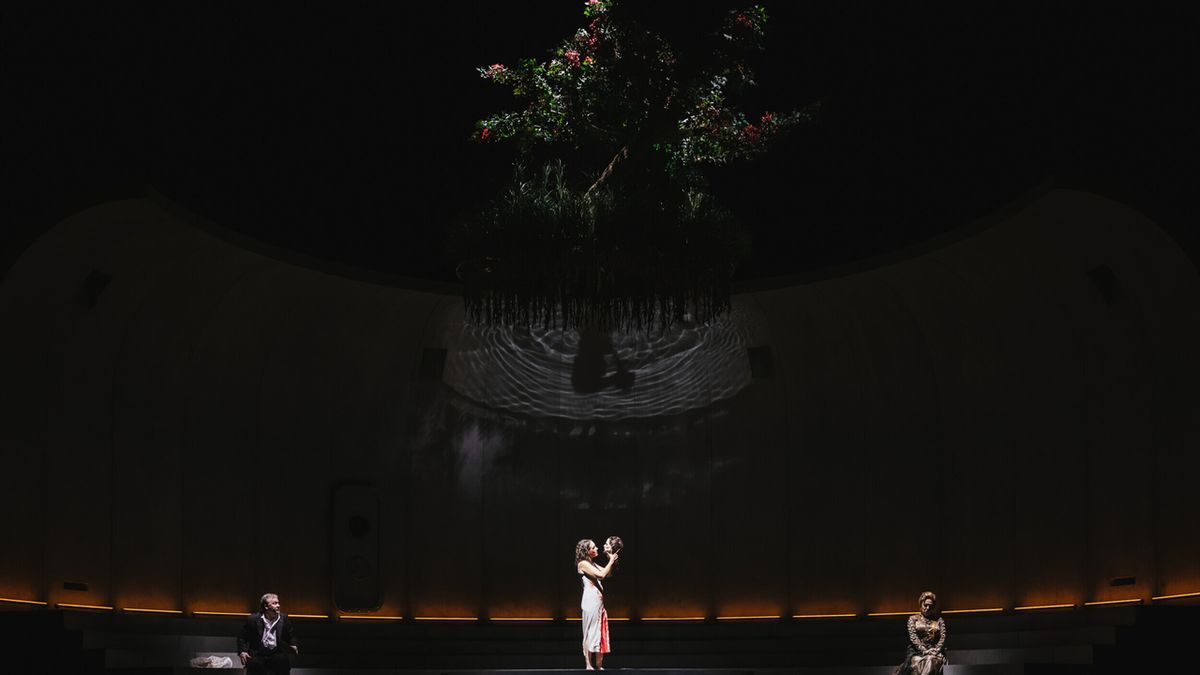
Richard Strauss’s biblical epic, Salome, is a guaranteed thrill for any audience. Filled with fascinating characters, shocking scenes, and outrageously difficult demands on its singers, this drama keeps viewers on the edge of their seats for every moment of its relatively short length and is considered by many to be the true musical beginning of the 20thcentury. Seattle Opera’s Oct. 17 opening night performance was a stunner.
Strauss created his own libretto, inspired by Hedwig Lachmann’s German translation of the 1892 play by renowned Irish playwright Oscar Wilde, originally written in French. The opera, which instantly sparked fierce controversy and censorship and sent shockwaves throughout Dresden at its 1905 premiere, was nonetheless a huge success. The financial windfall from the opera’s success gained the composer enough cash to build a magnificent villa in the countryside. The opera then was banned in Vienna, and the Metropolitan Opera premiere in 1907, starring the astonishing Olive Fremstad, so effectively scandalized the public it closed after one performance.
Seattle Opera delivered every detail of Strauss’s exhilaration and shock inherent in this production, originally from Irish National Opera, which plays up the most decadent, morbid aspects of the play on which it’s based. The Seattle cast and creative team, which included eight company debuts, proved themselves admirably capable of demonstrating their skills. But lead soprano Brenda Rae, in her role debut, stole the show from the first moment to the last.
As Salome, Rae returned to SO for the first time since her debut in the company’s 2015 Semele. She has become known for her versatility, performing roles from Mozart to Strauss to Berg. Salome may not be her usual repertoire, but in this rendering, she exceeded all expectations, vocally and dramatically.
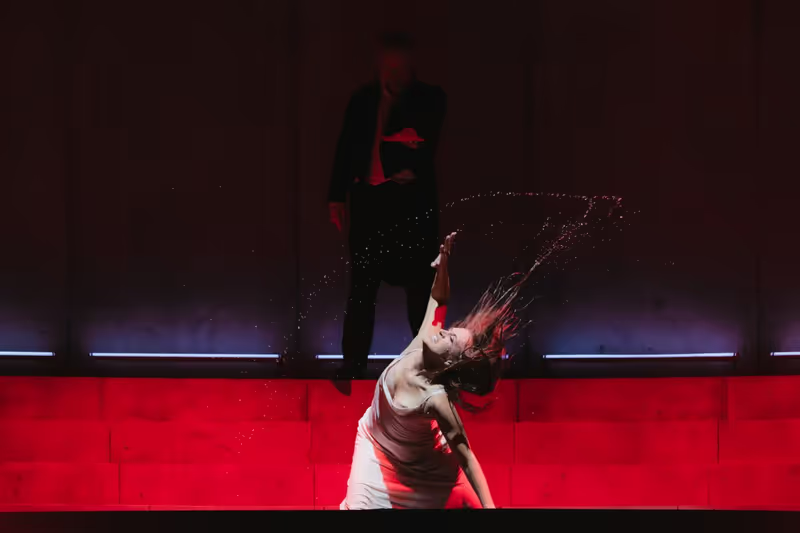
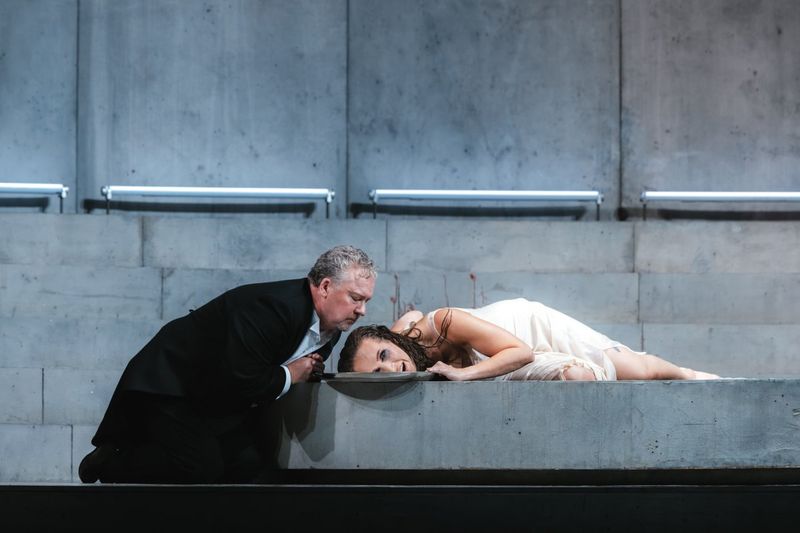
Rae’s interpretation was fearless; her characterization wrathful, widely varied, and appropriately terrifying. She made no effort at making Salome likeable but played up the male/ female dichotomy within Salome’s personality. Her character arc, from spoiled child to outrageous harridan, was distinct from beginning to end.
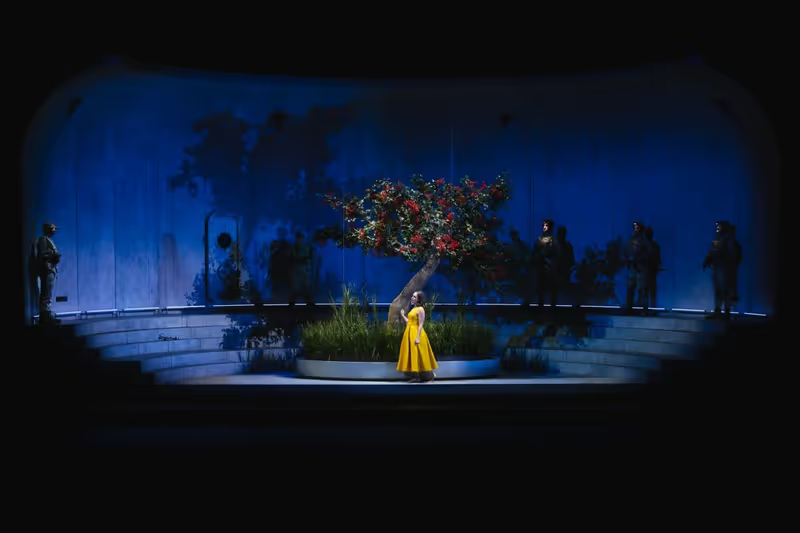
The soprano’s power in the upper register cut with ease through the immense orchestration. She performed Dance of the Seven Veils so convincingly, with such élan and grace, that one would think she had been born to it. She took on the demanding final scene, a feat that has taxed many a soprano, with astonishing defiance, nailing every physical and vocal challenge and increasing her power exponentially to her final note. Tour de force doesn’t begin to describe her overall display of artistic proficiency.
Making his SO debut as Jochanaan/John the Baptist, German baritone Michael Kupfer-Radecky was a fitting sounding board for Rae’s hysteria, spewing out his religious declamations in an appropriately exaggerated manner. His voice was superb and calm, sonorous and beautiful, but with an appealing edge. The interplay between him and Rae was mesmerizing.
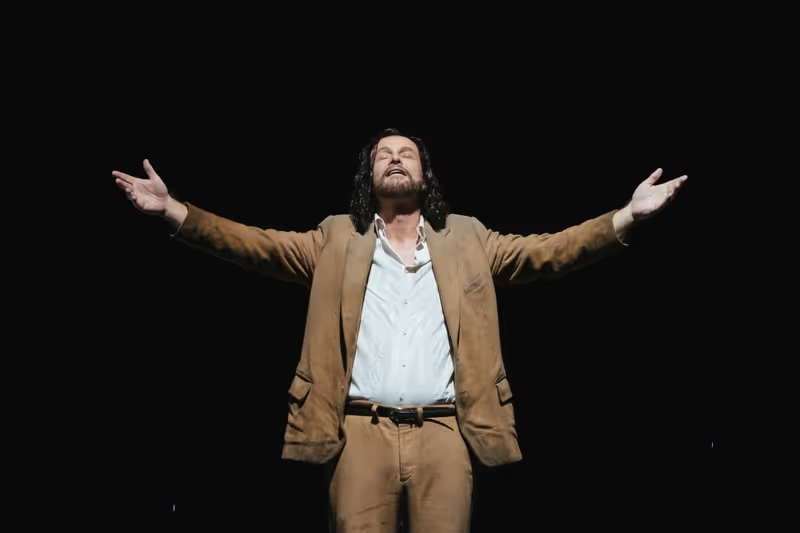
Tenor Chad Shelton gave an impressive debut as the debaucher Herod. From his first entrance, he dominated the stage, with a voice that was more aesthetically pleasing than most tenors in the role, and a captivating juxtaposition of dramatic and comic touches. He and Rae made a compelling partnership in their all-important interactions, setting the stage for the inevitable tragedy to come.
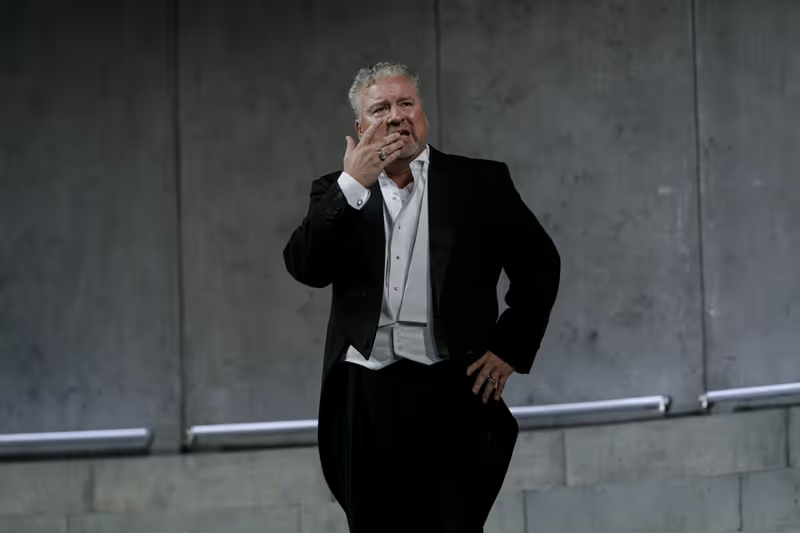
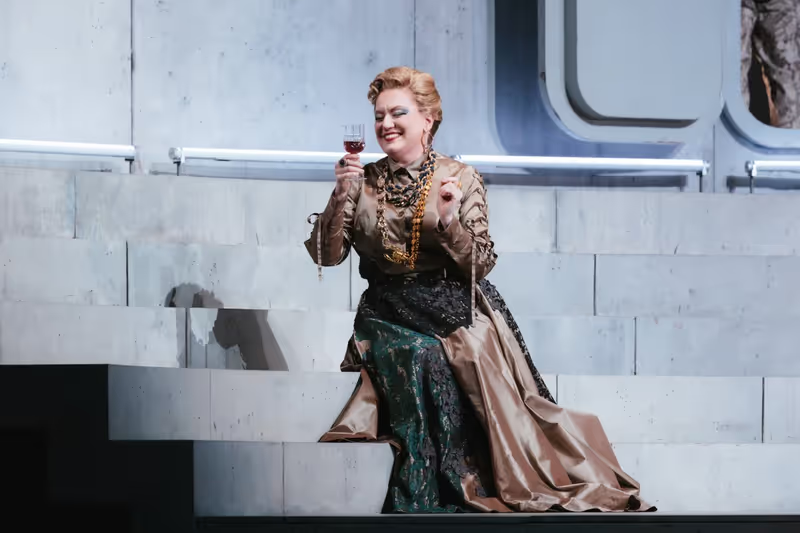
Well-known to Metropolitan Opera audiences, mezzo Jennifer Johnson Cano brought a stylistic uniqueness to her portrayal of Salome’s mother, Herodias. Her voice was solid, projecting easily over the orchestra, and her high notes were Wagnerian in their power. She delivered her cleverly written lines with an irony that was at once amusing and gruesome. A most entertaining performer.
As Narraboth, debuting tenor Joseph Tancredi’s pleasing voice nicely fulfilled the vocal demands of the role, and his character rendering was poignant without being overdone.
The extensive supporting cast included several debuting artists: mezzo-soprano Hannah Ludwig (Page of Herodias), bass Scott Conner (First Nazarene/First Soldier), tenor Robert Stahley (First Jew), tenor Zhengyi Baias (Fourth Jew), and soprano Alexa Jarvis (An Attendant). They were consistently strong, as were returning artists baritone Michael J. Hawk (Second Nazarene/A Cappadocian), tenor Martin Bakari (Second Jew), tenor John Marzano (Third Jew), and bass-baritone Nathan Stark (Fifth Jew/Second Soldier).
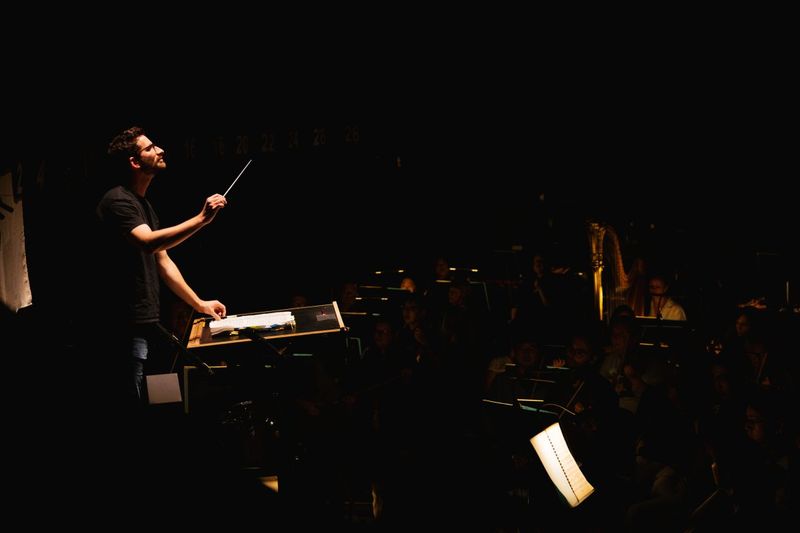
Having become known in numerous US companies, debuting conductor Benjamin Manis led the 81 Seattle Symphony members in a richly conceived reading of the score. He was in complete command of the volume level, which is always a challenge in Strauss operas, and knew exactly when to allow the orchestra to let loose in the prominent orchestral moments.
In his SO debut, British stage director Bruno Ravella, who premiered the 2024 Irish National Opera production in Dublin, plumbed the depths of depravity and played up the many contrasts intrinsic to the story, from dreamlike to stark and ghoulish. Other productions have been more shocking in their sexual explicitness (the 2022 Paris National Opera being a prime example), but Ravella captured the atmosphere of dissoluteness and degeneracy without descending into vulgarity.
Ravella’s character portrayals were fascinating: e.g., the juxtaposition of Herod’s decadence with the purity of St. John. The final scene was earth-shattering . The director mined the most captivating qualities of his players, especially in the relationship between Salome and Herod. The latter's locking out the other characters, thus forcing Salome to dance only for him, was especially effective.
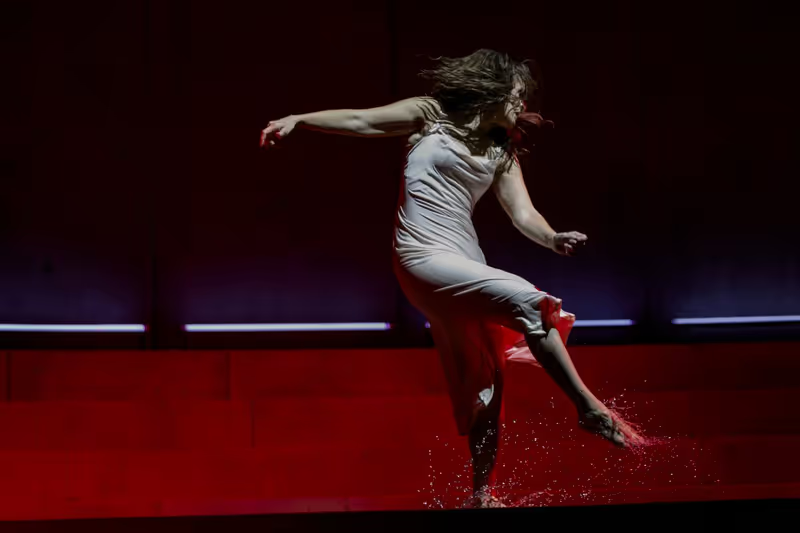
Malcolm Rippeth’s lighting designs were arresting, especially the shadow play during Salome’s dance, where the changing colors morphing into a ghastly blood-red heightened the scene’s repulsiveness. The fire erupting at the drama’s climax, symbolizing the characters’ coming to their eventual hellish end, left a stunning impression.
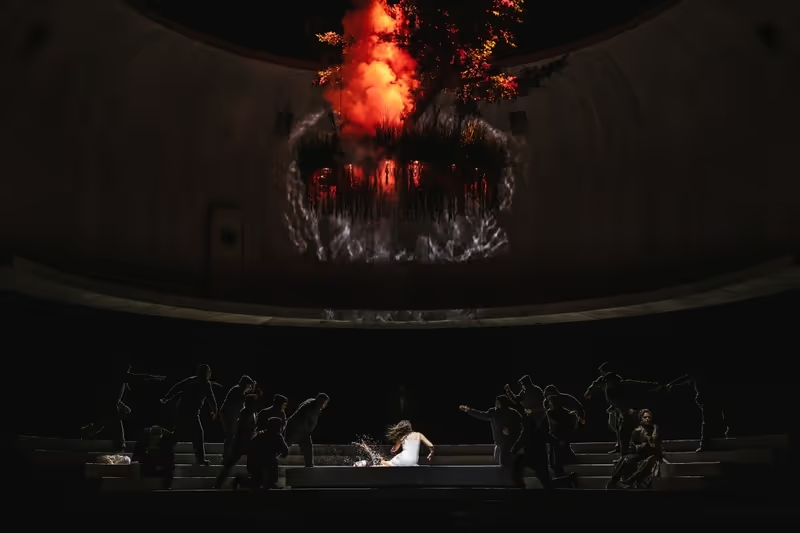
Sunny Martini
The sets by Scenery & Costume Designer Leslie Travers made the most of the contrast between the colorful garden and the morose, modern set in dull grey and white, whose bulkhead door gave it the look of a submarine interior. Both created a spare environment in which to direct one’s attention to the action and high drama coupled with the disturbing music. Though symbolic of Jochanaan’s baptism practice, the water feature device was overused.
But the costumes made some bold statements. The choice of Herod’s and the other men’s tuxes seemed contradictory in a biblical setting, though it highlighted the difference between their garb and Kupfer-Zadecky’s homeless person threads. However, Herod’s removal of Salome’s virginal yellow dress revealing the clingy white chemise underneath, at a pivotal moment in the Dance of the Seven Veils, made a major impact.
Salome’s dance is a highlight of any production, and in her SO debut Liz Roche’s sinewy choreography brilliantly played up Rae’s best qualities. Lustful, endlessly erotic, the scene was mesmerizing.
Ashlee Naegle’s wigs and makeup were appropriately stark and added to the grim, decadent character portrayals. In some cases, these were extremely effective: for example, Cano was virtually unrecognizable in her transformation as Herodias.
If you’re seeking but one theatre production in Seattle in the near future, Salome is not to be missed. Performances continue October 23, 25, & 28, ending appropriately for this spooky production on October 31, Halloween night. (https://www.seattleopera.org/performances-events/salome/).
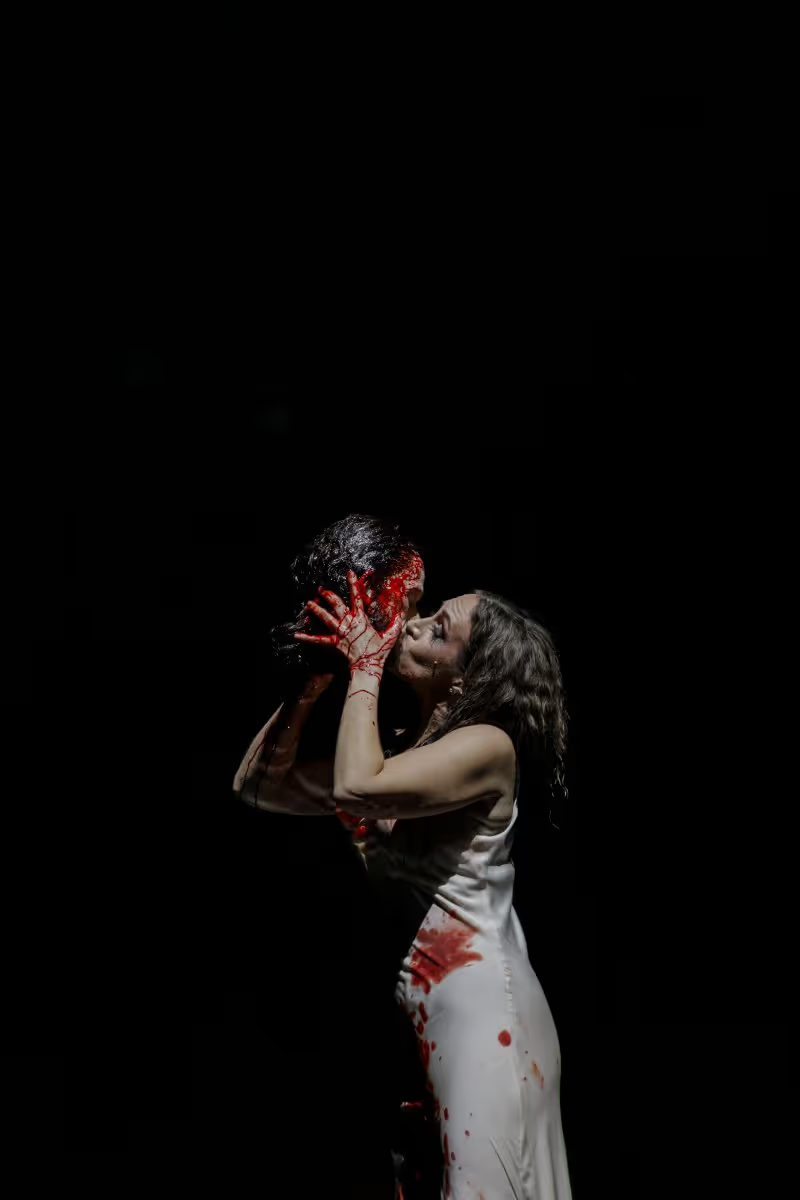
Photo credits: Sunny Martini, David Jaewon Oh
Sign up for all the news on the Fall season, discounts & more...

|
Eureka Day Leo K. Theater (9/24-11/15) |
|
Our Town & Sanctuary City State Theater (10/02-11/01) |
|
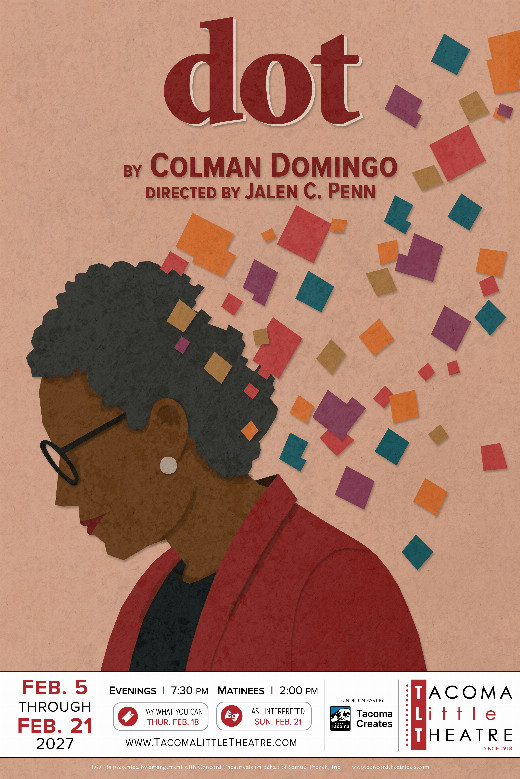
DOT at Tacoma Little Theatre Tacoma Little Theatre (2/05-2/21) |
|
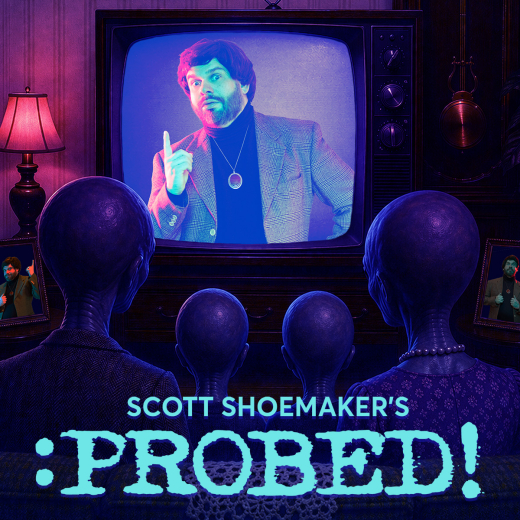
Scott Shoemaker's: :PROBED! Intiman Theatre (4/14-4/17) PHOTOS |
|
RAGTIME Village Theatre (9/15-10/18) |
|
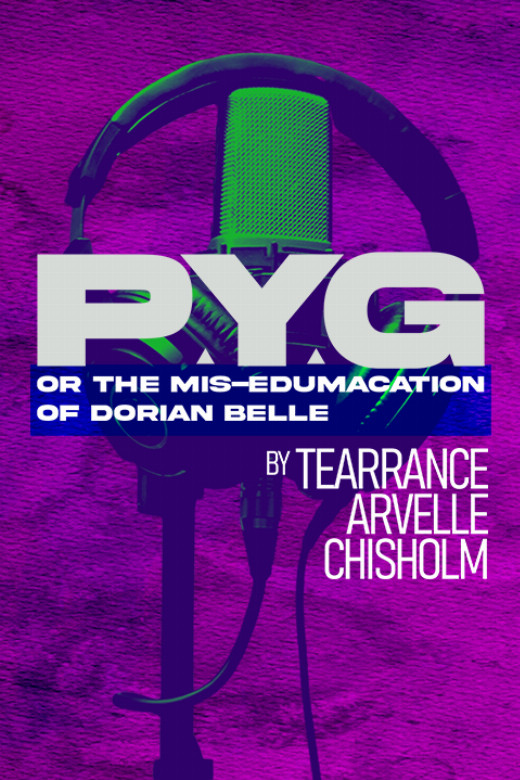
PYG or the mis-edumacation of Dorian Belle ArtsWest (6/10-7/03) |
|
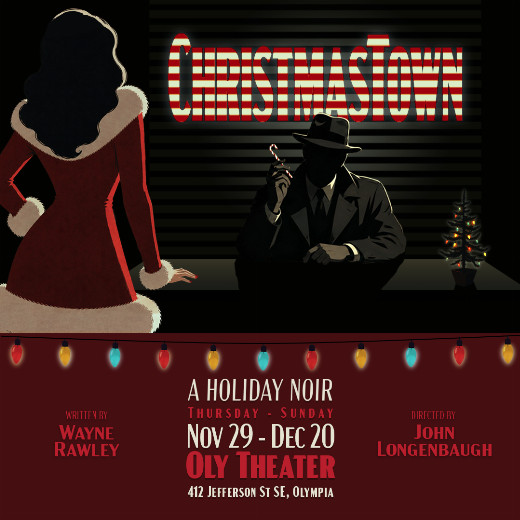
Christmastown Battleground Productions (11/27-12/20) |
|
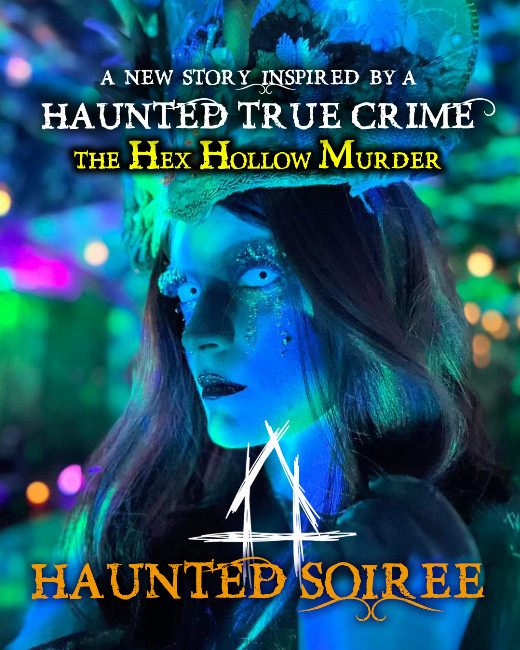
Haunted Soiree Rainier Chapter House (10/02-10/31) |
|
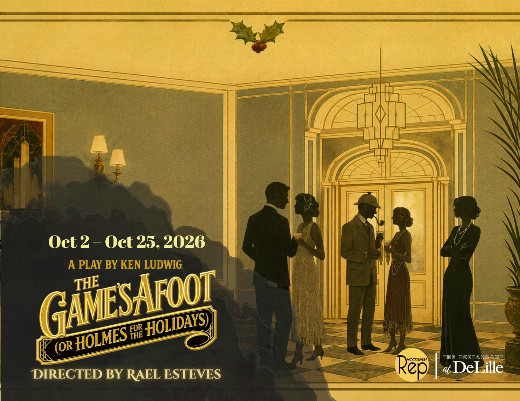
The Game’s Afoot Woodinville Repertory Theatre (10/02-10/25) |
|
Harlequin's 2027 "Fact/Fiction" Season Harlequin Productions (1/22-12/24) |

Reader Reviews
To post a comment, you must register and login.