


Review: DRACULA at Turner Theater
Studio Tenn’s staging of Dracula, originated by William McNulty, offers a fresh take on the notorious classic horror story.
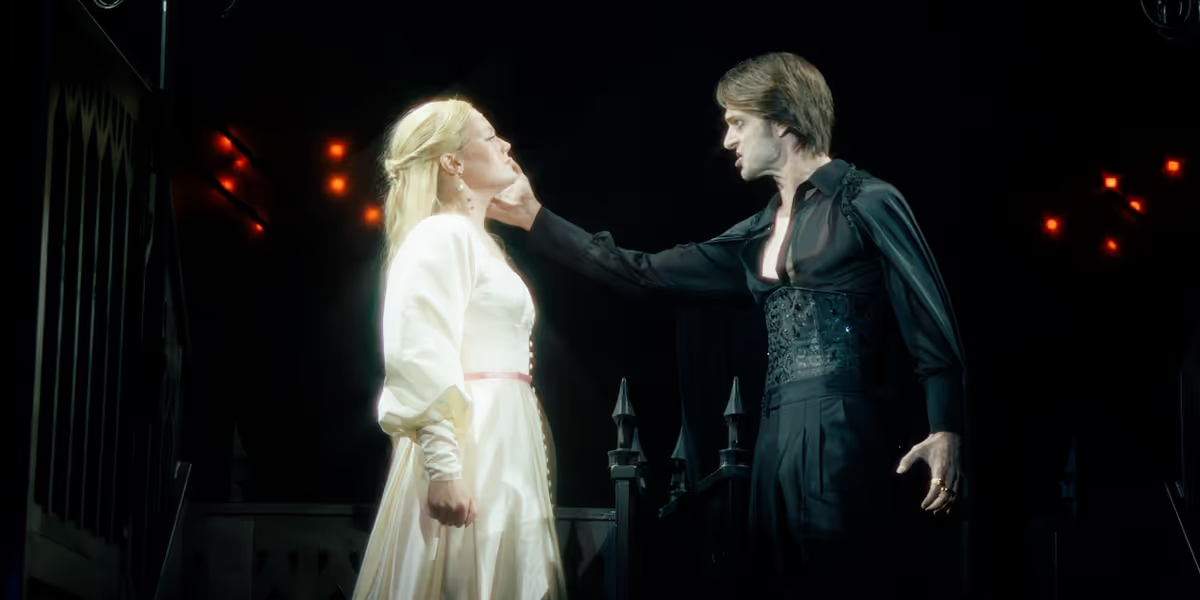
Put on your turtlenecks, grab a crucifix, and lock your doors. Dracula is on the loose in Franklin!
Studio Tenn’s staging of Dracula, originated by William McNulty, offers a fresh take on the notorious classic horror story. McNulty stays close to Bram Stoker’s original novel with a few exceptions, one being the location. Instead of Transylvania, we are in London, England. In this version, Vlad, Count Dracula, Nosferatu, the Prince of Darkness, whichever nom de plume you prefer, is portrayed more as a villain than a charming figure, and more monstrous than seductive. He is the personification of evil whose terrifying goal is to spread his curse and feed his hunger. This Dracula is primal and feral.
Let’s step inside the theater, shall we? (spoiler alert)
The audience is immediately immersed in a dark, indistinct, hazy stage, filled with crypt-like details and atmospheric lighting. Shadowy figures chant a haunting “the blood is the life” repeatedly. As the story unfolds, Dr. Thomas Seward (Andrew Johnson) sends out a cry for help from his seaside sanitarium to his former teacher and dear friend, Dr. Abram Van Helsing (Brian Webb Russell). Seward’s fiancée, Mina (Savannah Stein), had fallen ill and died of a mysterious disease, and Van Helsing was a specialist in rare diseases and vampire lore. Lucy Westphal (Morgan-Ellene Davis), engaged to Jonathan Harker (Nathan Quay Thomas), was Mina’s best friend. Jonathan is a young lawyer who traveled to Transylvania to meet Count Dracula (Jay Sullivan) about buying property in England. Jonathan disappears, then makes a bloody reappearance after becoming trapped in the Count’s castle and discovering his true identity. With Lucy not feeling well and overwhelmed by the death of Mina, she is put on bed rest as Van Helsing, Seward, and Harker plot to kill Dracula before he hurts anyone else. Could Dracula have gotten to Lucy as well?
Despite warnings to flee the sanitarium, resident, fly-eating patient, Robert Renfield (Lane Adam Williamson), begs them to leave and take him with them. Renfield lives in the torment of his complex duality, balancing manic devotion to Dracula with his deep-seated mental anguish. What control does the Count have over Renfield?
As the blood curdles, the plot thickens.
Dracula’s barbarity continues in spectacular display during a seduction scene with Seward's assistant Margaret Sullivan (Catherine Gray). The poor, sweet Irish lass gets swept up into his soul-possessing spell. Kudos for her amazing transformation, which she had so much fun playing, and the audience enjoyed watching.
What happens next? For those who haven’t seen this production as of yet, my lips are sealed. I highly suggest you experience this for yourself.
Jay Sullivan portrays the Count as the embodiment of evil charisma with a thick veneer of aristocratic magnetism, using hypnotic trances in which his quarry falls victim. Sullivan applies bold and dynamic posturing (and a few cape tosses) to grab everyone’s attention. He exudes a chillingly sophisticated presence and effortlessly shifts from a charismatic gentleman to a cold-blooded predator. He employs alluring vocal tones to play one side of Nosferatu as pure evil and the other as refined, hiding the monster within. Sullivan’s Prince of Darkness, however, does carry a sense of humor about him as he teases the audience with occasional tongue-in-cheek (or fangs in neck) dialogue such as, “Humans, I thrive on them” (and my favorite) “I never drink…wine”.
Brian Webb Russell, as Van Helsing, is the voice of reason and strategy, a soldier carrying a crucifix to battle. Russell balances Van Helsing’s character with the calmness of a strategist and the urgency of a warrior. He boldly leads the charge to find Dracula to finish him off.
Andrew Johnson, as Dr. Thomas Seward, is a conservative, low-key man of science and rather dismissive of anything that cannot be explained by his medical textbooks. The turning point for Seward is witnessing something he cannot deny is Lucy's vampiric transformation, proof of Dracula's power. This moment breaks him. His scientific certainty collapses, and he leans into Van Helsing’s theory and urgency to act quickly.
Adding comic relief and multiple dimensions to his character, Lane Adam Williamson, embodying Robert Renfield, steals the show. He offers a master class in physicality. His vibrant, monkey-like moves are captivating. Williamson uses his wide range of vocal dexterity and a skillful change of demeanor to perfection. He is one big ball of unpredictable energy, lucid, pathetic, and maniacal. Williamson has raised the bar and set a high standard for other actors who wish to take on this challenging and tragic, yet likable, character.
Mogan Ellene Davis as Lucy is methodical and intelligent. She brings a sense of order to the chaos. Lucy provides compassion and empathy, which grounds the men around her. Her love for Jonathan and her grief for her best friend Mina fuel the determination to end Dracula. After Dracula bites Lucy, she becomes telepathically connected to him and uses this link to help track down the Count.
Rounding off the cast with Jonathan Harker (Nathan Quay Thomas), Norbert Briggs (DéYonté Jenkins), Margaret Sullivan (Catherine Gray), the Brides (Savannah Stein also as Mina, Jordan Tudor, Emily Stephens), and the Monster (Jonah M. Jackson), this ensemble brings to life an intensely physical production, where they utilize every inch of the stage. This is well-played, creating a vibrant and immersive experience, keeping the audience on the edge of their seats.
A production like Dracula stands out by its ability to transport the audience to another world. The design team's work is as crucial as any performance. The stage, lighting, and costumes all come together to create a visual and visceral playground for Gothic horror. Matt Logan (Costume & Scenic Designer) constructed a multi-level, interconnected deathtrap. It is Gothic grandeur at its best. Towering stairs, skeletal structures of dark wood and stone dominate the space, suggesting crumbling castles and claustrophobic asylums. The genius of the design lies in its versatility. A single structure can serve as Dracula's castle, Lucy's bedchamber, and the final, desperate battleground. Logan created a Gothic jungle gym of hidden passages, precarious staircases, and sudden drops, crafted for efficiency and designed to facilitate the play's relentless physical action. Logan’s costume designs (the Count never looked better) are equally impressive, adhering to the late Victorian era, with the men in sharp, tailored suits and the women in elegant dresses. There is a sense of propriety and elegance in the costumes, whereupon the horror will splatter.
Lighting Designer Stephen Moss is the master of atmosphere. His stage becomes a world of deep shadows and dramatic contrasts, bathed in a perpetual state of twilight. In dramas, such as Dracula, the lighting is a character in itself, dictating the emotional mood of every scene. Moss created a symphony, not one you can hear, but one of fear that you can see and feel.
Stage Manager Talia Krispel had her hands full as the backbone of this fast-paced production and expertly fulfilled her crucial role as the production's organizational foundation. Stage managers must ensure that everything runs smoothly from rehearsals through performances. During live performances, it's the stage manager's job to call the cues for lighting and sound, and scenic changes. They ensure everything happens precisely on time. Although the stage manager's role is behind the scenes, where communication and organization are paramount to the success of the show, you can clearly see Krispel's proficient stagecraft throughout this smooth production of Dracula.
Director Paul Vasterling drew powerful and distinct performances from the cast. He successfully guided Jay Sullivan in playing Dracula to be a creature of pure menace rather than a seductive cliché. He gave a wide berth to Lane Adam Williamson to play Renfield with all the lunacy and delirium he could muster. Vasterling’s greatest triumph is the production's relentless, heart-pounding pace in which he successfully moved his actors.
Bravo to Artistic Director Patrick Cassidy in tackling this demanding horror classic with such creative ferocity. Studio Tenn reaffirms its unique talent for breathing vibrant, contemporary life into timeless stories, making for a must-see theatrical event. You can read our exclusive BroadwayWorld interview with Mr. Cassidy here.
For a truly unforgettable night of thrilling, world-class stagecraft, look no further than Franklin, where Studio Tenn has delivered a Dracula that will haunt your dreams in the best way possible.
Read more information about Studio Tenn and their upcoming productions at the Turner Theater in The Factory at Franklin, visit here.
I'll see you at the theater!
|
Foo Fighters, Queens of the Stone Age & Mannequin Pussy at Nissan Stadium Nissan Stadium (8/15-8/15) |
|
Gunhild Carling at City Winery Nashville City Winery Nashville (11/01-11/01) |
|
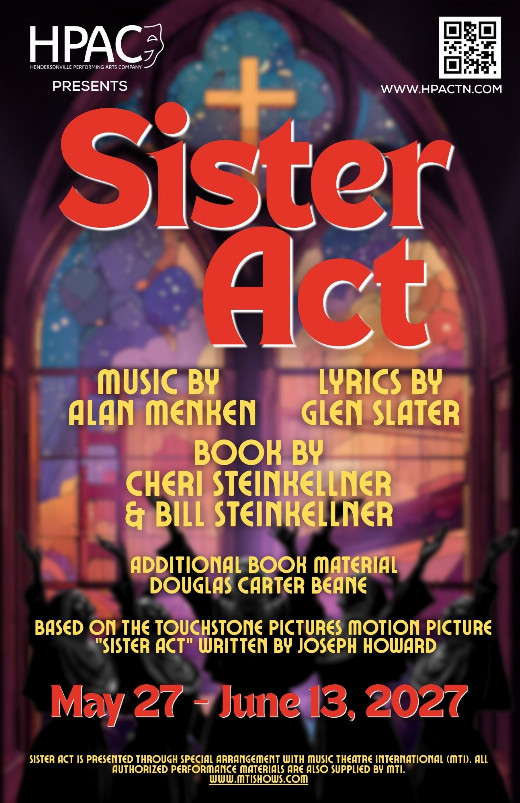
Sister Act Hendersonville Performing Arts Company (5/27-6/13) |

|
The American Revolution (in 40 Minutes or Less!) Chattanooga Theatre Centre (9/01-9/30) |

|
Inherit the Wind South Jackson Performing Arts Center (9/17-9/20) |
|
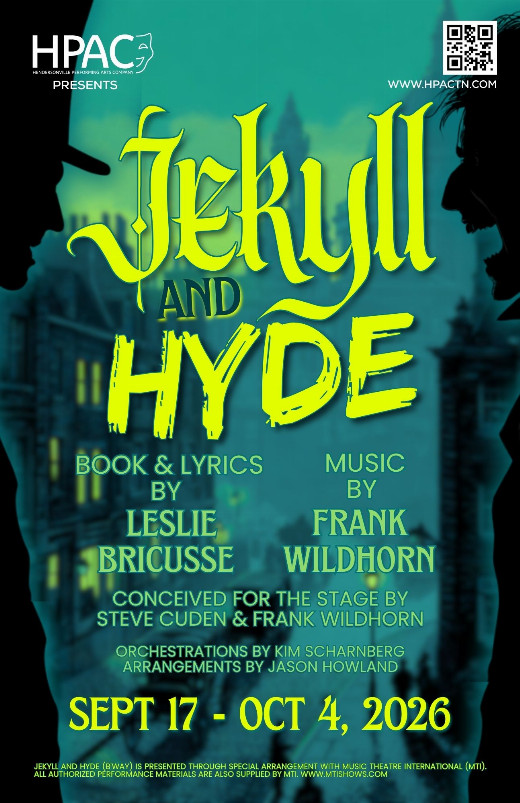
Jekyll & Hyde Hendersonville Performing Arts Company (9/17-10/04) |
|
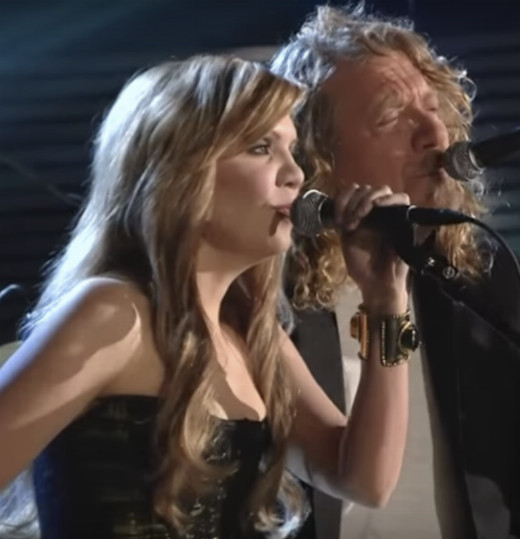
Alison Krauss and Union Station Alison Krauss and Union Station at Ryman Auditorium (9/18-9/18) |

|
Playhouse Pours Playhouse on the Square (10/08-10/08) |

|
The Night Shift Before Christmas The Circuit Playhouse (11/20-12/20) |
|
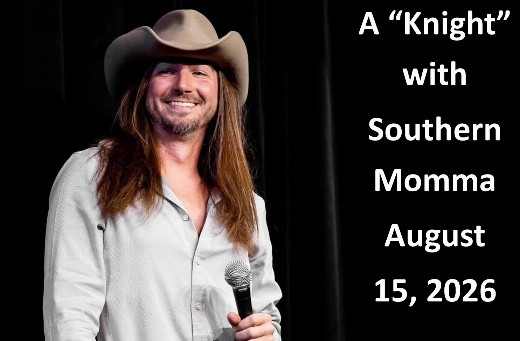
Darren Knight -- A "Knight" with Southern Momma South Jackson Performing Arts Center (8/15-8/15) |
Reader Reviews
To post a comment, you must register and login.