


Review: THE LEHMAN TRILOGY at Stages Houston
A sweeping epic opens the latest Stages season.
Originally written by Stefano Massini, THE LEHMAN TRILOGY began as a series of Italian radio dramas before its first stage production in 2010. An expanded, 760-page novelization soon followed. British playwright Ben Power and director Sam Mendes brought a translated stage adaptation to life in London in 2018, which then went to Broadway and earned a Tony Award for Best Play. If that sounds like quite the journey, settle in…because we’re only getting started.
3 Actors. 70 Characters. 160 Years. That’s the marketing headline for the production, and it’s no exaggeration. In fact, I would add “4 Hours” to the end. It’s a long story to tell, but the production is dynamic and engrossing enough that the time doesn’t feel wasted. But it doesn't exactly fly by either, the length may test some audience members’ patience.
While the Lehman family’s history is long and complex, at its heart it's a story about the American Dream, the immigrant gamble for success, the reinvention of self, and the eventual cost of that ambition. The production’s inventive treatment and educational undercurrent elevate what could be a dry history lesson into something extraordinary. I’ll admit I knew little of the Lehmans or their legacy before seeing the show; by the end, I felt like I’d been ushered through a living, breathing history disguised as theatre.
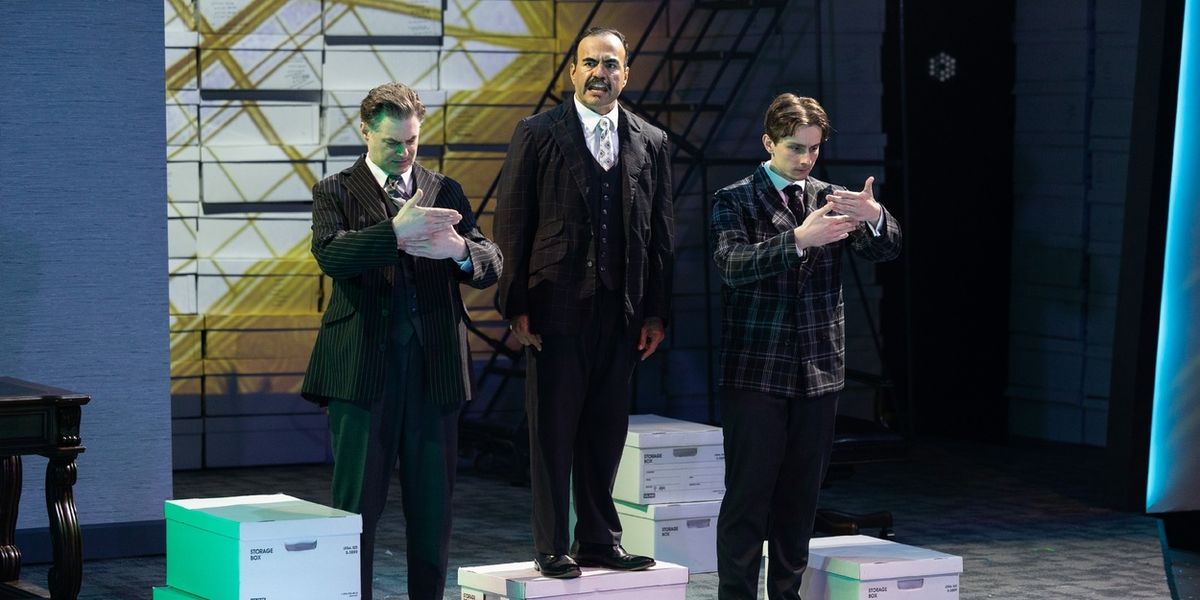
From the moment you enter The Sterling Stage you’re struck by the set. Scenic designer Afsaneh Aayani has conjured a metamorphosized office space to carry us through the decades. Fluorescent lights angle to frame the stage; the carpet is a perfect corporate beige, and the back wall – constructed entirely of stacked banker boxes – extends into the wings. Only after the play begins do you notice the digital screens embedded in the floor, half of its “tiles” flickering to life. The set becomes a character of its own, charting time as clearly as any costume change.
Props deepen the illusion. Utilitarian wooden boxes serve as furniture in the 19th century and gradually morph into banker boxes by the third act; a subtle but brilliant detail. Each prop piece is designed with care, and the recurring yellow accents (a hallmark of the original store sign the brothers painted themselves) unify the production visually. Lighting designer Ash Parra, video designer James Templeton, and sound designer Yezminne Zepeda use this environment as a springboard for their craft. Digital projections, soundscapes, and shifts in light work in concert to clarify decades, locations, and mood, aiding the actors rather than overwhelming them. The use of the banker box wall as a screen is great, providing a huge amount of surface area to work with, and it is spectacular in its scale.
%2C%20Orlando%20Arriaga%20(Emmanuel)%2C%20and%20Robby%20Matlock%20(Mayer)_Photographer%20Melissa%20Taylor%20(1).jpg?format=auto&width=1400)
As mentioned, there are only three actors, and by the end they must have felt like they have run a marathon! Spencer Plachy’s Henry Lehman, the eldest brother, sets the tone with exuberance from his first entrance. He later embodies his nephew Phillip, the slick, fast-talking New York businessman archetype before that archetype even existed. Orlando Arriaga’s Emanuel (the “Arm” to Henry’s “Head”) is imposing and brooding. His transformation into Herbert (Mayer’s son who eschews finance for politics) a comedic counterpoint to Emanuel’s gravity. Robby Matlock plays Mayer, the youngest brother, whose peacemaking energy balances the trio. As Bobby (Phillip’s son), he channels that same energy into a sharper, more modern edge. Across their dozens of supporting characters – from coquettish debutantes to sullen Hebrew schoolers – the three display pinpoint vocal and physical shifts that are specific and nuanced.
With so many characters, these shifts could have easily tipped into caricature. Instead, director Derek Charles Livingston (in the first production of his first curated season as Stages Artistic Director) guides the piece with precision. His program letter conveys his personal connection to the show, and that care radiates from the stage. The text, written in verse, emerges with a subtle rhythm rather than a heavy-handed poetic flourish, and is another testament to Livingston’s direction.
In the end, THE LEHMAN TRILOGY is a production worth experiencing. Its subject matter may seem obscure, but the execution is so meticulous that you find yourself absorbing history almost by osmosis. It’s a trek through time (sometimes literally) yes, but also a meditation on ambition, family, and the fragility of legacies built on risk. That a Italian writer and a British creative team found such resonance in the saga of a Bavarian-Jewish immigrant family in America underscores the universality of the story. The struggle to reinvent oneself, the allure (and danger) of limitless growth, and the generational ripple effects of success and collapse speak across oceans and centuries.
THE LEHMAN TRILOGY runs October 12th on The Sterling Stage at Stages Houston. The show is three acts with two intermissions and runs over three and a half hours. More information on the theater and the production can be found here.
|
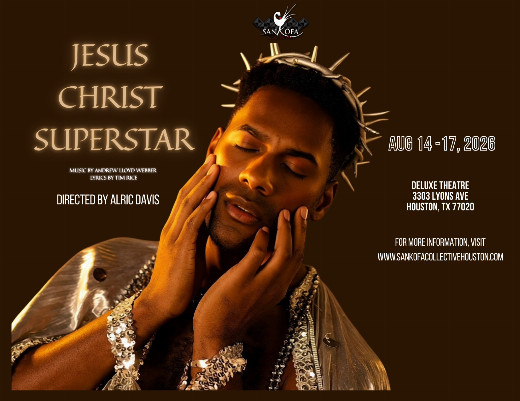
Jesus Christ Superstar Deluxe Theatre (8/14-8/17) |

|
Therapy Gecko Punch Line Houston (9/20-9/20) |
|
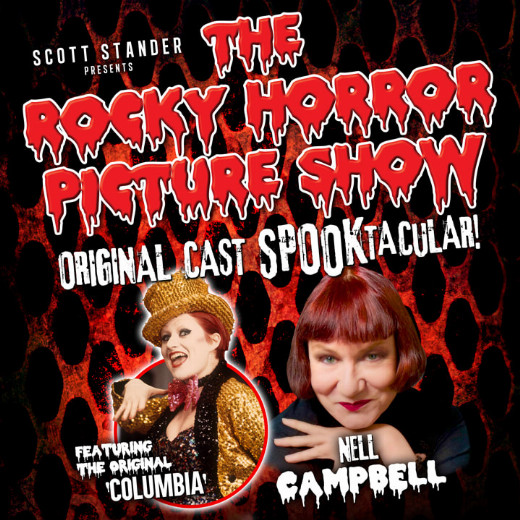
The Rocky Horror Picture Show Spooktacular Tour with Nell Campbell House of Blues (10/23-10/23) |

|
Hardy WhiteWater Amphitheater (11/21-11/21) |

|
Drunk Pirates Emerald Theatre (5/14-9/19) |
|
AC/DC NRG Stadium (8/31-8/31) |
|
Rocky Horror Picture Show House of Blues Houston (10/23-10/23) |
|
PROOF 4th Wall Theatre Company (9/11-10/03) |

|
Anarkali Reimagined Luxtrium (10/22-10/25) PHOTOS |
|
Frankenstein Pearl Theatre (10/30-11/02) |
Reader Reviews
To post a comment, you must register and login.