


Review: IT'S A WONDERFUL LIFE: A LIVE RADIO PLAY at Stages Houston
It’s a Wonderful Way to Celebrate the Season.
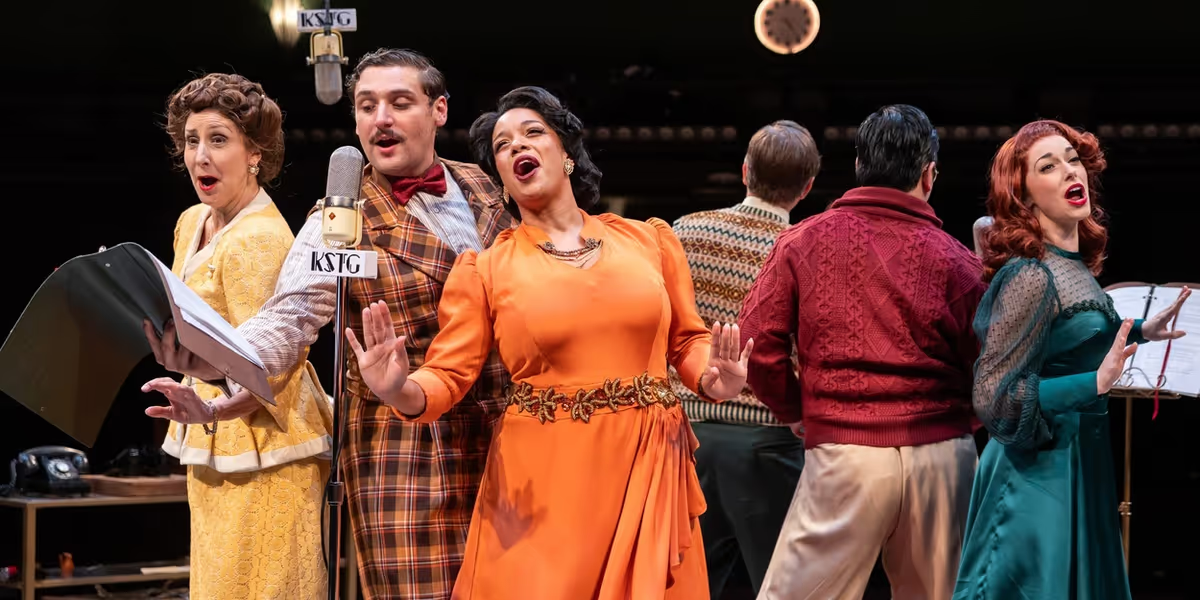
IT’S A WONDERFUL LIFE: A LIVE RADIO PLAY brings the beloved holiday classic to life in a unique and heartwarming way. Set in a 1940s radio station, the show unfolds with live sound effects, period commercial breaks, and a talented ensemble giving voice to George Bailey, Mary Hatch and Clarence the Angel, all while we, the live audience, watch from inside the “studio.” Adapted by writer and designer Joe Landry in 1996, WONDERFUL LIFE has been produced widely across the country and now finds a charming home at Stages.
I had the pleasure of working on a musical version of It’s a Wonderful Life at the New York State Theatre Institute many years ago, and this clever reinterpretation brought more than a little nostalgia flooding back. Though framed as a radio play, the physical production gives us much more than a listening experience; we see the story come to life in real time. A couple of times I even closed my eyes just to imagine what it might have felt like to hear a live broadcast like this. What surprised me most was how emotionally rich the performances became through the actors’ live interaction; I expected it, but hadn’t truly considered how much it would deepen the experience. Adding to the charm are the radio commercials sprinkled throughout, each one set to the tune of a familiar Christmas carol. They’re clever, catchy, and serve as delightful little palate cleansers that break up the action and pull us deeper into this show’s world.
Director Derek Charles Livingston guides the cast through the physical gauntlet of the piece as they act, dash around the stage executing sound cues, and switch characters (and voices) at lightning speed. While the radio “actors” are each given names as part of the setup, for clarity and in proper recognition of this outstanding ensemble, I’ll refer to their WONDERFUL LIFE characters instead. Traditionally done with a cast of five, Livingston expands the company to six (three men and three women), which proves to be a wise move. It gives the production a fuller balance and divides the character load in a way that makes the story especially easy to follow, given how many roles are doubled, tripled…or more.
.jpg?format=auto&width=1400)
Before the broadcast begins, the radio performers trickle into the studio, start settling in, removing their coats, and quickly realize their George Bailey is nowhere to be found. When the show has to start without him, the ensemble scrambles to vamp and play for time. When George (Ryan Schabach) finally bursts in, he’s clearly distressed and distracted – already halfway to the state we associate with George when he meets Clarence. Schabach is terrific, carrying the show with compelling highs and lows. I don’t know whether the vocal nods to Jimmy Stewart were intentional, but they worked beautifully and gave the performance a lovely sense of connection to the film.
Opposite him is the radiant Jillian Linton as Mary Hatch. She and Schabach have wonderful chemistry, and Linton’s grounded presence lets us see her caring for both George Bailey and Schabach’s “radio actor,” who is clearly going through something behind the scenes. Christopher Szeto-Joe is our emcee and narrator, doubling as Uncle Billy Bailey among others. He’s delightfully exasperated as Billy and crisply authoritative as the broadcast’s host, keeping the show moving while cueing the station manager and handling sound effects.
Gabriel Regolo shines in two crucial and wildly different roles: bright-eyed younger brother Harry Bailey and the formidable villain Mr. Potter. He distinguishes them sharply, and at one point even performs a scene “with himself,” earning well-deserved applause. Deshae Lashawn brings a spectrum of voices and characterizations, from Violet Bick to all of the Bailey children, including Zuzu with her iconic line about bells and angel wings. And speaking of angels, Pamela Vogel is a delightful addition to the ensemble as Clarence (and others). She plays the role with warmth, charm, and a knack for landing every celestial fish-out-of-water punchline.
I loved the seamless integration of sound, set, props, and lighting. Each element stands strong on its own while elevating the others throughout the show. The production team of Robert Leslie Meek, Bryan Ealey, and Jodi Bobrovsky has crafted a world that feels both playfully interactive and authentically period, giving the performers a lived-in, functional playground. The “magic behind live Foley” is especially fun to watch. From footsteps in the snow to chirping crickets to the hum of a car engine, the creativity on display is compelling. (There’s an excellent history and interview with Meek in the program that’s well worth a read.) Rounding out the strong design work are the era-perfect costumes and wigs by Leah Smith and Ana Sophia Rubio, putting a festive finishing touch on an already spot-on production.
.jpg?format=auto&width=1400)
There was a small amount of confusion during Act I around possible parallels between George Bailey and the actor portraying him in the “live radio” world of the show. The production sets up an interesting idea – that whatever the radio actor is struggling with in “real life” mirrors George’s own crisis – but the way it unfolds takes a while to parse. The good news is that Act II clarifies the concept beautifully, and once it all snaps into place, the emotional payoff lands as it should. The choice to clear the stage for more room to execute the action (including a shift to recorded sound effects) pulled me out of the live-radio illusion I was so enjoying.
This time of year can be both heartwarming and challenging, and George Bailey’s redemption strikes a particularly tender chord. It’s one thing to cry out that you wish you’d never been born, and something else entirely to confront what that absence would mean. That emotional punch, during this season especially, makes this production the perfect show to share with family, friends, and loved ones. It’s a fresh angle on a story you know by heart. See it at Stages, let it wrap you in its charm, and then go home and put on the movie for the perfect finishing touch.
IT’S A WONDERFUL LIFE: A LIVE RADIO PLAY runs through Sunday, December 28th on the Lester and Sue Smith Stage. Showtimes are at 7:00pm Wednesdays through Sundays, with 2:00pm matinees on Saturdays and Sundays. The show is two acts and is approximately 2 hours with one intermission. More information on the theater and the production can be found here. Be aware that if you are sitting in the upper mezzanine, you may need to lean forward to look down on the action so you don’t miss what’s happening in all four corners of the stage.
|
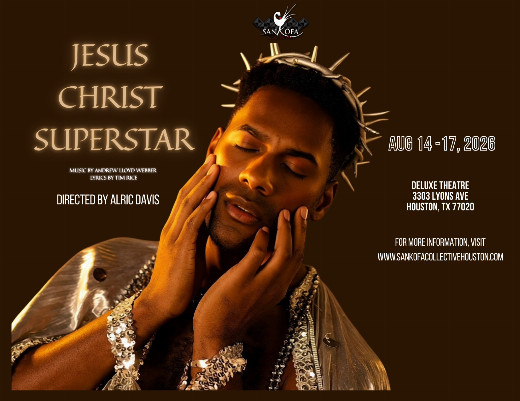
Jesus Christ Superstar Deluxe Theatre (8/14-8/17) |

|
Hardy WhiteWater Amphitheater (11/21-11/21) |

|
Come from Away Stages (9/18-10/18) |
|
PROOF 4th Wall Theatre Company (9/11-10/03) |
|
To The Bone Theatre Southwest (5/28-6/19) |
|
Richard O'Brien's THE ROCKY HORROR SHOW Art Factory (10/16-10/31) |
|
The Tavern by George M. Cohan Theatre Suburbia (7/24-8/22) |

|
Anarkali Reimagined Luxtrium (10/22-10/25) PHOTOS |
|
Ride the Cyclone HITS Theatre (8/15-8/15) |
|
An Old-Fashioned Family Murder Theatre Southwest (9/11-10/03) |
Reader Reviews
To post a comment, you must register and login.