


Interview: Mary Mulovhedzi of SOWETO GOSPEL CHOIR at Southern Theatre
Music has power no matter what language it is sung in
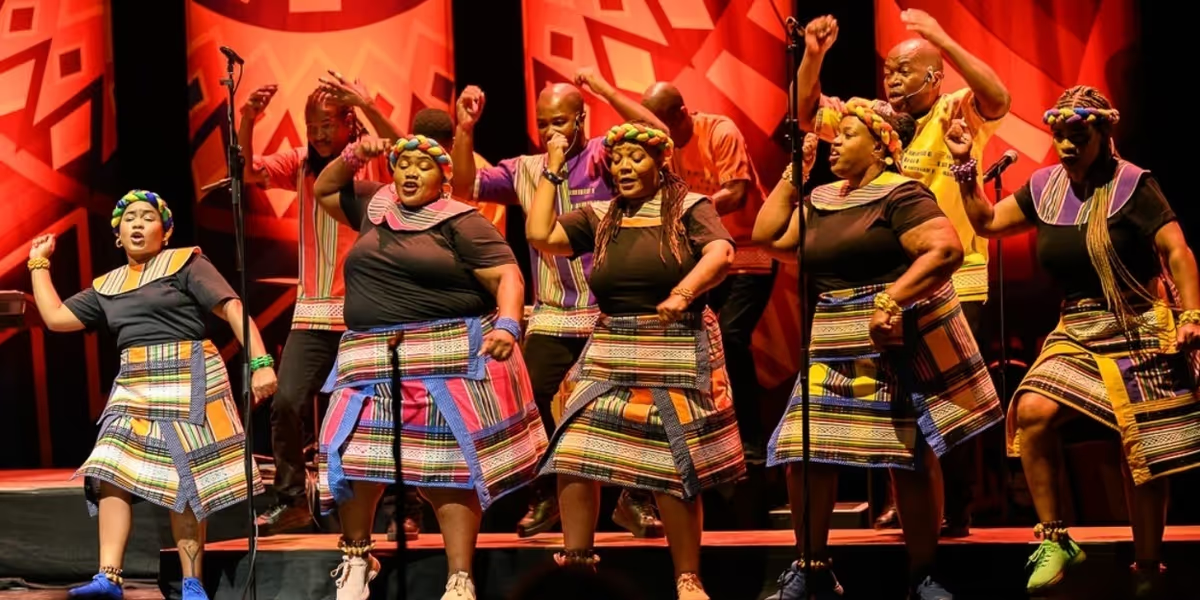
Music has been many things for Mary Mulovhedzi and the Soweto Gospel Choir. It has been her storyteller, her livelihood, her therapist and doctor, and her minister. On their current three-month world tour, Mulovhedzi hopes the choir can add “peacemaker” to that list. The South African choir will perform their message of peace and hope 7:30 p.m. Oct. 29 at the Southern Theatre (21 E. Main Street in downtown Columbus).
“This show is called Peace,” Mulovhedzi said in a telephone interview as the group was preparing to depart for Jacksonville. “Who doesn't need peace? Our world needs peace every individual day.”
Asked if there is one song that is a highlight for her, the singer paused and then stated diplomatically, “I love each and every song we sing just because they all have different meanings and it tells the story in a different way. If I choose one song, that means there's only one story I'm telling.”
In talking with Mulovhedzi, one gets the sense there are hundreds of stories behind the gospel choir. Some are sad, some are inspiring, and all of them are powerful. The mere creation story of the Soweto Gospel Choir reads like a movie script. According to an article in Time Magazine, the whole thing happened by accident.
In 2002, a Welsh choir was supposed to go on a tour of Australia and New Zealand but had to pull out at the last moment. The tour promoter called Beverly Bryer, a Johannesburg-based events coordinator, to see if she could find a South African choir to take the empty slot. Bryer contacted choirmaster David Mulovhedzi, Mary Mulovhedzi’s father-in-law, about creating a choir. Soon, the two auditioned hundreds of singers from Soweto and narrowed the field down to 32. Before embarking on the Down Under tour, the choir recorded "Voices From Heaven,” a 16-track album of South African songs alongside Gospel standards like “Amazing Grace” and a mix of Jimmy Cliff’s “Many Rivers To Cross,” Harry Belafonte’s “Going Down Jordan,” and the gospel classic “Amen.” In little over a week, “Voices From Heaven” was on top of Billboard’s world-music chart.
Six years after it started, the Soweto Choir captured two Grammy Awards as albums “Blessed”(2007) and “African Spirit (2008) won Best Traditional World Music Album. Yet David Mulovhedzi still had to balance his role as a choir director with his full time job as a financial clerk for a cement company.
These days, being a part of the Soweto Gospel Choir, which also won a 2019 Grammy for Best World Music Album for “Freedom,” is a demanding, full-time job. Mary Mulovhedzi still marvels of how the popularity of the choir has expanded.
“I’ve been there from the very beginning,” said the singer, who joined her late husband Mulalo on the original choir in 2002. “Some of the original members have grown up, gotten married with families and the younger ones are joining the choir.
“The choir has grown to the point where we’re known around the world and can travel around the world telling our stories. This is my full time job. This is what pays the bills.”
“What pays the bills” has allowed Mulovhedzi sing with some of music’s top luminaries and in front of some of the movers and shakers of the world. One of their most notable encounters was with Nelson Mandela, an anti-apartheid activist who then served as South Africa’s first president from 1994-99. In 2006, the choir began singing the Sesotho song “Hlonolofatsa” for the world leader when Mandela motioned for them to stop. According to a Sydney World Herald article, Mandela told the choir “No, you can’t sing this without me. Let me join you.”
The choir has also performed for a host of dignitaries including former presidents Bill Clinton and Barack Obama, King Charles, Bishop Desmond Tutu, and Oprah Winfrey. The list of performers the choir has sang with spans across many different genres: Beyonce, Chance the Rapper, Jimmy Cliff, Celine Deion, Aretha Franklin, Queen, Queen Latifa, Robert Plant, the Red Hot Chili Peppers, and Stevie Wonder to name a few.
The choir worked with Peter Gabriel for the song “Down to Earth” that played in the closing credits of the Pixar movie, WALL-E. The collaboration won a 2009 Grammy for Best Song from A Motion Picture, Television, or Other Visual Media.
Irish rock group U2 collaborated with the Soweto Gospel Choir, mixing together “Amazing Grace” and the band’s “Where The Streets Have No Name” for a 2010 FIFA World Cup advertisement. Before that, the choir joined Bono and The Edge for a gospel version of “One” at a 2003 AIDS Awareness Concert in Cape Town and then sang “I Still Haven’t Found What I’m Looking For” at Desmond Tutu’s 80th birthday celebration in 2011.
“I was very nervous, but I think he (Bono) was nervous too,” Mulovhedzi said with a laugh. “That was something you never, in your wildest dreams, thought would happen. Having that chance was an achievement. We're proud of ourselves and humbled too.
“We are teaching the ones that are coming after us, teaching the world about Soweto, and telling stories that were not told through music.”
Soweto was an epicenter of the movement against apartheid. It grabbed the world’s attention on June 16, 1976, when police open fired on students protesting having to learn Afrikaans, which many considered the language of the oppressor. Estimates of the death toll range from 176 to 600 people.
However, Mary Mulovhedzi said there’s much more to Soweto’s story than bloodshed. Bishop Tutu was from Soweto and Mandela and his ex-wife Winnie Madikizela-Mandela both owned houses in the area. It is a land that is rich in culture where residents speak 11 different tribal languages.
“It has so much history and it’s so beautiful,” she said. “People came to Soweto from several different places and we had to learn languages from all these different tribes. That is one of the best things about being in Soweto.
“A lot has changed (in my lifetime). We have better homes and schools. We have running water. Even our government has changed in South Africa. The fact we are in America telling the story of Soweto is one of the changes.”
THE HEALING POWER OF MUSIC
As proud as she is of the Soweto Gospel Choir, Mulovhedzi nearly walked away from it three years ago after her husband died of stomach cancer. She was afraid performing in the choir without him might be too much.
Instead, Mulovhedzi found her strength to get through her grief from the other choir members sharing their memories of Mulalo.
“Being together and praying with each other helped me get through it. We all went through the pain together,” the singer said. “Music has made everything easier. All the people here knew him, so each and every day it’s like I am still living with him and we are working together with the others.”
Mulovhedzi is a huge believer in the power of music.
“Music has the power to heal,” she said. “I just want to heal somebody from whatever might be hurting them. I think we are healers, we are doctors. We just use our music to do it.
“You have to prepare your soul and clear your mind as you’re getting ready to go on. I ask myself, ‘why are you sending this message?’ and ‘what does the message mean to you today?’ every day before I go out on stage.”
LIKE A PRAYER
Not only is music powerful medicine to help others heal, but it is also Mulovhedzi’s way of communicating with God.
“Singing gospel music for me is like praying,” Mulovhedzi said. “Every song has its own prayer. It's all about thanking God for everything He has done for us.”
Mulovhedzi said the strength and the power of the Soweto Gospel is that their music is universal. The choir mixes songs in their native tongues right alongside Sam Cooke’s “A Change Is Going To Come” and Leonard Cohen’s “Hallelujah.”
Yet audiences walk away from their shows with a deeper appreciation for South Africa even though they might not understand all the words the choir sang.
“We're singing, of course, in our language but when you come to watch our show, you’ll understand everything that goes on,” she said. “Our movements also tell our stories. It has meaning for people, even though they don't know our language.”
Perhaps understanding each other is the starting point for peace.
Photo credit: Stefan Meekers

Sign up for all the news on the Fall season, discounts & more...
|
Battle of the Books Riffe Center Studio 2 (9/25-10/18) |

|
Next to Normal Willis Theater (10/16-10/18) |
|
Romeo and Juliet Fritsche Theatre at Cowan Hall (2/11-2/20) |
|
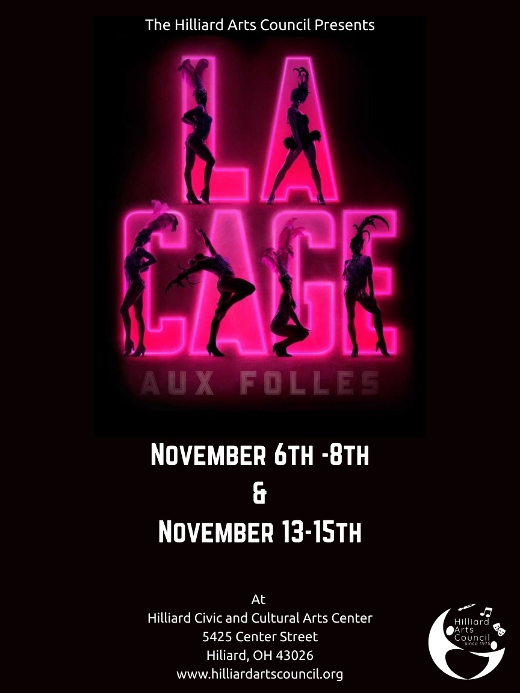
La Cage Aux Folles Hilliard Civic and Cultural Arts Center (11/06-11/15) |
|
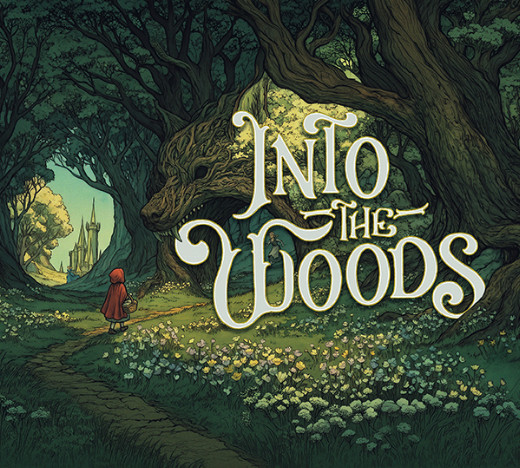
Into The Woods Fritsche Theatre at Cowan Hall (4/15-4/24) |

|
Screamers: A Nightmare-Fueled Sketch Comedy and Music Experience Shadowbox Live (9/20-11/14) |

|
Dinner Detective Columbus Embassy Suites Columbus (12/12-12/12) |
|
Wicked Ohio Theatre (7/28-8/15) |
|
Disney's Beauty and the Beast Ohio Theatre (1/30-2/07) |
|
Speak of the Devil: Shadows and Sounds of Ozzy and Black Sabbath Shadowbox Live (9/10-11/15) |
