

Student Blog: Building Your Creative Brand
How to Stand Out and Define Your Professional Identity
By: Student Blogger: Toni Marie Perilli Dec. 23, 2025

In today’s industry, being “just” an actor or “just” a stage manager is becoming a thing of the past. We are increasingly a generation of multi-hyphenates. But when you do everything, how do you tell the industry who you actually are?
Whether you’re seeking a job or prepping for auditions, you’ve probably had a professor or mentor tell you that you need to develop your personal brand. In a world where employment feels increasingly competitive, creating a brand helps stand out by highlighting your unique strengths before anyone reads your resume.
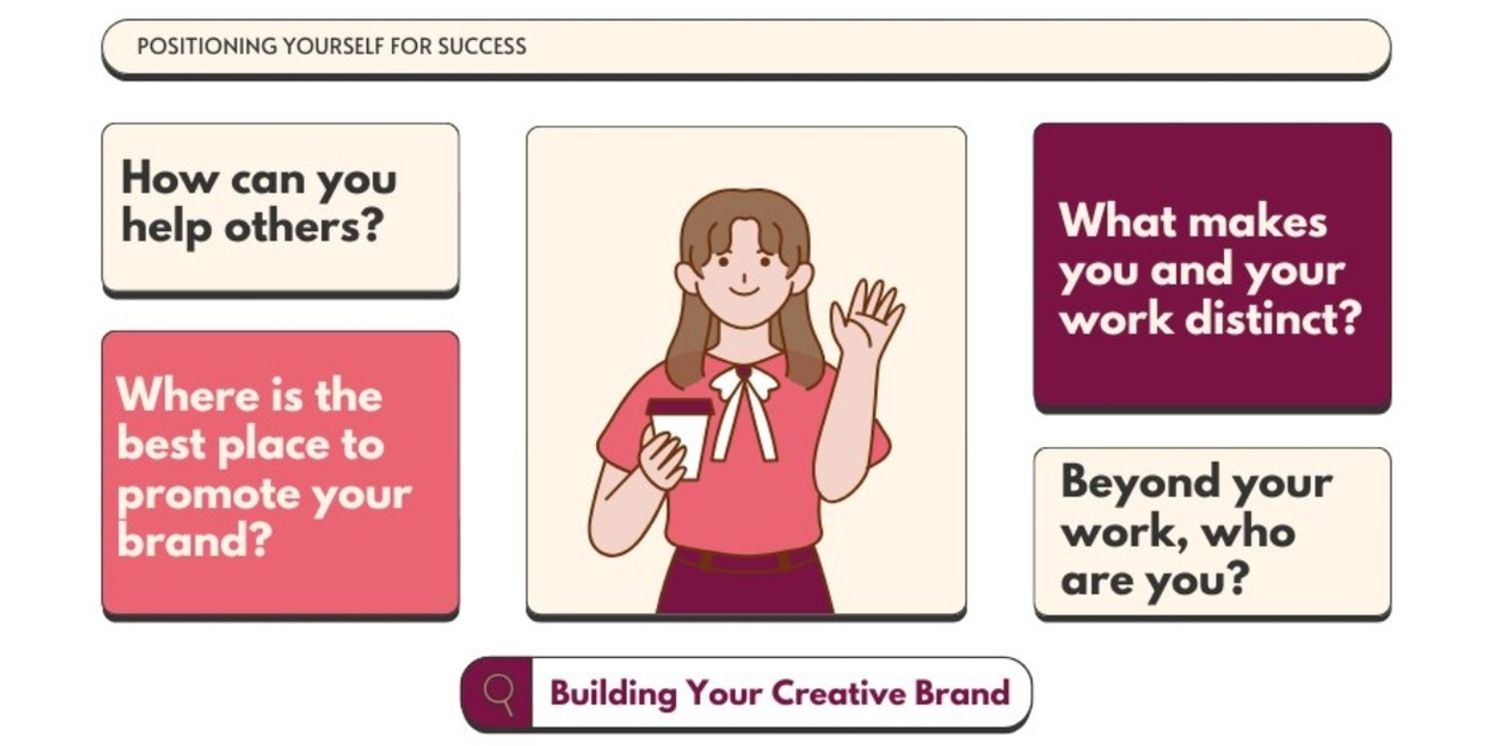
Creating a personal brand can seem daunting, but it will give you a significant advantage in job applications, auditions, and networking. To break it down, you can start by asking yourself five easy questions.
Beyond your work, who are you?
You need to be able to define yourself beyond your immediate job title and the company you work for. Especially if your goal is growth, you won’t want your professional identity to be linked to a job you won’t have one day or a company that you may no longer work for. What are the strings that tie your career and goals together? What makes your perspective unique? Do you have notable influences? The best way to think about this is to think about how you would want to introduce yourself to a room full of people who could potentially help you reach your goals.
How can you help others?
You have incredible talents, but not everyone will understand how your skills fit into the bigger picture. To connect deeply with your audience, clearly show how you can serve their needs. Making it easy for them to see your value will foster trust and appreciation.
What makes you and your work distinct?
Even with a clearly defined specialization and a niche, you’ll likely be up against other professionals with similar skills, specialties and backgrounds. Think of it this way: if you’re up against five other candidates with an identical skill set, what makes you different from them?
Especially in creative fields like theatre and media, an aesthetic and creative outlook can make a huge difference. You might be the most talented person in the room, but if your vision for your work doesn’t align with that of the director’s, you likely won’t be an excellent fit for the project. Conversely, if you’re a little underqualified for a project, but your perspective is the most aligned and your brand resonates with leadership, you have a better chance of securing an offer.
Where is the best place to promote your brand?
You’re developing your brand so you can stand out to managers, casting directors, recruiters or whoever else will help elevate you to where you want to be. This is where audience-centric communications come into play.
According to communications and public relations theory, there are two core forms of communication: speaker-centric and audience-centric. Speaker-centric communication emphasizes the speaker’s needs and delivery. Audience-centric communication, on the other hand, prioritizes the audience’s needs and frames messaging and placement to meet their needs.
Think of it like choosing a 16-bar cut. A speaker-centric approach is picking a song you love; an audience-centric approach is picking the song that shows the casting director exactly how you fit the role they are struggling to fill.
Identify where your target audience is most active. Whether on Instagram, LinkedIn, TikTok or in live, in-person spaces, this knowledge will help you focus your promotion efforts effectively. Understanding where your audience engages enables you to tailor your messaging and maximize your brand's visibility.
How can you best convey this information?
It’s one thing to build your brand, but it’s another to maintain it. After establishing how you want to present yourself, you must perform continuous maintenance and upkeep. Often, this involves setting a posting routine on social media, regularly updating materials such as your website and resume and consistently attending events and programs to support your community and expand your network.
Remember, your brand won’t be successful if it isn’t sustainable. However, you should be able to share your unique skill set with the world in a way that is feasible with your lifestyle and schedule demands. Posting three times per day, every day, isn’t reasonable. In contrast, setting a reminder to check and update your website once per month is highly attainable. You can also start small and scale up.
Getting started
The next time you walk into a room, remember that your brand has already walked in before you. You don’t have to build an entire brand overnight, though. Start with something as simple as your bio and edit to reflect the artist you’re becoming. Ask your trusted collaborators how they would describe you to someone who might want to consider you for a professional opportunity. Most importantly, make sure you’re telling the story you want people to hear!
Videos