


Theater Wit to Host CityTalk: A Series of Conversations on Assimilation, Antisemitism, and Culture
Events will take place from March 23 – May 9, 2025.
Theater Wit, in collaboration with the Crown Family Center for Jewish Studies at Northwestern and Northlight Theatre, will host CityTalk: A Series of Conversations on Assimilation, Antisemitism and Culture. This free, unprecedented series of curated talks and convenings with distinguished experts in Jewish history will be presented throughout the Chicago area, March 23 – May 9, 2025.
CityTalk crafts public conversation to create live, inclusive events to bring people together and encourage a humane perspective about safety, security and fundamental human rights for all. CityTalk invites everyone to take part and brings curiosity, courage and compassion to the table as we explore how the stories of our past shape the possibilities of our future.
CityTalk features presentations and discussions by nationally renowned scholars, artists and thought leaders, acting as a springboard for a space as nuanced and thoughtful as Prayer for the French Republic. These programs will explore historical, social and cultural themes of Jewish assimilation, integration and identity across America and Europe centered in an academic, humanistic, and intersectional perspective.
Jeremy Wechsler comments, “The questions raised by Prayer for the French Republic are too urgent, too layered, to be confined to a single production—even the largest in Theater Wit’s history. We need a city-wide conversation. CityTalk is our way of making that happen, offering Chicagoans a rare chance to grapple with the present through the lens of history. In this moment, Americans are being confronted with fundamental questions about safety, identity, and the nature of our society. We cannot navigate the choices ahead without understanding the peril. History and conversation is our best ally in the days to come.”
Winner of the 2022 Drama Desk and Outer Critics Circle Awards for Best New Off-Broadway Play, Prayer for the French Republic explores the profound and often painful intersections of faith, family, culture, and country — and what it means to be Jewish in the 21st century. Set in the shadow of Marine Le Pen’s far-right political rise, the play’s themes resonate deeply with the current cultural and political climate in America, where questions of assimilation, identity, and safety remain deeply urgent.
The events are free, and advance registration is required. For more information and registration, visit https://citytalkchicago.org/.
The CityTalk schedule is as follows:
Rebuilding Jewish Life in France After the Holocaust: American Jewish Aid and the Choice to Stay
Laura Hobson Faure, University Professor; Chair, Modern Jewish History at University Paris 1-Panthéon- Sorbonne
Date: March 26, 2025 at 7:00pm
Location: Mah Tovu Chicago, 7315 N Western Ave, Chicago, IL 60645
Laura Hobson Fauer’s book, A ‘Jewish Marshall Plan’: The American Jewish Presence in Post-Holocaust France examines the complex interactions, exchanges, and solidarities created between American and French Jews following the Holocaust. Through financial aid, cultural support, and institution-building, American Jewish organizations played a pivotal role in revitalizing French Jewish life. Yet, the decision to stay in France—rather than emigrate to Israel or the United States—was not just about material recovery. It was a deliberate act of reclaiming identity, belonging, and a future in the country that had betrayed so many of its Jewish citizens.
Jewish Identity and Edmond Fleg: Lessons for Today
Sally Charnow, Professor of Modern European and Postcolonial History, Jewish Studies, Women and Gender Studies at Hofstra University
Date: April 9, 2025 at 7:00pm
Location: Theater Wit
In this lecture, historian Sally Charnow explores the diverse forms of Jewish resistance in wartime France, drawing from her book, Edmond Fleg and Jewish Minority Culture in Twentieth-Century France (2021), to highlight how cultural survival became a form of defiance.
Antisemitism in France: Past, Present, and Future
with Maurice Samuels, Betty Jane Anlyan Professor of French and Chair at Yale University
Date: April 11, 2025 at 7:00pm
Location: Theater Wit
Drawing from his extensive research on 19th-century French Jewish history, including his award-winning book The Right to Difference: French Universalism and the Jews, Samuels examines the evolution of antisemitism from the post-revolutionary era to the present. He will discuss the rise of the so-called “new antisemitism,” characterized by its distinct features in contemporary France, and analyze the nation’s responses to this persistent issue.
The Arc of Memorial Vernacular: Holocaust Memory and the Evolution of Public Memorials
James E. Young, Distinguished Professor Emeritus, Founding Director of the Institute for Holocaust, Genocide, and Memory Studies at University of Massachusetts at Amherst
Date: April 24, 2025 at 2:00pm
Location: North Suburban Synagogue Beth El
Drawing from his book The Stages of Memory: Memorial Art, Loss, and the Spaces Between (2016), as well as his latest research, Young will explore how the design, intent, and reception of memorials continue to shift in response to historical and political currents. What should a memorial do? Who is it for? And how do different societies confront their pasts through public art? By placing Holocaust memory in conversation with other forms of memorialization, this lecture provides a framework for understanding how historical trauma is remembered—and reinterpreted—in contemporary society.
Assimilation After Revolution: Jewish Emancipation in Post-Revolutionary France
Adi Saleem, Assistant Professor of Romance Languages and Literatures and Judaic Studies at University of Michigan
Date: May 1, 2025 at 7:00pm
Location: Segal Visitors Center Auditorium, Northwestern Evanston Campus, 1841 Sheridan Rd
In this lecture, historian Adi Saleem examines the complex and often contradictory role of assimilation in French history by comparing two key moments: the debates surrounding the emancipation of Jews before, during, and after the French Revolution, and the shifting legal status of Algerian Jews and Muslims in the early colonial period.
Yiddish Paris: Jewish Cultural Pluralism and Antifascism in Interwar France
Nick Underwood, Assistant Professor of History and Chair of Judaic Studies at The College of Idaho
Date: May 3, 2025 at 2:00pm
Location: Theater Wit
Underwood explores the ways in which Yiddish-speaking Jews in interwar France navigated questions of belonging, pluralism, and political engagement. Drawing from his book Yiddish Paris: Staging Nation and Community in Interwar France (Indiana University Press, 2022), Underwood highlights key institutions—Yiddish theaters, cultural associations, and intellectual networks—that flourished during this period, fostering a unique synthesis of Jewish and French identity.
French Intellectuals and the Jewish Question: Antisemitism, Universalism, and the Shifting Politics of Jewish Identity
Jonathan Judaken, Goldstein Professor of Jewish History and Thought at Washington University in St Louis
Date: May 4, 2025 at 10:00am
Location: Congregation Rodfei Zedek - 5200 S Hyde Park Blvd in Chicago
In this lecture, historian Jonathan Judaken traces the evolving discourse around the “Jewish Question” in French intellectual life, exploring how key moments—such as the French Revolution, the Dreyfus Affair, the rise of fascism, and the Holocaust—have influenced national debates on Jewish inclusion, nationalism, and political belonging. As antisemitism resurges and political alignments shift, understanding these historical patterns provides essential insight into today’s challenges of Jewish identity, political belonging, and the broader struggle for justice.
Medieval Jewish Paris: A Virtual Tour
David Shyovitz, Associate Professor of History and Religious Studies, Director of the Crown Family Center for Jewish and Israel Studies at Northwestern University
Date: May 7, 2025 at 7:00PM
Location: Theater Wit
Long before the Jewish expulsion from France in 1394, Paris was home to a thriving Jewish community, deeply embedded in the city’s intellectual, economic, and religious life. Though much of that history has been obscured by time, its traces remain in medieval records, archaeological discoveries, and the streets of Paris itself. In this immersive virtual tour, historian David Shyovitz reconstructs the world of medieval Jewish Paris, exploring its vibrant culture, its struggles under Christian rule, and the forces that ultimately led to its disappearance. Drawing on historical texts, maps, and contemporary scholarship, this talk will bring medieval Jewish Paris to life, and explore broader themes of persecution, resilience, and the shifting place of Jews in medieval Europe.
American Jews, the Melting Pot, and Cultural Pluralism: Then and Now
Daniel Greene, Historian, US Holocaust Memorial Museum; Adjunct Professor of History at Northwestern University
Date: May 8, 2025 at 7:00pm
Location: Jewish Reconstructionist Congregation - 303 Dodge Ave in Evanston
Historian Daniel Greene explores the evolution of the melting pot metaphor and its alternatives, tracing the emergence of cultural pluralism—which envisions the nation as a federation of diverse ethnic groups, each maintaining its heritage while participating in a shared civic culture. Drawing from his book, The Jewish Origins of Cultural Pluralism: The Menorah Association and American Diversity, Greene examines how American Jews helped shape ideas of pluralism and influenced present-day debates about national identity, multiculturalism, and diversity.
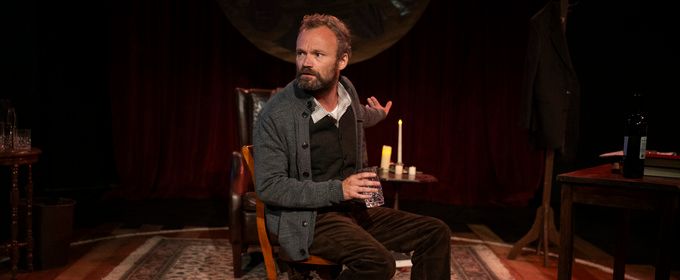
|
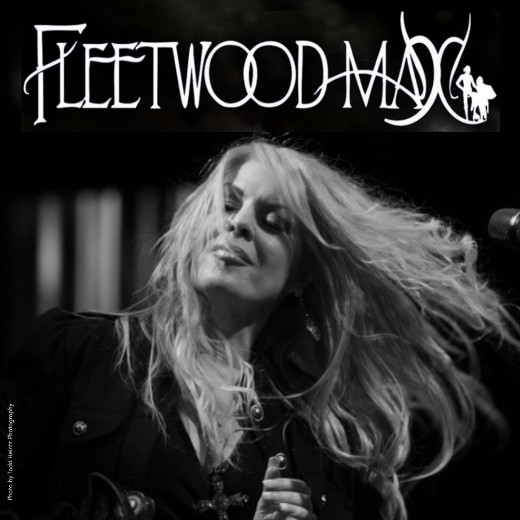
Fleetwood Max Raue Center For The Arts (10/03-10/03) |
|
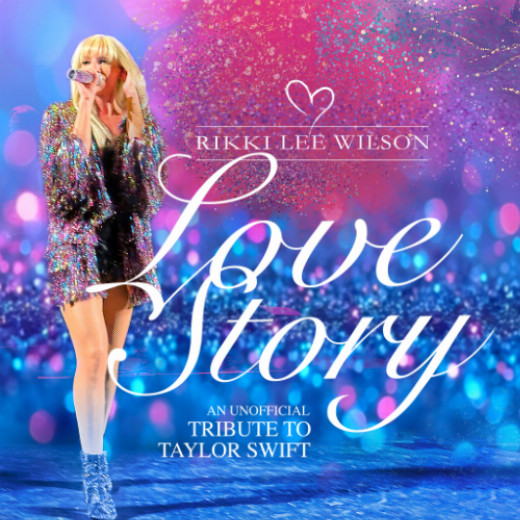
Love Story: A Tribute to Taylor Swift Raue Center For The Arts (11/07-11/07) |

|
Rotary Rocks The Raue: James Garner's Tribute to Johnny Cash Raue Center For The Arts (10/24-10/24) |
|
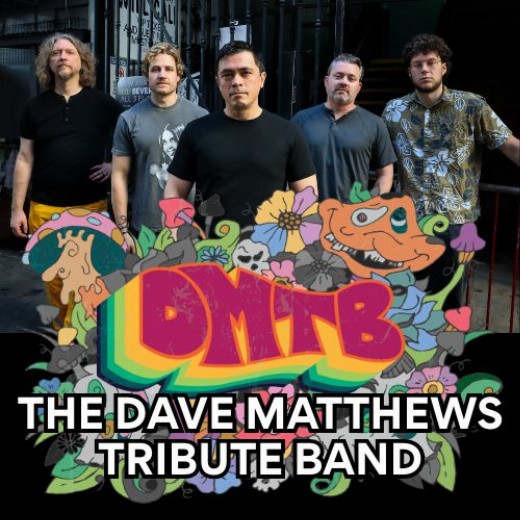
The Dave Matthews Tribute Band Raue Center For The Arts (9/25-9/25) |
|
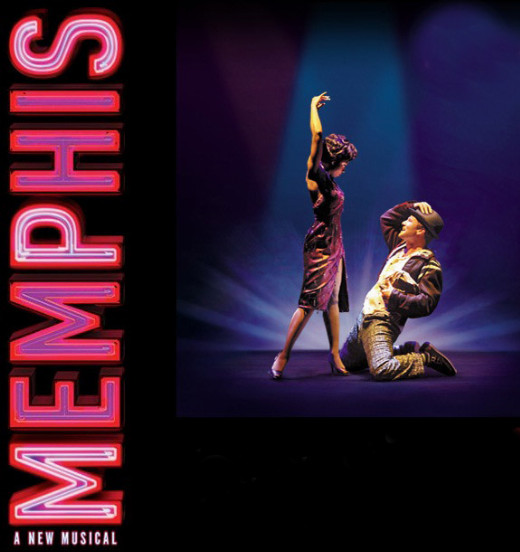
Memphis The Musical Studebaker Theater at the Fine Arts Building (10/24-10/25) |
|
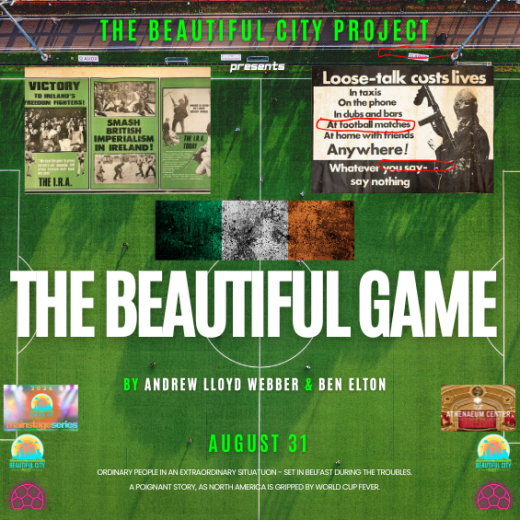
The Beautiful Game In Concert Athenaeum Center for Thought and Culture (8/31-8/31) |
|
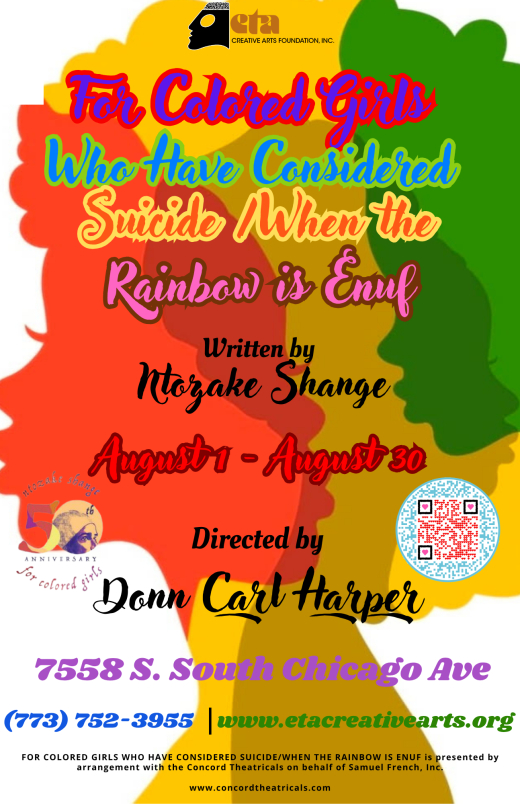
for colored girls who considered suicide when the rainbow is enuf eta Creative Arts Foundation (8/01-8/30) |
|
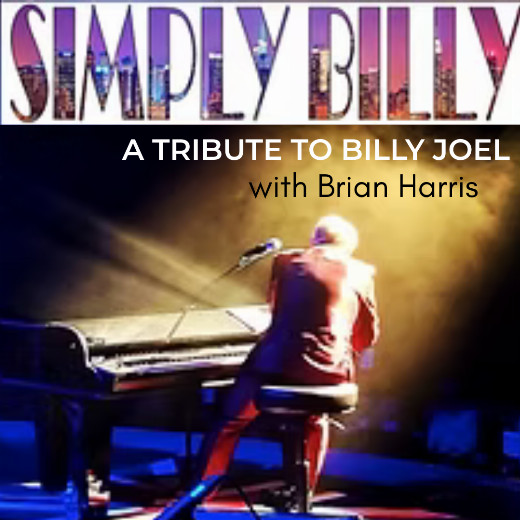
Simply Billy: A Tribute to Billy Joel Raue Center For The Arts (10/17-10/17) |
|
The Notebook James M. Nederlander Theatre (8/06-8/16) |
|
The Wizard Of Oz CIRCA 21 Dinner Playhouse (7/08-9/05) |