


The Cost of Creation: Heal the Artist, Save the Art
As we mark Mental Health Awareness Month this April, it is crucial that the conversation moves beyond awareness to action.

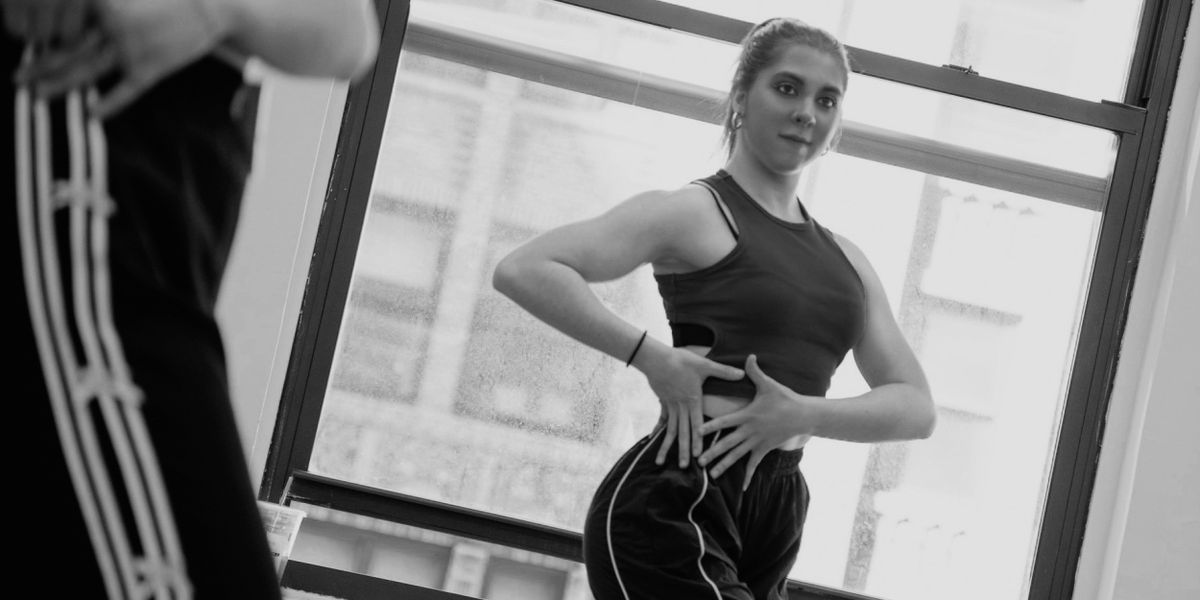
The performing arts demand a unique form of vulnerability. Artists, whether on stage or behind the scenes, share their deepest emotions with audiences, often at the expense of their own mental and emotional well-being. In an industry where perfectionism and emotional intensity are paramount, the distinction between the artist and their work becomes blurred, leading to mental health challenges that are often overlooked.
April, Stress Awareness Month, highlights the urgency of addressing mental health, with initiatives like USC's "Speak Your Mind" Ice Bucket Challenge bringing this issue to the forefront. But these efforts must move beyond awareness and prompt a deeper reflection on how we value the emotional and psychological labor that the arts demand.
Performing is inherently personal. Art forms like dance, theater, and music rely on emotional transparency between the artist and their audience, often celebrated for their beauty and authenticity. However, this vulnerability can take a significant toll on an artist’s mental health.
Performers also face an internal conflict. They are expected to be emotionally present while society encourages them to compartmentalize their own feelings, seeing their emotional labor as secondary to their craft. This creates a disconnect between their inner selves and public personas, contributing to mental health struggles.
The connection between mental health and the arts highlights the need for a major change in the industry. Many artists turn their mental health struggles into their art, but this can reinforce the damaging idea that suffering is necessary for creativity. Artists like Van Gogh and Sylvia Plath are often celebrated for their mental health struggles, but this idea downplays the importance of mental well-being and wrongly suggests that suffering is a key part of artistic genius.
Initiatives like “Speak Your Mind” have the potential to challenge this myth and encourage a shift in perspective—one where mental health is viewed as foundational to creativity rather than an obstacle. By prioritizing well-being, we can foster environments that support both the artist and the art, with accessible mental health resources, therapy, and resilience-building practices. This ensures that artists are not forced to choose between their creativity and their mental health.
As we mark Mental Health Awareness Month this April, it is crucial that the conversation moves beyond awareness to action. The performing arts industry must dismantle the stigma surrounding mental health and prioritize the well-being of its artists. It is time to push for lasting change—one that ensures artists can thrive in a supportive, healthy environment, free to create without sacrificing their well-being.