Malti’s Emotional Collapse Viewed Through a Compelling Visual Language
Malti, the woman and the film, explores spaces which are emotionally frightening but also very real.
Written by: Winston Scott
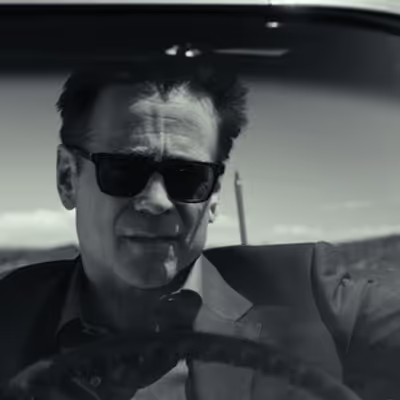
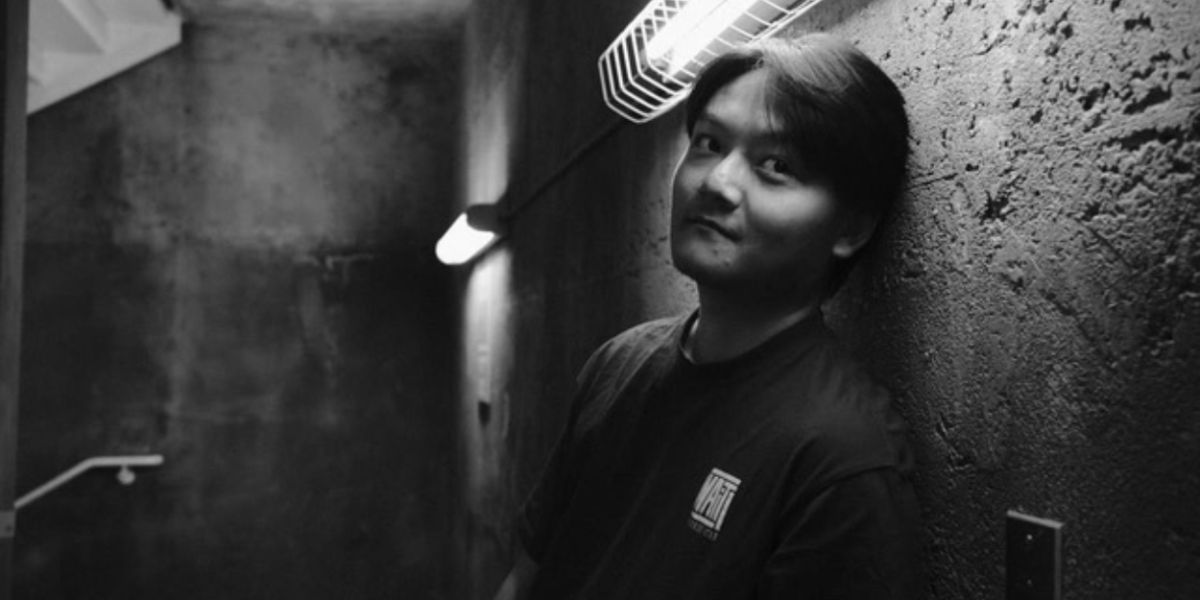
Director Mrunal Mestri’s Malti is proof that a film can be both culturally rooted and universally relatable. The story of a marriage in India which has been hollowed out, Malti is conveyed in a perhaps unintuitive manner but one which achieves great success in its intention. The absence of dialogue in this film is initially noticeable until the visual style lulls viewers into a space where its striking conviction makes words unnecessary. The filmmakers have taken a big risk in this approach, but it pays off as the audience is provoked to explore the mostly solitary existence of a wife who ignores the truth of her situation. Malti, the woman and the film, explores spaces which are emotionally frightening but also very real. It relies heavily on the cinematography of Zhen “Donny” Li who exhibits in this film all the skill of a true master of the medium. From Hollywood to Mumbai, Malti has been heralded as great cinema while receiving numerous awards including Best Film at the Indian World Film Festival and Best Screenplay at the World Film Carnival in Singapore, as well as others like the Hollywood Reel Independent Film Festival and Tagore International Film Festival.
Malti (Kankana Chakraborty) and her husband Jai (Andre Forrest) have an unspoken marital détente. The underlying current of uncomfortability is something they’d both prefer to avoid, while its source is tragic for their union. Even in their most physically intimate moments, the chasm between their feelings is leagues wide. Nowhere is this so apparent as when they share their bodies By design, the scene in which this happens subverts the usual associations we have with intimacy—what should represent connection instead becomes a visual expression of absence and alienation. This is not a scene about sexuality—it is about emotional erasure. While the rest of the film is in black and white, when Malti closes her eyes to retreat into her imagination she is confronted by shocking vivid colors as she fantasizes about Jai showing his affection to another woman. This sudden shift is both disorienting and intimate. The warmth and brightness of the fantasy casts an even harsher tone on Malti’s reality with Jai. In a later scene, as Malti literally uses fire to alter the course of her marriage, it’s the cinematography rather than exposition which levitates the emotions of the characters. Donny Li describes, “From the very beginning, we knew this film would rely heavily on visual storytelling. Mrunal [the director] had intentionally written the script without any dialogue, which meant that every emotion, every shift in the character’s interior world, had to be conveyed through images alone. Malti wasn’t originally conceived as a black-and-white film. I brought this idea to Mrunal, and I had a creative relationship where we both felt free to propose bold, unconventional ideas, knowing we could then work through the practicalities and ask: does this serve the narrative? Does it deepen the emotional experience? That freedom—to question, to experiment, to refine—is something I deeply value. It allowed us to build a visual language that felt not only stylistically cohesive, but emotionally honest.”
It’s notable that Malti marks something of great significance in Indian cinema; that is, a noticeable rise in films that explore women’s inner lives with sensitivity and nuance. There are more independent voices, especially from female directors, who are stepping forward to tell these stories. This evolution is not only important for representation, but also enriching for the artistic language of Indian cinema as a whole. As a male cinematographer at the center of this shift, Donny Li professes, “One of the most rewarding aspects of working on Malti was the opportunity to collaborate with filmmakers from a different cultural background. Each such collaboration offers a unique learning experience, and this project was no exception. It allowed me to immerse myself in a storytelling tradition distinct from my own, broadening my perspective as a cinematographer.”
Image credits: Mrunal Mestri