


Review: “Sons of Echo” is a Masterful Exploration of the Men Behind the Bravura
Five male principals, four female choreographers, and one unforgettable evening that redefines what ballet can be
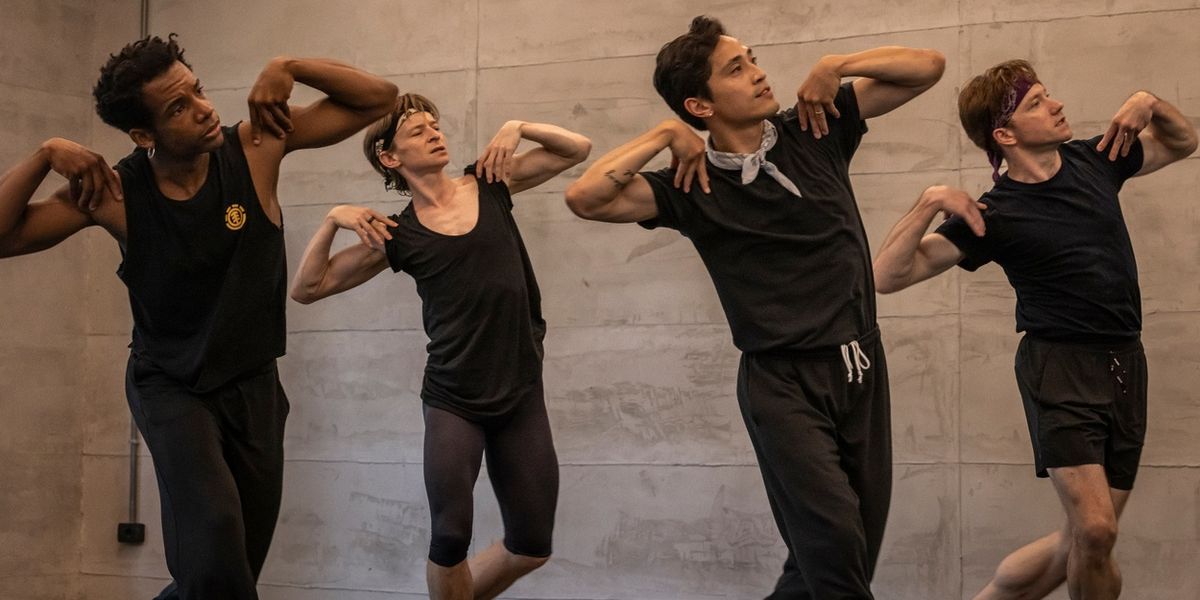
The stage is set: Dancers spread out in various warm-up attire go through a traditional barre. Some balance, some stretch, some just check in with each other. The house lights are on. The audience waits, talking and texting, but the joke’s on them -- the show has already begun. The barre tableau is not just a nice behind-the-scenes moment but the introduction to the first piece of “Sons of Echo.”
“Sons of Echo,” which premiered January 14th at The Joyce Theatre, brings together five male principals—Daniil Simkin (former American Ballet Theatre), Jeffrey Cirio (Boston Ballet), Osiel Gouneo (Bayerisches Staatsballett), Alban Lendorf (Royal Danish Ballet), and Siphesihle November (The National Ballet of Canada)—for an evening of classical precision and contemporary work from renowned choreographers Lucinda Childs, Tiler Peck, Drew Jacoby, and Anne Plamondon. 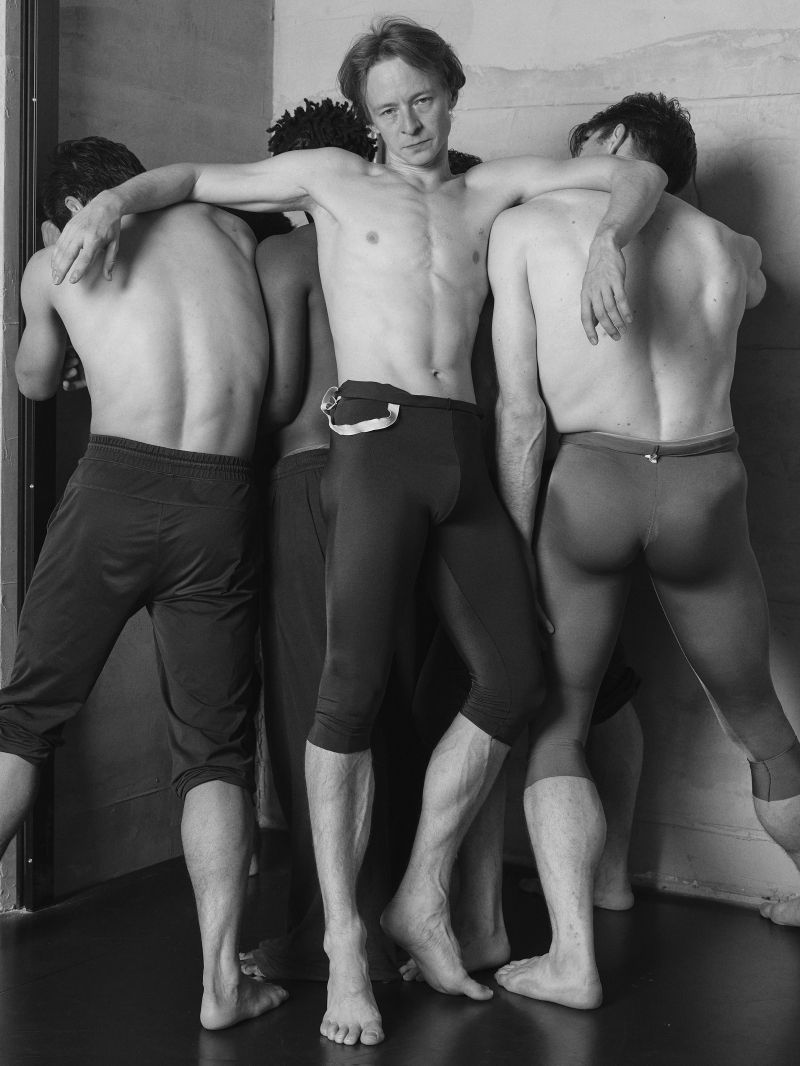
The evening begins with the delightful con where the dancers “pretend” to go through a traditional class. Literally titled "Class," the piece features the five dancers, plus a surprise guest appearance from former ABT star Maria Kochetkova, going through the paces of a traditional ballet class under the direction of a delightfully charming and awkward ballet master, Tomas Karlborg. Every dancer's nightmare is adagio on stage in front of an audience. Yet the earnestness in how the dancers interact with what is both skit and voyeuristic delight is masterful. It feels intimate and deeply funny—Karlborg calls for pirouettes until the end of the music like this is normal, because in ballet, it is. Magnificent turns in à la seconde land, or not. Sky-high leaps soar over the audience, then a new ending is choreographed—not quite what Karlborg meant. A pianist plays alongside the dancers, getting "scolded" for going too slow or too fast. "Class" is unmissable because it makes ballet accessible, more human, by exposing raw technique in dancers at the height of their careers. It perfectly captures the cult of personality and obsession that exists within and around the art form.
"Class" primes audiences to appreciate artistry and to engage with the meditative quality of ballet, which makes Lucinda Childs' "Notes" the perfect follow-up. Quiet, thoughtful, rhythmic as a heartbeat, Childs' work is trance-like yet still propulsive. "Notes" has a pressurized effect without losing Childs’ signature elegance and love of stillness. Though her work can feel distant to audiences who prize spectacle, the restraint and intentionality here is far more impressive than any three-act ballet with sparkly tutus.
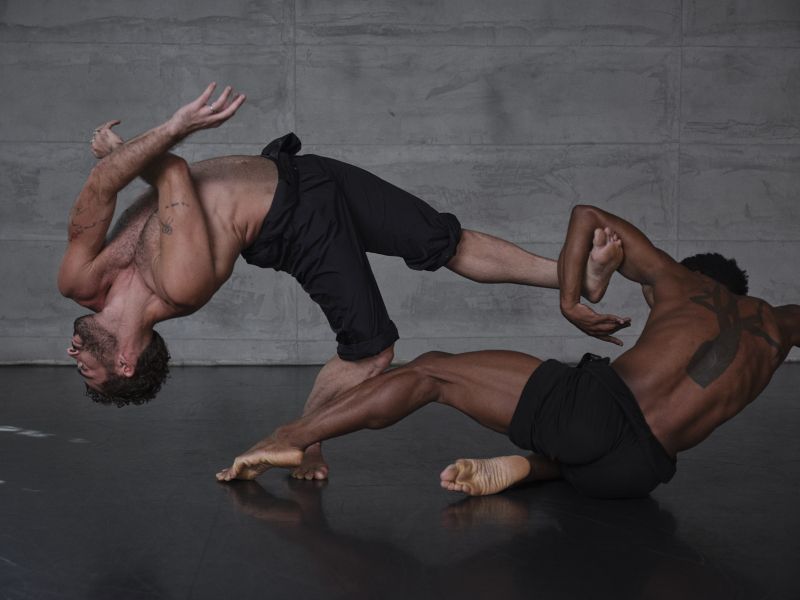 Tiler Peck's "Real Truth" is one of her best works. Grounded and honest without being too self-referential or aware, it asks audiences to explore ego death while being thoroughly entertained and inspired. The music—Gregory Porter's "Real Truth"—perfectly complements the choreography, letting audiences feel like they're being told something about ego without it being heavy-handed. Where the piece really excels is in showing what male dancers can do when they're not lifting female ballerinas or jumping sky-high. The dancers, particularly Lendorf, are the most embodied any dancer has been on a stage. That's talent—also a necessity for artists—and it's nice to see Peck offer that to the cast.
The evening ends with Drew Jacoby's "Jack," a fun, technically rigorous, totally unserious romp. The classically-trained cast deftly adapts to this very contemporary, very stylized piece, showcasing their range and aptitude. Reminiscent of An American in Paris yet sassier, more modern, more camp, it's made even better by its costuming—neon muscle shirts and black tights. Suddenly our male dancers are ballet superheroes.
Simkin's creative direction ensures that what “Sons of Echo” does exceptionally well is emotional titration. Each piece builds and nothing is one-note or exhaustive. There are moments when emotion is unclear or the takeaway feels uncertain—odd in a collection that otherwise coheres so meaningfully around masculinity. But even those wobbles do not detract from what this evening offers: a chance to appreciate ballet, to understand what male dancers do on stage, what technique means, and where the line between contemporary and classical blurs. “Sons of Echo” resurrects the idea that art can be meaningful, explorative, beautiful, and challenging without being pedantic or heavy.
Sons of Echo runs January 14–25 at The Joyce Theatre.
Sign up for all the news on the Fall season, discounts & more...

Reader Reviews
To post a comment, you must register and login.