



Season 2, Episode 5: Behind every summer is a community that keeps Fire Island alive. This episode explores the history of the beloved Pines Pantry through the eyes of its iconic Pantry Girls, alongside the volunteer firefighters of The Pines and Cherry Grove who protect the island from fires, hurricanes, beach erosion, and an uncertain future.
What Is Binaural Sound? What to Know About the Technology Changing How Theater Is Heard
‘A Ghost in Your Ear’ and the upcoming 2027 Broadway revival of ‘Macbeth’ are among the productions exploring a new auditory experience.
By: Michael Gioia
0:00 / 0:00
Presented by
 Click for Tickets
Going to the theater is always an experience unlike any other. Audiences get to see the action play out live before their very eyes, but some productions are becoming even more immersive through sound.
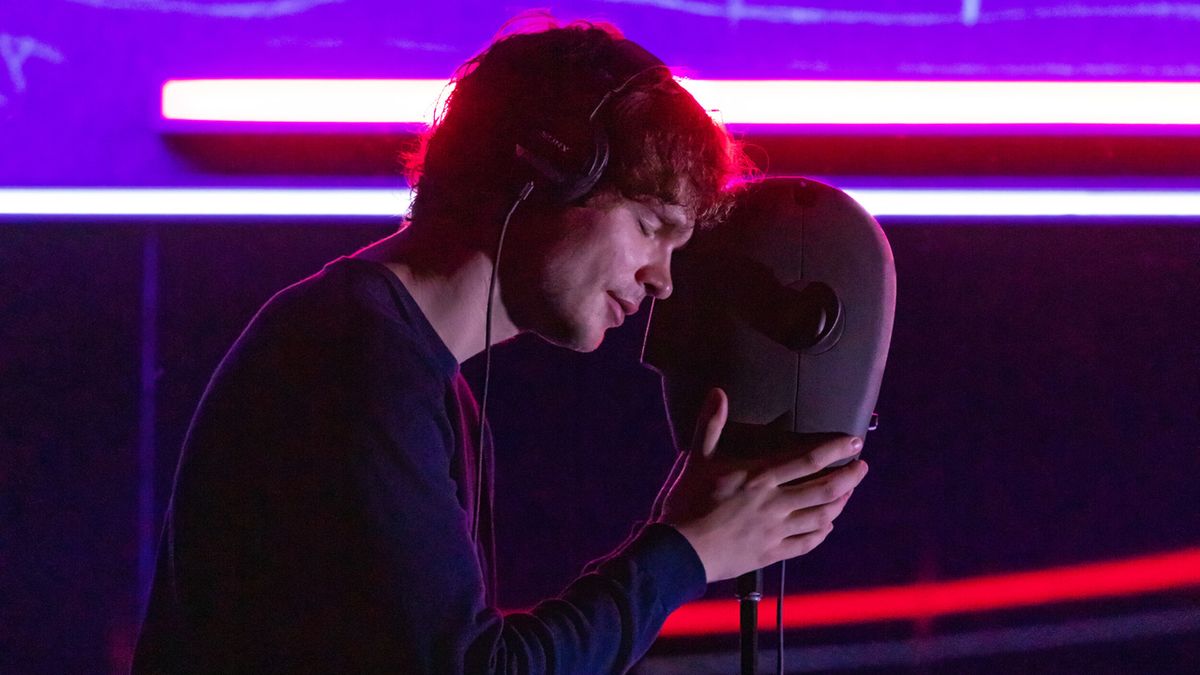
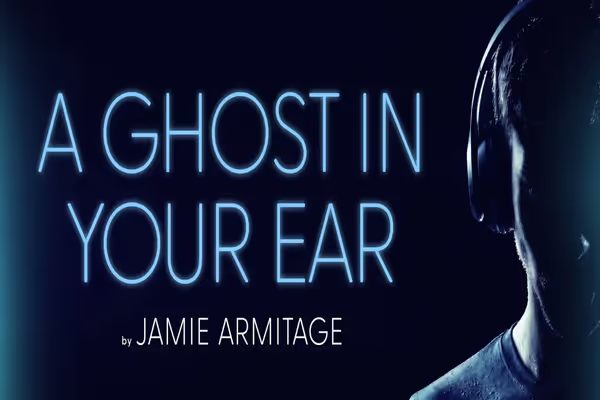
Binaural sound technology is being used in shows to give theatergoers a new way of experiencing what they hear. This season, Off-Broadway’s A Ghost in Your Ear — currently playing at Audible’s Minetta Lane Theatre downtown through December 12 — is using binaural sound to scare audience members out of their seats. “It’s kind of a love letter to binaural audio and binaural sound, which is a technology I’ve been obsessed with ever since I saw Simon McBurney’s The Encounter,” writer and director Jamie Armitage exclusively tells BroadwayWorld.
It was recently announced that Anthony Mackie will lead the upcoming 2027 Broadway transfer of Macbeth, whose London production used binaural technology to create a more intimate theatrical experience
Read on to learn more about what binaural sound technology actually is and how it works.
What is binaural sound?
Binaural technology is used to create 3D sound that makes listeners feel as though voices, instruments and other noises are coming from different directions around them.
According to Brandenburg Labs, binaural audio “includes additional cues, such as subtle timing differences, volume variations, and frequency filtering shaped by the human head and ears.” When it is played back via headphones, it may give listeners an “extraordinarily vivid sense of place,” and you can perceive sound “coming from behind your head, above your head, or even moving around it.”
Brandenburg Labs said that the technology has actually been around for years. In 1881, French inventor Clément Ader created the Théâtrophone, which used two telephone receivers to transmit a live opera performance to listeners in both ears.
How does binaural sound work?
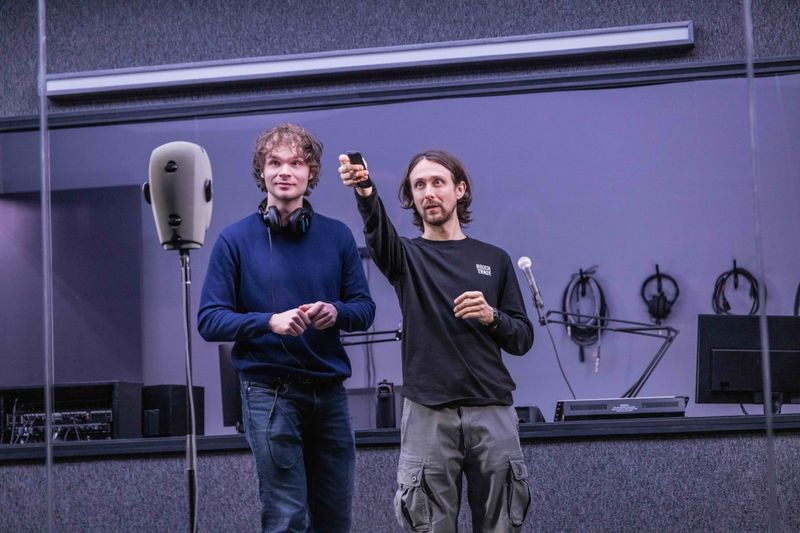
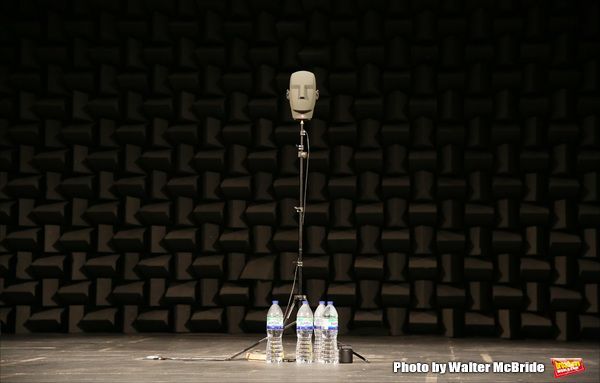
Binaural recordings can be created using two microphones positioned to capture sound as it would naturally reach a listener’s ears. According to Splice, one of the best ways to record binaural audio is by using a “dummy head,” which “houses two small microphones within its ears” and “can even include a neck and torso.” Splice notes that “these surfaces are important to consider when you think about how sound waves travel and bounce off parts of the human body before actually reaching the eardrums.”
Artificial ears, the shape of the head and digital processing can also play important roles in how binaural recording is created.
Binaural is widely used in ASMR videos, where whispers or tapping can be heard in different positions around the listener.
What theater productions have used binaural sound?
When it comes to A Ghost in Your Ear, Armitage tells BroadwayWorld, “I was obsessed with how powerful that 360-degree audio is and the ability to make it feel like somebody is whispering in your ear from the position they are in relation to the microphone.”
In creating the immersive audio horror story for the stage, “There was a huge focus on the sounds of it,” Armitage explains. “So even before anything scary happens, when he’s walking along, we’re talking about the mud squelching under his feet. I got very visceral with the descriptions of the sounds so that it just puts you into this listening space.”
“I always think of it as your ears are on edge, and they’re just waiting to be played with,” Armitage says.
As BroadwayWorld previously reported, The Donmar Warehouse production of Macbeth in London featured a unique sound design by audio designer Gareth Fry, who created a binaural sound system that requires the audience to wear headphones while the actors speak their lines into microphones.
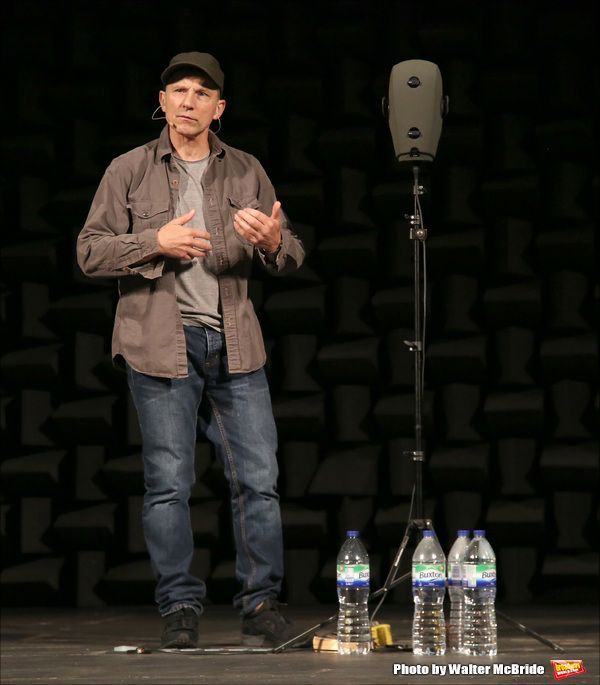
“The microphones and the sound aspect of it is interesting because you in the audience can hear everything, you can hear every whisper, you can feel every emotion,” Mackie said. “So instead of having to project to the back of the house, the house comes to the stage.”
In 2017, Fry and fellow sound designer Pete Malkin received a Special Tony Award for their sound design of Simon McBurney’s one-man play, The Encounter, for which audience members needed to wear headphones. The Encounter tells the true story of National Geographic photojournalist Loren McIntyre, who became lost in a remote area of Brazil in 1969, and traces his journey into the depths of the Amazon rainforest.
Ella Hickson’s thriller Anna at London’s National Theatre in 2019 also used individual audio headsets to give “every audience member the opportunity to be psychologically inside a moment in history that is hard for us to imagine today,” she said.
Other productions that have used binaural technology include Blindness, an immersive audio installation adapted by Simon Stephens that premiered at London’s Donmar Warehouse; and Audio Guide, an original musical in development in which audience members will wear headphones and experience the story through binaural sound.
Photo Credit: Matthew Murphy, Walter McBride
Breaking Broadway alerts by text
Get the biggest stories sent straight to your phone.
Broadway news in your inbox
Weekly top stories - unsubscribe anytime.
Weekly top stories - unsubscribe anytime.
|
Powered by

|
Popular episode



Tickets From $70

Tickets From $135

Tickets From $58

Tickets From $67