



Season 2, Episode 5: Behind every summer is a community that keeps Fire Island alive. This episode explores the history of the beloved Pines Pantry through the eyes of its iconic Pantry Girls, alongside the volunteer firefighters of The Pines and Cherry Grove who protect the island from fires, hurricanes, beach erosion, and an uncertain future.
Student Blog: Listening for Credit
I discovered Rufus Wainwright because Jonathan Groff mentioned him in a 2006 interview, which is usually my gateway drug to new cultural discoveries.
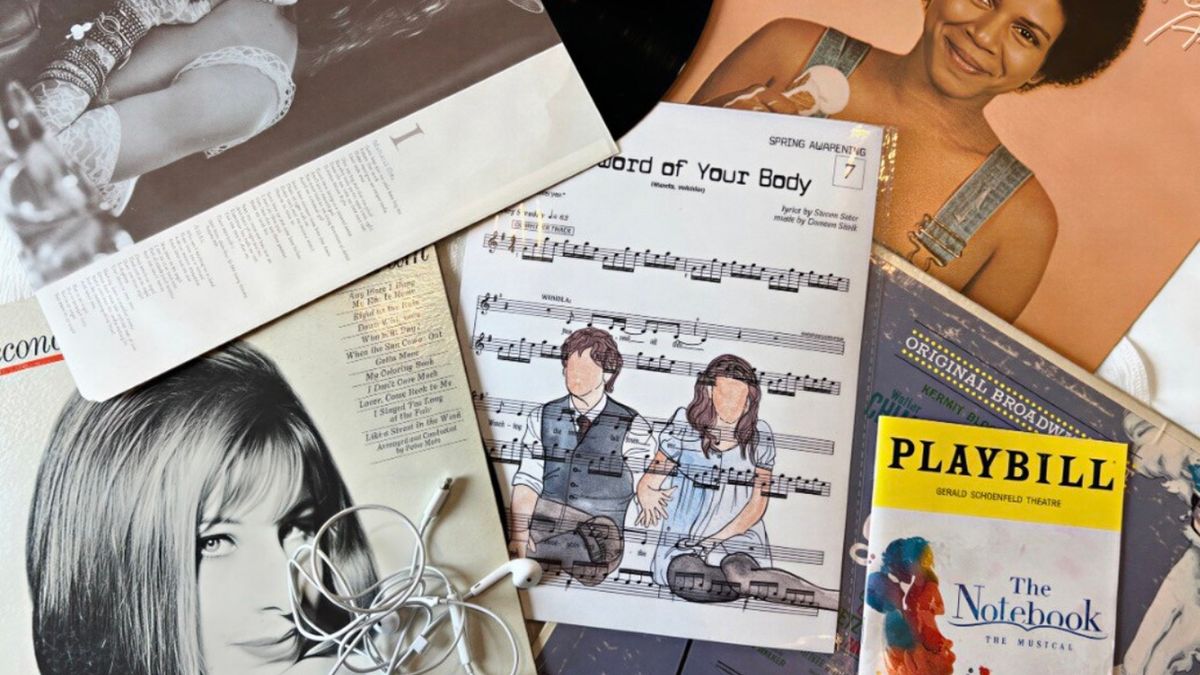
I discovered Rufus Wainwright because Jonathan Groff mentioned him in a 2006 interview, which is usually my gateway drug to new cultural discoveries. I responded the way I usually do: How had I missed this, and what other fabulousness did everyone apparently know without telling me?
I pressed play. He sounded strange to me. I stopped listening.
Then I went back.
That last part should probably be the whole story, right? Something unfamiliar caught my attention, and I wanted to hear it again. That used to be enough for me. But somewhere between the joy of watching Glee and writing this article, I’ve started turning curiosity into proof of taste. I’ve found myself reading musical librettos that reminded me of my fourth-grade diary—tucked in a dresser drawer for good reason—and watching recordings of the Tonys from so far back that the recipients hardly bothered showing up. The line between wanting to seem cultured and enjoying the culture had become as blurry as those Tony bootlegs.
I had developed an irrational fear of missing a reference that even first-world problems would scoff at. I mean, how often is someone going to test an aspiring physician on her ability to know the current and former names of all of the Broadway theaters? Not often.
Nobody assigned that test. There is no professor. Still, I’m going ballistic over my grade.
School has trained me to respond to what I don’t know by studying it. In calculus, this is useful: if I don’t understand a concept, I practice until I do. There are answers, explanations, and typically an answer key online to tell me where I went wrong.
Listening is less cooperative. I can read about an album, learn when it came out, and identify its influences, but none of that guarantees I’ll enjoy the next song. Apparently, knowing the context and responding are separate activities. Inconvenient, I know.
The trouble starts when I begin treating my taste like evidence of my intelligence. Suddenly, I’m listening with an evil twink on my shoulder who knows every lyric and finds my late arrival embarrassing. I could be finding a new favorite song. Instead, I’m curating a Spotify Wrapped that would be Helen-Shaw-approved.
The same impulse follows me into theater. There’s always another composer, play, cast recording, or production I haven’t encountered. I love that abundance until I start treating it like a backlog. Then I can almost see a faint “Listen to Heated Rivalry OOBCR” on my Canvas To-Do List.
With Wainwright, though, my first reaction didn’t settle anything. His tone felt unfamiliar, and I kept returning anyway. I wanted another listen before I knew what I thought. There was pleasure in that uncertainty, even if the applause addict in me would have preferred a “Marvelous Discovery!” written in blue pen and a standing ovation.
I’m trying to leave more room for that kind of encounter: listening twice, disliking something, changing my mind, following one song somewhere. My interests have expanded because I’ve made an effort. I don’t want to lose the effort; I want to stop treating it like an audition.
For now, I still keep a list in my notes app of everything I want to hear and read: from Mame to a William Dorsey Swann biography. Lists are totally useful. But I’m trying to remember why I added each title in the first place. Before the urge to catch up, there was usually a moment of curiosity.
I want that moment to have more say in what I press play on next.
Broadway news in your inbox
Weekly top stories - unsubscribe anytime.
Weekly top stories - unsubscribe anytime.
Popular episode




Tickets From $70
Tickets From $135

Tickets From $58

Tickets From $67