Student Blog: Good Seats, Better Conversations
Exploring the symbiotic relationship between art and audience, and why a spring reset should involve community at its core.

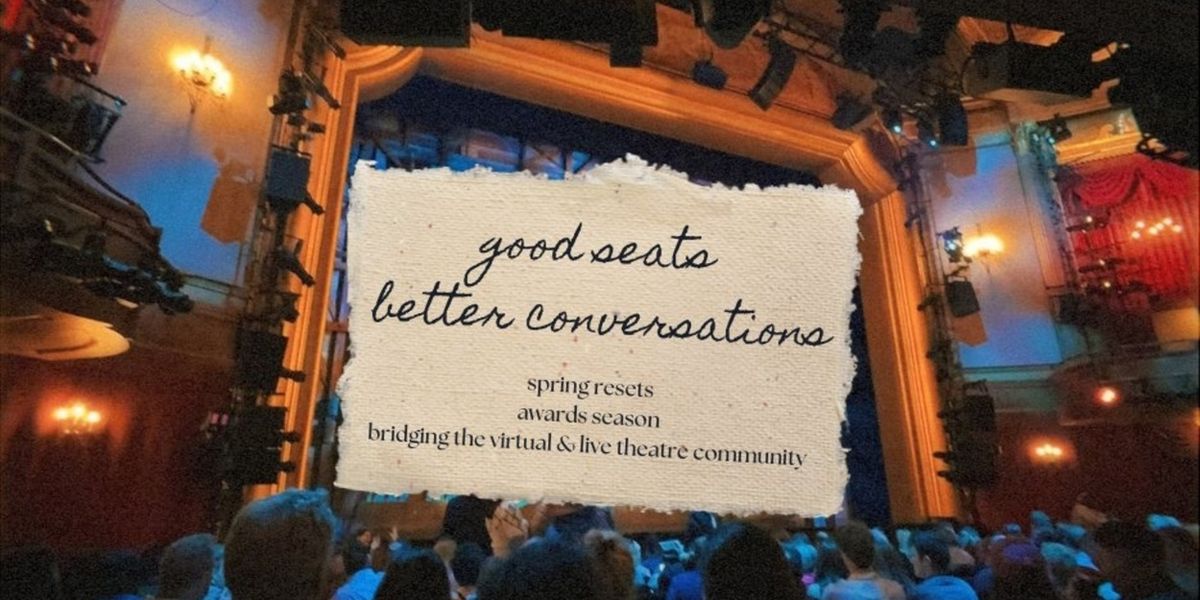
With spring blooming and the world feeling like it’s coming alive again, the theatre industry seems to follow suit with its most bustling few weeks of the year. As award season deadlines loom, red carpets are rolled out almost nightly and theatre lovers are racing to be the first to discover the hot new ticket. With so many new shows, exciting revivals and award nomination announcements happening in such a short period, heated conversations abound.
Historically, the buzz surrounding a show would take off once critics’ reviews hit the newsstands after opening night, but with the rise of theatre-focused internet communities, word of mouth spreads like wildfire as early as the intermission of a first preview. In some ways, having such specific audience feedback gives creative teams a precise roadmap of where to focus their revisions. At the same time, however, the hyper-critical commentary can feel like an unfair and early disadvantage to a production’s success. There’s a lot to be said about the purpose of previews, the place of theatre influencers and the perspective of early audiences, but there truly isn’t a better time to explore all of this than April in the Theatre District.
Audiences and art have always had a symbiotic relationship, but as technology has evolved, so has the theatre community's interaction on both sides of the proscenium. As a communications student, I spend a lot of time reading Reddit threads and TikTok comments, not just for my own enjoyment. As both an audience member and a young professional, it’s fascinating to see trends in audience critique, and it's most exciting when shows actually engage with that conversation. Whether coincidence or intentional response, “The Lost Boys” brought its signature post-credit scene back after hundreds of audience members cried for its return.
As the last of this season’s shows celebrate opening night and the industry’s focus shifts towards awards season, I’ve started to reflect on how I can put community at the heart of my work. It’s not a new notion that audiences feel more connected to brands they can engage more with; this very philosophy is what drives most development teams and campaigns. To keep advancing what this kind of engagement looks like, it means exploring beyond what’s most popular. Where is the most discourse, even beyond Reddit and TikTok? Do critics’ reviews lead to any shift in traditional audience sentiment? How can digital experience serve as an extension of live experience?
So this spring, my fresh start looks less like a blank page and more like an open question — several of them, actually. As the curtain rises on a new awards season and the discourse reaches its annual fever pitch, I strive to be a more intentional participant. That means going beyond scrolling and consuming, reflecting more deeply about what I'm noticing in real time and considering how this new knowledge can shift how I show up in the theatre space. If this is the season of new beginnings, maybe the best thing I can do is show up a little more curiously than before and, most importantly, engage as a good seat neighbor.