



Season 2, Episode 5: Behind every summer is a community that keeps Fire Island alive. This episode explores the history of the beloved Pines Pantry through the eyes of its iconic Pantry Girls, alongside the volunteer firefighters of The Pines and Cherry Grove who protect the island from fires, hurricanes, beach erosion, and an uncertain future.
Student Blog: An Interview with Tony Award-Winning Broadway Producer: Hunter Regian
As a Theatre Performance and Production student at Texas State University, I often find myself wondering what life after college will look like
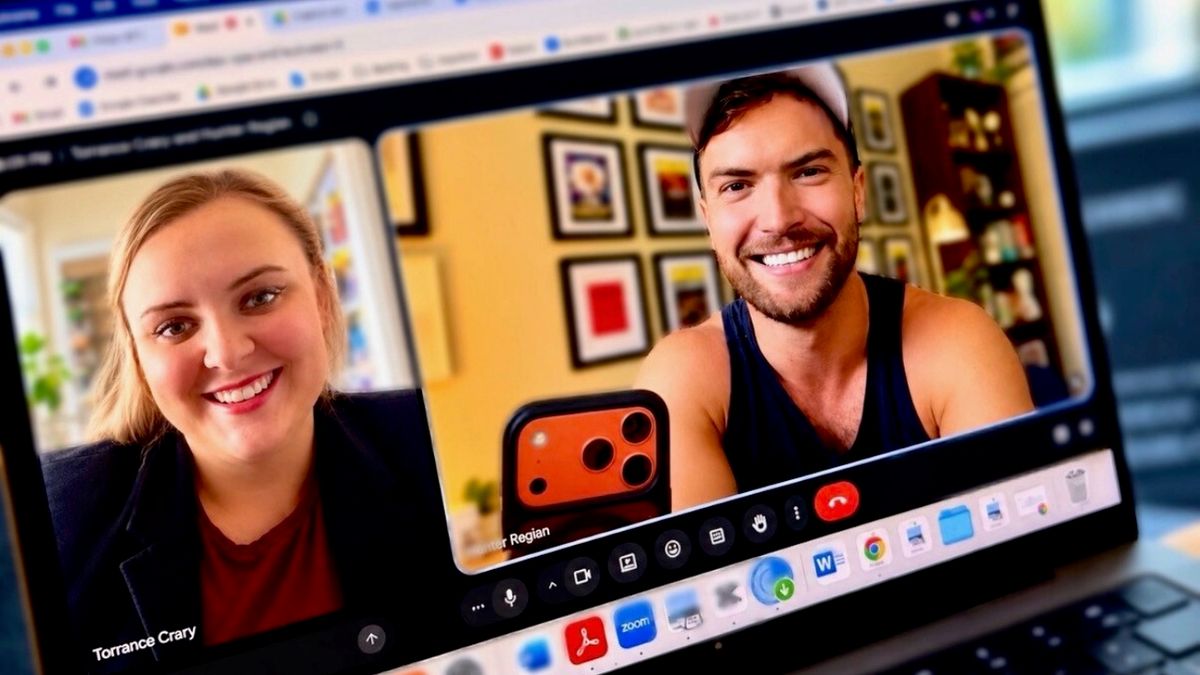
As a Theatre Performance and Production student at Texas State University, I often find myself wondering what life after college will look like. I know I have a passion for the performing arts, especially producing, directing, and developing new works, but figuring out how to turn that passion into a career can feel both exciting and intimidating. So, what does it really take to build a successful career in theatre? To find out, I had the incredible opportunity to interview Hunter Regian, a Tony Award-winning Broadway producer and founder of Regian Entertainment. Originally from Austin, Texas, Hunter earned his Bachelor of Arts in Theatre and Dance with a focus on Directing from the University of Texas at Austin. Since then, he has helped bring productions such as Oedipus, The Queen of Versailles, Gypsy, and Sunset Boulevard to the stage, earning a Tony Award for Best Revival of a Musical for Sunset Boulevard. With experience spanning Broadway and London’s West End, Hunter has built a career that combines artistic vision with the business of bringing theatre to life. During our conversation, I wanted to learn more about his journey, what being a producer actually looks like behind the scenes, and, most importantly, what advice he has for aspiring theatre professionals like me who are just beginning to find their own paths.
Torrance: How did you find your way into producing?
Hunter: I originally thought I was going to be a dancer, and I had a directing degree. Producing wasn’t something I initially planned to do. After I wasn’t cast in a show I wanted, I received a call about producing The Prom. That opportunity eventually led me to New York. My career developed through relationships and being open to a path I hadn’t expected.
Torrance: As a college student, it’s easy to compare myself to people who are getting cast. What advice would you give someone who feels like they aren’t doing enough?
Hunter: Create your own lane. I experienced comparison, too, especially because my path looked different from other people’s. Being in a particular show can feel like everything at the time, but it’s temporary. Think about the relationships, experiences, and transferable skills you’re building. Reaching out to an industry professional and creating an opportunity for yourself is also meaningful progress.
Torrance: What does a Broadway producer actually do?
Hunter: A show is its own business. The lead producer oversees that business and carries responsibility for getting the production up and running. A co-producer helps support the production, often by bringing in investors and raising a portion of the money. Fundraising is a major part of my Broadway work, although my responsibilities vary depending on the project.
Torrance: Can you explain capitalization and weekly running costs?
Hunter: Capitalization is the money needed to bring a production to opening night. Weekly running costs are the ongoing expenses of presenting the show, including salaries, theatre rental, royalties, marketing, and other operating needs. Weekly ticket revenue helps cover those expenses, and the money remaining can contribute toward returning the original investment.
Torrance: What skills are useful for someone interested in producing?
Hunter: Communication, relationship building, organization, and a willingness to learn are all valuable. Producing involves connecting people and helping them move toward a shared goal. Depending on the project, you might prepare investor updates, coordinate a workshop, communicate with creative teams, or help solve practical problems.
Torrance: Performing is still my main interest, but I also want to explore producing and directing. How can I balance those interests?
Hunter: Give yourself permission to explore while you’re in college. You don’t need to decide your entire career right now. Hands-on experience will help you understand which responsibilities you enjoy and what feels fulfilling. Eventually, finances and time may require you to focus more closely, but learning about producing can also make you a more informed performer.
Torrance: I’m particularly interested in new works. What could working on a developing musical involve?
Hunter: There are many ways to help. You could assist with scripts, music, communication, casting logistics, booking space, or preparing for a workshop. Getting involved with a new work as an intern would help you follow its development and support the team throughout that process
Torrance: What might an internship or assistant position with your team look like?
Hunter: We would build the role around your interests, availability, and the team’s needs. You might help with press updates and investor communications while also supporting a new musical. Other possibilities could involve producing, directing, or event support. The goal would be to give you useful experience while allowing you to contribute to the work.
Torrance: You also talked about creating the Abe Foundation. What inspired that?
Hunter: My mentor and close friend, Chris Abraham, passed away in 2024. He encouraged emerging artists and helped shape my life. Creating the foundation became a way to honor him and continue that support. Its plans include supporting new work, offering scholarships, and creating community theatre opportunities. It gives me a sense of purpose beyond the commercial side of producing.
Torrance: How should young theatre artists approach networking and sharing their work?
Hunter: Build relationships through a shared love of theatre, and let people see your journey. You don’t have to wait until opening night or a major achievement to talk about what you’re learning. Sharing your experiences can help people understand your interests and connect with your work. Be thoughtful about what you’re allowed to announce, but give yourself permission to celebrate your progress.
Torrance: What would you recommend as my next step after this interview?
Hunter: Think about what interests you most and how much time you realistically have. There’s no pressure to make a large commitment immediately. You can start small and build from there.
Torrance: What final advice would you give a college student as they continue pursuing theatre?
Hunter: Enjoy this stage of your life and make decisions based on what matters to you. Listen to your different interests and concerns, but let your own sense of purpose guide you. Keep learning, nurture your relationships, and recognize that you have the power to create opportunities and shape your path.
My conversation with Hunter taught me that building a career in theatre means staying open to unexpected opportunities, nurturing relationships, and taking initiative to create my own path. I learned that producing requires both artistic vision and practical skills, especially communication, organization, and collaboration. His advice to “create your own lane” reminded me that my progress doesn’t have to look like anyone else’s, and that exploring producing and directing can support my growth as a performer. I don’t need to have my entire future figured out before taking the next step. As I continue my time at Texas State, I’m taking with me the confidence to start small, seek hands-on experience, and value what I’m learning along the way.
Broadway news in your inbox
Weekly top stories - unsubscribe anytime.
Weekly top stories - unsubscribe anytime.
Popular episode




Tickets From $70

Tickets From $135

Tickets From $58

Tickets From $67