


Review Roundup: SULFUR BOTTOM, by Rishi Varma
The play continues at The Jerry Orbach Theater at The Theater Center through October 11.
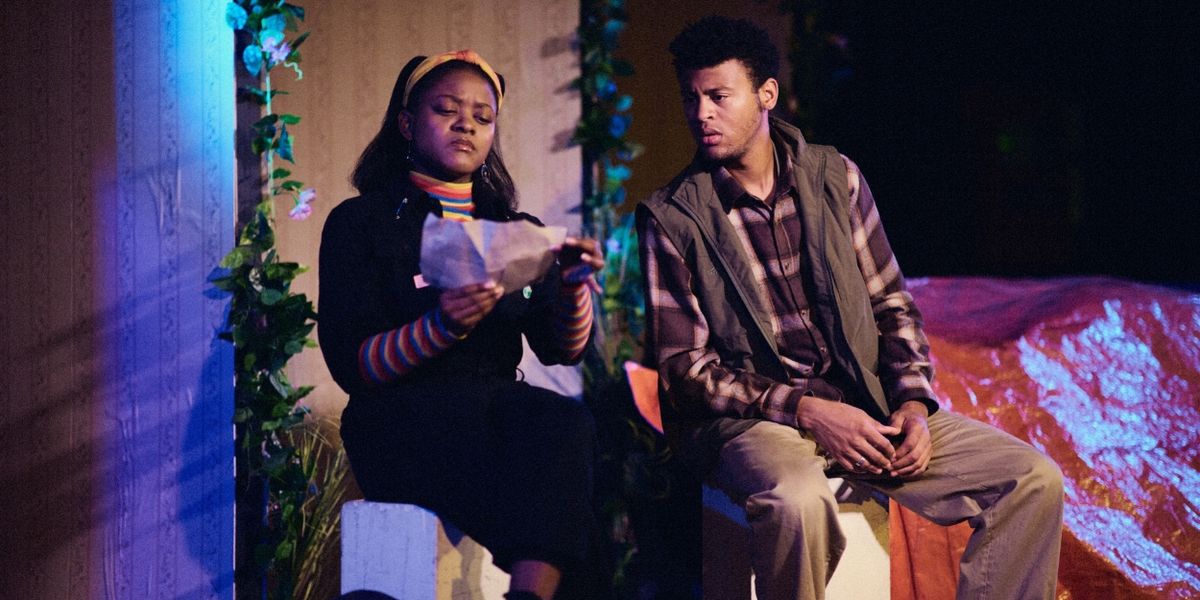
Sulfur Bottom, by Rishi Varma, is the official event of Climate Week NYC, spotlighting the urgent need for environmental justice. Through the lens of art and storytelling, Sulfur Bottom confronts the challenges of environmental collapse and sparks dialogue about its impact on communities. With performances scheduled throughout the program, the production aims to engage audiences in meaningful conversations about climate change and collective responsibility.
Sulfur Bottom is an eco-gothic drama that explores the quiet devastation of environmental collapse through the eyes of one family over a span of 40 years. Set in a decaying home on the edge of industrial sprawl, the play transforms the slow violence of pollution into something both intimate and unsettling.
Check out what the critics had to say...
 Deb Miller, DC Theater Arts: In addition to the serious and timely themes, Varma injects touches of humor and an overriding sense of absurdism into the play. Set in the interior of the old increasingly deteriorating house, the sometimes confusing story moves back and forth in time and dimension, from living characters in present-day scenes to their memories and revealed secrets of the past, imaginings and post-mortem appearances, as they discuss their dilapidated home, disagree over what to do with it, and ultimately come together as a bonded family, joking over dinner (be it in the mind or in the afterlife) on the site of the no-longer extant house.
Margret Echeverria, Front Row Center: I came to see Sulfur Bottom written by Rishi Varma and directed by Megumi Nakamura at The Theater Center fearing a sermon about how we Earth inhabitants are destroying the future with our unconscious lifestyles. But rather than coming away feeling guilty and possessing no ideas for corrective action, I can report that what I experienced was a living portrait of a family surviving existence on a choking planet while still reaching for joy, love, belonging and understanding of one another. The consciousness of these characters moves through all states – the unitary, the dream state, the mystical and the indescribable. All this through using broad strokes of time-travel, shape-shifting and symbols of transformation as illustrative vehicles. Rather than pulled by our ears to hard conclusions, the audience is gently held in revelatory visions.
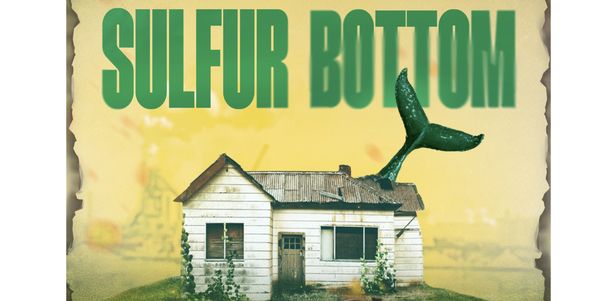
 Austin Fimmano, New York Theatre Guide: Some elements of the play come off as unfinished; for one, I could never quite wrap my head around the concept of a whale terrorizing a small town. Sulfur Bottom feels like it needs more development to reach its full potential, but Varma’s message is still powerful: If the only path towards a better life cuts you off from the people who love you, how could future generations ever come to terms with the choices of their forebears?
Gregory Fletcher, Stage and Cinema: For all its aspiration, Sulfur Bottom feels more like a workshop draft than a finished play. Its mix of social indictment, family drama, and absurdist allegory never coheres, and its earnest themes collapse under the weight of muddled storytelling. As one theatergoer muttered while leaving: “What was that?!” Which, in truth, was a lot nicer than what my theater companion declared.
Average Rating: 72.5%
- To read more reviews, click here!
- Discuss the show on the BroadwayWorld Forum

|
Powered by

|

|
A Baby For Me? No Thank You, Please! Soho Playhouse (9/18-9/19) |

|
EN EL TIEMPO DE LAS MARIPOSAS Repertorio (1/07-12/31) |
|
LA GRINGA Repertorio (2/08-12/31) |
|
LA CASA DE BERNARDA ALBA Repertorio (11/15-12/31) |

|
Bailey Swilley's Gimme A Sign! Soho Playhouse (9/17-9/17) |

|
13 The Musical Griffin Theatre (8/14-8/23) PHOTOS |

|
Bailey Swilley's Gimme A Sign! Soho Playhouse (9/20-9/20) |
Reader Reviews
To post a comment, you must register and login.