


Review: OSIPOVA/LINBURY, Royal Ballet and Opera
Four dances from the Royal Ballet's superstar
 Even more the case than it is with classical ballet, it is important to let contemporary dance come to you. Don’t go looking for an overture, for an “I Want” song or, heaven forbid, a narrator - let the movement and the music wash out over the fourth wall and into the stalls and see where it takes you.
This suite of four dances is billed Osipova/Linbury for a reason. In the star performer, the Royal Ballet and Opera has not only one of the world’s greatest dancers, but one of its greatest communicators too, emotions her stock-in-trade. In the Linbury Theatre it has a perfect house for such a show - intimate enough for the sensuality to be almost tangible, but large enough for the occasion to carry the gravitas it deserves.
Alexei Ratmansky’s Middle Duet II is the most classically inflected of the pieces, this time revised - and wisely given the rights issues in its history - enhanced by a splendid new score from Philip Feeney. Natalia is joined by Cuban-born Patricio Revé, as two lovers come together, split apart and return under the watchful gaze of angels, black and white. As the name suggests, it’s a fragment of a larger ballet, but immensely popular around the world as a self-standing piece.
After a pause to (literally) mop the stage down - ballet is HARD - Natalia is back, huge now, on film in Five Brahms Waltzes in the Manner of Isadora Duncan. The camera swirls as it races to catch up with her, hurtling around an empty stage in gossamer pink, floating as much as dancing, her inspiration given new life more than a century on.
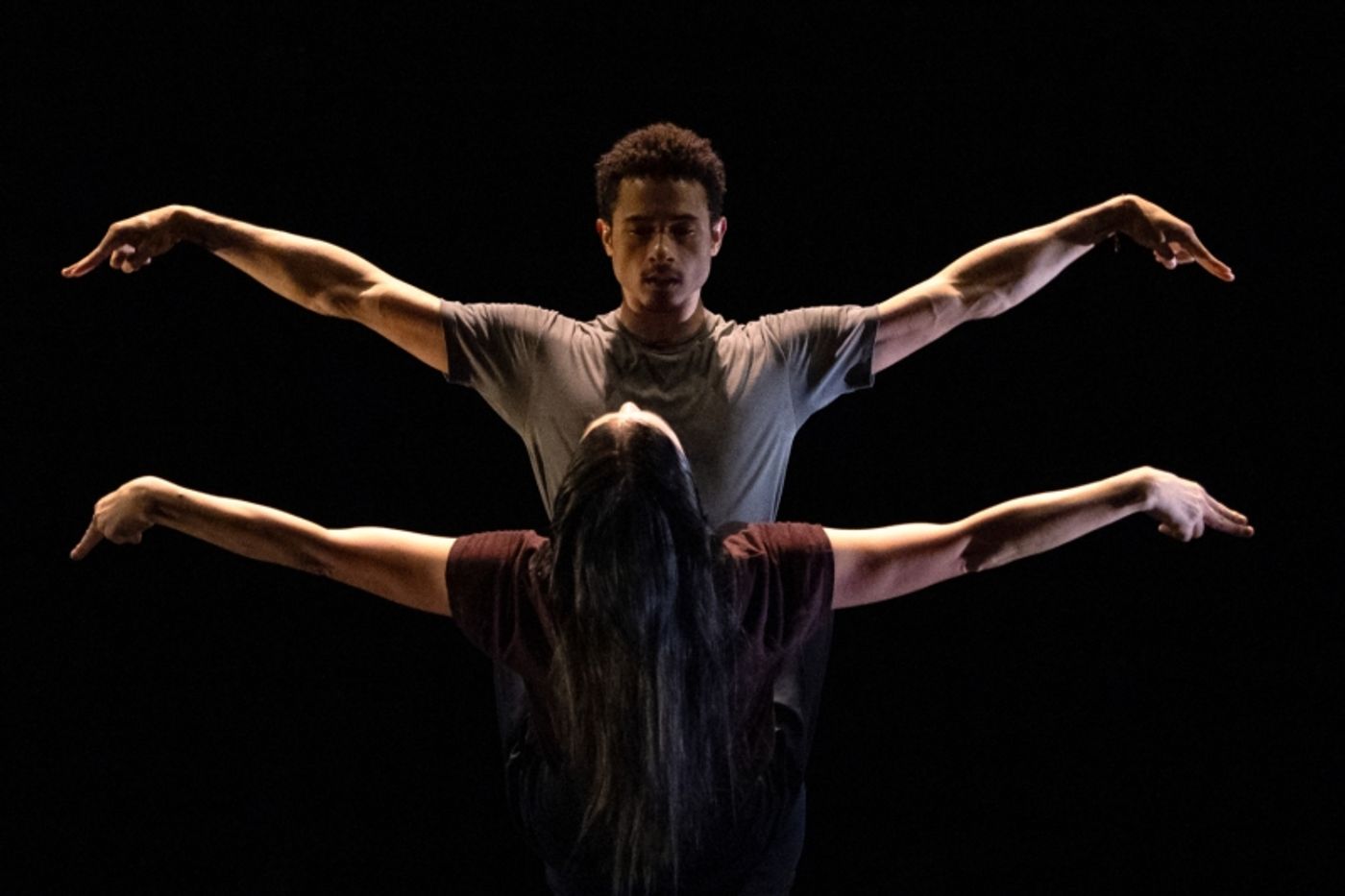
The first half concludes with Sylvie Guillem and Akram Khan’s Mud of Sorrow, again with guest dancer, Revé. I saw evocations of Hindi deities, as the two dancers become one creature with multiple arms and legs and of the urgent desire for human beings to become part of other human beings, physically and psychologically. As close as I was, I could also see the strength required to perform such movements, muscles bulging, all those years of training being called upon. Osipova may be small of stature for a principal ballerina, but she is not slight and a fine rebuttal to the body dysmorphia that can be too prevalent in young dancers.
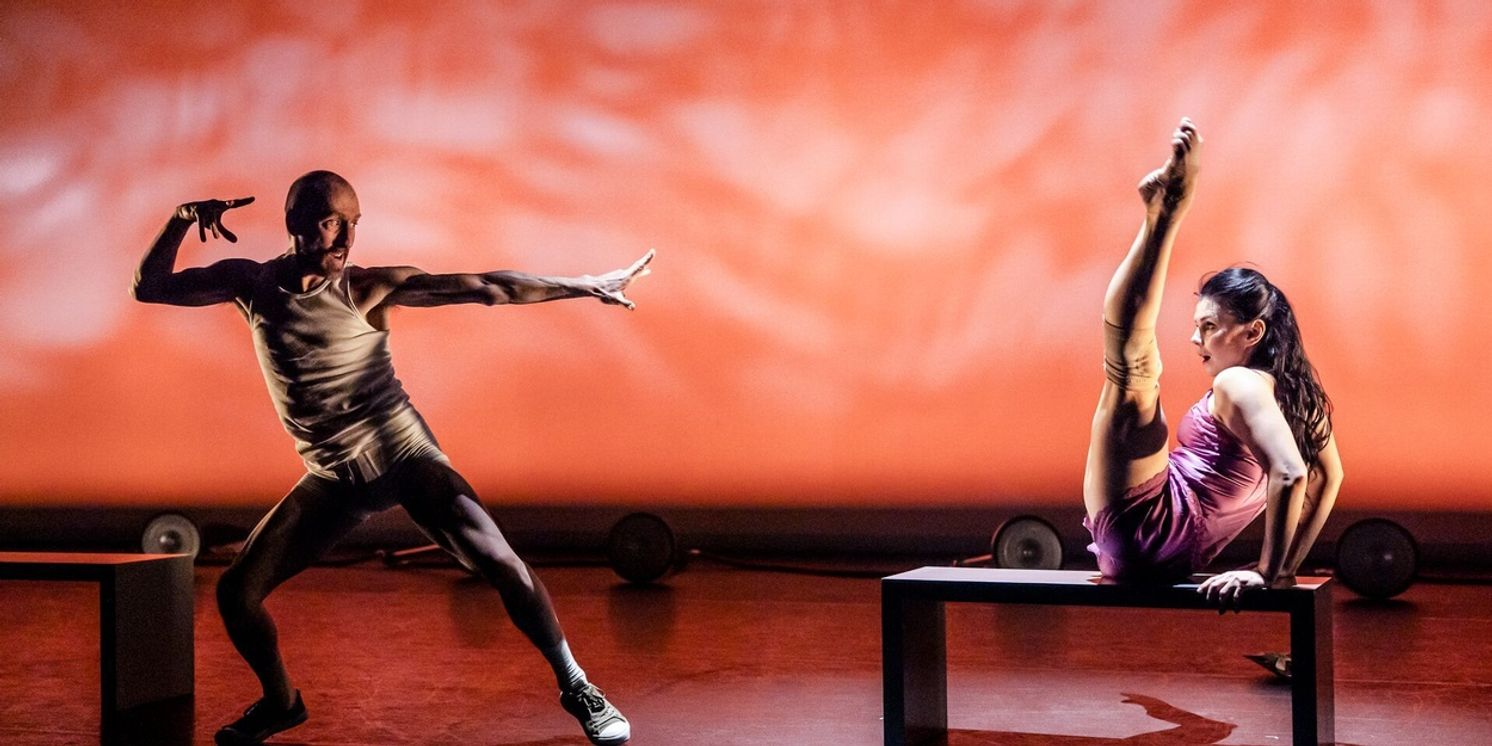
After the interval, a real change of mood with The Exhibition by Jo Strømgren. A man, with just a hint of a Just Stop Oil protestor in his look, is irritated continually by a well-dressed woman who speaks rapid Russian and flirts repeatedly, to the man’s surprise and distaste. They dance, argue, almost kiss and, eventually, find a way through, the man able to excavate emotions he had long closed down.
Both Natalia and Christopher Akrill have an enormous amount of fun in the piece and so do we, but the centrality of dance as a means to connect in an isolating world runs like a thread through the sketch. It’s not a bad takeaway from an evening in which Osipova has led us on a journey to such a conclusion without ever compromising her ethereal grace and technical mastery.
Osipova/Linbury at the RBO until 15 November
Photo images: ©2025 RBO, Photographed by Andrej Uspenski
Reader Reviews
Videos