


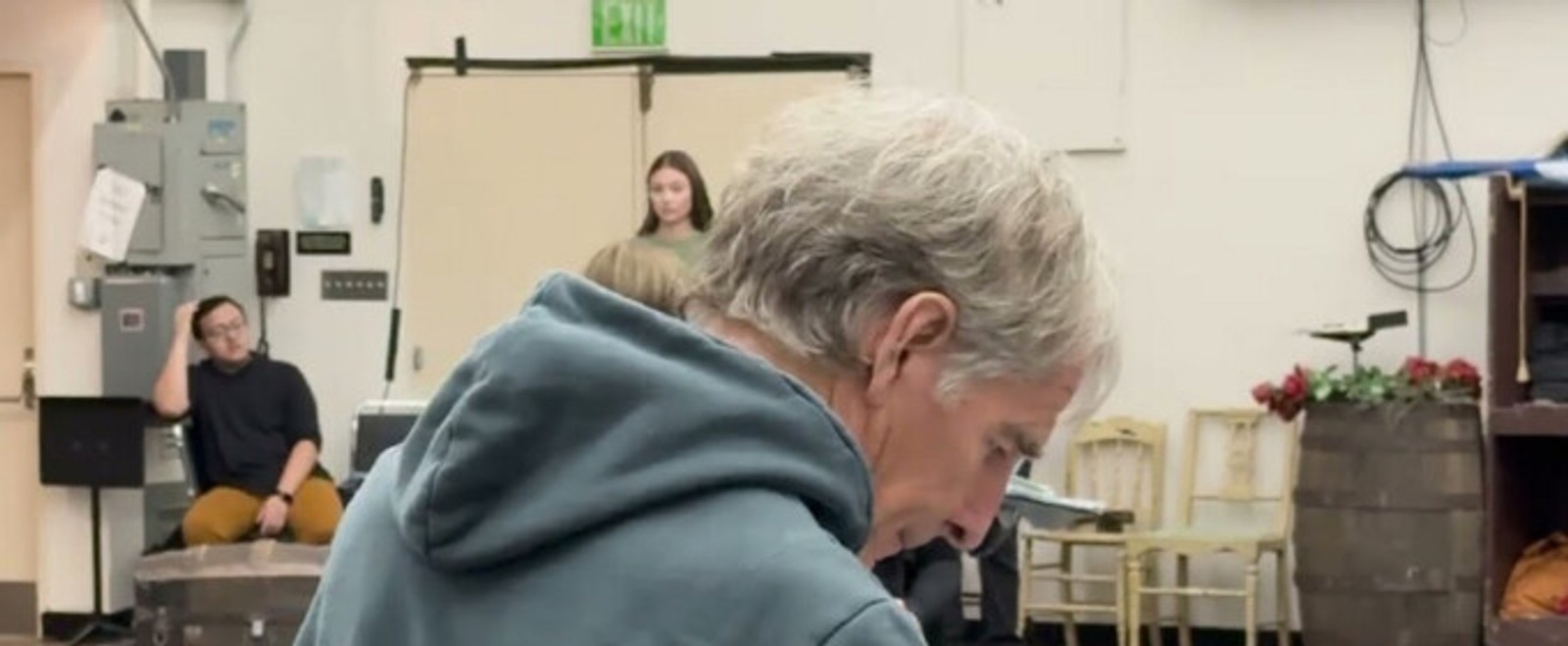
"OMG you guys!" LEGALLY BLONDE is more respected now than when it premiered on Broadway in 2007. Today, we explore what happened then, and what has changed since! Joining us is original Broadway "Brooke Wyndam" turned director/choreographer Nikki Snelson (ANNIE GET YOUR GUN, SWEET CHARITY, A CHORUS LINE).
Review: CANDIDE at LA Opera
The production runs from November 21st through December 13th.
By: Edmund Whelan

Absurd it is to call a show about man’s ravaging ruthlessness delightful and charming. Yet, Candide at the LA Opera proves to be just that: delightful, charming, and oh, so absurd. Voltaire’s cunning satire, once banned for its blasphemous questions, soars with Leonard Bernstein’s lilting, operatic score. The combination of ridiculous antics, campy staging, glorious voices, evocative lyrics, and entrancing music created the best night this reviewer has experienced in an opera house.

(Old Lady), Meghan Picerno (Cunegonde) and Duke Kim
(Candide).
Is Candide an opera? Quite an unconventional one, if so. It’s often labelled an “operetta,” that nebulous term for something too classical, heightened, and formal for musical theatre and too dialogue-ridden or plot-driven for opera. Indeed, for anyone who loves a Broadway-based book and an opera score, Candide is the best of all possible worlds. This reviewer falls into that exact category of theatre enthusiast: desperately desiring the wondrous orchestras and magical vocals of Carousel and Porgy and Bess, of Verdi and Puccini, while clinging to the thought-striking stories of Cabaret and Company. As Sondheim said, after all, theatre is meant to challenge. But that’s no reason why it can’t sweep us away as well. Candide seeks to do both. It’s no Sweeney Todd (another show in this grey area between musical and opera), but that is the last thing it wants to be. Candide in some way features most of the same abysmal themes that Sweeney boasts. It does so without the horror, the gothic setting, the sense of doom and dread, trading them instead for humor, camp, and levity.
Yet in its ridiculousness, Candide demands challenging questions of its characters and its audience: If God is perfect and benevolent, why does He allow evil to happen? Driven by the French philosophe Voltaire’s 1759 novella (operetta, novella – this story is desperate to avoid usual labels), it centers around a worldview of optimism. From the moment Dr. Pangloss (Scott Bakula) appears, this philosopher and teacher of our cock-eyed optimist Candide (Duke Kim), who insists that all things in life are for the best, his hopeful perspective is harpooned by scathing satire. If everything is for the best, what can go wrong?
Everything. Everything goes wrong, for Pangloss, for Candide, for, well, everyone. Voltaire (who is a character in this show, also played here by Scott Bakula) makes it evident that hope and cheer are futile in the face of reality. The audience knows it. Much of the humor of this story comes from Voltaire or Pangloss narrating the course of Candide’s travels and the audience realizing his naïveté. But the enduring question is: can Candide’s optimistic outlook prevail? Is the audience wrong for assuming the worst at each circumstance?

Voltaire’s gutting of the optimistic philosophy (an actual doctrine put forth by Gottfried Wilhelm Leibniz – yes, the same Leibniz who rivaled Isaac Newton in discovering calculus) ventures near strawman territory, with exaggerated scenarios and unwavering support from Pangloss. However, the purpose of the satirical story is not to pose a philosophical rebuttal to Leibniz and his followers; for that, an essay, pamphlet, letter, or sermon would have been more suitable, all of which Voltaire was prolific in writing. Rather, Candide exists to demonstrate the callousness of the perspective. It points out that believing everything that happens is for the best at best insults the downtrodden, the war-torn, the abused. How can one say their brother’s suffering is for the best?
As for the musical score: Leonard Bernstein was hailed as the best conductor of the 20th century; Candide features some of his most incredible compositions. The overture of Candide, one of the best pieces in Bernstein’s extensive repertoire, whisks the audience into a romantic epic. That romantic quality sours quickly, but the music remains ever joyous.
Lyrically, the score ranges from brilliant to boring. Some six or so lyricists contributed to Candide, and that shows. The majority of the lyrics, regardless of writer, do evoke interesting imagery or display clever rhymes. However, they do occasionally fall into some typical traps of opera libretti, such as repeating uninteresting phrases. While dialogue drives much more of the plot than is normal for opera, the music does sometimes take priority over the lyrics – a standard feature of opera. For a musical (opera?) that opened on Broadway in 1956, it has remarkably unusual lyrics. Golden Age Broadway fixated on form, especially in terms of rhyme. “Perfect” rhymes were king – words, phrases, or strings of sounds that matched exactly. While even the best Golden Age lyricists stumbled occasionally, imperfect/inexact rhymes were rare. However, in Candide, they are surprisingly present. Rhymes like “again is/Venice” seep into the score, usually in the same songs. Presumably certain lyricists followed the standards of form and others experimented more. This may also be evident of some songs being written and added decades after Candide’s Broadway premiere. Unfortunately, the program at the LA Opera does not list the lyricists at all, let alone mention which songs they wrote. A well-trained ear will note some Sondheim rhymes, though: Bernstein’s West Side Story collaborator did contribute some lyrics to this show as well (including such enchanting wordplay as the line about shooting pheasants in the presence of the peasants).

The performers in the LA Opera production are sensational, from the leads to the large ensemble. Duke Kim plays the romantic optimist Candide flawlessly, lending his tenor voice to beautiful tunes. Meghan Picerno makes her LA Opera debut as Cunegonde, singing the most famous number from the show: “Glitter and Be Gay.” She attacks the towering notes with gusto, making one of the highest songs in the Broadway canon seem easy. Kim and Picerno’s first-act duet “Oh, Happy We” delights as perhaps the most ear-pleasing moment of the production. Patti LuPone returns to the stage (again) as the Old Lady. She never fails to earn a laugh with her sardonic lines. She does not have nearly the amount of solo singing time that most of her recent roles have provided. Nevertheless, she deftly navigates the challenges of an operatic score, including in her main song “I Am Easily Assimilated,” a tango with strong Jewish and Spanish musical influences. (Of course, this is not LuPone’s first foray into opera, even in Los Angeles.) Vinícius Costa’s solo “Words, Words, Words” as the bitter streetsweeper Martin also stands out as Costa’s rich baritone voice introduces the concept of pessimism to Candide.
Candide defies the norms of the two theatrical genres it combines, making for an unusual night at the LA Opera. A raucous and ridiculous night, full of lush music and lots of laughs. A night not to be missed. QED.
Candide runs at the LA Opera until December 13.
Photo Credit: Cory Weaver.
More on LA Opera
Broadway news in your inbox
Weekly top stories - unsubscribe anytime.
Weekly top stories - unsubscribe anytime.
Popular episode


|
How to Write a Holiday North Coast Repertory (12/16-12/27) |
|
The Cottage North Coast Repertory (10/28-11/22) |
|
‘Romeo and Juliet: Time Enough for Love’ Atwater Village Theatre (11/13-12/19) |
|
Assassins The Actors Company — The Other Space (11/06-11/29) |

|
Pirates of Penzance in One Act Presented by The New York Gilbert & Sullivan Players The Plaza Theatre (4/24-4/24) |
|
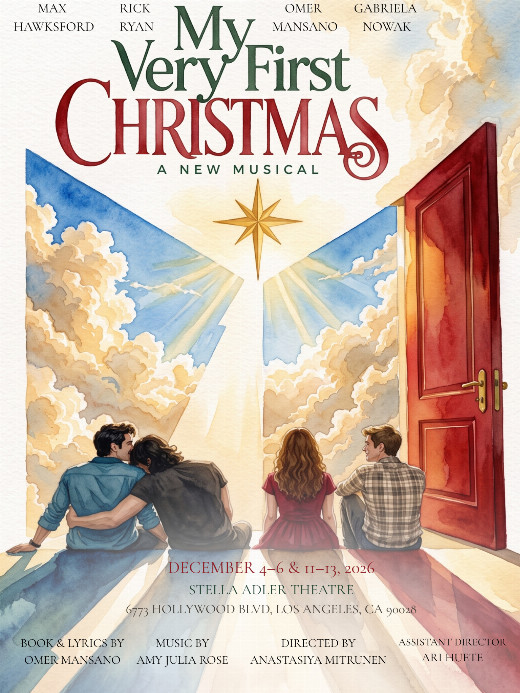
My Very First Christmas Srella Adler (12/04-12/13) |

|
Magic at the Langham with David Minkin The Langham Huntington (5/02-5/02) |

|
Paperback Writer – The Beatles Experience James R. Armstrong Theatre (3/13-3/14) |
|
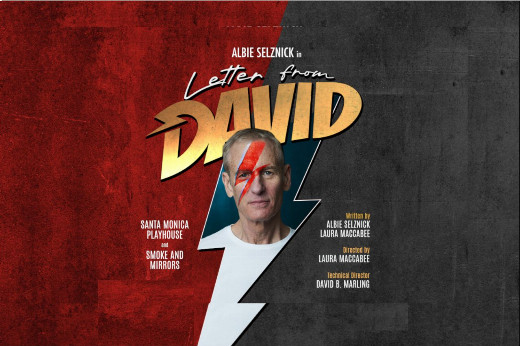
Letter from David – Albie Selznick’s dream of working with David Bowie leads to a wild ride Santa Monica Playhouse (10/04-12/20) |
|
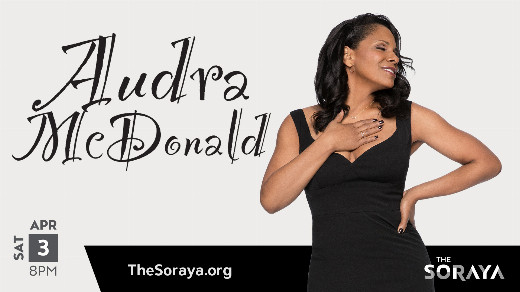
Audra McDonald The Soraya (4/03-4/03) |
Reader Reviews
To post a comment, you must register and login.